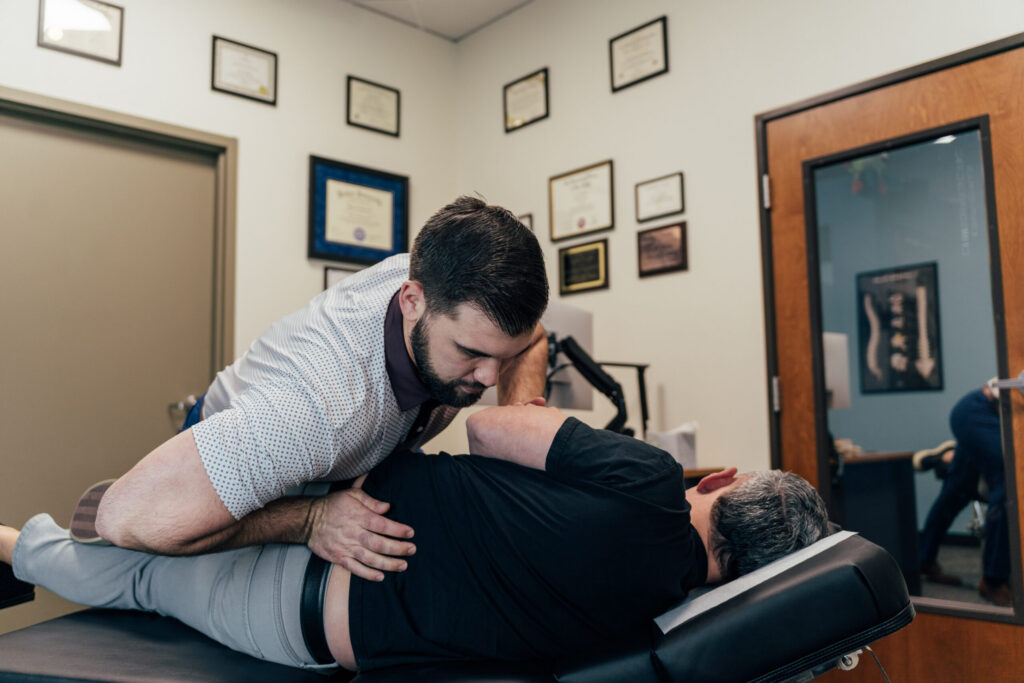

As a local chiropractor, I often see patients struggling with neck pain, and I want you to know that you’re not alone in this experience. Many individuals face discomfort due to poor posture and extended periods of sitting. The good news is that there are simple, natural strategies you can start using today to help alleviate this discomfort. By making a few mindful adjustments to your daily routine, you can significantly enhance your comfort and overall well-being.
If you’re curious about how to improve your situation, let me share some effective techniques that I’ve found to make a real difference for many of my patients. These steps not only promote relief but also contribute to long-term health and vitality. Remember, chiropractic care can be a vital part of your journey towards a pain-free life, and I’m here to help guide you every step of the way.
Maintain Good Posture
As a local chiropractor, I want to emphasize the importance of maintaining good posture as a fundamental way to protect your neck and overall spinal health. When you sit or stand, it’s crucial to keep your head properly aligned over your spine, rather than allowing it to jut forward. This proper alignment helps to minimize the strain on your neck muscles and ligaments, which can prevent discomfort and pain.
Pay attention to your shoulders; they should be relaxed, and your back should be straight. If you spend a lot of time at a desk, take a moment to adjust your chair and monitor so that you can maintain a neutral position. Ideally, your computer screen should be at eye level. This positioning will help you avoid tilting your head down or craning it upward, both of which can contribute to neck tension.
Whether you’re typing, reading, or using your phone, be mindful of your body posture. It’s a good practice to regularly check in with yourself to correct any instances of slouching or awkward angles. Engaging your core muscles can provide additional support for your posture, further enhancing your spinal health.
By making a conscious effort to prioritize good posture throughout your daily activities, you not only reduce the risk of developing neck pain but also promote overall well-being.
Take Regular Breaks
As your local chiropractor, I want to emphasize the importance of maintaining good posture to prevent neck pain. However, it’s just as crucial to take regular breaks throughout your day.
Whether you’re sitting at a desk or involved in any repetitive activities, your neck can experience strain if you stay in one position for too long.
I recommend setting a timer to remind you to stand up and stretch every 30 to 60 minutes. During these breaks, take the opportunity to move around, perform light stretches, or simply change your position.
This practice isn’t just about comfort; it significantly helps reduce muscle tension and promotes better blood circulation, which can alleviate discomfort.
As you take these breaks, be mindful of how your body feels. If you start to notice any stiffness, that’s a clear signal to pause and reset.
Integrating these regular breaks into your daily routine not only helps prevent neck pain but also enhances your productivity and focus.
Adjust Your Workspace
As your local chiropractor, I want to share some important tips on how to adjust your workspace to help prevent neck pain and promote overall well-being.
First and foremost, it’s crucial to position your monitor at eye level. This way, you won’t have to strain your neck to see the screen, which can lead to discomfort over time.
Additionally, investing in an ergonomic chair can make a significant difference in your posture and comfort.
It’s also important to place your keyboard and mouse at a height that allows your arms to rest comfortably, avoiding any unnecessary tension in your shoulders and neck.
By making these small adjustments, you can create a more comfortable and efficient workspace, ultimately supporting your spinal health and reducing the risk of pain.
Monitor Height Adjustment
As a local chiropractor, I want to emphasize the importance of proper monitor height adjustment in preventing neck pain, especially for those who spend long hours at their desks.
It’s crucial that your screen is positioned at eye level so you can look straight ahead without having to tilt your head. When your monitor is too low, it forces you to lean forward or look down, which can strain your neck. On the other hand, if your monitor is positioned too high, you may find yourself stretching your neck upwards, leading to discomfort and potential long-term issues.
To determine the right height for your monitor, take a moment to sit comfortably in your chair. Your eyes should align with the top third of the screen.
You can use monitor risers, stacks of books, or adjustable arms to achieve this ideal position. Taking the time to set up your workspace correctly can significantly reduce neck pain and contribute to your overall well-being.
Ergonomic Chair Selection
As a local chiropractor, I want to emphasize the importance of selecting the right ergonomic chair to support your overall health and well-being.
An appropriate chair can significantly impact your posture and help prevent issues like neck and back pain, which are common complaints among many individuals.
Here are some key features I recommend you consider when choosing an ergonomic chair:
- Adjustable seat height: This allows you to position your legs correctly, ensuring proper circulation and support while seated.
- Lumbar support: A chair with effective lumbar support helps maintain the natural curve of your spine, which is crucial for reducing strain on your back muscles.
- Adjustable armrests: These can be modified to suit your height, which minimizes shoulder strain and promotes better alignment of your arms and neck.
- Seat depth: Make sure the seat depth is suitable for your thigh length. This helps ensure that your thighs are well-supported, which contributes to overall comfort.
- Breathable material: Opt for a chair made of breathable fabric to enhance airflow, especially during long hours of sitting. This can help prevent discomfort and promote a healthier sitting experience.
Keyboard and Mouse Position
As a chiropractor, I often see patients who are unaware of the impact that improper keyboard and mouse positioning can have on their overall well-being.
Even with a supportive ergonomic chair, neglecting the right setup can lead to unnecessary neck and shoulder strain, which can eventually result in chronic pain.
To help you maintain a healthy posture, I recommend ensuring your keyboard is positioned at elbow height and directly in front of you.
Your wrists should be straight, with your hands gently hovering just above the keys.
It’s also important to place your mouse close enough so that you can reach it easily without having to stretch your arm.
Both your keyboard and mouse should be aligned at the same level to avoid creating awkward angles that can strain your muscles.
Remember to keep your elbows close to your body and your feet flat on the floor.
If you primarily use a laptop, consider investing in a separate keyboard and mouse to enhance your posture and comfort.
Regularly reviewing your workstation setup is key to ensuring it promotes comfort and minimizes the risk of pain.
Practice Neck Exercises
As a local chiropractor dedicated to your health and well-being, I want to emphasize the importance of neck exercises in alleviating discomfort and enhancing your overall mobility. Many individuals may not realize that incorporating simple stretches into your daily routine can significantly strengthen the muscles surrounding your neck and promote better posture.
Here are some effective neck exercises that I recommend for my patients:
- Neck Tilts: Gently tilt your head toward each shoulder, holding the position for a few seconds to stretch the muscles.
- Chin Tucks: This exercise involves pulling your chin back toward your neck while maintaining a straight spine, which helps align your head over your shoulders.
- Shoulder Shrugs: Raise your shoulders toward your ears and then allow them to relax down, relieving tension in the upper back and neck area.
- Neck Rotations: Slowly turn your head from side to side, pausing briefly at each end to improve flexibility and range of motion.
- Forward and Backward Bends: Drop your chin to your chest to stretch the back of your neck, then gently tilt your head back to open up the front of your neck.
Integrating these exercises into your daily life can be a simple yet effective step toward better neck health. By taking the time to care for your neck, you’re not only addressing discomfort but also enhancing your overall well-being.
If you have any questions or need guidance on these exercises, don’t hesitate to reach out!
Manage Stress Effectively
As a chiropractor, I want to emphasize the importance of managing stress effectively for your neck health and overall well-being. Many people may not realize how much tension can lead to pain and discomfort in the neck area. The first step is to identify your personal stressors—these are the things that contribute to your daily anxiety and discomfort.
Prioritizing self-care is essential. I encourage you to carve out time each day for activities that bring you joy, whether it’s reading a book, taking a leisurely walk, or practicing meditation. Mindfulness techniques can be particularly beneficial, helping you to stay present and alleviating anxiety.
One natural and powerful tool you can use is deep breathing. This simple practice can instantly relieve tension in your neck and shoulders, which often bear the brunt of stress.
Additionally, incorporating regular physical activity into your routine, such as yoga or gentle stretching, can significantly enhance your ability to manage stress and keep your body relaxed.
Don’t forget the importance of sleep, as adequate rest is crucial for reducing fatigue, which can heighten stress levels.
Invest in Proper Support
As your local chiropractor, I want to emphasize the importance of investing in proper support to help prevent neck pain. One of the key steps you can take is to choose ergonomic pillows that align with the natural curve of your neck. This ensures that your spine remains in a healthy position while you sleep.
Additionally, selecting supportive chairs that encourage good posture is crucial, especially if you spend long hours sitting. By making these adjustments to your sleep and work environment, you can significantly enhance your comfort and reduce the strain on your neck.
Choose Ergonomic Pillows
As a local chiropractor, I often emphasize the importance of proper sleep posture for maintaining spinal health. One key factor that can significantly enhance your sleep quality and reduce neck pain is choosing the right ergonomic pillow.
Here are some important features to consider when selecting a pillow that supports your wellbeing:
- Loft Height: It’s crucial to select a pillow that suits your sleeping position. If you’re a side sleeper, a higher loft will better support your head and neck alignment. Back or stomach sleepers, on the other hand, should opt for a lower loft to prevent unnecessary strain on the spine.
- Material: Look for pillows made from memory foam or latex. These materials provide excellent contouring support, adapting to the shape of your head and neck, which can help maintain proper alignment while you sleep.
- Shape: Contoured pillow designs are particularly beneficial. They’re specifically designed to align your neck and spine, reducing the risk of waking up with discomfort.
- Firmness: A medium-firm pillow strikes the right balance by providing support without being overly compressive. This helps maintain spinal alignment while accommodating your natural curves.
- Cooling Properties: Consider pillows made with breathable materials. This can help you stay comfortable throughout the night, preventing overheating and ensuring a more restful sleep.
By paying attention to these features, you can make an informed decision that promotes better sleep and overall spinal health.
Don’t hesitate to ask if you have any questions about how to enhance your sleep environment!
Select Supportive Chairs
As a local chiropractor, I want to emphasize the importance of supportive seating for your comfort and spinal health, especially if you’re spending long hours at a desk or in a chair. Investing in a chair that offers proper support can make a significant difference in how your body feels throughout the day.
When selecting a chair, look for adjustable features such as seat height, backrest angle, and lumbar support. These adjustments allow you to maintain a neutral spine position, which is crucial for keeping your neck aligned with your hips. This alignment helps alleviate stress on your spine and can prevent discomfort in the long run.
Additionally, consider the materials of the chair. You want something that provides adequate cushioning while still offering the necessary support for your body. If possible, take the time to test different chairs before making a purchase to see which one feels the most comfortable for you.
Remember that even with a supportive chair, it’s essential to take regular breaks and stretch throughout the day. This practice not only helps maintain your posture but also promotes overall spinal health.
Conclusion
As a local chiropractor, I want to share some simple yet effective strategies to help you prevent neck pain and maintain overall well-being. First and foremost, it’s essential to be mindful of your posture throughout the day. Whether you’re sitting at a desk or enjoying leisure time, maintaining a neutral spine can significantly reduce strain on your neck.
In addition, remember to take regular breaks, especially if you’re engaged in activities that require you to stay in one position for extended periods. A quick stretch or a brief walk can work wonders for your neck and back.
Adjusting your workspace is another key factor in achieving comfort and preventing discomfort. Consider investing in ergonomic furniture, such as a supportive chair that encourages good posture and aligns your spine correctly.
Incorporating specific neck exercises into your routine can also aid in strengthening the muscles that support your neck, making it more resilient to stress and strain. Furthermore, managing stress through techniques like deep breathing or mindfulness can have a positive impact on your neck health, as tension often manifests physically.
By taking these proactive steps today, you can not only relieve any existing discomfort but also lay the groundwork for a healthier neck in the future. Remember, your body is your most valuable asset, and caring for it naturally is key to a pain-free life.