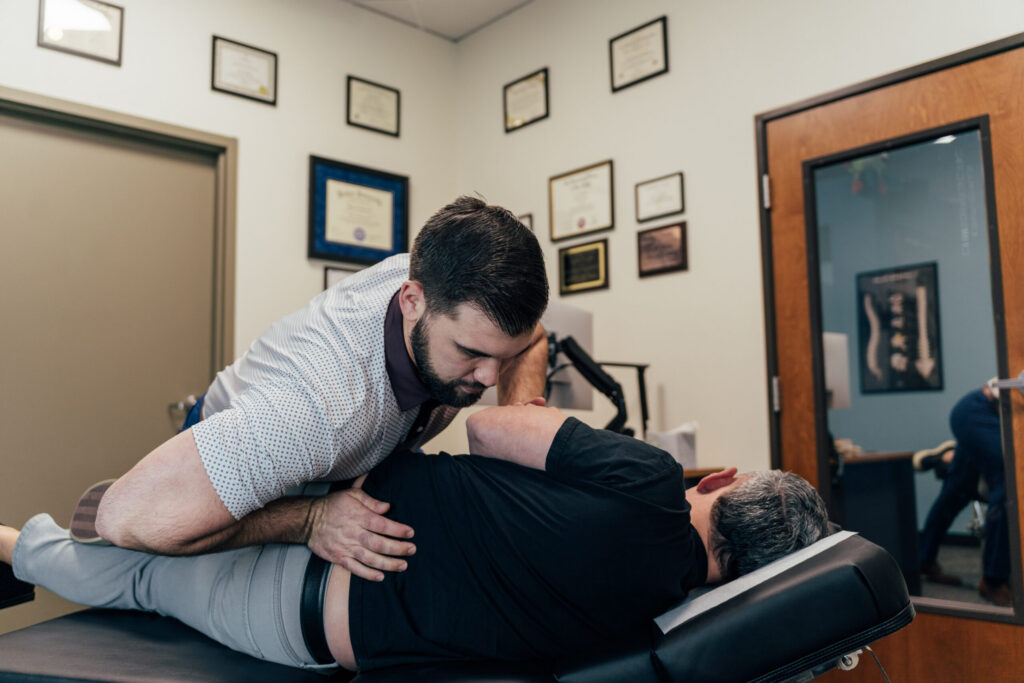

As a local chiropractor, I understand that back pain can be a frustrating experience for many of you. However, I want to assure you that simple lifestyle changes can have a profound impact on your comfort and overall well-being. Often, we don’t realize how our everyday habits contribute to discomfort in our backs.
By paying attention to your posture, incorporating regular exercise, and setting up ergonomic workspaces, you can foster a healthier environment for your spine. Are you curious about specific changes that could lead to relief from back pain? Let’s delve into effective strategies that not only help you feel better but also allow you to move more freely in your daily life. Together, we can explore natural healing methods that promote lasting wellness.
Understanding the Causes of Back Pain
As a local chiropractor, I want to help you understand the various factors that can contribute to back pain, as this knowledge is vital for prevention and overall well-being.
Many of my patients come to me experiencing back pain caused by muscle strain, improper lifting techniques, or a sedentary lifestyle. It’s common for repetitive movements to lead to injuries that cause discomfort over time.
In addition, certain medical conditions such as herniated discs, arthritis, or spinal stenosis can significantly contribute to your pain. It’s crucial to be aware of how your body feels and to pay attention to any signals it may be sending you.
I also want to highlight the mind-body connection; stress and emotional tension can manifest physically, often resulting in back pain.
Maintaining a healthy weight is equally important, as excess weight can place additional strain on your back muscles and spine, exacerbating discomfort.
Don’t overlook the role of your footwear either—improper shoes can negatively affect your posture and gait, leading to pain.
By recognizing these causes of back pain, you can take proactive steps to alleviate their impact.
My goal is to support you in enhancing your overall health and reducing the risk of future back pain through natural healing methods. Together, we can work towards a pain-free life!
Importance of Good Posture
As a local chiropractor, I want to emphasize how crucial good posture is for your overall health and comfort. Proper alignment of your body can significantly reduce strain on your back, which can lead to improved productivity, especially if you spend long hours at a desk.
It’s essential to understand how to set up your workspace effectively, as well as the best positions for standing and sitting to promote spinal health. By making these adjustments, you can’t only alleviate discomfort but also support your body’s natural healing processes.
Let’s dive into some tips to help you maintain good posture throughout your day.
Benefits of Proper Alignment
As a local chiropractor, I want to share with you the importance of maintaining proper alignment for your overall well-being. Many people may not realize how directly alignment influences posture and can significantly reduce the risk of back pain.
When your body is aligned correctly, weight is distributed evenly, which helps prevent unnecessary strain on your muscles and ligaments. This balance is crucial for allowing your spine to maintain its natural curvature, ultimately minimizing stress on your back.
Proper alignment also enhances your body’s functional abilities, making everyday movements easier and more efficient. Whether you’re sitting, standing, or walking, good alignment helps you do so without discomfort.
Beyond physical benefits, maintaining alignment can also boost your confidence; good posture is often linked to feeling more assertive and positive.
By prioritizing your alignment, you’re not only protecting your back but also investing in your overall health and quality of life.
As your chiropractor, I’m here to guide you in understanding how natural healing and proper alignment can help you lead a healthier, more active life. Let’s work together to ensure that your body is functioning at its best!
Desk Setup Essentials
As a local chiropractor, I want to emphasize how a well-organized desk setup can greatly impact your posture and overall comfort while working.
It’s essential to ensure that your chair provides adequate support for your lower back, which encourages a neutral spine position. This simple adjustment can help prevent discomfort and promote better alignment.
Make sure your feet rest flat on the floor or on a footrest, with your knees positioned at or below hip level. This positioning can help alleviate unnecessary strain on your back.
Your monitor should be at eye level to prevent neck strain; you shouldn’t have to tilt your head to see the screen clearly.
Additionally, keep your keyboard and mouse close enough so that your elbows remain at a 90-degree angle. This minimizes shoulder strain and allows for smoother arm movement.
It’s also important to resist the urge to slouch; instead, sit back in your chair, which supports your spine properly.
These small adjustments might seem insignificant, but they can lead to improved posture, reducing your risk of back pain and enhancing your productivity during work hours.
As you consider these changes, remember that chiropractic care can further support your journey to better health and comfort.
Standing vs. Sitting Posture
As your local chiropractor, I want to emphasize the importance of posture in maintaining your overall health, particularly when it comes to the balance between sitting and standing throughout your day.
Many of you may not realize that prolonged sitting can lead to compression of the spine, resulting in discomfort and pain. To help mitigate this, it’s crucial to ensure that your chair provides adequate support for your lower back, and that your feet remain flat on the ground.
Conversely, standing can foster improved spinal alignment, but it’s vital to pay attention to your posture while doing so. Avoid locking your knees or slumping your shoulders, as this can lead to additional strain on your body.
A simple technique to alleviate discomfort while standing is to shift your weight from one foot to the other. If you find yourself standing for extended periods, consider using a footrest to further reduce strain on your lower back.
Incorporating both sitting and standing into your daily routine can significantly benefit your posture, alleviate back pain, and enhance your overall well-being.
Incorporating Regular Exercise
As a local chiropractor, I want to emphasize the importance of incorporating regular exercise into your daily life to help prevent back pain. Engaging in strength training is particularly beneficial, as it helps build the muscles that support your spine, providing stability and reducing strain.
Moreover, incorporating stretching exercises can significantly enhance your flexibility, allowing for better movement and less discomfort.
It’s also essential to integrate physical activity into your everyday routine. Simple changes, like taking the stairs or going for a walk, can keep your body active and reduce the risk of stiffness.
Benefits of Strength Training
As a local chiropractor, I want to emphasize the importance of strength training for your overall spinal health. When you participate in strength training, you don’t just build muscle; you enhance your body’s stability and provide essential support for your spine. This added strength plays a crucial role in protecting your back during everyday activities, significantly reducing the risk of injury.
Moreover, stronger muscles contribute to better posture, which is vital for preventing back pain. Many of my patients notice improvements in their balance and coordination after incorporating strength training into their routines, allowing them to carry out daily tasks with greater ease and less strain.
Regular strength training can also boost your metabolism, aiding in weight management. Maintaining a healthy weight is important, as excess weight can place additional pressure on your spine, leading to discomfort or pain.
Additionally, engaging in strength training releases endorphins, which can elevate your mood and help reduce stress. This holistic approach to health is essential, and I encourage you to think of strength training as a proactive step towards a healthier, pain-free back.
Stretching for Flexibility
As a local chiropractor, I want to emphasize the often-overlooked importance of stretching in your exercise routine. Stretching is crucial for maintaining flexibility and preventing back pain, which many of my patients experience.
By incorporating regular stretching into your workouts, you can enhance your range of motion, reduce muscle tension, and improve blood circulation throughout your body.
I recommend focusing on key areas such as your hamstrings, hip flexors, and lower back. These areas often hold tightness that can contribute to discomfort and pain.
A well-rounded routine should include dynamic stretches before your exercises to prepare your muscles, followed by static stretches afterward to promote recovery. When stretching, hold each position for at least 15-30 seconds and remember to breathe deeply; this will help relax your muscles and maximize the benefits.
Consistency is vital in any health regimen. By making stretching a regular part of your routine, you can significantly improve your back health and overall well-being.
Trust me, your body will thank you for it! If you have any questions about incorporating stretching or chiropractic care into your lifestyle, feel free to ask during your visit.
Daily Activity Incorporation
As your local chiropractor, I want to emphasize the importance of incorporating regular movement into your daily life to effectively prevent back pain. It doesn’t have to be complicated; even small changes can make a significant impact.
For instance, consider taking short walks during your breaks or opting for stairs instead of elevators. Aim for at least 30 minutes of moderate exercise most days, focusing on activities that strengthen your core and back muscles.
Incorporating practices like yoga or Pilates can also be highly beneficial, as they improve flexibility and promote better posture—two key elements in maintaining a healthy back. You don’t need an intense workout regimen; simply finding enjoyable ways to stay active throughout your day can lead to lasting benefits.
Even light stretching can contribute significantly to your overall well-being.
Consistency is crucial. Choose exercises that resonate with you, as this will make it easier to maintain them over the long term.
Proper Techniques for Lifting
As a chiropractor, I often see patients who experience back pain due to improper lifting techniques. While lifting heavy objects may seem simple, it’s crucial to use the right methods to protect your spine and overall health.
When you prepare to lift, start by standing close to the object you want to lift. Position your feet shoulder-width apart to provide a stable base. Instead of bending at your back, which can lead to injury, bend at your knees. This technique not only protects your spine but also utilizes the strength of your legs.
Before you lift, grasp the item firmly and engage your core muscles. This stability will support your spine as you initiate the lift. As you rise, remember to let your legs do the heavy lifting—push through your heels and keep the object close to your body.
One important tip is to avoid twisting your torso while lifting; instead, pivot your feet to change direction. If the item feels too heavy or awkward, don’t hesitate to ask for assistance or use tools like a dolly.
Prioritizing these proper lifting techniques is essential for preventing injuries and reducing the risk of developing chronic back pain.
By being mindful of how you lift, you can enhance your comfort and well-being in daily activities. Remember, taking care of your spine today can lead to a healthier tomorrow.
If you have any questions about lifting techniques or back pain, feel free to reach out—I’m here to help you on your journey to natural healing.
Ergonomic Workspace Setup
As a chiropractor, I often see patients who experience back pain due to improper lifting techniques and poor workspace setups.
It’s important to understand that the way you arrange your workspace can significantly impact your comfort and overall well-being.
To begin, ensure your chair is adjusted so that your feet are flat on the floor and your knees are at or slightly below hip level. This positioning helps support your lower back, which can be enhanced with a lumbar cushion if needed.
Next, focus on your computer monitor. Position it at eye level to prevent neck strain, and keep it about an arm’s length away from you. This will help maintain a neutral posture.
When it comes to your keyboard and mouse, choose ones that allow your wrists to stay straight and your elbows to remain close to your body.
If you’re spending extended periods sitting, it’s crucial to take regular breaks to stand up and stretch. This simple practice can help alleviate tension and promote better circulation.
Additionally, consider your lighting; it should be bright enough to reduce eye strain, as this can also contribute to discomfort.
By making these adjustments to your workspace, you can foster a healthier posture, which is essential in reducing the risk of back pain and enhancing your overall quality of life.
Stretching and Flexibility Exercises
As a local chiropractor, I want to emphasize the importance of incorporating stretching and flexibility exercises into your daily routine to help reduce the risk of back pain. Many patients may not realize that regular stretching can significantly enhance muscle elasticity, allowing your body to move more freely and without strain.
It’s particularly beneficial to focus on areas that tend to get tight, such as the hamstrings, hips, and lower back. These regions are often culprits in causing discomfort and pain.
I recommend holding stretches for at least 15-30 seconds and repeating them two to three times for optimum benefit. Simple movements like the cat-cow stretch, seated forward bend, or gentle spinal twists can greatly improve your flexibility and relieve muscle tension.
Additionally, it’s a good practice to stretch after prolonged periods of sitting or standing. Setting reminders throughout the day to prompt you to move can be very effective in establishing this habit.
Maintaining a Healthy Weight
As a local chiropractor, I want to emphasize the importance of maintaining a healthy weight for your overall well-being and specifically for preventing back pain. When excess weight is carried, it places additional strain on your spine and the muscles that support it. This extra load can lead to discomfort and even injury over time.
To achieve and maintain a healthy weight, it’s crucial to adopt a balanced diet that includes plenty of whole foods such as fruits, vegetables, lean proteins, and whole grains. These foods not only nourish your body but also help in managing your weight effectively.
Additionally, incorporating regular physical activity into your routine is vital. Aim for at least 150 minutes of moderate exercise each week. Simple activities like walking, swimming, or cycling can be beneficial not just for weight loss, but also for strengthening your back and core muscles, which are essential for spinal health.
It’s also important to be mindful of portion sizes. Overeating, even healthy foods, can lead to unwanted weight gain. By maintaining a healthy weight, you can significantly reduce your risk of experiencing back pain.
Plus, you’ll likely feel more energetic and capable of enjoying your daily activities.
Remember, your journey towards a healthier weight and pain-free living can be supported by chiropractic care, which focuses on natural healing and promoting your body’s inherent ability to function optimally.
Let’s work together to help you achieve your health goals!
Mindfulness and Stress Management Techniques
As a local chiropractor, I want to emphasize that while maintaining a healthy weight is crucial for preventing back pain, managing stress and practicing mindfulness are equally important for your overall well-being.
Stress can lead to muscle tension, which often contributes to discomfort and pain in your back. By incorporating mindfulness techniques into your daily routine, you can promote relaxation and significantly reduce your stress levels.
Here are some effective mindfulness and stress management techniques that I recommend to my patients:
- Deep Breathing: Spend a few minutes each day focusing on your breath. Inhale deeply through your nose, allowing your abdomen to expand, and then exhale slowly through your mouth. This simple practice can help calm your mind and ease tension in your body.
- Meditation: Even if you can only spare five minutes, setting aside time to meditate can be incredibly beneficial. Find a quiet space, close your eyes, and focus on your breath or a calming thought to help clear your mind and center yourself.
- Yoga: Gentle yoga can be an excellent way to enhance flexibility and relieve tension. Look for classes or online tutorials that focus on stretching and relaxation techniques, which can help alleviate back pain.
- Journaling: Writing down your thoughts and feelings can be a powerful way to process emotions and reduce stress. Consider keeping a journal to reflect on your day, express gratitude, or explore any challenges you may be facing.
Incorporating these mindfulness and stress management techniques into your routine can’t only enhance your overall well-being but also contribute to keeping your back pain at bay.
Conclusion
As your local chiropractor, I want to share how simple lifestyle changes can play a crucial role in preventing back pain and enhancing your overall well-being. First and foremost, it’s essential to prioritize good posture in your daily activities. Whether you’re sitting at a desk or standing, aligning your spine properly can make a significant difference.
Incorporating regular exercise into your routine is also vital. Movement not only strengthens the muscles that support your back but also promotes flexibility. I encourage you to explore activities that you enjoy, as this will make it easier to stay consistent.
Setting up your workspace ergonomically is another key factor. This means adjusting your chair, desk, and computer screen to ensure that your body is in a comfortable position while you work. Proper lifting techniques are equally important; always bend your knees and keep the weight close to your body to avoid strain.
Maintaining a healthy weight contributes to spinal health as well. Extra weight can put additional stress on your back, so focusing on a balanced diet and regular exercise can help.
Incorporating stretching and mindfulness techniques into your day can further enhance your spinal health. Simple stretches can relieve tension and improve flexibility, while mindfulness practices can help reduce stress, which is often a contributing factor to pain.
Remember, it’s the small daily choices you make that can lead to lasting relief and a healthier, pain-free life. As a chiropractor, I’m here to support you on your journey to wellness. Let’s start making these positive changes together today!