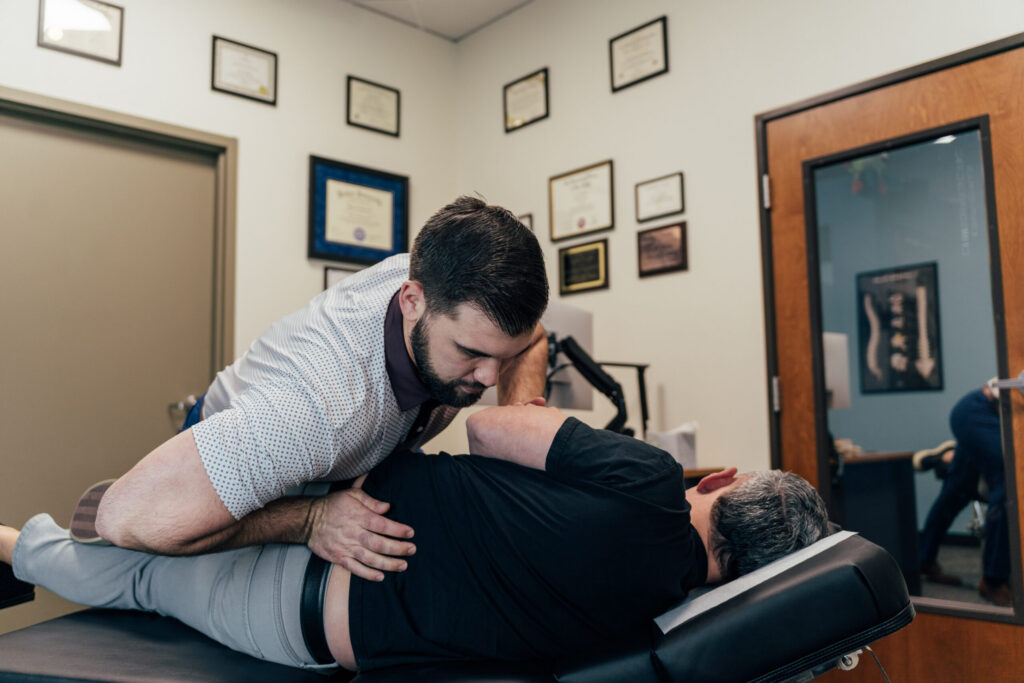

Tension headaches can be a persistent nuisance, impacting your daily life and productivity. You might not realize that small changes in your routine, along with chiropractic care, can lead to significant relief. By understanding your triggers and incorporating simple stretches, you can manage and prevent these headaches effectively.
As a chiropractor, I want to share some expert tips that could make a real difference in your wellness journey. First and foremost, consider regular chiropractic adjustments. These adjustments help align your spine, reduce muscle tension, and improve overall nervous system function, which can alleviate headache symptoms.
In addition to chiropractic care, here are some practical strategies you can incorporate into your daily routine:
- Stay Hydrated: Dehydration can lead to headaches, so make sure you’re drinking plenty of water throughout the day.
- Practice Good Posture: Be mindful of your posture, especially if you spend long hours sitting. Ensure your workstation is ergonomically set up to reduce strain on your neck and back.
- Take Breaks: If you’re engaged in activities that require prolonged focus, like computer work, take regular breaks. Stand up, stretch, and move around to relieve tension.
- Incorporate Gentle Stretches: Simple neck and shoulder stretches can help release built-up tension. Try rolling your shoulders back and gently tilting your head side to side.
- Manage Stress: Consider incorporating stress-relief techniques such as deep breathing, meditation, or yoga into your routine to help reduce headache triggers.
- Get Enough Sleep: Quality sleep is vital for overall health. Aim for 7-9 hours of restful sleep each night to support your body’s healing processes.
By prioritizing chiropractic care and making these simple lifestyle adjustments, you can effectively manage and prevent tension headaches. Remember, your spine plays a crucial role in your overall health, so taking care of it is essential for a pain-free life. If you’re struggling with tension headaches, don’t hesitate to reach out for a consultation to discuss the best approach for your individual needs. Your path to natural wellness starts here!
Key Takeaways
- Use a warm compress on your neck and shoulders to help ease muscle tension and encourage relaxation. This simple technique can enhance the benefits of your chiropractic care by promoting a relaxed state.
- Incorporate gentle neck and shoulder stretches into your daily routine. These stretches can help relieve tightness, improve flexibility, and complement the adjustments you receive in chiropractic sessions.
- Stay hydrated by drinking plenty of water throughout the day. Proper hydration is essential for overall health and can help prevent dehydration-related headaches, allowing your body to function optimally.
- Pay attention to your posture while sitting for long periods. Maintaining good posture not only reduces strain on your neck and shoulders but also supports spinal health—an essential aspect of chiropractic care.
- Explore relaxation techniques such as deep breathing, yoga, or mindfulness. These practices can effectively manage stress and tension, enhancing the overall benefits of your chiropractic treatments and contributing to your well-being.
Remember, regular chiropractic care can help address the root causes of tension headaches and support your journey to a healthier, pain-free life.
Understanding Tension Headaches
Tension headaches are the most common type of headache and can occur unexpectedly, often triggered by stress, poor posture, or muscle tension. You might experience a dull, aching pain on both sides of your head, accompanied by tightness around your forehead or neck. These headaches can last anywhere from 30 minutes to several days, which can leave you feeling tired and irritable.
Understanding how tension headaches affect you is essential for effective management. Unlike migraines, tension headaches typically don’t come with nausea or vomiting. However, you might notice sensitivity to light or sound, which can hinder your ability to focus on daily tasks or enjoy moments with friends and family.
Recognizing the signs and symptoms of tension headaches is crucial. Chiropractic care offers a natural approach to alleviate pain and promote wellness. A chiropractor can help address the underlying causes of tension headaches, such as muscle imbalances or spinal misalignments, through gentle adjustments and targeted therapies.
In addition to chiropractic treatment, there are some simple tips you can incorporate into your daily routine to help reduce the frequency and severity of tension headaches:
- Practice Good Posture: Maintaining proper posture while sitting, standing, and working can help reduce muscle tension in your neck and shoulders.
- Stay Hydrated: Drinking plenty of water throughout the day can prevent dehydration, which is a common headache trigger.
- Manage Stress: Engage in relaxation techniques such as deep breathing, meditation, or yoga to help manage stress levels.
- Take Breaks: If you spend long hours at a desk, make sure to take regular breaks to stretch and relieve muscle tension.
- Keep a Headache Diary: Tracking your headaches can help you identify patterns and triggers, making it easier to communicate with your chiropractor about your symptoms.
Identifying Triggers and Symptoms
To effectively manage tension headaches, it’s important to identify what triggers them. Common factors such as stress, poor posture, and lack of sleep can all contribute to your discomfort. As a local chiropractor, I want to share how understanding these triggers can lead to natural healing and improved well-being.
Recognizing key symptoms is essential, as it allows you to take proactive steps to address the issue before it escalates. For instance, if you notice tension building in your neck and shoulders, or if you experience dull pain around your forehead, these can be signs that it’s time to focus on your spinal health.
Chiropractic care is an excellent way to relieve tension headaches naturally. By ensuring your spine is aligned and your posture is correct, you can significantly reduce the frequency and intensity of your headaches.
Regular chiropractic adjustments not only address the underlying issues but also promote overall wellness by enhancing your body’s natural ability to heal.
Additionally, here are some general tips to help you manage tension headaches:
- Practice Good Posture: Make a conscious effort to sit and stand tall, keeping your shoulders back and your head aligned over your spine.
- Stay Hydrated: Dehydration can contribute to headaches, so be sure to drink plenty of water throughout the day.
- Manage Stress: Incorporate relaxation techniques such as deep breathing, meditation, or yoga into your daily routine to help alleviate stress.
- Get Quality Sleep: Aim for a consistent sleep schedule and create a restful sleeping environment to enhance your sleep quality.
- Regular Chiropractic Visits: Schedule regular check-ups with your chiropractor to maintain spinal health and prevent headaches from occurring.
By focusing on these lifestyle changes and prioritizing chiropractic care, you can achieve optimal health and effectively manage tension headaches without the need for invasive treatments.
Common Trigger Factors
Identifying common trigger factors is crucial for effectively managing tension headaches, and as a chiropractor, I want to share insights that can help you find relief naturally. You might notice that certain situations or habits can spark your headaches. Stress is a significant contributor; when you feel overwhelmed, your muscles can tense up, leading to discomfort. This is where chiropractic care can make a difference by helping to relieve tension in your neck and shoulders through gentle adjustments.
Another common trigger is poor posture, especially while sitting or using devices. Maintaining proper alignment not only helps prevent headaches but also supports your overall spinal health. Remember to take regular breaks, stretch, and practice good posture throughout your day.
Staying hydrated is also vital for preventing headaches. Dehydration can worsen discomfort, so make a habit of drinking water regularly—it’s a simple step that can have a big impact. Additionally, prioritizing quality sleep and maintaining a consistent sleep routine can significantly reduce the likelihood of headaches.
Skipping meals or consuming too much caffeine can also lead to discomfort. Aim for regular, balanced meals and consider moderating your caffeine intake to keep your body feeling its best.
Recognizing Key Symptoms
Recognizing the symptoms of tension headaches is crucial for managing them effectively and achieving optimal health. You may notice a dull, aching pain that wraps around your forehead, temples, or the back of your head, often described as a tight band squeezing your skull. It’s important to also pay attention to accompanying symptoms such as sensitivity to light or sound, fatigue, and difficulty concentrating.
Common triggers for these headaches include stress, poor posture, and extended periods spent in front of screens. Being mindful of when these headaches arise can help you identify patterns and specific triggers. One effective method is to keep a headache diary, which can aid you in recognizing what might be contributing to your discomfort.
As a chiropractor, I want to emphasize the benefits of natural healing methods, such as spinal adjustments, which can help alleviate tension and improve overall wellness. Maintaining good posture, taking regular breaks from screens, and practicing relaxation techniques can also be beneficial in preventing tension headaches.
Effective Lifestyle Changes
To effectively manage tension headaches, it’s essential to prioritize hydration, nutrition, and gentle stress management techniques in your daily routine. Staying well-hydrated and enjoying balanced meals can significantly influence how your body copes with stress, which often contributes to headaches.
Incorporating chiropractic care into your wellness routine can be an excellent way to address the underlying causes of tension headaches. Regular chiropractic adjustments can help align your spine, relieve muscle tension, and promote better overall health.
By improving your spinal health, you may find that your headaches become less frequent and less intense.
In addition to chiropractic care, here are some simple tips to enhance your lifestyle and support headache relief:
- Stay Hydrated: Aim for at least 8 glasses of water a day. Dehydration can trigger headaches, so keep a water bottle handy.
- Eat Balanced Meals: Focus on whole foods rich in vitamins and minerals. Foods like leafy greens, nuts, and lean proteins can nourish your body and help reduce stress.
- Practice Stress Management: Incorporate techniques such as deep breathing exercises, gentle yoga, or mindfulness meditation into your routine.
- Maintain Good Posture: Pay attention to your body alignment, especially if you spend long hours at a desk. Proper posture can help prevent tension build-up in your neck and shoulders.
- Regular Chiropractic Visits: Make chiropractic care a part of your routine to promote spinal health and alleviate tension in your muscles.
By making these lifestyle changes and prioritizing chiropractic care, you can enhance your well-being and potentially reduce the impact of tension headaches on your life.
Hydration and Nutrition
Staying properly hydrated and maintaining a balanced diet are key components in managing tension headaches, and these can complement your chiropractic care for optimal health.
When your body is dehydrated, it can signal discomfort through headaches. So, aim for at least eight glasses of water a day, adjusting based on how active you are.
In addition to hydration, focus on a diet enriched with whole foods—think of colorful fruits, crunchy vegetables, lean proteins, and healthy fats.
These nutrients aren’t just good for your body; they can also help prevent headaches and support your overall well-being.
Try to limit excessive caffeine and sugar, as these can sometimes make tension headaches worse. Instead, consider eating smaller, regular meals throughout the day to keep your blood sugar levels steady.
By prioritizing hydration and nutrition alongside your chiropractic care, you’ll not only help reduce the frequency of headaches but also enhance your overall energy and mood.
Remember, chiropractic adjustments can help align your spine and relieve tension, making it easier for your body to function at its best.
Together, these practices can lead you to a healthier, happier life.
Stress Management Techniques
When daily pressures start to feel overwhelming, it’s essential to incorporate effective stress management techniques that can help alleviate tension headaches. As a chiropractor, I want to emphasize the importance of a holistic approach to wellness. One great way to start is through mindfulness or meditation. Just a few minutes each day can help you center your thoughts and promote relaxation.
Regular physical activity is another powerful ally in managing stress. Exercise releases endorphins, which are your body’s natural mood lifters. It doesn’t have to be intense; even a gentle walk can do wonders for your well-being.
Getting enough sleep is crucial as well. When you’re well-rested, you’re less likely to experience headaches, and your body is better equipped to handle stress. So, make sleep a priority for your overall health.
Don’t forget to carve out time for hobbies and activities you love. Engaging in enjoyable pursuits can provide a much-needed break from daily demands and help recharge your mind and body.
Lastly, consider journaling your thoughts and feelings. Writing can be a therapeutic way to process stress and gain clarity.
Relaxation Techniques for Immediate Relief
Amid the chaos of daily life, experiencing tension headaches can be a common issue, but incorporating relaxation techniques into your routine can provide immediate relief and promote overall wellness. As a chiropractor, I believe that these methods can complement the benefits of chiropractic care, helping you manage pain naturally. Here are some easy-to-follow techniques that you can use to ease tension headaches:
- Deep Breathing: Take a moment to close your eyes. Inhale deeply through your nose, allowing your abdomen to expand, and exhale slowly through your mouth. Doing this for just a few minutes can help lower your heart rate and reduce stress, making it a great addition to your daily routine.
- Progressive Muscle Relaxation: Start by tensing and then relaxing each muscle group in your body, beginning with your toes and working your way up to your head. This practice helps to release tension and can enhance the effects of chiropractic adjustments by promoting overall muscle relaxation.
- Visualization: Imagine a peaceful place, such as a serene beach or a calming forest. Focus on the details, like the sound of waves or the rustle of leaves. This mental imagery can distract your mind from pain and stress, providing a soothing escape.
- Mindfulness Meditation: Spend a few minutes in silence, concentrating on your breath. Acknowledge any thoughts that come to mind without judgment and let them pass by. This practice can help you connect with your body and mind, promoting relaxation and reducing headache symptoms.
Incorporating these relaxation techniques can’t only help you manage headaches but also enhance your overall well-being.
Targeted Exercises and Stretches
Incorporating targeted exercises and stretches into your daily routine can significantly help alleviate the frequency and intensity of tension headaches, and it aligns perfectly with the principles of chiropractic care. By focusing on natural healing and maintaining a healthy spine, you can find relief without the need for medications or invasive procedures.
Start with some gentle neck stretches. Simply tilt your head to one side, holding for 15 seconds, then switch to the other side. This not only helps to relieve tightness in the neck muscles but also promotes better spinal alignment, which is crucial for overall well-being.
Next, try some shoulder rolls. Lift your shoulders up towards your ears, then roll them back and down in a smooth motion. Repeat this 10 times to release tension from the upper back and improve your posture—an essential aspect of chiropractic health.
A simple upper back stretch can also be beneficial. Clasp your hands together in front of you and round your upper back, holding for 15 seconds. This stretch helps open up the chest and encourages a more upright posture, which is vital for spinal health.
Lastly, incorporate deep breathing exercises into your routine while being mindful of your posture. Whether sitting or standing, make sure to keep your spine tall, inhale deeply through your nose, and exhale slowly. This not only helps relieve tension but also promotes relaxation and enhances your overall health.
When to Seek Professional Help
If you find that your tension headaches persist despite trying various self-care techniques, it might be time to consider seeking professional help, particularly from a chiropractor.
Understanding when to reach out can make a significant difference in your journey toward relief and wellness.
Here are some signs that consulting a chiropractic professional could benefit you:
- Headaches increase in frequency: If you’re experiencing headaches more than 15 times a month, it’s a good idea to get a professional assessment to explore underlying causes.
- Pain intensity escalates: When your headaches become severe and start to interfere with your daily activities, it’s time to seek help. Chiropractic care can often address the root causes of the pain and provide effective relief.
- Accompanied by other symptoms: If you experience nausea, visual disturbances, or other neurological issues alongside your headaches, it’s important to consult a chiropractor who can evaluate your spinal health and overall well-being.
- Over-the-counter medications aren’t effective: If you find yourself relying on pain relievers more than twice a week without finding relief, consider chiropractic care as a natural and holistic approach to managing your headaches.
Chiropractors focus on aligning the spine and improving overall body function, which can lead to a reduction in headache frequency and intensity.
They employ techniques that support your body’s natural healing processes and promote better health without the need for medications or surgeries.
Remember, your well-being is a priority.
Don’t hesitate to seek guidance from a chiropractor who can help determine the best course of action for your specific needs.
In addition to seeking professional help, here are some general tips you can apply to support your health:
- Stay Hydrated: Drink plenty of water throughout the day to keep your body functioning optimally.
- Maintain Good Posture: Pay attention to your posture, especially if you spend long hours sitting. Good spinal alignment can help reduce strain.
- Manage Stress: Incorporate relaxation techniques such as deep breathing, meditation, or gentle yoga into your routine.
- Get Regular Exercise: Engage in activities that promote overall wellness, which can also help alleviate tension headaches.
Conclusion
Incorporating these expert tips can help you effectively manage and relieve tension headaches, all while promoting your overall well-being. Understanding your triggers is essential, and by making simple lifestyle changes, you can significantly reduce the frequency and intensity of your headaches.
One of the best ways to find relief is through chiropractic care. A chiropractor can help identify misalignments in your spine that may be contributing to your tension headaches. By addressing these issues, you not only receive immediate relief but also work towards preventing future headaches.
In addition to chiropractic adjustments, practicing relaxation techniques such as deep breathing or meditation can be beneficial. Engaging in targeted stretches can also provide immediate relief – focus on the neck and shoulder areas, as they often hold tension that leads to headaches.
Don’t forget to stay hydrated and maintain a balanced diet, as proper nutrition can play a key role in how your body responds to stress and tension. If you find that your headaches persist or worsen, seeking guidance from a chiropractic professional can provide personalized strategies tailored to your needs.
With a proactive approach that includes chiropractic care, you can take charge of your health and enjoy a more headache-free life. Remember, natural healing through chiropractic is a powerful way to enhance your overall wellness.