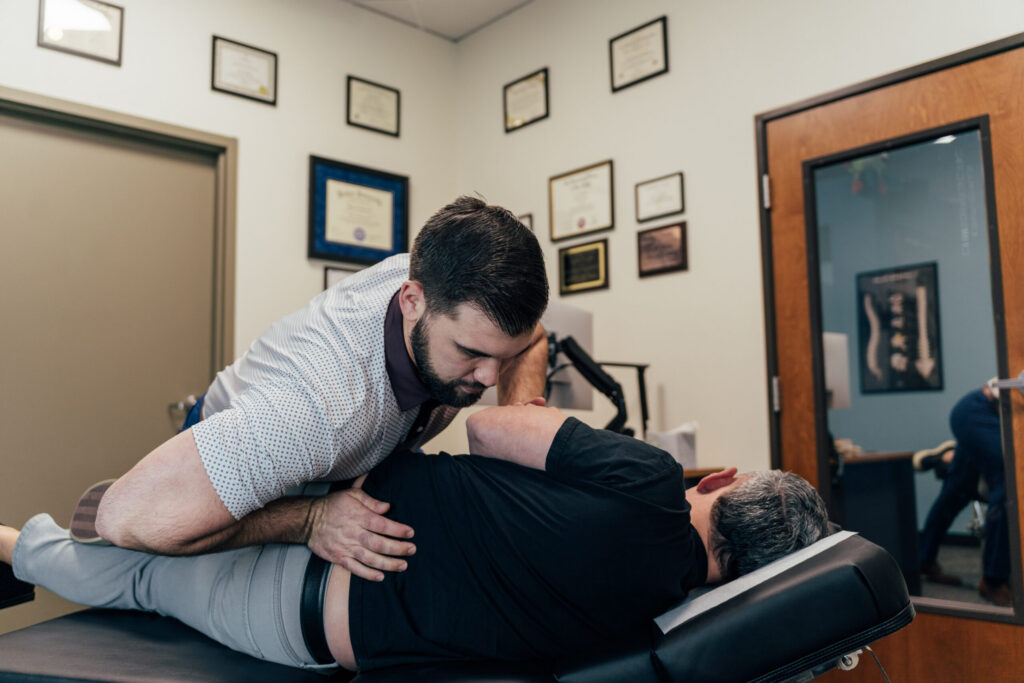

Tension headaches can really disrupt your daily routine and focus, but there’s no need to just suffer through them. As a chiropractor, I want to share some insights into how you can find relief naturally, without the need for medications or surgeries. Understanding the causes and symptoms of tension headaches is the first step toward effective relief.
One of the most common culprits behind tension headaches is poor posture. When your spine is misaligned, it can lead to muscle tension and discomfort. Regular chiropractic adjustments can help restore proper alignment, reducing strain on your muscles and nerves. This not only alleviates tension headaches but also promotes overall spinal health.
In addition to chiropractic care, there are several simple techniques you can incorporate into your daily routine. Here are a few tips to help you manage and prevent tension headaches:
- Practice Good Posture: Pay attention to how you sit and stand. Keeping your spine aligned can reduce muscle tension. Try to keep your shoulders back and your head aligned with your spine.
- Stay Hydrated: Dehydration can contribute to headaches. Make sure you’re drinking enough water throughout the day.
- Take Breaks: If you find yourself working at a desk for long periods, take regular breaks to stretch and move around. This helps relieve tension that can build up in your neck and shoulders.
- Use Relaxation Techniques: Incorporate practices like deep breathing, meditation, or gentle yoga into your routine. These can help reduce stress and tension in your body.
- Heat Therapy: Applying a warm compress to your neck and shoulders can help relax tight muscles and alleviate pain.
By focusing on these natural methods, you can find effective relief from tension headaches and improve your overall well-being. Remember, chiropractic care is a powerful tool in achieving optimal health and wellness. If you’re experiencing frequent tension headaches, consider visiting a chiropractor who can provide personalized care and guidance tailored to your needs. Let’s work together to help you feel your best!
Key Takeaways
Relieve Tension Headaches With Effective Techniques
As a local chiropractor, I want to share some practical tips to help you alleviate tension headaches and promote overall wellness through natural methods. Here are some simple strategies you can incorporate into your daily routine:
- Stay Hydrated: Drinking plenty of water throughout the day is essential. Dehydration can lead to headaches, so make it a habit to sip water regularly. Proper hydration supports your spinal health and overall well-being.
- Maintain Good Posture: It’s important to keep your spine aligned while working. Ensure your computer screen is at eye level and invest in a chair that supports your lower back. Good posture not only prevents headaches but also reduces strain on your spine.
- Take Regular Breaks: If you’re at a desk for long periods, remember to take breaks. Stand up, stretch, and move around to relieve muscle tension. This practice can help prevent headaches and improve circulation, benefiting your spinal health.
- Practice Deep Breathing: Deep breathing exercises are a great way to promote relaxation and ease tension. By taking a few moments to breathe deeply, you can soothe your mind and body, which may help reduce the frequency of headaches.
- Track Your Triggers: Keeping a headache diary can be very useful. By noting when headaches occur, you can identify patterns and triggers. This knowledge can empower you to make lifestyle adjustments and seek chiropractic care to address the root causes of your headaches.
Chiropractic care is a natural and effective way to achieve optimal health. Regular adjustments can help align your spine, relieve tension, and improve your overall quality of life. If you’re struggling with tension headaches, consider visiting your chiropractor for personalized care that addresses your specific needs. Your journey to wellness starts with making informed choices about your health!
Understanding Tension Headaches
Tension headaches can be quite bothersome, often sparked by stress or muscle tension. You may experience a persistent, dull ache that wraps around your head, making it difficult to focus on your day-to-day tasks. This discomfort can also extend to your neck and shoulders, leaving you feeling fatigued and drained.
Unlike migraines, tension headaches typically don’t involve nausea or an increased sensitivity to light and sound. However, they can stick around for hours or even days, interfering with your normal activities. You might find that certain postures, like slouching at your desk, can worsen the pain.
As a chiropractor, I believe that understanding the nature of tension headaches is crucial for effective management. By recognizing the early warning signs and addressing the factors that contribute to your pain, you can take proactive steps toward relief.
Here are some tips to help you manage tension headaches naturally:
- Maintain Good Posture: Be mindful of your posture while sitting or standing. Keeping your spine aligned can help reduce muscle tension.
- Practice Stress Management: Incorporate relaxation techniques such as deep breathing, meditation, or gentle yoga to help manage stress levels.
- Stay Hydrated: Dehydration can lead to headaches, so make sure to drink plenty of water throughout the day.
- Regular Chiropractic Care: Visiting a chiropractor can help address spinal misalignments and muscle tension, providing you with effective relief from tension headaches.
- Stretch and Move: Incorporate regular stretching and movement into your routine to relieve built-up tension in your muscles.
Identifying Triggers and Symptoms
Identifying the triggers and symptoms of tension headaches is crucial for effective management, and as a chiropractor, I understand how important it’s to tackle these issues naturally. Start by observing when your headaches tend to occur. Do they appear after long hours at the computer, during stressful days, or following poor sleep? Recognizing these patterns can shed light on the root causes of your discomfort.
Common symptoms of tension headaches include a dull, aching pain, tightness around your forehead, and tenderness in your neck and shoulders. You may also experience fatigue or irritability. A helpful tip is to keep a headache diary where you can track not only your symptoms but also potential triggers—such as caffeine intake, dehydration, or emotional stress. This can be a valuable tool in identifying what may be intensifying your headaches.
Once you’ve pinpointed your triggers, consider implementing some natural strategies to address them. Regular chiropractic care can significantly alleviate tension in your body, particularly in the neck and shoulders, which are often contributors to headache pain. Furthermore, maintaining good posture while working, taking breaks to stretch, and practicing relaxation techniques can all help manage stress and reduce headache frequency.
With a little awareness and the support of chiropractic care, you can take control of your health and minimize the impact of tension headaches on your daily life. Remember, a holistic approach to wellness is key, and chiropractic care is an excellent choice for achieving natural relief and optimal health.
Practicing Good Posture
Good posture is essential not only for maintaining a healthy spine but also for preventing tension headaches. Poor alignment can create unnecessary strain on your neck and back, leading to discomfort and headaches that disrupt your daily life. As a chiropractor, I want to emphasize the importance of good posture as a natural way to support your well-being.
To improve your posture, begin by sitting or standing tall. Imagine a string pulling the top of your head towards the ceiling. Keep your shoulders back and relaxed, ensuring that your ears are aligned with your shoulders and your chin is parallel to the ground. If you work at a desk, position your computer screen at eye level and choose a chair that provides proper support for your lower back.
When walking, engage your core muscles and distribute your weight evenly on both feet. This not only helps with balance but also alleviates pressure on your spine. Throughout the day, make it a habit to check in with your posture—this simple action can reinforce healthy habits and significantly reduce tension in your body.
Incorporating Regular Exercise
Incorporating regular exercise into your daily routine can significantly help alleviate tension headaches and enhance your overall well-being. As a chiropractor, I often see how physical activity boosts blood circulation, which can ease headache symptoms and reduce stress levels. You don’t have to engage in intense workouts; even moderate activities like walking, stretching, or practicing yoga can be very effective. Aim for at least 30 minutes of movement most days of the week to stay on track.
Finding activities you genuinely enjoy is key to making exercise a regular part of your life. Whether it’s dancing, biking, or swimming, keeping it fun will encourage you to stick with your routine. Remember to listen to your body; if you’re feeling sore or fatigued, it’s perfectly fine to adjust your intensity and take it easy.
Additionally, engaging in regular exercise releases endorphins, which are natural pain relievers that can elevate your mood and promote relaxation. Over time, consistent physical activity can lead to better sleep patterns, which can further reduce the occurrence of headaches.
As a chiropractor, I emphasize the importance of movement in your life. Not only does it support spinal health, but it can also help you manage pain naturally. Prioritize incorporating these activities into your day, and you may notice a significant reduction in your tension headaches. Remember, chiropractic care is an excellent complement to your exercise routine, helping to align your spine and optimize your body’s ability to heal itself.
Utilizing Relaxation Techniques
Once you’ve established a consistent exercise routine, it’s essential to explore additional methods for managing tension headaches. One highly effective way to find relief is by utilizing relaxation techniques that help soothe both your mind and body. These practices can complement your chiropractic care and enhance your overall well-being. Here are some simple methods you can incorporate into your daily life:
- Deep Breathing: Take a moment to inhale slowly through your nose, filling your lungs completely, then exhale gently through your mouth. This straightforward technique can help ease tension and promote a sense of relaxation, allowing your body to respond better to chiropractic adjustments.
- Progressive Muscle Relaxation: Start from your toes and work your way up, tensing each muscle group for a few seconds before releasing. This practice helps alleviate built-up tension in your body and can enhance the effects of your chiropractic treatments.
- Mindfulness Meditation: Find a quiet space, close your eyes, and focus on your breath. Allow any thoughts to pass without judgment, cultivating a sense of peace. This practice not only helps reduce stress but also supports the healing process initiated by chiropractic care.
Integrating these relaxation techniques into your routine can significantly diminish tension headaches, making your days feel lighter and more manageable.
Applying Heat or Cold Therapy
When you’re experiencing tension headaches, finding relief is essential, and using heat or cold therapy can be an effective first step. As a chiropractor, I want to emphasize that these methods can complement your overall wellness journey, especially when paired with chiropractic care, which addresses the root causes of pain.
Heat therapy can be incredibly beneficial for relaxing tight muscles and improving blood flow. This increased circulation can help alleviate tension in the neck and shoulders, which are common culprits in tension headaches. You might consider using a warm compress or a heating pad on the affected area for about 15-20 minutes. Remember, it’s important to ensure the heat isn’t too intense to avoid burns.
On the other hand, cold therapy can be effective in numbing pain and reducing inflammation. Applying a cold pack wrapped in a cloth to your forehead or neck can provide quick relief. Just be sure to limit your application to around 15 minutes to prevent skin damage.
While heat and cold therapy can provide temporary relief, they’re most effective when used in conjunction with chiropractic adjustments. These adjustments can help realign your spine, relieve nerve pressure, and promote better overall function of your body.
Remember, maintaining a healthy posture and taking regular breaks from screen time can also help prevent tension headaches from returning. Incorporating stretches and exercises to strengthen your neck and back can further support your spinal health.
For lasting relief and a comprehensive approach to your well-being, consider scheduling a visit with a chiropractor. Together, we can create a tailored plan that addresses your specific needs and helps you achieve optimal health naturally.
Benefits of Heat Therapy
Applying heat therapy can be a gentle and effective way to alleviate tension headaches, particularly when you’re experiencing tightness in your neck and shoulders.
The warmth from heat therapy helps to relax your muscles, improve blood circulation, and ease discomfort.
After a session of heat therapy, you may find yourself feeling more relaxed and less stressed.
Here are some benefits of incorporating heat therapy into your routine:
- A warm towel wrapped around your shoulders can help to melt away stiffness and tension.
- A heating pad placed on your neck radiates soothing heat, promoting relaxation and comfort.
- Warm herbal compresses not only provide heat but also release calming scents that enhance your overall sense of well-being.
While heat therapy can be beneficial, it’s essential to remember that regular chiropractic care is the key to achieving optimal health and pain relief.
Chiropractors focus on aligning the spine and improving overall body function, which can help reduce the frequency and intensity of headaches.
In addition to heat therapy, consider these simple tips to support your wellness journey:
- Stay Hydrated: Drinking plenty of water can help prevent headaches caused by dehydration.
- Practice Good Posture: Maintaining proper posture can reduce strain on your neck and shoulders, ultimately minimizing headache triggers.
- Incorporate Stretching: Gentle neck and shoulder stretches can help relieve tension and promote relaxation.
By integrating these practices into your daily life, along with regular chiropractic adjustments, you can experience a more balanced and pain-free lifestyle.
Advantages of Cold Therapy
While heat therapy can be comforting, cold therapy has some fantastic benefits, especially for those dealing with tension headaches. Applying cold to your forehead or neck can help constrict blood vessels, which reduces inflammation and numbs pain—offering quick relief right when you need it. This can be especially helpful during the early stages of a headache.
Cold therapy also encourages the release of endorphins, your body’s natural painkillers, helping you feel better overall. You can easily use ice packs, cold compresses, or even a chilled towel to experience these advantages. Plus, it’s a simple, cost-effective method that you can do anywhere and anytime, making it a practical addition to your wellness routine.
Just be sure to limit the application to 15-20 minutes to protect your skin. Incorporating cold therapy into your self-care regimen can significantly enhance your headache relief strategy.
As a chiropractor, I emphasize the importance of understanding your body and exploring natural healing methods. Alongside cold therapy, regular chiropractic adjustments can help address the underlying issues that contribute to headaches by aligning the spine and easing muscle tension. Remember, taking steps toward a healthier lifestyle, such as staying hydrated, managing stress, and maintaining good posture, can all play a vital role in reducing headaches and improving your overall well-being.
Exploring Massage and Acupressure
When you’re experiencing tension headaches, chiropractic care can provide significant relief by addressing the root cause of muscle tightness and promoting overall relaxation.
By incorporating gentle adjustments and spinal realignment, you can alleviate pain and restore proper function to your nervous system.
In addition to chiropractic adjustments, knowing the right acupressure points to target can enhance your healing experience.
Applying pressure to these points can help ease discomfort and tension, complementing the benefits of chiropractic care.
Here are some tips to help you manage tension headaches naturally:
- Stay Hydrated: Dehydration can contribute to headaches. Make sure to drink plenty of water throughout the day.
- Practice Good Posture: Poor posture can lead to muscle tension. Be mindful of your posture while sitting and standing to reduce strain on your neck and spine.
- Take Breaks: If you spend long hours at a desk, take regular breaks to stretch and move around. This can help prevent muscle tightness.
- Incorporate Stress-Relief Techniques: Activities like deep breathing, yoga, or meditation can help reduce stress and tension, contributing to fewer headaches.
- Consider Regular Chiropractic Visits: Routine chiropractic care can keep your spine aligned and help prevent tension headaches from recurring.
By focusing on these natural approaches, you can support your body’s healing process and promote better overall health without the need for medications or invasive procedures.
Benefits of Massage Therapy
Massage therapy is often regarded as a complementary approach to relieving tension headaches, but chiropractic care takes it a step further by addressing the root causes of pain and discomfort in the spine.
As a chiropractor, I want to emphasize the importance of maintaining a healthy spine for overall wellness. Here are some benefits of chiropractic care that can help you achieve optimal health and naturally alleviate tension headaches:
- Spinal Adjustments: Gentle adjustments can realign your spine, reducing pressure on nerves and muscles that may contribute to headache pain. This not only alleviates discomfort but also improves your overall function.
- Holistic Healing: Chiropractic care focuses on the whole body, promoting natural healing without the need for medications or surgeries. By enhancing spinal health, you support your entire nervous system, which can help prevent headaches from occurring in the first place.
- Stress Relief: Regular chiropractic visits can help reduce stress and tension in your body. Many patients experience improved relaxation and a greater sense of well-being, which can help minimize headache triggers.
- Lifestyle Tips: In addition to chiropractic adjustments, consider incorporating some daily habits to support your spinal health. Staying hydrated, maintaining good posture, and taking regular breaks from prolonged screen time can all contribute to fewer headaches and better overall health.
By choosing chiropractic care, you can embrace a natural path to wellness that not only addresses pain relief but promotes a healthier lifestyle.
Acupressure Points to Target
Suffering from tension headaches? You’re not alone, and there are natural ways to find relief. One effective method is acupressure, which can complement your chiropractic care routine. It’s a great way to ease discomfort and promote relaxation without relying on medications or invasive treatments.
Let’s start with the LI4 point, which is located between your thumb and index finger. Applying firm pressure here for a few minutes can help alleviate pain and tension.
Next, locate the GB20 points at the base of your skull. Pressing deeply on these areas can relieve tension that often builds up in your head and neck—common trouble spots for many people.
Don’t overlook the Yintang point, found between your eyebrows. A gentle press here can promote relaxation and calm your mind, which is especially helpful during stressful times.
Lastly, try the PC6 point on your wrist. This area can be particularly effective for managing headaches.
Incorporating these acupressure techniques into your routine can enhance your overall well-being. However, remember that the best way to achieve and maintain optimal health is through regular chiropractic care. Your chiropractor can help ensure that your spine is aligned and functioning well, which is key to preventing and managing headaches.
Staying Hydrated and Maintaining Nutrition
Staying hydrated and ensuring proper nutrition are essential components for preventing tension headaches and maintaining overall wellness. When your body is lacking in water or vital nutrients, it can lead to discomfort and pain, affecting your spinal health and overall quality of life. Prioritizing hydration and a balanced diet can contribute significantly to your well-being, making chiropractic care even more effective.
Here are some simple yet powerful tips to keep your body and mind in top shape, which can also enhance the benefits of chiropractic adjustments:
- Fresh fruits and vegetables: These are loaded with vitamins and antioxidants that help combat inflammation and support your body’s natural healing processes. Aim to fill your plate with a variety of colorful produce to maximize your nutrient intake.
- Lean proteins: Incorporate foods like chicken, fish, or plant-based options such as beans into your meals. These proteins provide the energy your muscles and brain need to stay strong and focused, supporting your overall health and vitality.
- Whole grains: Opt for whole grains like brown rice or quinoa. These foods release energy slowly, helping to stabilize your blood sugar levels, which can prevent headaches and keep your energy steady throughout the day.
In addition to these dietary choices, remember that chiropractic care can play a vital role in your journey toward optimal health. Regular adjustments can improve spinal alignment, reduce tension, and enhance your body’s ability to absorb nutrients effectively.
By combining smart nutrition with chiropractic care, you can pave the way for a healthier, pain-free life.
Stay proactive about your health, and always consider integrating these habits into your daily routine to support your well-being and complement your chiropractic treatments.
Managing Stress Through Mindfulness
Managing stress is crucial for alleviating tension headaches, and chiropractic care can play a significant role in this journey to better health. By aligning your spine and improving your nervous system function, chiropractic adjustments can enhance your body’s ability to manage stress effectively.
In addition to regular chiropractic visits, you can also adopt some simple mindfulness practices to support your overall well-being. Start with breathing exercises to calm your mind—deep, intentional breaths can help reduce tension and promote relaxation. Guided meditation techniques can further enhance your focus, making it easier to navigate daily stressors.
Incorporating mindfulness into your daily routine can be as straightforward as taking a few moments to reflect and appreciate your surroundings. Remember, a well-aligned spine contributes to overall health, allowing your body to function optimally and handle stress with greater ease.
Breathing Exercises Benefits
Breathing exercises can significantly enhance your ability to cope with stress, offering a straightforward yet powerful method to promote mindfulness in your daily life. By focusing on your breath, you can ground yourself in the present moment and foster a sense of calm, which is essential for maintaining overall wellness and spinal health.
Here are some benefits you’ll experience:
- Increased relaxation: Feel the tension melt away as you take deep, intentional breaths. This relaxation can help reduce strain on your spine, promoting better posture and alignment.
- Improved focus: Notice how your mind clears, allowing you to concentrate on what’s truly important. A clear mind can lead to better decision-making, particularly regarding your health and wellness choices.
- Better emotional regulation: Gain control over your reactions, helping you respond to stressors with clarity and composure. Managing your emotions effectively can prevent tension buildup in your body, which is often reflected in musculoskeletal pain.
Incorporating breathing exercises into your daily routine can transform your approach to stress and pain management. It can also complement chiropractic care, which focuses on natural healing and optimal health.
Together, these practices can help alleviate tension headaches and enhance your overall well-being.
Guided Meditation Techniques
Combining mindfulness practices like breathing exercises with guided meditation can be an excellent way to manage stress and support your overall health, especially when paired with chiropractic care. As a chiropractor, I encourage you to incorporate these techniques into your routine to help alleviate discomfort and promote well-being.
When you engage in guided meditation, you allow a soothing voice to guide you through calming visualizations and mindful reflections, which can enhance your chiropractic treatment. This practice helps you focus your mind and reduces the clutter that often contributes to tension headaches and other discomforts.
To get started, find a quiet space where you can sit comfortably. You can use an app or a recording to guide your meditation. As you listen, pay attention to your breath—this is a crucial part of the process. Let go of distractions and visualize a peaceful scene. Imagine yourself in a serene location, free from stress, and allow yourself to become fully immersed in this calming atmosphere.
Regularly practicing guided meditation alongside chiropractic adjustments can improve your ability to cope with stress, making it easier to relax and release tension throughout your body. Remember that chiropractic care is designed to support your spinal health and overall wellness, so consider scheduling regular visits to your chiropractor as part of your holistic approach to well-being.
In addition to meditation, here are some simple tips to enhance your health naturally:
- Stay hydrated—drinking plenty of water helps keep your body functioning optimally.
- Maintain good posture—being mindful of your posture can help prevent tension in your spine.
- Take breaks—whether you’re working at a desk or engaging in physical activity, take short breaks to stretch and move around.
- Practice deep breathing—take a moment each day to focus on your breath, inhaling deeply and exhaling slowly.
Mindfulness in Daily Life
Mindfulness often plays an essential role in daily life, especially when it comes to managing stress and maintaining overall wellness. As a chiropractor, I believe that incorporating mindfulness practices into your routine can’t only enhance your mental health but also support your spinal health and overall well-being.
Here are a few techniques to help you cultivate mindfulness and promote natural healing:
- Breath Awareness: Start by taking a moment to focus on your breath. Notice each inhale and exhale, allowing it to calm your mind and body. Deep, mindful breathing can help reduce muscle tension and promote relaxation, which is vital for spinal health.
- Mindful Eating: Transform your meals into a mindful experience. Savor each bite, paying attention to the flavors and textures. This practice not only enhances your enjoyment of food but also encourages healthier eating habits that can support your overall wellness and vitality.
- Nature Walks: Spend time outdoors, immersing yourself in the beauty of nature. Observing the colors of the leaves, listening to the sounds of birds, and feeling the breeze on your skin can help you reconnect with your body and reduce stress. Plus, regular walks can promote better posture and spinal alignment.
When to Seek Professional Help
While most tension headaches can often be managed naturally at home, there are specific situations where seeking professional help becomes crucial. If you notice your headaches becoming more frequent, intense, or interfering with your daily activities, it’s important to consult a chiropractor. They specialize in understanding how spinal health impacts overall well-being, and they can provide tailored care to address the root causes of your headaches.
Additionally, if your headaches come with other symptoms like nausea, vision changes, or confusion, it’s wise to reach out for professional guidance. These could indicate underlying issues that need attention. Remember, chiropractic care focuses on natural healing and wellness, helping to alleviate pain without the need for medications or invasive treatments.
If over-the-counter pain relievers aren’t giving you the relief you seek, or if you find yourself relying on them too often, a chiropractor can help. They’ll work with you to explore natural treatment options aimed at restoring balance and function to your body.
It’s also essential to pay attention to any changes in the pattern or intensity of your headaches. Such changes can be signals that it’s time for a comprehensive evaluation. By prioritizing your health and considering chiropractic care, you can unlock effective solutions for managing your tension headaches while promoting overall wellness.
To support your journey towards relief, consider incorporating some simple lifestyle tips: maintain proper hydration, practice good posture, and incorporate stress-reducing activities such as yoga or mindfulness into your routine. These practices, combined with chiropractic care, can enhance your quality of life and help you achieve optimal health.
Conclusion
By adopting these effective techniques, you can significantly relieve tension headaches and enhance your overall wellness while also recognizing the benefits of chiropractic care. Start by paying attention to your posture; maintaining good alignment can prevent unnecessary strain on your spine and muscles. Remember to take regular breaks, especially if you work at a desk, to stretch and move around. Staying hydrated is also crucial, as dehydration can contribute to headaches.
Incorporating relaxation techniques such as deep breathing or gentle yoga can help reduce stress levels, which are often linked to tension headaches. Additionally, consider exploring natural therapies like massage or acupressure for added relief. However, chiropractic care stands out as a powerful option for managing tension headaches. Chiropractors are skilled in spinal adjustments that can relieve tension in the neck and shoulders, directly addressing the underlying issues that contribute to headache pain.
Most importantly, listen to your body. If headaches persist, it’s essential to consult with a chiropractor who can provide personalized care and guidance. With a proactive approach focused on natural healing, you can effectively manage tension headaches and live a healthier, more vibrant life. Remember, chiropractic care is a holistic path towards optimal health and well-being.