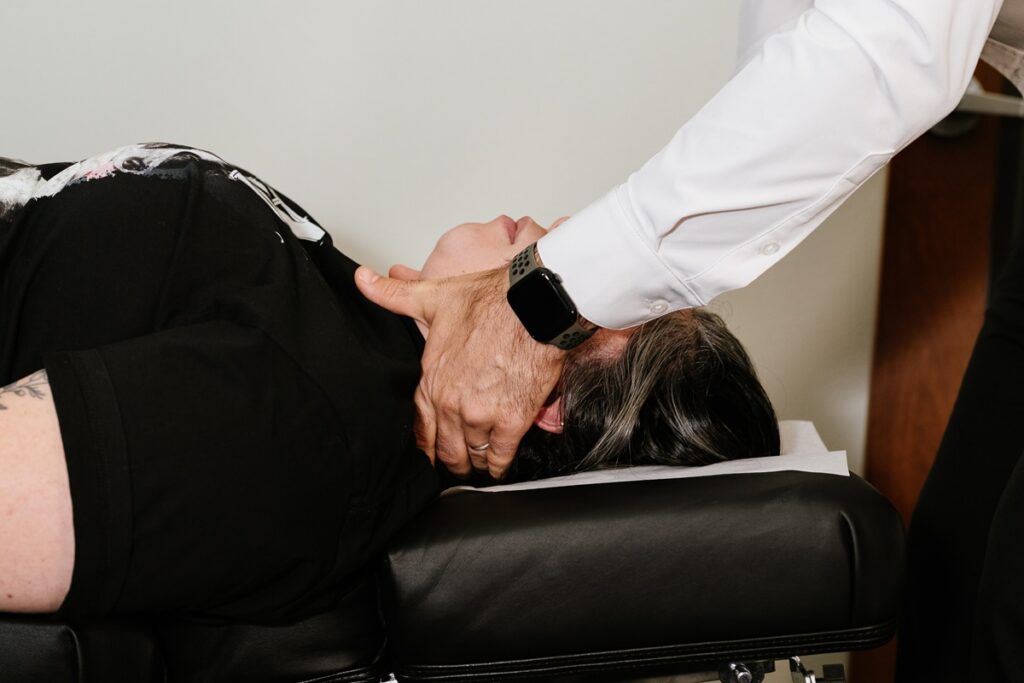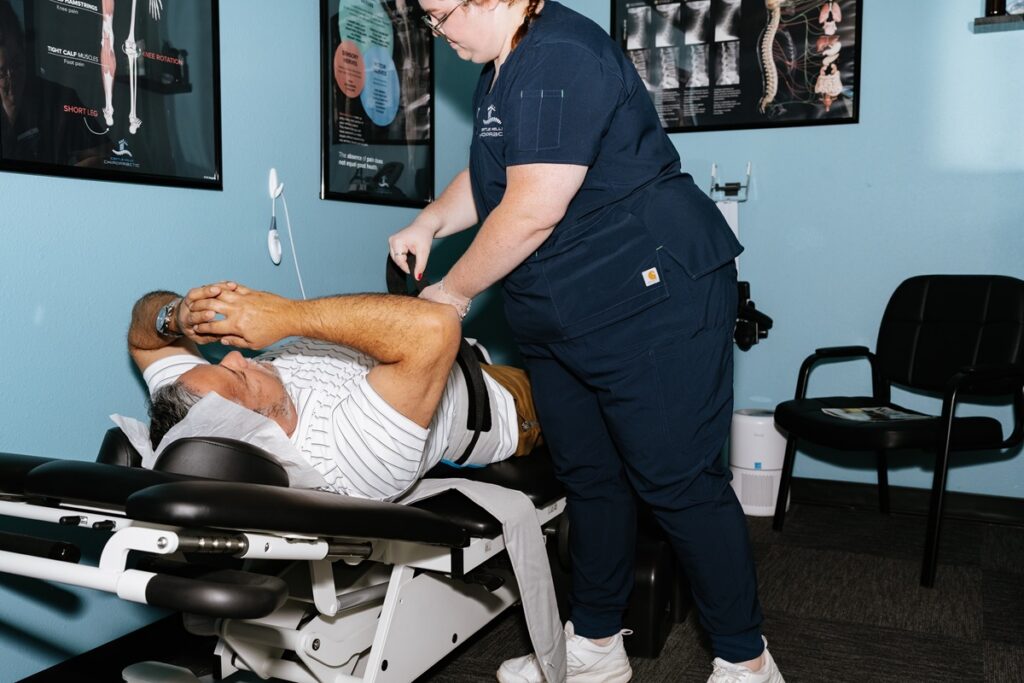

As a local chiropractor, I want to share some insights for those of you who may be struggling with painful posture. You’re certainly not alone in this challenge. Many individuals face issues with their posture, often unaware of the long-term consequences it can have on their overall health. It’s crucial to understand the underlying causes of these postural problems, but it’s equally important to know how to effectively address them.
There are several techniques that can help you correct your posture and alleviate discomfort. Through chiropractic care, we focus on natural healing methods that can make a significant difference in your daily life. Let’s take a closer look at some reliable strategies that can help restore balance and improve your posture, ensuring a healthier and more comfortable future. Remember, taking proactive steps towards your posture can lead to long-term relief and well-being.
Understanding the Importance of Good Posture
As a chiropractor, I want to emphasize that good posture isn’t just about projecting confidence; it’s crucial for your overall health. Maintaining proper alignment can significantly reduce your risk of pain and injury, particularly in your back and neck, which we often see in our practice. When your posture is correct, your muscles and joints function more efficiently, leading to less fatigue and discomfort.
Moreover, good posture supports better circulation and digestion, enabling your body to operate at its best. It’s fascinating how something as simple as standing or sitting up straight can positively impact your mood and energy levels. Many people don’t realize that their body language can influence their emotions. By adopting a more upright posture, you can boost your self-esteem and even alter how others perceive you.
Incorporating good posture into your daily life can lead to long-lasting benefits for both your physical and mental well-being. Whether you’re at work or at home, it’s essential to be mindful of how you hold your body.
Common Causes of Poor Posture
As a local chiropractor, I want to help you understand the common causes of poor posture, as recognizing these factors is essential for improving your overall alignment and well-being.
Here are some frequent contributors to poor posture that I often see in my practice:
- Sedentary Lifestyle: Many of us spend long hours sitting—whether at a desk or in front of screens—which can weaken the muscles that support good posture. This often leads to slouching and discomfort.
- Improper Ergonomics: Using furniture that isn’t designed with your health in mind can exacerbate posture issues. For example, when your computer screen isn’t at eye level, it encourages you to lean forward or hunch over, which can create long-term problems.
- Muscle Imbalances: Tight or weak muscles can throw off your body’s natural alignment. If certain muscles are overly tight while others are weak, it becomes difficult to maintain the correct posture.
- Stress and Fatigue: Emotional stress can manifest physically, causing you to tense up and hunch your shoulders. Chronic stress and fatigue can lead to a cycle of discomfort and poor posture.
By understanding these causes, you can take proactive measures to improve your posture and overall health.
As a chiropractor, I’m here to guide you through effective strategies and natural healing techniques to help you achieve better alignment and feel your best.
Exercises to Strengthen Postural Muscles
As your local chiropractor, I want to emphasize the importance of strengthening certain muscle groups to improve your posture and overall well-being.
Incorporating core stability exercises, enhancing your upper back strength, and stretching your hip flexors are vital components of a comprehensive routine for better posture.
By focusing on these areas, you can’t only stand taller, but also reduce discomfort and promote a healthier spine.
Let’s dive deeper into how these exercises can benefit you and contribute to your journey towards natural healing and wellness.
Together, we can work towards achieving a balanced and pain-free posture that enhances your everyday life.
Core Stability Exercises
As a local chiropractor dedicated to your well-being, I want to emphasize the importance of good posture for your overall health. Achieving and maintaining proper posture often requires some conscious effort, and one effective way to support this is through core stability exercises.
These exercises are designed to strengthen the muscles that support your spine, enhance your balance, and help you maintain an upright position throughout your day.
Here are four core stability exercises that I recommend:
- Planks: This exercise involves holding a plank position where your body remains straight from head to heels. It’s excellent for engaging your core muscles.
- Bird-Dog: Start on all fours and extend one arm forward while simultaneously extending the opposite leg backward. This movement challenges your balance and stability, and then you can switch sides.
- Dead Bug: Lie on your back with your arms and legs raised toward the ceiling. Lower one arm and the opposite leg towards the ground while keeping your back flat on the floor. This exercise helps to coordinate your movements and strengthen your core.
- Side Planks: Lie on your side and lift your body, using one forearm for support. This position targets the oblique muscles and promotes lateral stability.
Incorporating these exercises into your routine can significantly enhance your posture and overall spinal health.
Upper Back Strengthening
As a local chiropractor, I want to emphasize the importance of strengthening your upper back for maintaining good posture, especially if you’ve been focusing on core stability exercises. Strong upper back muscles play a crucial role in supporting your spine and overall health.
Incorporating specific exercises into your routine can greatly enhance these postural muscles. For instance, you can start with rows using resistance bands or dumbbells. When performing rows, focus on pulling the weights toward your chest while keeping your elbows close to your body. This movement targets the muscles between your shoulder blades, which are vital for a strong upper back.
Another effective exercise is the reverse fly. To do this, bend slightly at the waist and lift your arms out to the side, engaging the muscles in your upper back. This exercise helps to counteract the forward hunch that many of us develop from sitting for long periods.
Scapular squeezes are also a simple yet powerful exercise. To perform this, pull your shoulder blades together and hold for a few seconds. This action helps to strengthen the muscles that support your spine and improve your posture.
I recommend including these exercises in your routine two to three times a week. As you become more comfortable and stronger, gradually increase the weight or resistance.
Over time, you’ll likely notice improvements in your posture and a reduction in any back discomfort you may have experienced. Remember, taking care of your upper back is a key component of maintaining a healthy spine and overall well-being.
If you have any questions or need guidance on how to perform these exercises safely, feel free to reach out.
Hip Flexor Stretching
As a chiropractor, I often emphasize the importance of hip flexor stretching for maintaining good posture, particularly for those of you who spend long periods sitting.
Tight hip flexors can create an imbalance in your pelvic alignment, which may lead to lower back pain and contribute to poor posture. To help counteract these issues, I encourage you to incorporate the following stretches into your daily routine:
- Kneeling Hip Flexor Stretch: Begin by kneeling on one knee, then gently push your hips forward. You should feel a nice stretch in the front of the hip. This stretch is great for releasing tension in the hip flexors.
- Standing Quad Stretch: Stand upright and grab your ankle with one hand, pulling it toward your glutes. This stretch not only targets your hip flexors but also stretches your quadriceps, promoting overall hip flexibility.
- Pigeon Pose: From a kneeling position, bring one leg forward and place it in front of you while extending the other leg back. This yoga pose opens up your hips and helps to relieve tightness.
- Butterfly Stretch: Sit down and bring the soles of your feet together. Gently press your knees down towards the floor to stretch your inner thighs and hips. This stretch is effective for improving hip mobility.
By regularly performing these stretches, you can enhance your posture and alleviate discomfort, paving the way for a healthier, more balanced body.
If you have any questions or need guidance on these stretches, feel free to reach out. Your well-being is important to me!
Stretching Techniques for Muscle Relief
As a local chiropractor, I’d like to share some valuable insights on how incorporating stretching techniques can greatly benefit your posture and overall wellbeing.
Many of my patients have found that simple neck stretching exercises, upper back stretches, and hip flexor relief can significantly reduce muscle tension and enhance flexibility.
By integrating these stretches into your daily routine, you not only alleviate discomfort but also improve your posture.
Regular practice can lead to greater comfort in your daily activities and contribute to a healthier spine.
Neck Stretching Exercises
As a chiropractor, I often see patients struggling with neck tension, which can significantly impact their daily lives. A great way to alleviate discomfort and enhance your posture is through simple neck stretching exercises.
Let me introduce you to four effective stretches that you can easily incorporate into your routine:
- Chin Tucks: Begin by sitting up straight. Gently tuck your chin towards your chest and hold this position for about 5 seconds. This exercise helps strengthen the muscles in your neck and promotes better alignment.
- Side Neck Stretch: Tilt your head to one side, aiming to bring your ear closer to your shoulder. Hold that position for 15 seconds, then switch to the other side. This stretch can help release tightness along the sides of your neck.
- Neck Rotations: Slowly rotate your head to the right, then to the left, pausing for a few seconds in each position. This movement improves flexibility and range of motion in your neck.
- Shoulder Shrugs: Raise your shoulders towards your ears and hold for a brief moment before relaxing them down. This stretch helps relieve tension in both your neck and shoulders.
Incorporating these stretches into your daily routine can lead to greater comfort and improved neck health.
Upper Back Stretches
As a local chiropractor, I want to emphasize the importance of caring for your upper back, especially when it comes to maintaining good posture and overall spinal health. Many people focus primarily on neck stretches, but your upper back deserves attention as well.
Let’s explore some effective upper back stretches that can alleviate discomfort and enhance your mobility.
To begin, find a comfortable chair and sit up straight. Clasp your hands together and extend your arms in front of you, gently rounding your upper back. This stretch helps to release tension in the muscles of your upper back. Hold this position for 15 to 30 seconds while taking deep breaths.
Next, I recommend standing up and interlacing your fingers behind your back. As you do this, gently pull your shoulders back and down to open up your chest. This stretch promotes better posture and can alleviate tightness in the upper back. Again, hold this position for 15 to 30 seconds.
Finally, let’s incorporate a dynamic movement with the cat-cow stretch. Get on all fours, and alternate between arching your back (like a cat) and rounding it (like a cow). This flowing movement not only stretches your upper back but also encourages flexibility in your spine.
Incorporating these stretches into your daily routine can help you feel more relaxed and support better posture, which is vital for your overall well-being.
Hip Flexor Relief
As a local chiropractor, I want to emphasize the importance of hip flexors in maintaining your mobility and overall posture. Many of my patients are unaware that tight hip flexors can lead to discomfort and contribute to poor posture.
That’s why incorporating stretching techniques into your daily routine is crucial for relieving tension and promoting better alignment. Here are four effective stretches I often recommend to my patients for hip flexor relief:
- Kneeling Hip Flexor Stretch: Start by kneeling on one knee, which helps to isolate the hip flexor. Gently push your hips forward and hold this position for 30 seconds to effectively stretch the muscle.
- Pigeon Pose: Begin in a tabletop position, then bring one knee forward while extending the opposite leg straight back. This pose not only stretches the hip flexors but also opens up the hips. Hold for 30 seconds on each side.
- Butterfly Stretch: Sit on the floor with your feet together, allowing your knees to fall out to the sides. Gently press your knees down toward the ground and hold for 30 seconds. This stretch helps increase flexibility and relieve tension in the hips.
- Lunge Stretch: Step forward into a lunge position, ensuring your back leg is straight. This stretch helps to open up the hip flexors and can be held for 30 seconds on each side.
Incorporating these stretches into your routine can significantly enhance your flexibility and alleviate discomfort.
As a chiropractor, I encourage you to prioritize these movements for a healthier, more balanced body. If you have any questions or need personalized guidance, feel free to reach out!
Ergonomic Workspace Setup
As a chiropractor, I want to emphasize the importance of creating an ergonomic workspace to enhance your posture and overall comfort during those long working hours.
It’s crucial to start with your chair. Make sure it’s adjusted so your feet rest flat on the floor, with your knees forming a 90-degree angle. Your back should be fully supported by the chair’s backrest to promote the natural curve of your spine, which is vital for preventing discomfort and pain.
Next, let’s talk about your desk and monitor setup. Position your desk and monitor at eye level to avoid unnecessary strain on your neck. If your monitor is too low or too high, consider using a monitor riser. Ideally, the screen should be about an arm’s length away from your eyes, which helps reduce eye strain.
Your keyboard and mouse placement is equally important. They should be positioned close enough to you that you don’t have to reach for them, allowing your elbows to remain close to your body at a comfortable 90-degree angle. This won’t only improve your posture but also reduce the risk of repetitive strain injuries.
Lastly, if your feet don’t reach the ground, I recommend using a footrest. This simple addition can help maintain proper alignment and enhance your comfort throughout the workday.
Mindfulness and Posture Awareness
As a local chiropractor, I want to emphasize the vital role mindfulness plays in improving your posture.
By practicing mindful breathing techniques, you can foster a deeper connection with your body and develop an awareness of your stance.
I encourage you to incorporate regular posture check-ins into your daily routine. This practice not only reinforces your awareness but also makes it easier to maintain proper alignment throughout your day, which is crucial for your overall health and well-being.
Mindful Breathing Techniques
As a local chiropractor, I want to share with you some effective mindful breathing techniques that can significantly enhance your posture awareness.
By concentrating on your breathing, you can create a stronger connection between your body and mind, enabling you to identify areas of tension that may be affecting your posture.
Here are four techniques I recommend for you to try:
- Diaphragmatic Breathing: Begin by inhaling deeply through your nose, allowing your diaphragm to expand fully. As you exhale slowly through your mouth, consciously release any tension you may be holding, which can contribute to poor posture.
- 4-7-8 Breathing: Inhale through your nose for a count of 4 seconds, hold your breath for 7 seconds, and then exhale through your mouth for 8 seconds. This technique calms your nervous system and encourages relaxation, which is essential for maintaining good posture.
- Box Breathing: This structured breathing method involves inhaling, holding, exhaling, and pausing for 4 counts each. Practicing box breathing can help you enhance your focus and awareness of your body, making it easier to notice and correct any postural imbalances.
- Mindful Observation: As you engage in your breathing exercises, take a moment to observe any changes in your posture. Allowing this awareness to guide you can help you make the necessary adjustments to support a healthier spine.
I encourage you to incorporate these mindful breathing techniques into your daily routine. They can greatly improve your posture and overall well-being, complementing the chiropractic care you receive.
Daily Posture Check-ins
As a local chiropractor, I often see patients who are unaware of how crucial good posture is for their overall health. Many of us tend to overlook our alignment during daily activities, which can lead to discomfort and long-term musculoskeletal issues.
To help combat this, I encourage you to incorporate daily posture check-ins into your routine. Start by setting reminders on your phone or placing sticky notes in your workspace to prompt you to assess your posture throughout the day.
Take a moment to pause, straighten your back, and relax your shoulders. Pay attention to how this simple adjustment makes you feel—this increased awareness is key in reinforcing healthy habits.
You can incorporate these check-ins during common activities, such as when you’re sitting at your desk or waiting in line. By doing this consistently, you’ll begin to cultivate a stronger connection with your body, paving the way for a proactive approach to maintaining proper posture.
The Role of Footwear in Posture
As a local chiropractor, I want to emphasize the significant role that footwear plays in maintaining proper posture and overall body alignment. The right shoes can make a world of difference in how your body feels and functions.
By choosing footwear that supports a healthy posture, you can experience greater comfort and potentially alleviate pain. Here are four important factors to consider when selecting your shoes:
- Arch Support: It’s crucial to choose shoes that provide proper arch support. This helps maintain the natural curve of your foot, which in turn supports your spine and overall posture.
- Cushioning: Ensure that your shoes have sufficient cushioning. Good cushioning absorbs impact, reducing strain on your joints and helping to prevent discomfort throughout your body.
- Heel Height: Pay attention to heel height. A moderate heel is ideal; both excessively high and completely flat shoes can disrupt your balance and alignment, leading to potential issues down the line.
- Fit: Finally, make sure your shoes fit properly. Ill-fitting footwear, whether too tight or too loose, can cause misalignment and discomfort. A well-fitted shoe allows your foot to function correctly, supporting your posture and reducing the risk of injury.
By considering these factors, you can make informed choices about your footwear, contributing to better posture and overall well-being.
If you have any questions about how your shoes might be affecting your posture, don’t hesitate to reach out for guidance!
Incorporating Posture-Correcting Devices
As a local chiropractor, I want to introduce you to the benefits of posture-correcting devices and how they can significantly improve your alignment.
These tools are specifically designed to support your body in achieving and maintaining ideal posture throughout your daily activities, which is essential for overall health.
For example, wearing a posture brace can gently remind you to keep your shoulders back and your spine straight, helping to reduce tension and discomfort.
Ergonomic chairs are another fantastic option; they adapt to your body’s natural curves, providing the support needed to alleviate strain on your back, especially during those long hours of sitting.
Additionally, lumbar rolls or cushions can promote proper spinal alignment in various seating situations, making it easier to maintain good posture throughout your day.
Incorporating these devices into your daily routine can be transformative. Not only do they help relieve discomfort, but they also enhance your awareness of your body’s positioning, making it easier to practice good posture.
However, it’s important to remember that while these devices are beneficial, they work best when combined with other posture-improving techniques, such as regular chiropractic adjustments and exercises tailored to strengthen your core and back muscles.
By integrating these tools and practices into your life, you’re taking significant steps toward achieving a healthier, pain-free posture.
If you have any questions or would like personalized recommendations, please feel free to reach out during your next visit!
Daily Habits for Better Posture
As a local chiropractor, I understand that many of you mightn’t be familiar with the concepts of chiropractic care and how natural healing can support your overall well-being.
One key area we often focus on is posture. By adopting certain daily habits, you can significantly improve your posture, alleviate discomfort, and maintain better alignment throughout your day.
Here are four essential habits I encourage you to consider:
- Mind Your Screen Height: It’s important to adjust your computer or phone screen to eye level. This simple adjustment can prevent the tendency to slouch or lean forward, which can lead to long-term issues in your spine.
- Take Regular Breaks: Remember to stand up and stretch every 30 minutes. This not only relieves tension but also helps reset your posture, allowing your body to recover from prolonged sitting.
- Strengthen Your Core: Incorporating exercises like planks and bridges into your routine can be incredibly beneficial. A strong core supports your spine and improves overall stability, which is critical for maintaining good posture.
- Practice Mindful Sitting: Choose a chair that supports your lower back, and make sure to keep your feet flat on the floor. This promotes proper alignment and can significantly reduce strain on your back.
By integrating these habits into your daily life, you can enhance your posture and overall health.
If you have any questions or would like to learn more about how chiropractic care can complement these practices, feel free to reach out!
Seeking Professional Help for Postural Issues
As a local chiropractor, I understand that improving your daily habits is a crucial step towards achieving better posture. However, there are times when those efforts may not be sufficient on their own. If you’re experiencing ongoing discomfort or postural challenges, seeking professional help is essential.
At our clinic, we specialize in assessing individual postural issues and creating personalized treatment plans designed to address your unique needs. I’ll conduct a thorough examination to identify any underlying muscular imbalances or structural concerns that may be contributing to your posture problems.
As part of your care, I may suggest specific exercises, stretches, and manual therapies that can help you regain proper alignment and strength. Additionally, I’ll provide you with valuable education on ergonomics and body mechanics, which are key components in maintaining good posture throughout your daily activities.
Don’t hesitate to reach out for assistance. Investing in chiropractic care can significantly enhance your journey towards improved posture and overall wellness.
Together, we can work towards a more confident and pain-free you. Take that important step toward healthier habits today!
Conclusion
As a local chiropractor, I want to share some reliable techniques that can significantly enhance your posture and alleviate discomfort. By integrating these practices into your daily routine, you can strengthen your muscles, improve flexibility through regular stretching, and create an ergonomic workspace tailored to your needs. It’s also essential to pay attention to the footwear you choose, as it can greatly impact your posture. If you find yourself struggling with persistent issues, consider using posture-correcting devices as a helpful tool.
I want to emphasize that forming good habits takes time and patience, so be gentle with yourself during this process. Remember, chiropractic care is here to support you on your journey to better health. If you have any questions or need guidance, don’t hesitate to reach out for professional help. Together, we can work towards a pain-free and well-aligned posture.