
If you're dealing with persistent neck pain, you might be surprised to learn that surgery isn't your only option. There are proven methods that can effectively alleviate discomfort without invasive procedures. From simple stretching exercises to ergonomic adjustments and alternative therapies, various strategies can help you regain comfort and mobility. Understanding the root causes of your pain is essential in determining the best approach. But what specific techniques can you implement today to start feeling relief?
Understand the Causes
Neck pain can stem from various sources, making it essential to understand the underlying causes. One common cause is poor posture. If you spend long hours hunched over a desk or looking down at your phone, you're likely straining your neck muscles. This habitual positioning can lead to muscle fatigue and discomfort.
Another potential cause is muscle tension. Stress and anxiety can cause your muscles to tighten, especially around the neck and shoulders. If you often find yourself clenching your jaw or shrugging your shoulders, you might be experiencing tension-related neck pain.
Injuries are also a considerable factor. Whiplash from car accidents or falls can lead to chronic neck pain. Even minor injuries, like a sudden twist or turn, can create discomfort that lingers if not addressed properly.
Additionally, degenerative diseases like arthritis can contribute to neck pain. As you age, the cartilage between your vertebrae may wear down, leading to inflammation and stiffness. This type of pain often worsens with movement and can greatly affect your daily activities.
Finally, herniated discs can occur when the cushioning between the vertebrae bulges or ruptures. This condition can press on nearby nerves, causing pain that radiates down your arms.
Stretching Exercises
Stretching exercises can greatly benefit your neck by improving flexibility and reducing tension.
You'll find that incorporating effective neck stretches into your routine helps alleviate discomfort and promotes overall well-being.
Let's explore some simple yet powerful stretches you can do at home.
Benefits of Stretching
Incorporating stretching exercises into your daily routine can greatly alleviate neck pain and enhance overall mobility. Stretching helps improve flexibility, reduce muscle tension, and increase blood flow to the affected areas.
By committing to a regular stretching regimen, you can experience several benefits:
- Increased Flexibility: Stretching lengthens your muscles and increases your range of motion, making everyday activities easier and more comfortable.
- Reduced Muscle Tension: Regular stretching helps release built-up tension in the neck and shoulder muscles, which can contribute to pain and discomfort. When you stretch, you encourage relaxation and reduce stress in these areas.
- Enhanced Circulation: Stretching boosts blood flow, delivering essential nutrients and oxygen to your muscles. This increased circulation can help speed up recovery from muscle strain and promote overall healing.
Effective Neck Stretches
A few effective neck stretches can make a significant difference in relieving discomfort and improving mobility. Start with the neck tilt: gently lower your right ear toward your right shoulder, holding for 15-30 seconds. You should feel a stretch along the left side of your neck. Switch sides and repeat.
Next, try the chin tuck. Sit or stand with your back straight. Gently tuck your chin in toward your chest, keeping your shoulders relaxed. Hold this position for 5 seconds, then release. Repeat this 5-10 times. This stretch helps strengthen the muscles that support your neck.
For a deeper stretch, use the doorway stretch. Stand in a doorway, placing your forearms against the frame. Lean forward slightly until you feel a stretch in your chest and shoulders. Hold for 15-30 seconds.
Finally, incorporate shoulder rolls. While seated or standing, roll your shoulders forward in a circular motion for 10 repetitions, then reverse the direction.
These simple stretches can alleviate tension and enhance your neck's flexibility, making daily activities easier and more comfortable. Remember to breathe deeply throughout each stretch for the best results.
Posture Improvement
Good posture plays an essential role in relieving neck pain and enhancing overall well-being. When you maintain proper alignment, you reduce the strain on your neck and shoulders, which can prevent discomfort and long-term issues.
Here are a few tips to improve your posture throughout your daily activities:
- Desk Setup: Adjust your workstation to keep your computer screen at eye level. This way, you won't have to tilt your head down or strain your neck to see the screen. Your chair should support your lower back and allow your feet to rest flat on the floor.
- Ergonomic Considerations: Invest in an ergonomic chair and consider using a standing desk. If you spend long hours sitting, a chair with good lumbar support can help maintain the natural curve of your spine, encouraging proper alignment.
- Mindful Movement: Be conscious of your posture when walking or standing. Keep your shoulders back, chest up, and head aligned with your spine. Avoid slouching or leaning forward, especially when using your phone or other devices.
Heat and Cold Therapy
When it comes to easing neck pain, heat and cold therapy can be incredibly effective.
You can enjoy the soothing benefits of heat therapy to relax tight muscles, while cold therapy can help reduce inflammation and numb sharp pain.
Combining both methods might just give you the relief you need to feel better.
Benefits of Heat Therapy
While many people seek immediate relief for neck pain, heat therapy can be a remarkably effective option. This simple method helps soothe discomfort, promote healing, and improve mobility. By applying heat to the affected area, you can experience several benefits.
Here are three key advantages of heat therapy:
- Increased Blood Flow: Heat dilates blood vessels, enhancing circulation. This increased blood flow brings essential nutrients and oxygen to the muscles, promoting healing and reducing stiffness.
- Muscle Relaxation: Applying heat helps relax tense muscles, easing tightness and discomfort. This can provide immediate relief and allow you to move your neck more freely.
- Pain Reduction: Heat therapy can stimulate the release of endorphins, the body's natural painkillers. This can effectively lower your perception of pain, making everyday tasks more manageable.
To reap these benefits, you can use a warm towel, heating pad, or even take a hot shower.
Just remember to keep the heat at a comfortable level and avoid prolonged exposure to prevent burns.
With regular use, heat therapy can be a valuable tool in your neck pain relief strategy.
Cold Therapy Techniques
Cold therapy techniques are an excellent complement to heat therapy for managing neck pain. When you experience neck discomfort, applying cold can help reduce inflammation and numb the area, providing immediate relief.
You can use a cold pack, ice wrapped in a cloth, or even a bag of frozen peas for this purpose. Just make sure to apply it for about 15 to 20 minutes at a time, allowing your skin to return to normal temperature between sessions.
If you don't have an ice pack handy, cool showers or baths can also be effective. The cold water soothes your muscles and helps to ease tension.
Another option is to take a cold compress and gently place it on the affected area. This method is especially beneficial if you're dealing with a recent injury or flare-up.
Combining Heat and Cold
Combining heat and cold therapy can be a powerful approach to tackling neck pain effectively.
By alternating these two methods, you can enhance your pain relief and promote healing.
Here's how to get started:
- Start with Cold: Apply a cold pack to your neck for 15-20 minutes. This helps reduce inflammation and numbs the area, providing immediate relief from pain.
- Switch to Heat: After the cold therapy, use a heating pad or warm towel for another 15-20 minutes. Heat increases blood flow, relaxes muscles, and soothes stiffness, promoting recovery.
- Repeat as Needed: You can alternate between heat and cold several times throughout the day, especially during flare-ups.
Just be sure to allow your skin to return to normal temperature between applications.
Massage Techniques
Have you ever considered how effective massage techniques can be in relieving neck pain? Many people underestimate the power of a good massage to ease tension and reduce discomfort in the neck area. By manipulating the soft tissues, massage helps improve blood circulation, relax tight muscles, and promote overall relaxation, making it a valuable tool in your pain relief arsenal.
You might want to start with gentle kneading. Use your fingers to apply pressure along the sides of your neck, gradually increasing the intensity as you feel more comfortable. Focus on any tight spots or knots, applying pressure for a few seconds before moving on. This technique can help release built-up tension.
Another effective method is the use of circular motions. Using your fingertips, gently rub in small circles along your neck and the base of your skull. This helps to stimulate blood flow and increase flexibility.
You can also try using your palms to press down into your shoulders, creating a deeper stretch and relieving stiffness.
Don't forget to incorporate some stretching into your massage routine. Gently tilt your head to one side, holding for a few seconds before switching sides. This can complement the massage techniques and further alleviate discomfort.
If you're comfortable with it, you might even consider seeking professional help. A licensed massage therapist can provide tailored techniques that target your specific pain points.
With consistent practice, you'll likely find massage techniques beneficial in managing and relieving neck pain effectively.
Ergonomic Adjustments
To combat neck pain, it's essential to optimize your workspace with ergonomic adjustments.
Start by ensuring your chair height allows your feet to rest flat on the floor and your elbows to be at a 90-degree angle.
Additionally, position your monitor at eye level to minimize strain on your neck.
Desk Setup Optimization
A well-optimized desk setup can greatly reduce neck pain and improve your overall comfort while working. By making a few simple adjustments, you can create an environment that supports your body and helps maintain good posture.
Here are three key elements to focus on:
- Monitor Position: Your monitor should be at eye level, about an arm's length away. This way, you won't have to tilt your head up or down, reducing strain on your neck.
- Keyboard and Mouse Placement: Keep your keyboard and mouse close enough so you can use them comfortably without reaching. Your elbows should be at a 90-degree angle, and your wrists should remain straight while typing.
- Lighting: Confirm your workspace is well-lit to reduce eye strain. Position your desk lamp to prevent glare on your screen, which can cause you to lean forward, adding pressure to your neck.
Proper Chair Height
How can the right chair height impact your neck and back comfort? It's essential for maintaining proper posture while you work. If your chair is too high, you might find yourself slumping forward, straining your neck and back. Conversely, if it's too low, you'll likely hunch over, which can also lead to discomfort.
To find the ideal chair height, sit all the way back in your chair with your feet flat on the floor. Your knees should be at a 90-degree angle or slightly lower than your hips. This position helps distribute your weight evenly and keeps your spine aligned. You may need to adjust your chair or use a cushion to achieve this setup.
Additionally, consider the armrests. They should allow your arms to relax comfortably at your sides without lifting your shoulders. If your chair has adjustable features, take full advantage of them to create a customized seating arrangement that supports your body.
Monitor Placement Tips
Proper chair height sets the foundation for good posture, but monitor placement plays a significant role in maintaining comfort too. If you want to avoid neck pain, adjust your monitor so it aligns with your natural line of sight.
Here are three tips to help you achieve ideal monitor placement:
- Eye Level: The top of your monitor should be at or slightly below eye level. This way, you won't have to tilt your head up or down, reducing strain on your neck.
- Distance: Position your monitor about an arm's length away. This distance helps prevent eye strain and encourages you to keep your back straight while you work.
- Tilt: Angle your monitor slightly backward (10 to 20 degrees). This tilt helps reduce glare and allows you to maintain a more neutral neck position while viewing the screen.
Mindfulness and Relaxation
Mindfulness and relaxation techniques can considerably alleviate neck pain by reducing tension and promoting awareness of your body. When you practice mindfulness, you focus on the present moment, helping you recognize any tension you're holding in your neck. By acknowledging this discomfort, you can consciously release it.
Start by finding a quiet space where you can sit or lie down comfortably. Close your eyes and take a deep breath in through your nose, allowing your abdomen to expand. Hold that breath for a moment, then exhale slowly through your mouth. Repeat this process several times, feeling your body relax with each breath.
As you breathe, mentally scan your body from head to toe, paying special attention to your neck and shoulders. If you notice any tightness, visualize it melting away with each exhale.
You might also incorporate gentle stretching or yoga into your routine. Simple neck stretches, like tilting your head side to side or gently rolling your shoulders, can help release built-up tension. Combine these movements with your mindful breathing for even greater relief.
Additionally, consider setting aside time each day for a short meditation session. Even just five to ten minutes can help you develop a greater awareness of your body's signals. As you practice mindfulness regularly, you'll likely find it easier to manage stress and tension, which can ultimately lead to a reduction in neck pain.
Embrace these techniques, and you could find a more serene and pain-free existence.
Hydration and Nutrition
Adequate hydration and balanced nutrition play vital roles in managing neck pain. When you keep your body well-hydrated and nourished, you support muscle function and reduce inflammation, which can alleviate discomfort.
Drinking enough water helps maintain the elasticity of your spinal discs and prevents stiffness, while a nutritious diet provides the necessary vitamins and minerals for healing.
Here are three key components to focus on:
1. Hydration: Aim for at least eight 8-ounce glasses of water daily. Proper hydration guarantees that your muscles and joints stay lubricated, reducing pain and enhancing mobility. If you're active or live in a hot climate, you may need even more.
2. Anti-inflammatory Foods: Incorporate foods rich in omega-3 fatty acids, like salmon, walnuts, and flaxseeds. These foods help reduce inflammation, which can be a significant contributor to neck pain.
Additionally, consider adding colorful fruits and vegetables to your meals, as they're packed with antioxidants.
3. Calcium and Vitamin D: Confirm you're getting enough calcium and vitamin D to support bone health. Dairy products, leafy greens, and fortified foods provide these nutrients, which are vital for maintaining strong bones and preventing issues that could lead to neck pain.
Alternative Therapies
While hydration and nutrition lay a strong foundation for managing neck pain, exploring alternative therapies can offer additional relief and support. Many people find that incorporating practices like acupuncture, chiropractic care, or massage therapy can greatly reduce discomfort and improve mobility.
Acupuncture involves inserting fine needles into specific points on your body. This ancient technique can help alleviate pain by promoting natural healing and balancing your energy. You might be surprised at how effective this method can be for neck pain relief.
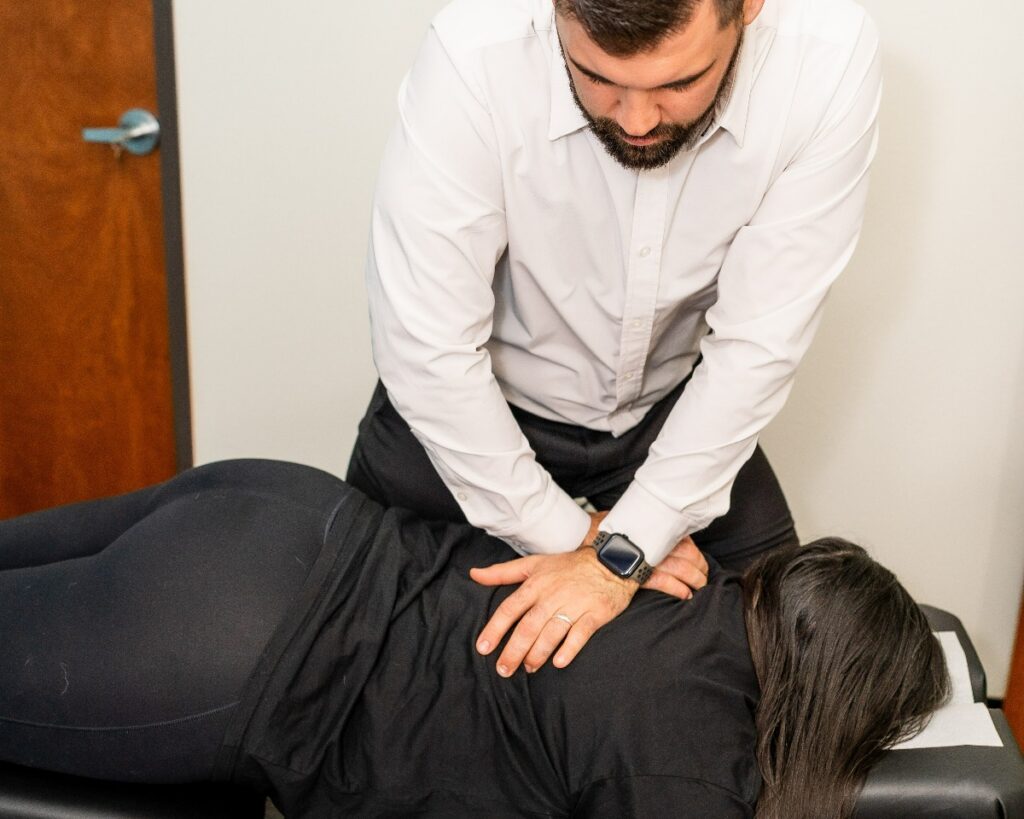
Chiropractic care focuses on aligning your spine and neck to relieve tension and improve function. A chiropractor will assess your condition and may use manual adjustments or other techniques to help restore proper alignment. This can lead to reduced pain and improved range of motion.
Massage therapy is another powerful tool for relieving neck pain. By targeting tense muscles and fascia, a skilled therapist can help release tightness and improve circulation. Regular massages can't only provide immediate relief but also contribute to long-term recovery.
Additionally, practices like yoga and tai chi emphasize gentle movements and stretching, which can enhance flexibility and strengthen the muscles supporting your neck. Incorporating these activities into your routine can promote overall wellness and help prevent future pain episodes.
Ultimately, finding the right alternative therapy for your neck pain may require some experimentation. Listen to your body, and don't hesitate to seek out professional guidance to guarantee you're choosing the best options for your needs.
When to Seek Help
Knowing when to seek help for neck pain is essential for effective management and recovery. While some discomfort can be managed at home, certain symptoms indicate that it's time to consult a healthcare professional. Ignoring these signs could lead to more serious issues down the line.
Here are three key indicators that you shouldn't overlook:
- Persistent Pain: If your neck pain lasts longer than a week, it's a red flag. Persistent pain may indicate a more serious underlying condition that requires evaluation.
- Numbness or Tingling: Experiencing numbness, tingling, or weakness in your arms or hands is often a sign of nerve involvement. These symptoms should prompt you to seek medical advice promptly.
- Severe Headaches or Fever: If you experience severe headaches, particularly if they feel different from your usual headaches, or if you have a fever alongside neck pain, it's vital to get medical attention. These could be signs of more serious conditions like meningitis.
Don't hesitate to reach out to a healthcare provider if you notice any of these symptoms. A professional can guide you through diagnostic tests, treatment options, and potentially help you avoid unnecessary complications.
Taking action sooner rather than later can greatly improve your chances of a quicker and more effective recovery.
Conclusion
Incorporating these proven methods can greatly relieve your neck pain without surgery. By understanding the causes, practicing stretching exercises, improving your posture, and utilizing heat and cold therapy, you can find relief. Don't forget the benefits of massage, mindfulness, proper hydration, and alternative therapies. Listen to your body, and if your pain persists or worsens, don't hesitate to seek professional help. Taking these steps can lead to a healthier, pain-free neck and overall well-being.