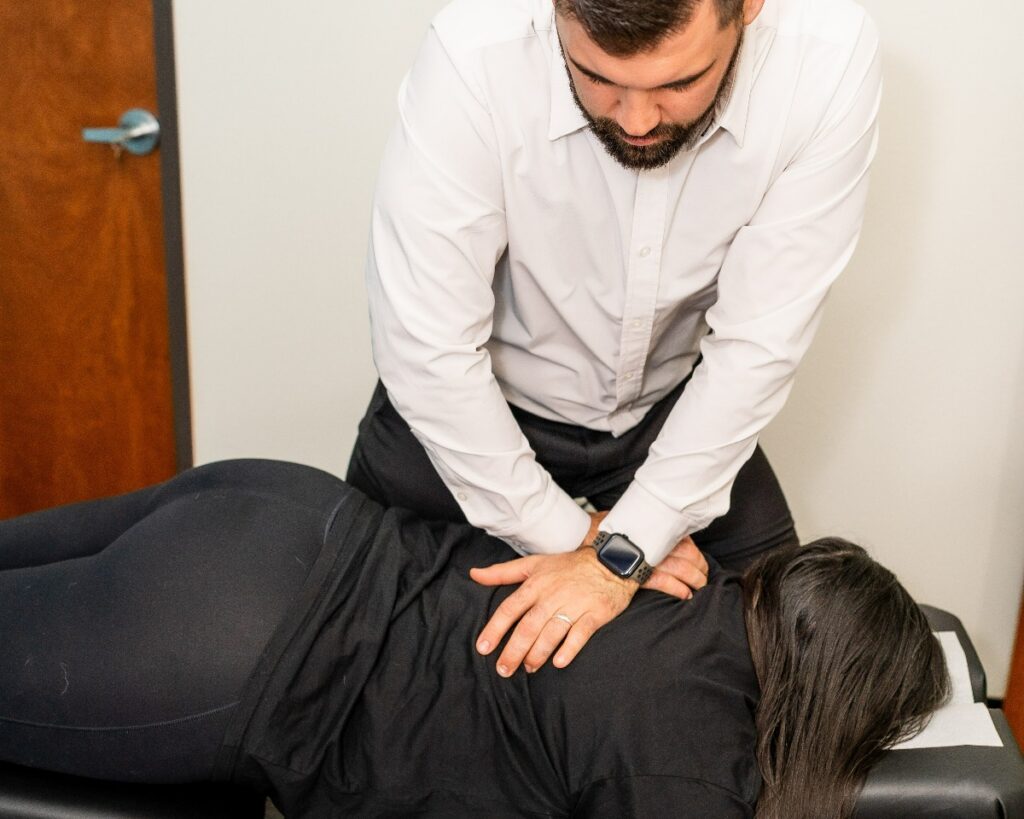

If you're experiencing back pain, I want you to know that you're not alone, and there are effective techniques we can employ to help you find relief. As a chiropractor, I often see that many individuals benefit from a combination of stretching, core strengthening, and ergonomic adjustments. By introducing simple exercises and mindfulness practices into your daily routine, you can start to ease your discomfort and enhance your overall well-being.
It's important to recognize that every person's body is unique, and understanding the subtleties of these techniques is crucial for achieving the best results. If you're curious about the specific chiropractic strategies that could work for you, I'm here to guide you on your journey to better health. Let's explore the options together and find a personalized approach that suits your needs.
Understanding Back Pain Causes
As a local chiropractor, I want to help you understand the various causes of back pain as a key step toward finding relief. Many individuals experience discomfort due to a range of factors that can affect how you feel on a daily basis. Some of the most common causes I encounter in my practice include muscle strain, herniated discs, and poor posture.
For instance, if you've recently lifted something heavy or twisted your body in an awkward way, it's possible you've strained your back muscles. This can lead to soreness and stiffness that can be quite bothersome.
Another prevalent issue is a herniated disc. This occurs when the cushioning discs between your vertebrae become damaged and start to protrude, putting pressure on nearby nerves. This often results in pain that may radiate down your legs. Paying close attention to your body and how it feels after certain activities can be very helpful in identifying specific triggers for your pain.
Additionally, I often see patients who suffer from chronic back pain due to poor posture. Spending long hours hunched over a computer or slouched on the couch can create unnecessary strain on your spine. Over time, this can lead to tension in the muscles surrounding your back, causing discomfort that persists.
In some cases, underlying medical conditions such as arthritis or osteoporosis can exacerbate back pain. These conditions can weaken your bones and joints, making you more prone to injury. Understanding the root cause of your pain is crucial for determining the best approach to treatment.
At my practice, I aim to educate my patients on these causes and emphasize the importance of a holistic approach to healing. By recognizing what may be causing your discomfort, you'll be better prepared to pursue effective, natural solutions that can lead to long-lasting relief.
Let's work together to get you back to feeling your best!
Stretching Exercises for Relief
As a local chiropractor, I want to share how stretching exercises can significantly alleviate back pain. Many of my patients are often unaware of the powerful benefits that these simple techniques can offer.
By incorporating specific stretches into your daily routine, you can greatly improve your flexibility and ease tension in your muscles, which is crucial for overall back health.
Not only does consistent stretching provide immediate relief from discomfort, but it also contributes to long-term wellness of your spine and surrounding muscles. Engaging in these exercises regularly can help maintain proper alignment and prevent future issues.
Key Stretching Techniques
As a local chiropractor, I want to share some effective key stretching techniques that can significantly help alleviate back pain and enhance your overall well-being. Incorporating these stretches into your daily routine can make a real difference in how you feel.
Let's start with the cat-cow stretch, a fantastic way to mobilize your spine. Begin by getting on all fours. As you inhale, arch your back, letting your belly drop towards the floor; then, as you exhale, round your back, tucking your chin to your chest. This dynamic movement not only increases flexibility but also helps relieve tension in your spine.
Next, I recommend the seated forward bend. Sit down with your legs extended straight in front of you. Take a deep breath, lengthening your spine, and as you exhale, gently reach towards your toes. This stretch is excellent for targeting the hamstrings and lower back, promoting relaxation and easing tightness.
Another valuable technique is the child's pose, which is perfect for stress relief and back comfort. Kneel on the floor, sit back on your heels, and stretch your arms forward while lowering your torso towards the ground. Hold this pose for several deep breaths; it can help release tension in your back and calm your mind.
Lastly, don't forget the standing quadriceps stretch. While standing, grab your ankle and pull your heel towards your glutes. This stretch not only benefits your back but also opens up your hips, promoting better posture and alignment.
Incorporating these stretches into your daily routine can be a simple yet effective way to support your spine and overall health. If you have any questions or need further guidance, feel free to ask during your next visit!
Benefits of Consistent Stretching
As a local Chiropractor, I want to emphasize the significant role that regular stretching can play in improving your back health and overall well-being. Many people may not realize that stretching isn't just about loosening tight muscles; it's also a powerful tool for enhancing flexibility and promoting better posture. This is particularly important for those of you who spend long hours sitting or engaging in repetitive motions.
Let's explore some of the key benefits of incorporating stretching into your daily routine:
- Reduced Muscle Tension: Consistent stretching can help alleviate tightness in your muscles, making everyday movements feel easier and more comfortable. This is especially beneficial for those who experience stiffness due to prolonged sitting or physical activity.
- Improved Blood Circulation: Engaging in stretching exercises enhances blood flow, which is vital for delivering nutrients to your muscles and aiding recovery. Improved circulation can also help lower the risk of injuries, allowing you to maintain an active lifestyle.
- Increased Range of Motion: Regular stretching can significantly boost your flexibility, enabling you to move more freely and with greater ease. This increased range of motion is essential for maintaining an active and healthy lifestyle.
- Better Stress Relief: Stretching can be a wonderful form of relaxation, helping to reduce stress and tension that may contribute to back pain. By incorporating stretching into your routine, you're not just caring for your body; you're also nurturing your mind.
I encourage you to consider adding stretching to your daily habits. It complements chiropractic care beautifully and can contribute to a healthier, more balanced lifestyle.
If you have any questions or would like personalized advice on stretching techniques, feel free to reach out during your next visit.
Strengthening Your Core
As a local chiropractor, I want to emphasize the importance of strengthening your core for maintaining a healthy back and preventing discomfort. A strong core is essential because it supports your spine, enhances your balance, and improves overall stability.
By focusing on core strength, you can help alleviate pain and promote better posture.
Let me introduce you to some effective core exercises that can be easily integrated into your routine. These exercises not only build strength but also contribute to your overall well-being.
Remember, a strong core is the foundation of a healthy spine, and investing time in these exercises can lead to significant benefits for your back health.
If you have any questions or need guidance on how to get started, feel free to reach out!
Importance of Core Strength
As a local chiropractor, I often emphasize the critical role of core strength in achieving back pain relief. Many patients wonder why this aspect is so important, and I'm here to explain. A robust core supports your spine and helps maintain proper posture, significantly reducing the strain on your back.
When your core muscles lack strength, your back must compensate, which can lead to discomfort or even injury. By prioritizing core strength, you can build a solid foundation for your body, making daily movements more comfortable and safer.
Let me share some key reasons why core strength is vital for your health:
- Improved Stability: A strong core stabilizes your body during movement, which helps lower the risk of falls and injuries, especially as we age.
- Enhanced Posture: Good core strength promotes proper alignment of your spine, alleviating unnecessary pressure on your back and allowing for better overall health.
- Increased Flexibility: Many core-strengthening exercises incorporate stretching, which can enhance your flexibility and alleviate tension in your back muscles.
- Better Performance: Whether you're engaging in physical activities or simply going about your daily routine, a strong core boosts your performance and efficiency, allowing you to move with ease.
As we work together on your journey to better health, remember that strengthening your core can be a game changer for alleviating back pain and improving your overall well-being.
Effective Core Exercises
As a local chiropractor, I believe in the importance of a strong core for overall spinal health and well-being. Strengthening your core not only supports your spine but also enhances your posture and can significantly reduce back pain.
I encourage you to incorporate a variety of core exercises into your routine for optimal results.
Let's begin with planks. This exercise engages multiple muscle groups and is fundamental for core strength. To do a plank, position yourself face-down, resting on your forearms and toes while keeping your body in a straight line. Start with holding this position for 30 seconds, and as you gain strength, gradually increase the duration.
Next up are bridges. This exercise is excellent for strengthening your lower back and glutes. Lie on your back with your knees bent and feet flat on the floor. Lift your hips towards the ceiling, squeezing your glutes at the top. Hold for a few seconds before lowering back down.
Another great exercise is the dead bug. This movement not only enhances coordination but also improves core stability. To perform this exercise, lie on your back with your arms extended toward the ceiling. Lower one arm and the opposite leg toward the floor while ensuring your back remains flat. Return to the starting position and switch sides.
Finally, I recommend incorporating bicycle crunches. This dynamic exercise targets your entire core. Lie on your back, lift your legs, and simulate a pedaling motion while bringing your opposite elbow to your knee.
By consistently mixing these exercises into your routine, you'll build a strong foundation for your core, which can help alleviate back pain and support your overall health.
Posture Improvement Techniques
As a local chiropractor, I want to emphasize the importance of good posture for your spinal health and overall well-being. Many people may not realize that the way we carry ourselves can significantly impact our bodies, particularly when it comes to back pain. By being mindful of your posture, you can alleviate strain on your spine and improve your quality of life.
Here are some practical techniques that I recommend for enhancing your posture during everyday activities:
- Mindful Sitting: When seated, ensure your feet are flat on the floor, your back is straight, and your shoulders are relaxed. If you can, use an ergonomic chair that supports your spine. This simple adjustment can make a big difference in how your back feels over time.
- Stand Tall: When standing, try to distribute your weight evenly between both feet. Keep your shoulders back and engage your core muscles. Imagine there's a string gently pulling you upward from the crown of your head—this visualization can help you align your body correctly.
- Muscle Strengthening: It's beneficial to incorporate exercises that strengthen your core, back, and shoulders. A well-developed support system of muscles will help you maintain good posture naturally, reducing the risk of discomfort or injury.
- Take Regular Breaks: If your daily routine involves long periods of sitting or standing, remember to take short breaks. Stand up, stretch, and realign your body every so often. This practice not only prevents stiffness but also encourages better posture throughout the day.
By integrating these techniques into your daily life, you can support your spinal health and help alleviate any discomfort you may be experiencing.
If you have any questions or would like to explore further options for improving your posture, please feel free to reach out. Your health is my priority!
Heat and Cold Therapy
As a chiropractor, I often emphasize the importance of maintaining good posture in managing back pain. However, one of the most effective approaches I recommend is incorporating heat and cold therapy into your daily routine. These two methods can significantly alleviate discomfort and promote healing in your back.
Heat therapy is a fantastic way to increase blood flow to the affected area, which helps to relax tight muscles and ease stiffness. In my practice, I often suggest using a heating pad, a hot water bottle, or even indulging in a warm bath. It's important to ensure that the heat isn't too intense to avoid burning your skin. Applying heat for about 15 to 20 minutes at a time can provide significant relief, especially for those experiencing chronic back pain or discomfort related to muscle tension.
Conversely, cold therapy is an excellent method for reducing inflammation and numbing sharp pain. Simple tools like ice packs or a bag of frozen vegetables wrapped in a towel can work wonders. I recommend applying cold therapy to the affected area for 10 to 15 minutes, ensuring that you give your skin breaks between applications. This technique is particularly effective after physical activity or if you've recently experienced an injury to your back.
Combining heat and cold therapy can also yield great benefits. Begin with cold therapy to reduce inflammation, and then follow up with heat to relax the muscles. By integrating these techniques into your routine, you can create a more balanced approach to relieving back pain and enhancing your overall comfort.
Always listen to your body and adjust these methods based on your specific needs, and don't hesitate to reach out for further guidance or support in your journey toward natural healing.
Mindfulness and Relaxation
As a chiropractor, I often see patients who struggle with back pain and are seeking effective ways to manage it. One powerful approach that I recommend is incorporating mindfulness and relaxation techniques into your daily routine. These practices not only help you become more aware of your body and its sensations, but they also play a crucial role in reducing stress, which can often lead to muscle tension and discomfort.
Here are some strategies I encourage my patients to try in order to integrate mindfulness and relaxation into their lives:
- Deep Breathing: This simple yet effective technique can calm your nervous system. I recommend inhaling deeply through your nose for a count of four, holding that breath for four counts, and then exhaling slowly through your mouth for another four counts. Repeat this several times to help release tension.
- Progressive Muscle Relaxation: This involves tensing and then relaxing each muscle group in your body, starting from your toes and working your way up to your head. It's a fantastic way to identify and release physical tension that may be contributing to your pain.
- Mindful Meditation: I suggest setting aside a few minutes each day to sit quietly and focus on your breath or a specific thought. It's natural for your mind to wander, but gently bringing it back to your point of focus can enhance your mindfulness practice.
- Guided Imagery: Visualizing a peaceful scene or recalling a comforting experience can have a profound impact on your mental state. This mental escape can help alleviate pain and boost your overall mood.
By making these techniques a regular part of your routine, you can take an active role in managing your back pain and improving your overall well-being.
Ergonomic Adjustments
As a chiropractor, I often see patients who experience back pain due to poor ergonomic practices in their workspace. Adjusting your environment can significantly alleviate discomfort and improve your overall well-being. Let me guide you through some essential ergonomic adjustments that can benefit your spine and posture.
First, let's talk about your chair. It's crucial that your chair provides adequate support for your lower back, allowing your feet to rest flat on the floor. If your feet are dangling, I recommend using a footrest to ensure proper alignment. Adjust the chair height so that your knees are at or slightly below hip level. This positioning helps maintain a neutral spine, which is vital for preventing back pain.
Now, let's examine your desk setup. Your computer monitor should be positioned at eye level and about an arm's length away. This arrangement helps prevent you from slouching or hunching over, which can lead to strain. If you're working on a laptop, consider using a laptop stand along with an external keyboard to achieve the right height.
Your keyboard should be positioned such that your elbows remain at a 90-degree angle and your wrists stay straight while typing.
Don't overlook the placement of your mouse either. It should be close to your keyboard, allowing you to use it comfortably without overstretching your arm. Remember to take regular breaks throughout your day to stand, stretch, and move around. These small actions promote circulation and can help reduce stiffness and discomfort.
Lastly, be mindful of your posture while you work. Keep your shoulders relaxed and your back straight. If you find it challenging to maintain good posture, consider using a posture-correcting device or setting reminders on your phone to check in with yourself throughout the day.
Professional Treatment Options
As a local chiropractor, I understand that many people may not be familiar with the benefits of chiropractic care and how it can help alleviate back pain. If you're struggling with discomfort, exploring professional treatment options is essential to your recovery.
Here's how chiropractic care and other natural healing methods can make a difference in your life:
– Chiropractic Care: My primary focus is on using hands-on spinal manipulation to align your body's musculoskeletal structure. By correcting misalignments, we can relieve pressure on nerves, enhance mobility, and significantly reduce pain.
Many of my patients experience a noticeable improvement in their back pain and overall well-being after just a few sessions.
– Physical Therapy: I often collaborate with physical therapists to develop a comprehensive treatment plan that includes personalized exercises to strengthen your back muscles, increase flexibility, and improve posture.
This approach not only addresses your current pain but also promotes long-term healing.
– Acupuncture: While I specialize in chiropractic techniques, I also recognize the benefits of complementary therapies like acupuncture. This ancient practice involves inserting fine needles into specific points on the body to stimulate the nervous system, fostering natural healing.
Many of my patients find acupuncture to be an effective way to manage chronic pain alongside chiropractic adjustments.
– Medication: While I focus on natural healing methods, I understand that some patients may benefit from medication. Over-the-counter pain relievers like ibuprofen or acetaminophen can provide temporary relief.
In certain cases, I can work with your healthcare provider to discuss stronger medications or muscle relaxants if necessary.
By choosing chiropractic care and exploring these professional treatment options, you can regain your quality of life and address your back pain effectively.
I encourage you to consult with me or another healthcare provider who can guide you in finding the best approach tailored to your specific needs. Taking this step can lead you towards a healthier, more active lifestyle.
Conclusion
As a local chiropractor, I want to share some effective techniques that can help you find relief from back pain. Understanding the underlying causes of your discomfort is the first step toward healing. Incorporating regular stretching and core strengthening exercises into your daily routine can greatly improve your spinal health and overall well-being.
It's also important to make ergonomic adjustments in your workspace and home environment to support proper posture. Additionally, don't underestimate the power of heat and cold therapy—these can work wonders in alleviating pain and inflammation.
Mindfulness practices, such as meditation and deep breathing, can help reduce stress, which often exacerbates pain. If your back pain continues despite these efforts, I encourage you to seek professional care. As a chiropractor, I'm here to guide you on your journey to a healthier back and a more active lifestyle. Remember, every step you take towards understanding and caring for your body is a step in the right direction—keep it up!