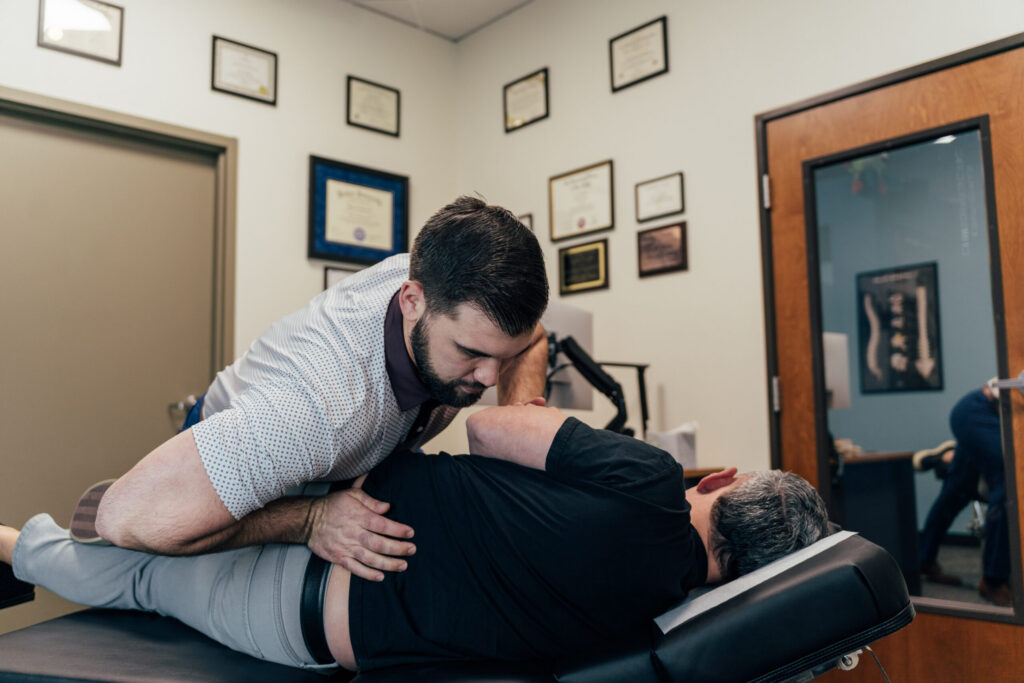

Low back pain can be a frustrating and debilitating issue, but the good news is that there are effective exercises that can help protect against it. As a chiropractor, I believe that focusing on core strength, flexibility, and proper lifting techniques is essential for maintaining a healthy spine and reducing your risk of pain. It’s not just about getting in your daily exercise; it’s about understanding how your body moves and functions in harmony.
Incorporating specific exercises into your routine can make a significant difference in relieving and preventing low back pain. Here are some helpful tips and exercises to consider:
- Core Strengthening: A strong core supports your spine and helps prevent injuries. Simple exercises like planks, bridges, and pelvic tilts can enhance your core strength. Aim for a few sets of each exercise to build stability.
- Stretching for Flexibility: Tight muscles can contribute to back pain. Regularly stretching your hamstrings, hip flexors, and lower back can improve flexibility and alleviate tension. Try gentle stretches like the cat-cow or child’s pose to promote relaxation and mobility.
- Proper Lifting Techniques: When lifting heavy objects, always bend at your knees instead of your waist, keeping the load close to your body. Engaging your legs, not your back, will protect your spine from strain.
- Mind Your Posture: Whether sitting or standing, maintaining good posture is vital for spinal health. Keep your shoulders back and your head aligned with your spine. Consider using ergonomic furniture to support your posture throughout the day.
- Chiropractic Care: Regular visits to a chiropractor can help ensure your spine is aligned and functioning optimally. Chiropractic adjustments can relieve pain and improve mobility, allowing you to engage in exercises that strengthen your back safely.
Remember, it’s important to listen to your body and adjust your routine as needed. If you experience persistent pain, consult with a chiropractor who can provide personalized advice and treatment options tailored to your needs. By incorporating these practices into your daily life, you can take proactive steps toward a healthier, pain-free back.
Key Takeaways
Strengthening your core is essential for spinal stability and reducing the risk of low back pain. Simple exercises like bridges, supermans, and planks can do wonders for your core strength. A strong core supports your spine and can help you feel better overall.
In addition to core exercises, incorporating flexibility stretches into your routine is crucial. Movements like Cat-Cow and Child’s Pose not only improve your mobility but also help relieve tension in your lower back. These stretches can be easily done at home and can significantly enhance your comfort.
Don’t overlook the importance of hip mobility! Engaging in exercises such as hip flexor stretches and pigeon pose can alleviate strain on your spine and improve your overall movement. This is especially important for maintaining a healthy back.
Balance and stability are also key components of spinal health. Activities like single-leg stands and gentle yoga can promote core strength and help prevent lower back injuries. These practices are not just beneficial for your back but can enhance your overall physical stability.
Finally, remember that regular aerobic exercise, such as walking or swimming, is vital for maintaining overall fitness, flexibility, and a healthy weight—factors that all contribute to a healthy spine.
Chiropractic care is an excellent approach to supporting your journey toward optimal health. By focusing on these exercises and maintaining regular chiropractic visits, you can promote natural healing and enhance your well-being without the need for medications or surgeries. Take these simple steps today for a healthier back and a more active lifestyle!
Understanding the Causes of Low Back Pain
Understanding the causes of low back pain is crucial for preventing discomfort and achieving optimal health.
Many factors can contribute to low back pain, such as poor posture, muscle strain, or injuries from improper lifting techniques. Repetitive movements and prolonged sitting can weaken your back over time, leading to discomfort.
Excess weight can add pressure to your spine, making you more susceptible to pain. Additionally, stress can create tension in your muscles, which may exacerbate discomfort. It’s also important to be aware of chronic conditions like arthritis or herniated discs, as these can lead to ongoing issues.
Identifying these causes empowers you to make lifestyle changes that can significantly reduce your risk of low back pain. Here are some practical tips to help you on your journey:
- Mind Your Posture: Keep your back straight and shoulders relaxed, especially when sitting for long periods. Consider using ergonomic furniture to support your spine.
- Stay Active: Engage in regular physical activity, such as walking or stretching. This helps strengthen your back muscles and maintain flexibility.
- Manage Your Weight: Maintaining a healthy weight reduces the strain on your spine. Incorporate a balanced diet and regular exercise into your routine.
- Reduce Stress: Practice relaxation techniques, such as deep breathing or yoga, to alleviate muscle tension and promote overall wellness.
- Consider Chiropractic Care: Regular visits to a chiropractor can help align your spine, improve posture, and alleviate pain naturally. Chiropractic care focuses on your body’s innate ability to heal itself, making it a fantastic option for achieving long-term relief and wellness.
The Importance of Core Strength
Having a strong core isn’t just about aesthetics; it plays a crucial role in maintaining your overall health and wellness. A strong core helps stabilize your body, reduces the risk of low back pain, and supports your spine. By focusing on strengthening the key muscles in your abdomen and back, you can enhance your posture and functionality in everyday activities.
As a chiropractor, I can’t emphasize enough how important core strength is for your overall well-being. When your core is strong, it helps distribute the weight and stress on your spine more evenly. This not only helps prevent injuries but also improves your performance in exercises and daily routines.
Incorporating core-strengthening exercises into your routine can be simple and effective. Try activities like planks, bridges, or even yoga poses that engage your core. Remember, it’s not just about doing these exercises; it’s about doing them with proper form. This is where chiropractic care can really help. Regular chiropractic adjustments ensure that your spine is aligned, which can enhance your ability to engage your core effectively.
Moreover, maintaining a strong core can greatly complement your chiropractic care. We often find that patients who focus on core strengthening alongside receiving adjustments report better results and faster recovery times.
Core Stability Benefits
Building a strong core is vital for maintaining a healthy spine and preventing low back pain, which is a common issue many people face. By strengthening your core, you not only improve your posture but also enhance your balance and coordination. This is crucial for protecting your spine during everyday activities like lifting, bending, or even just sitting at your desk.
A stable core acts as a supportive foundation for your back, reducing the risk of injuries and discomfort. Additionally, core strength can significantly boost your athletic performance, allowing you to move more efficiently and powerfully in your chosen activities. It can also help alleviate tension in your lower back by ensuring that loads are distributed evenly across your body.
Engaging in regular core-strengthening exercises is a fantastic way to invest in your long-term health. Not only does it help maintain flexibility and mobility as you age, but it also complements the benefits of chiropractic care. Chiropractors focus on spinal alignment and overall wellness, which works hand-in-hand with a strong core to enhance your quality of life.
Here are some simple tips to help you strengthen your core and support your spinal health:
- Practice Good Posture: Pay attention to how you sit and stand. Keep your shoulders back and your spine straight to reduce strain on your back.
- Incorporate Core Exercises: Try exercises like planks, bridges, and pelvic tilts into your routine. These are effective and can be done at home without any special equipment.
- Stay Active: Regular physical activity, whether it’s walking, swimming, or yoga, helps keep your core engaged and your spine healthy.
- Listen to Your Body: If you experience pain while exercising, consult with a chiropractor. They can provide personalized advice and treatments to keep you on track.
Strengthening Key Muscles
Strengthening key muscles is essential for supporting your spine and preventing low back pain. A robust core acts as a natural support system for your spine during everyday activities, reducing strain and discomfort. I encourage you to focus on gentle exercises that target your abdominal muscles, obliques, and lower back. Simple movements like planks, bridges, and pelvic tilts are excellent choices. Not only do these exercises build strength, but they also enhance your overall posture, which is crucial for spinal health.
When your core muscles are engaged, they help distribute weight and pressure evenly across your spine, minimizing the risk of injury. This is where chiropractic care can make a significant difference. By working with a chiropractor, you can ensure that your spine is properly aligned, which complements your strength training efforts and supports your body’s natural healing processes.
Remember, consistency is key! Aim for a balanced routine that includes strength training a few times each week. As you prioritize core strength, you’ll not only enhance your stability but also protect your back in the long run. This will allow you to move freely and confidently, improving your overall quality of life.
Incorporating chiropractic adjustments into your wellness routine can further support your spinal health, helping you achieve optimal function and pain relief. So, focus on building that core strength, and consider regular chiropractic visits to keep your spine in top shape!
Preventing Injury Risks
As a chiropractor, I want to highlight the vital role your core plays in preventing injuries, particularly in the lower back. A strong core not only stabilizes your spine but also helps reduce the risk of strain during daily activities. When your core muscles are weak, other muscles may have to pick up the slack, which can lead to imbalances and increase the likelihood of injuries.
To enhance your core strength and support your spinal health, consider incorporating simple exercises like planks, bridges, and bird-dogs into your routine. These movements are excellent for targeting your abdominal muscles while also engaging your back and pelvis, promoting overall stability and wellness.
Stretching for Flexibility
Flexibility is crucial for preventing low back pain, as it helps maintain proper posture and reduces muscle tension. As a chiropractor, I can tell you that incorporating effective stretching techniques into your daily routine can significantly enhance your mobility and support your spinal health. Here are some simple stretches that can make a big difference in how you feel.
- Cat-Cow Stretch: This gentle stretch helps to warm up your spine. Start on your hands and knees, then alternate between arching your back towards the ceiling (Cat) and dropping your belly towards the floor (Cow). This can relieve tension in your back and improve flexibility.
- Child’s Pose: This resting position stretches your lower back and hips. Kneel on the floor, sit back on your heels, and reach your arms forward on the ground. Hold this position for a few deep breaths to feel a nice stretch in your lower back.
- Seated Forward Bend: Sit with your legs extended in front of you. Slowly reach forward towards your toes, keeping your back straight. This stretch can improve your hamstring flexibility, which is essential for a healthy back.
- Hip Flexor Stretch: Tight hip flexors can contribute to lower back pain. Stand up, take a step back with one foot, and bend your front knee while keeping the back leg straight. You should feel a stretch in the front of your hip. Hold for 20-30 seconds and switch sides.
Remember, regular chiropractic care can help maintain your spine’s health by ensuring proper alignment and function.
Incorporating these stretches into your routine, along with regular chiropractic adjustments, can lead to optimal health and a significant reduction in pain. Always listen to your body and consult with your chiropractor if you have any concerns or need personalized advice.
Prioritizing your spinal health through natural methods like stretching and chiropractic care is the best path to a pain-free life!
Importance of Flexibility
To maintain a healthy back and prevent pain, it’s crucial to incorporate regular stretching into your routine. Flexibility is the key to keeping your muscles and joints functioning properly, which significantly reduces the risk of injury. When your muscles are flexible, they provide better support for your spine, which is essential for overall back health.
As a chiropractor, I want to emphasize the importance of flexibility in your wellness journey. Here’s a quick look at how improving your flexibility can benefit your back:
| Benefits of Flexibility | How It Helps Your Back |
|---|---|
| Improved Range of Motion | Allows for smoother, easier movement, making daily activities more comfortable. |
| Reduced Muscle Tension | Eases stress on the spine, leading to less discomfort and pain. |
| Enhanced Posture | Supports proper spinal alignment, helping you stand tall and feel great. |
| Injury Prevention | Protects against strains and overexertion, keeping you active and healthy. |
Here are some simple tips to help you improve your flexibility and support your back health:
- Daily Stretching Routine: Dedicate just a few minutes each day to stretch your back, hips, and legs. This can help release tension and improve your range of motion.
- Stay Active: Incorporate activities like walking, swimming, or yoga into your weekly routine. These low-impact exercises promote flexibility and overall wellness.
- Listen to Your Body: Pay attention to any discomfort during stretching. If something doesn’t feel right, ease off and consult with your chiropractor.
- Chiropractic Care: Regular visits to your chiropractor can enhance your flexibility while ensuring your spine is properly aligned. This natural approach not only addresses pain relief but also helps you maintain optimal health.
Effective Stretching Techniques
Incorporating effective stretching techniques into your daily routine can greatly enhance your flexibility and support your back health. At our chiropractic practice, we believe that proper movement and stretching are essential components of natural healing and overall wellness.
By focusing on key stretches, you can improve your mobility and help prevent low back pain. Here are some essential techniques to consider:
- Hamstring Stretch: This stretch is great for relieving tension in your lower back and can help improve your posture. Tight hamstrings can contribute to back pain, so keeping them flexible is crucial.
- Cat-Cow Stretch: This dynamic stretch promotes spinal flexibility and encourages proper alignment. It’s a gentle way to mobilize your spine, which can alleviate discomfort and improve your posture.
- Child’s Pose: This restorative position gently stretches the lower back and hips, providing a comforting release for tightness. It’s a wonderful way to unwind after a long day.
- Piriformis Stretch: This stretch targets tightness in the glutes, which can relieve pressure on the lower back. By loosening these muscles, you may find relief from discomfort and enhance your overall mobility.
By incorporating these stretches into your daily routine, you’ll likely notice improvements in your flexibility and back health. Remember, consistency is key! Make stretching a regular part of your day to reap the full benefits.
In addition to stretching, regular chiropractic care can help maintain your spinal health and promote natural healing. A chiropractor can assist in aligning your spine, improving your posture, and providing personalized advice on maintaining a healthy lifestyle.
Together, these practices can lead you to a pain-free and healthier life.
Strengthening Your Lower Back
Strengthening your lower back is crucial for preventing pain and enhancing overall stability, and chiropractic care plays an essential role in this process.
When your lower back muscles are strong, they provide better support for your spine, helping to reduce the risk of injuries and discomfort. By incorporating specific exercises into your routine, you can significantly improve your strength and promote a healthier back.
One effective exercise is the bridge. To perform a bridge, lie on your back with your feet flat on the floor and your knees bent. Gently lift your hips toward the ceiling while keeping your shoulders on the ground. Hold this position for a few seconds before lowering back down. This exercise not only strengthens your lower back but also engages your glutes and core.
Another beneficial exercise is the superman. For this move, lie face down on the floor with your arms extended in front of you and your legs straight. Lift both your arms and legs off the ground simultaneously, holding the position for a moment before lowering them back down. This exercise effectively engages the muscles in your lower back and helps promote spinal stability.
Lastly, incorporating planks into your routine can significantly benefit your core, which is vital for supporting your lower back. To do a plank, position your body in a straight line from head to heels, balancing on your forearms and toes. Start by holding this position for 20-30 seconds, gradually increasing your time as your strength improves.
In addition to these exercises, regular chiropractic adjustments can help maintain proper alignment and function of your spine, supporting your efforts to strengthen your lower back.
Together, these practices can lead to a stronger, healthier back and a better quality of life. Remember, consistency is key, so make these exercises a part of your routine, and don’t hesitate to consult with your chiropractor for personalized guidance and support on your journey to optimal health.
Exercises for Hip Mobility
Improving hip mobility is crucial for maintaining a healthy and flexible body, and it plays a significant role in your overall movement and posture. When your hips are mobile, not only can you perform daily activities with greater ease, but you also reduce the risk of experiencing low back pain—a common issue that many of my patients face.
Here are some effective exercises you can incorporate into your routine to enhance your hip mobility and support your spinal health, naturally:
- Hip Circles: Stand on one leg and gently move the other leg in circular motions, both clockwise and counterclockwise. This exercise helps to loosen up the hip joint and improve range of motion.
- Kneeling Hip Flexor Stretch: Kneel on one knee and push your hips forward while keeping your back straight. This stretch targets the hip flexors, which can become tight from prolonged sitting and help alleviate tension in your lower back.
- Seated Butterfly Stretch: Sit on the floor, bring your feet together, and gently press your knees down with your elbows. This stretch opens up the hips and can be a soothing way to relieve stress in the lower body.
- Pigeon Pose: From a plank position, bring one knee forward and lay it across your body while extending the other leg straight back. This pose deeply stretches the hips and can help improve flexibility over time.
Incorporating these movements into your daily routine can keep your hips flexible and support your back health.
Incorporating Stability and Balance Training
To maintain a strong and resilient lower back, incorporating stability and balance training into your routine can be incredibly beneficial. These exercises enhance your core strength, which is essential for supporting your spine and overall spinal health. Simple movements that challenge your balance, like single-leg stands or exercises using a stability ball, can make a significant difference. Additionally, dynamic activities such as yoga or tai chi not only improve your balance but also promote relaxation and flexibility, contributing to your overall wellness.
As you become more comfortable, consider adding light weights or resistance bands to elevate the challenge and further enhance your stability. Remember to always engage your core during these exercises; it acts as a natural support system for your lower back, helping to protect it from strain. Aim for at least two to three sessions per week, gradually increasing the complexity of your workouts to continue building strength.
Consistent practice of stability and balance training can significantly reduce the risk of low back pain and improve your functional movement, making daily activities easier. It’s important to remember that a strong, stable body is key to living a healthy life.
Alongside these exercises, consider regular chiropractic care to help maintain spinal alignment and overall health. Chiropractic adjustments can enhance your body’s ability to heal naturally and keep you functioning at your best. By focusing on these holistic approaches, you’re not just addressing pain, but also fostering a healthier, more resilient lifestyle.
Proper Lifting Techniques
As a local chiropractor, I want to emphasize the importance of mastering proper lifting techniques to protect your lower back and promote overall wellness. Lifting heavy objects the right way can significantly reduce the risk of injury and support your spinal health. Here are some essential tips to keep in mind:
- Bend at your hips and knees: Always remember to keep your back straight while bending at the hips and knees. This technique helps to distribute the weight evenly and protects your spine.
- Keep the load close: When lifting, hold the object as close to your body as possible. This minimizes strain on your back and allows your legs to do the heavy lifting.
- Engage your core: Tightening your abdominal muscles provides extra support for your spine during the lift. A strong core is crucial for maintaining stability and preventing pain.
- Use your legs: Instead of relying on your back, push through your heels and lift predominantly with your legs. This technique not only helps you lift more effectively but also reduces the risk of injury.
By incorporating these simple lifting techniques into your daily routine, you can promote a healthier lifestyle and protect your spine.
The Role of Aerobic Activity
Regular aerobic activity is essential for preventing low back pain and supporting your overall spinal health. Simple exercises like walking, swimming, or cycling can significantly benefit your spine by increasing blood flow to the muscles and tissues that surround it. This increased circulation promotes healing and flexibility, which are vital for a healthy back.
When you engage in aerobic exercises that elevate your heart rate, you’re also strengthening your core and back muscles. These muscles play a crucial role in supporting your spine during daily activities, helping to reduce the risk of injury and discomfort.
In addition to physical benefits, incorporating aerobic workouts into your routine can help you maintain a healthy weight. Carrying excess weight can put additional strain on your back, so staying active is a great way to manage your weight naturally. Plus, aerobic activities release endorphins—natural pain relievers that can lift your mood and lower stress levels, both of which support a healthy spine.
I recommend aiming for at least 150 minutes of moderate aerobic activity each week. By making a commitment to regular aerobic exercise, you’re not only building your endurance but also laying a strong foundation for a pain-free back.
Creating a Consistent Exercise Routine
Building on the benefits of aerobic activity, establishing a consistent exercise routine is essential for preventing low back pain and promoting overall wellness.
Regular exercise not only strengthens your muscles but also improves flexibility and enhances stability, which are all vital for a healthy spine.
Here’s how you can create a routine that supports your health and complements chiropractic care:
- Set specific goals: Think about what you want to achieve with your exercise routine. Whether it’s building strength, improving endurance, or simply feeling better, having clear goals can guide your efforts.
- Schedule workouts: Treat your exercise sessions like important appointments. By setting aside dedicated time for movement, you demonstrate a commitment to your health, which can enhance the effectiveness of chiropractic adjustments.
- Mix it up: Variety is key! Incorporate different activities such as walking, swimming, and gentle stretching. This not only keeps your routine interesting but also works different muscle groups, contributing to a more balanced body.
- Track your progress: Consider keeping a simple journal or using a mobile app to monitor your workouts. Tracking progress can help you stay motivated and aware of your achievements, reinforcing the benefits of your routine.
Remember, consistent exercise, alongside regular chiropractic care, can lead to significant improvements in your health and well-being.
Prioritizing your spine health through movement and chiropractic adjustments will put you on the path to a pain-free life!
Conclusion
By incorporating these proven exercises into your daily routine, you can significantly reduce the risk of low back pain and enhance your overall spinal health. Focus on strengthening your core muscles, which support your spine, improving flexibility to maintain a healthy range of motion, and enhancing hip mobility for better movement patterns.
Remember, maintaining stability and balance is crucial for preventing injury. Simple practices like proper lifting techniques—bending at the knees instead of the waist—and engaging in regular aerobic activities, such as walking or swimming, can make a substantial difference.
Chiropractic care plays an essential role in achieving optimal health by ensuring your spine is aligned and functioning properly. Regular adjustments can help maintain this alignment, allowing your body to heal naturally and effectively.
Consistency is key! With dedication to these exercises and regular chiropractic visits, you can enjoy a strong, healthy back and an active lifestyle free from pain. Prioritize your wellness and remember that chiropractic care is a natural, effective approach to maintaining a pain-free life.