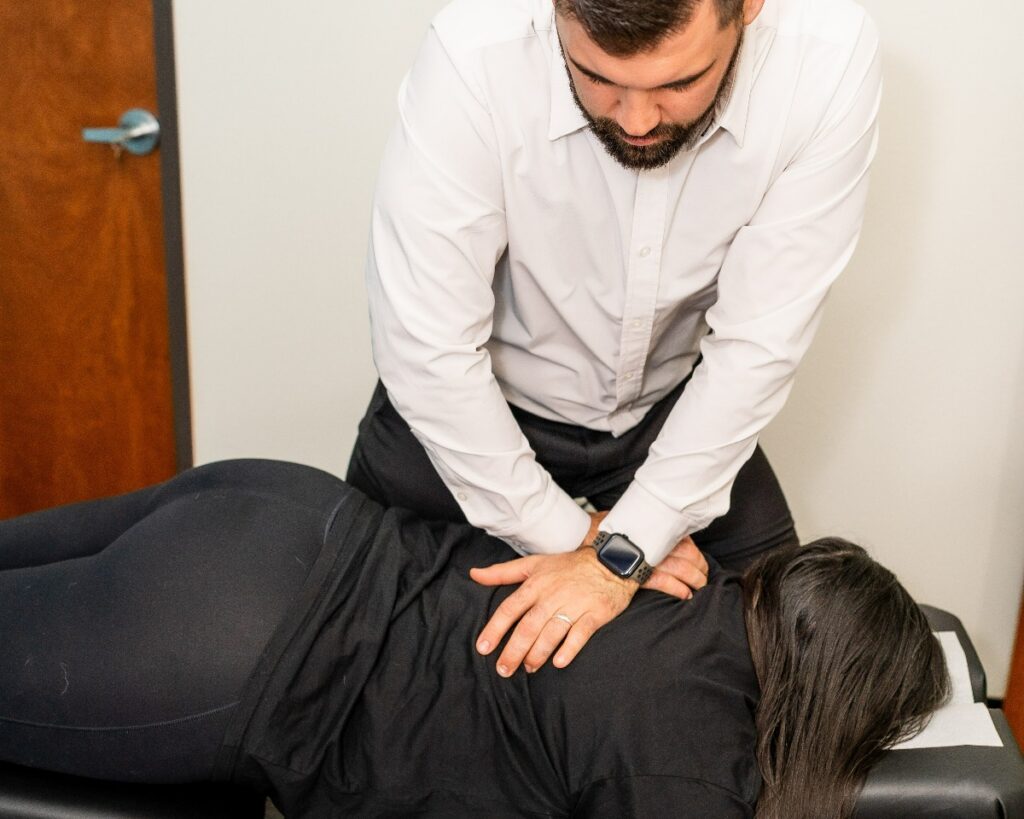

If you’re dealing with migraines and cervical discomfort, you’re not alone in this struggle. Many individuals experience these issues, and it’s crucial to seek effective solutions to enhance your quality of life. As a chiropractor, I want to emphasize the importance of a holistic approach to your health. By incorporating lifestyle changes, physical therapy, and alternative therapies, we can work together to identify what alleviates your symptoms best. The path to relief can be complex, but understanding the various chiropractic techniques and natural healing methods available can truly make a difference. What strategies do you think could be most beneficial for your situation? Let’s explore them together.
Understanding Migraines and Cervical Discomfort
As a local chiropractor, I want to shed light on the fascinating connection between migraines and cervical discomfort that many people may not be aware of. When you suffer from a migraine, it’s easy to overlook how much your neck can influence your experience.
The muscles and nerves in your neck are intricately linked to your head’s health, and tension in your cervical spine can significantly trigger or worsen migraine episodes.
Often, tightness and pain in your neck can radiate into your head, leading to an intensified migraine. Furthermore, if there’s any misalignment or injury to your cervical vertebrae, it can affect both nerve function and blood flow, potentially contributing to headaches.
Recognizing this connection is a vital part of understanding your overall well-being. If you find that your migraines accompany neck pain or stiffness, it’s worth considering how your cervical health might be playing a role.
Regularly assessing your posture, ergonomics, and any past injuries can help identify the source of your discomfort.
As your chiropractor, I’m here to help you understand the interplay between your neck and migraines. By addressing any cervical issues, we can take proactive steps towards relief and improve your quality of life through natural healing methods.
Let’s work together to help you find that relief!
Lifestyle Modifications for Prevention
As a local chiropractor dedicated to helping you achieve optimal health, I want to share some valuable lifestyle modifications that can significantly reduce the frequency of migraines and alleviate cervical discomfort.
One of the first steps is to establish a consistent sleep routine. Aim for 7-9 hours of restorative sleep each night to allow your body to recover and rejuvenate.
Hydration is another key factor; make it a point to drink plenty of water throughout the day to keep your body functioning at its best.
Be mindful of your diet as well—certain foods, such as aged cheeses, processed meats, and excessive caffeine, can trigger migraines for many individuals.
Incorporating regular physical activity into your weekly routine is essential, as it helps to reduce stress and improve your overall health.
Additionally, I encourage you to explore relaxation techniques, including yoga, meditation, or deep breathing exercises, which can be very effective in managing stress.
Creating an ergonomic workspace is also crucial. Ensure that your chair and monitor are properly adjusted to minimize strain on your neck and back.
Lastly, I recommend keeping a headache journal. By tracking your headache patterns, you can identify potential triggers and discuss them with me during your visits.
By integrating these lifestyle changes, you can take proactive steps toward enhancing your well-being and reducing migraines and cervical discomfort.
Together, we can work towards a healthier, pain-free life!
Physical Therapy Techniques
As a local chiropractor, I want to share how chiropractic care can significantly help in managing migraines and cervical discomfort.
Our approach involves hands-on techniques that can effectively relieve tension in your body. We focus on correcting your posture to ensure proper alignment, which is essential for overall spinal health.
Additionally, we incorporate specific exercises designed to strengthen your neck muscles, providing the support they need.
By utilizing these natural healing methods, we aim to not only reduce your pain but also enhance your overall well-being.
If you’re curious about how these techniques can work for you, I encourage you to explore chiropractic care as a holistic option for better health.
Manual Therapy Benefits
Migraines can be incredibly challenging to deal with, but I want to share how chiropractic care and manual therapy techniques can offer you much-needed relief. As a chiropractor, I focus on hands-on approaches that not only alleviate pain but also address the root causes of your headaches.
By utilizing methods such as massage, myofascial release, and trigger point therapy, I can help reduce muscle tension and improve blood circulation, which are key factors in alleviating migraine symptoms. These techniques specifically target areas of discomfort, allowing you to experience enhanced mobility and relaxation.
By addressing any underlying musculoskeletal issues, we work together to prevent future migraines and alleviate cervical discomfort. Moreover, chiropractic care promotes your overall well-being, fostering a sense of calm and helping to reduce stress levels.
As we collaborate on your treatment plan, I’ll tailor strategies that fit your unique needs. This personalized approach makes it easier for you to manage pain and ultimately improves your quality of life.
If you’re new to chiropractic care and natural healing, I invite you to explore the benefits it can bring to your health and wellness journey.
Posture Correction Strategies
As a chiropractor, I want to emphasize the importance of good posture for your overall health, especially in preventing migraines and relieving cervical discomfort.
Poor alignment can put unnecessary strain on your muscles, leading to tension and pain. By adopting some simple posture correction strategies, you can significantly enhance your well-being.
Here are three important techniques you should consider:
- Sit Correctly: When seated, ensure your back is straight, your shoulders are relaxed, and your feet are flat on the floor. Choosing a chair with proper lumbar support can make a big difference in maintaining a healthy posture.
- Optimize Your Workspace: It’s crucial to adjust your workspace so that your computer screen is at eye level and your keyboard allows your wrists to stay in a neutral position. This setup helps minimize strain on your neck and arms.
- Be Mindful of Your Movement: When standing or walking, aim to align your ears, shoulders, and hips in a straight line. This proper alignment is key to reducing stress on your neck and spine.
Incorporating these strategies into your daily routine can lead to noticeable relief and improved health.
Strengthening Neck Muscles
As your local chiropractor, I want to emphasize the importance of strengthening your neck muscles for both migraine relief and cervical comfort. Many people aren’t aware of how much muscle support can positively impact their well-being.
By incorporating targeted exercises into your routine, you can significantly enhance the strength and flexibility of your neck.
Start with gentle neck stretches to improve your range of motion. Once you’re comfortable, you can progress to isometric exercises, where you gently press your head against your hand without moving it. This technique is excellent for building muscle strength without putting unnecessary strain on your neck.
Additionally, exercises like shoulder shrugs and chin tucks are effective for engaging different neck muscles.
Remember, consistency is vital! Aim to include these exercises in your routine several times a week for the best results.
If you’re unfamiliar with these techniques or how to perform them safely, I encourage you to seek guidance. Working with a physical therapist or even coming to see me can help you develop a tailored program that fits your individual needs.
By strengthening your neck muscles, you’re not only taking steps to alleviate discomfort but also improving your overall posture and quality of life.
Embrace these natural healing methods, and you’ll be on your way to feeling better in no time!
Medication Options and Considerations
As a local chiropractor, I want to emphasize the importance of exploring various approaches to manage migraines and cervical discomfort.
While over-the-counter pain relievers can provide some relief, many patients benefit from considering natural and holistic alternatives. Prescription medications may also be an option, but it’s essential to understand that chiropractic care focuses on treating the root cause of your pain rather than just masking the symptoms.
Incorporating non-pharmacological methods, such as spinal adjustments, massage therapy, and lifestyle changes, can significantly enhance your treatment plan.
These approaches not only aim to alleviate pain but also promote overall well-being and improve your body’s function. I encourage you to consider these options as part of your journey to better health.
Over-the-Counter Pain Relievers
As a chiropractor dedicated to promoting natural healing and overall wellness, I often recommend considering over-the-counter (OTC) pain relievers as part of your strategy for managing migraines and cervical discomfort.
These medications can serve as a helpful first line of defense, providing accessible and effective relief when you need it most. Here are three common options you might find beneficial:
- Ibuprofen – This nonsteroidal anti-inflammatory drug (NSAID) is great for reducing inflammation and alleviating pain. Many patients find it effective for managing discomfort related to musculoskeletal issues.
- Acetaminophen – Known for its pain-relieving properties, acetaminophen is gentler on the stomach and can be a good alternative for those who are sensitive to NSAIDs. It can help ease pain without the risk of gastrointestinal irritation.
- Aspirin – Another NSAID, aspirin can also be effective in reducing pain and inflammation. However, it’s important to note that it mightn’t be suitable for everyone due to potential side effects, so it’s wise to discuss this option with your healthcare provider.
Before starting any medication, I always encourage my patients to consult with a healthcare professional. This ensures that you choose the right option tailored to your specific needs and health circumstances.
Prescription Medication Alternatives
As a local chiropractor, I want to share some insights about managing migraines and cervical discomfort through natural healing approaches. While many individuals often reach for over-the-counter solutions, it’s important to know that there are effective alternatives that can provide relief without relying solely on medication.
Chiropractic care can be an excellent option for addressing these issues. For instance, spinal adjustments can help alleviate tension in the neck, which may reduce the frequency and intensity of migraines.
Additionally, we often recommend therapeutic exercises and stretches that strengthen the neck muscles, promoting better posture and alleviating discomfort.
In some cases, we may also suggest lifestyle changes and natural supplements that can support your overall health and help manage migraine triggers.
It’s crucial to take your personal health history into account and discuss any concerns with your healthcare provider before embarking on a new treatment journey.
By working together and tailoring a plan that addresses your specific symptoms, we can help you find a natural approach that works best for you.
Non-Pharmacological Approaches
As a local chiropractor, I often meet patients who are looking for ways to manage migraines and cervical discomfort without relying solely on medication.
It’s important to know that there are effective non-pharmacological approaches available that can help you find relief and come with fewer side effects.
Here are three strategies I recommend for consideration:
- Physical Therapy: Incorporating targeted exercises into your routine can significantly strengthen your neck muscles. This not only helps improve your posture but also reduces discomfort associated with tension and strain in the cervical area.
- Cognitive Behavioral Therapy (CBT): Stress and anxiety are common triggers for migraines. CBT is a therapeutic approach that can equip you with tools to manage these feelings, ultimately reducing the frequency and severity of your headaches.
- Mindfulness and Relaxation Techniques: Engaging in practices such as yoga, meditation, or deep-breathing exercises can be incredibly beneficial. These techniques help alleviate tension in your body and promote a sense of relaxation, which is essential in managing pain naturally.
By exploring these non-pharmacological options, you may find a holistic path to relief that aligns with your health goals.
As always, I’m here to guide you through these options and support your journey toward wellness.
Alternative Therapies and Natural Remedies
As your local chiropractor, I’m here to help you understand how alternative therapies and natural remedies can provide relief from migraines and cervical discomfort. Many of my patients have found success through practices like acupuncture, which can help alleviate pain and reduce the frequency of headaches.
Herbal remedies, such as butterbur and feverfew, may also offer benefits for some individuals. These natural options can be a great complement to chiropractic care. Additionally, essential oils like lavender and peppermint can provide soothing effects when applied to the skin or used in aromatherapy, enhancing your overall relaxation.
Incorporating mindfulness techniques, such as yoga and tai chi, into your routine can significantly improve flexibility and reduce tension in your neck and shoulders, helping to alleviate discomfort.
Moreover, simple dietary adjustments—like staying well-hydrated and identifying potential trigger foods—can contribute to your overall wellness and help manage your symptoms more effectively.
I encourage you to consider these holistic approaches as part of your treatment plan. However, it’s important to consult with a healthcare professional before starting any new treatment to ensure it aligns with your individual needs.
Together, we can explore the best options for your health and well-being.
Stress Management Strategies
As a local chiropractor dedicated to helping my patients achieve optimal health, I understand that finding relief from migraines and cervical discomfort often requires addressing stress levels as well.
Incorporating effective stress management strategies into your daily routine can significantly reduce your symptoms and improve your overall well-being. Here are three techniques I highly recommend:
- Mindfulness Meditation: I encourage you to spend just a few minutes each day practicing mindfulness by focusing on your breath and being present in the moment. This simple practice can help clear your mind and lower stress, which is essential for reducing tension-related pain.
- Physical Activity: Engaging in regular physical activity is crucial for your health. Even a brisk walk can release endorphins, the body’s natural mood lifters. Aim for at least 30 minutes of exercise most days to help alleviate stress and promote better spinal health.
- Deep Breathing Exercises: When you begin to feel stress building up, take a moment to practice deep breathing. Inhale slowly through your nose, hold for a few seconds, and then exhale through your mouth. This technique can help calm your nervous system and create a sense of relaxation, which is beneficial for both your mind and body.
By implementing these strategies, you may notice a significant improvement in managing your migraines and cervical discomfort.
The Importance of Posture and Ergonomics
As your local chiropractor, I want to emphasize the importance of good posture and proper ergonomics for your overall health and comfort, particularly if you experience migraines or cervical discomfort.
By maintaining an upright posture, you can significantly reduce strain on your neck and spine, which may help alleviate tension that often triggers headaches.
It’s essential to create a workspace that supports your body’s natural alignment. I recommend adjusting your chair and desk height so that your elbows rest at a 90-degree angle, and your computer screen is at eye level.
This simple adjustment can prevent hunching or leaning forward, which can exacerbate discomfort.
Additionally, I encourage you to take regular breaks to stretch and move around. Staying in one position for too long can contribute to pain and discomfort.
By focusing on your posture and ergonomics, you’re not only enhancing your comfort but actively taking steps to minimize the risk of migraines and cervical discomfort in your daily life.
Seeking Professional Help and Support
As a local chiropractor, I want to emphasize the importance of seeking professional help and support for conditions like migraines and cervical discomfort. You don’t have to navigate these challenges on your own; my practice is dedicated to providing natural healing strategies tailored to your needs.
Here are three compelling reasons to consider chiropractic care:
- Comprehensive Assessment: As a chiropractor, I perform thorough evaluations to identify the underlying causes of your pain. This allows me to recommend effective treatment options, which may include spinal adjustments, soft tissue therapies, and lifestyle modifications to alleviate your discomfort.
- Tailored Treatment Plans: Each individual is unique, and so are their health needs. I work closely with you to develop a personalized care plan that aligns with your lifestyle and health goals, enhancing your chances of experiencing relief and improved well-being.
- Continuous Support and Guidance: Regular visits to my office ensure that we monitor your progress and make necessary adjustments to your treatment plan. This ongoing support not only helps you stay on track but also empowers you to take control of your health journey.
If you’re struggling with migraines or cervical pain, consider reaching out to explore how chiropractic care can support your healing process.
Conclusion
As a local chiropractor, I want to emphasize the importance of a holistic approach to managing migraines and cervical discomfort. It’s not just about addressing the symptoms; it’s about understanding the root causes and making lifestyle changes that can significantly enhance your well-being.
Incorporating healthy habits into your daily routine is essential. This includes maintaining good posture, which can often alleviate strain on your neck and head. Physical therapy techniques, such as chiropractic adjustments, can also play a crucial role in relieving tension and improving mobility.
Additionally, stress management strategies—like mindfulness practices and relaxation techniques—can further aid in reducing the frequency and intensity of migraines. Exploring alternative therapies, such as acupuncture or massage, can provide additional relief.
I encourage you to take an active role in your health. Don’t hesitate to reach out for professional support; finding a chiropractor who understands your needs can truly make a difference in your quality of life. Remember, you have the ability to take control and reduce those debilitating symptoms naturally.