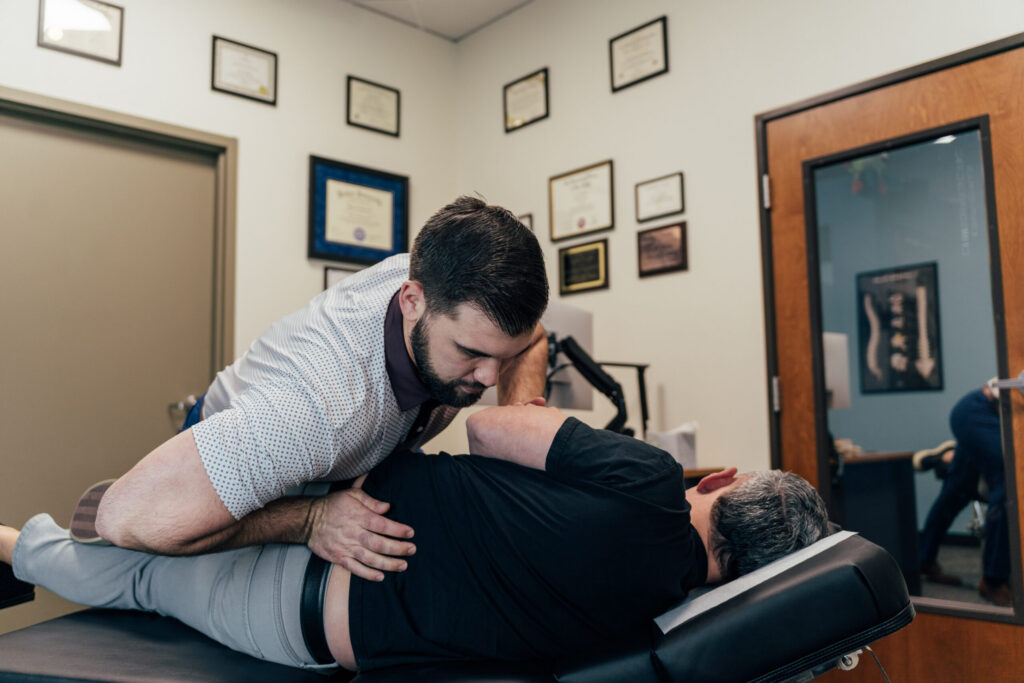

As a local chiropractor, I want to emphasize just how crucial your posture is when it comes to managing back pain. Many people don’t realize that simple habits—like how you sit, stand, or even sleep—can significantly worsen your discomfort. It’s common to make small, unintentional mistakes that can lead to misalignment and pain over time. However, by making a few mindful adjustments to your posture, you can greatly enhance your spinal health and overall well-being.
Are you aware of the typical pitfalls that might be contributing to your back pain? Understanding these can help you take the first steps toward relief. I encourage you to explore practical strategies that can transform your experience with back pain therapy. Remember, your posture plays an essential role in your daily life, and by focusing on it, you can pave the way to a healthier, pain-free future. Let’s work together on making those adjustments for lasting benefits!
Understanding the Importance of Posture in Back Pain Relief
As a local chiropractor, I want to emphasize the crucial role that posture plays in relieving back pain and enhancing your overall health. When you understand the importance of maintaining good posture, it can significantly transform how you engage in daily activities. Proper posture supports the natural alignment of your spine, which in turn alleviates strain on your muscles and ligaments.
By adopting a tall stance and sitting upright, you can evenly distribute your body weight, thereby reducing pressure on your back.
Being mindful of your posture during various activities is essential. Whether you’re lifting objects, working at a desk, or simply walking, maintaining spinal alignment can help prevent unnecessary discomfort. Additionally, strengthening your core muscles plays a vital role in supporting your back and improving your stability.
I encourage you to incorporate small adjustments to your posture throughout your day. Simple changes in how you sit, stand, and move can have a profound effect on your comfort.
Common Posture Mistakes That Worsen Back Pain
As a local chiropractor, I often see patients who are unaware of how their everyday posture habits can contribute to back pain. Many individuals tend to slouch while sitting, which places unnecessary strain on the spine and surrounding muscles.
Additionally, leaning forward—especially when using devices like smartphones or computers—can lead to discomfort in both the neck and back. If you find yourself crossing your legs while seated, this can create an imbalance in your hips that may lead to pain over time.
Another common issue is standing with your weight shifted onto one leg. This uneven weight distribution can put extra pressure on your lower back. Many people don’t realize that hunching their shoulders can create tension and stiffness, exacerbating discomfort.
Moreover, lifting heavy objects without employing proper technique can result in serious injury. It’s crucial to bend your knees and keep the load close to your body to avoid strain.
The Role of Ergonomics in Daily Activities
As a local chiropractor, I want to emphasize how your daily activities can significantly influence your posture and overall back health. Understanding ergonomics is crucial in achieving a healthier lifestyle, especially when it comes to your routine tasks.
Whether you’re at your desk, lifting groceries, or using your phone, maintaining proper posture is vital for preventing discomfort and long-term issues.
Start by adjusting your chair height so that your feet rest flat on the floor, ensuring proper alignment of your spine. Position your computer monitor at eye level to prevent unnecessary strain on your neck.
When lifting objects, always bend at your knees rather than your back; this simple adjustment can help prevent injury and protect your spine.
Incorporating ergonomic tools, such as a lumbar support cushion or an adjustable desk, can greatly assist you in maintaining good posture throughout the day.
Also, pay attention to how you hold your phone or tablet; try to elevate them to eye level instead of bending your neck down.
Remember, small adjustments in your daily activities can lead to significant improvements in your back health, helping you avoid discomfort and pain in the long run.
Simple Exercises to Improve Posture
As a local chiropractor, I want to emphasize that improving your posture is a straightforward process that doesn’t need to be overwhelming.
By integrating some simple desk stretching techniques, engaging in core strengthening exercises, and setting daily reminders for yourself, you can significantly enhance your overall well-being.
These strategies not only help you stand taller but also play a vital role in alleviating back pain.
Let’s delve into these effective methods to foster better posture and promote a healthier lifestyle.
Your body will thank you!
Desk Stretching Techniques
As your chiropractor, I want to emphasize the importance of incorporating simple stretching techniques into your daily routine, especially if you find yourself sitting at a desk for long periods.
These stretches can significantly improve your posture and help alleviate discomfort you may be experiencing.
Start by maintaining a straight posture—sit up tall and gently roll your shoulders back and down. Hold this position for a few seconds to allow your muscles to relax, then release.
Next, let’s focus on your neck. Tilt your head toward one shoulder and hold for about 15 seconds before switching to the other side. This gentle stretch can help relieve tension in the neck area.
For your back, interlace your fingers and stretch your arms overhead. This motion will create a feeling of elongation throughout your spine, which is essential for maintaining a healthy alignment.
It’s also important to pay attention to your wrists, especially if you’re typing or using a mouse frequently. Extend one arm out, and with the other hand, gently pull back on your fingers to stretch the wrist and forearm.
Lastly, I encourage you to stand up every hour. Take a few steps around your workspace and incorporate a quick forward bend to release any built-up tension.
These simple stretches can make a significant difference in your overall well-being and can complement the chiropractic care you receive.
Core Strengthening Exercises
As a local chiropractor, I want to emphasize the critical role that core strengthening exercises play in maintaining good posture and overall spinal health. Many of my patients may not be familiar with how these exercises can significantly improve stability and reduce discomfort.
To get started, I recommend incorporating planks into your routine. Begin by holding a straight position on your elbows and toes for about 30 seconds. This exercise not only engages your core but also supports your spine.
Next, try bridges. Lie on your back with your knees bent, and lift your hips towards the ceiling. This movement strengthens your glutes and lower back, which are vital for a strong foundation.
Another effective exercise is the bird-dog. Position yourself on all fours and extend one arm forward while simultaneously stretching the opposite leg back. This exercise enhances coordination and balance while targeting your core.
Lastly, seated leg raises are an excellent way to strengthen your abdominal muscles while sitting straight in a chair. Simply lift each leg alternately to engage your core without straining your back.
These exercises specifically target the abdominal and back muscles, which are essential for improving posture and alleviating back pain. By committing to a regular routine, you can experience significant improvements in both your posture and overall well-being.
Daily Posture Reminders
As your local chiropractor, I want to emphasize the importance of maintaining good posture for your overall health and well-being. Many people are unaware of how simple adjustments in their daily routine can significantly impact their posture and, consequently, their spine health.
To start, I recommend setting hourly reminders throughout your day to check in on your posture. A quick stretch can work wonders to alleviate tension. One effective exercise is the shoulder blade squeeze: simply pull your shoulders back and hold for five seconds. This helps to strengthen the muscles that support your spine.
Another beneficial practice is the chin tuck. While standing tall, gently draw your chin toward your neck, ensuring your ears align with your shoulders. This simple movement can greatly reduce strain on your neck and upper back.
When you’re sitting, remember to keep your feet flat on the ground and your knees bent at a right angle. Using a small cushion to support your lower back can also provide additional comfort and promote a healthy spine alignment.
Lastly, it’s crucial to take regular breaks from screens. Prolonged sitting and screen time can lead to poor posture and discomfort.
How to Maintain Proper Posture While Sitting
As a local chiropractor, I want to emphasize the importance of maintaining proper posture while sitting, especially if you find yourself in a chair for extended periods. The choice of chair plays a crucial role in your comfort and spinal alignment.
It’s not just about having a comfortable seat; the right chair can support your back and help prevent discomfort and injury.
Additionally, adjusting your desk height is vital. Your workspace should be set up in a way that allows your feet to rest flat on the floor, which provides the necessary support for your spine.
This simple adjustment can have a significant impact on your sitting posture and overall health.
Let me guide you through these essential elements. By understanding how to properly set up your sitting environment, you can promote better posture and reduce the risk of back pain.
Chair Selection Matters
As a local chiropractor, I want to emphasize the importance of selecting the right chair for your overall health and well-being, particularly if you find yourself sitting for extended periods. A chair that provides proper support for your lower back is crucial; lumbar support is vital for keeping your spine aligned, which can prevent discomfort and potential injuries.
When choosing a chair, look for one with adjustable height to ensure that your feet can rest flat on the floor. This positioning helps alleviate strain on your legs and back, promoting better posture. Additionally, a chair with a comfortable cushion encourages you to sit upright rather than slouching, which can lead to various musculoskeletal issues over time.
Pay attention to the armrests as well; they should be at a height that allows your shoulders to stay relaxed. This small adjustment can make a significant difference in reducing tension in your upper body.
Lastly, I recommend considering a chair that allows for movement, such as a swivel feature. This can help you shift positions easily throughout the day, minimizing discomfort and fatigue.
Desk Height Adjustment
As a local chiropractor dedicated to your well-being, I want to emphasize that choosing the right chair is just the first step in creating a healthy workspace.
Equally important is ensuring your desk height is properly adjusted to maintain good posture while seated. A well-positioned desk not only helps you avoid unnecessary strain but also supports your spinal alignment, which is crucial for overall health.
Here are four essential tips to help you achieve the right desk height:
- Elbow Angle: When seated at your desk, check that your elbows form a 90-degree angle as your hands rest comfortably on the keyboard. This position allows for optimal arm support and reduces strain on your shoulders.
- Screen Level: It’s essential to position your monitor so that the top of the screen is at or slightly below eye level. This adjustment helps minimize neck strain and promotes a more natural alignment of your spine.
- Knees Clearance: Ensure that your knees have enough space to fit comfortably under the desk. Avoid any obstructions that might lead to awkward positioning, as this can contribute to discomfort and misalignment over time.
- Feet Position: Keep your feet flat on the ground or use a footrest if needed. This stable position provides support and helps maintain proper posture throughout your workday.
By making these adjustments, you can significantly improve your sitting posture and reduce the likelihood of experiencing back pain.
Foot Placement Importance
As a local chiropractor, I want to emphasize the crucial role proper foot placement plays in maintaining good posture while sitting. Your foot positioning can greatly affect your overall alignment and comfort.
Ideally, your feet should be flat on the ground, with your knees forming a 90-degree angle. If your feet are dangling or resting on your toes, it can create unnecessary strain in your lower back and legs, leading to discomfort.
If your chair is too high, consider using a footrest to keep your feet supported. This adjustment helps distribute your weight evenly, reducing pressure on your spine and promoting better alignment.
It’s also important to avoid crossing your legs, as this can twist your pelvis and misalign your spine over time.
By paying attention to your foot placement, you can significantly enhance your posture and alleviate discomfort. This simple adjustment can lead to a more productive and pain-free sitting experience.
Posture Tips for Standing and Walking
As a local chiropractor, I want to emphasize the importance of maintaining good posture while standing and walking, as it plays a crucial role in your overall back health. Many people underestimate how proper posture can alleviate strain on the spine and promote better alignment.
Here are some essential tips to help you improve your posture:
- Align Your Ears, Shoulders, and Hips: Visualize a straight line connecting these three points. Achieving this alignment can enhance your balance and stability, making it easier for your body to function optimally.
- Engage Your Core: Gently tightening your abdominal muscles is key. This action not only supports your spine but also helps prevent slouching, reducing the risk of discomfort and injury.
- Keep Your Feet Hip-Width Apart: Adopting a stance where your feet are hip-width apart creates a strong foundation, allowing for even weight distribution. This simple adjustment can make a significant difference in your posture.
- Avoid Locking Your Knees: When standing, it’s beneficial to maintain a slight bend in your knees. This practice reduces tension in your lower back and promotes a more relaxed and natural posture.
By incorporating these tips into your daily routine, you can significantly improve your posture, which in turn supports your spine’s health and overall well-being.
If you have any questions or need personalized guidance, please feel free to reach out during your next visit!
The Impact of Sleep Position on Spinal Health
As a local chiropractor, I want to emphasize the crucial role your sleep position plays in your spinal health. Many people may not realize how their nightly habits can impact their well-being.
For instance, sleeping on your back is often considered the best option for maintaining proper spinal alignment. This position helps keep your head, neck, and spine in a neutral state, reducing the risk of discomfort.
If you’re a side sleeper, I recommend placing a pillow between your knees. This simple adjustment can help preserve the natural curve of your spine, keeping your hips aligned and alleviating any unnecessary strain.
On the flip side, sleeping on your stomach can create increased pressure on your spine, which may lead to discomfort over time. If this is your preferred position, consider using a thin pillow or even forgoing a pillow altogether to help minimize neck strain.
Being aware of your sleep position can significantly influence how you feel each day. I encourage you to prioritize a supportive mattress and ensure proper alignment while you sleep.
Incorporating Posture Awareness Into Your Routine
As a local chiropractor, I want to share some essential tips to help you improve your posture and overall well-being.
Start by performing a daily posture check; this simple practice will help you become more aware of your body’s alignment throughout the day.
It can be beneficial to set up an ergonomic workspace, designed to support your back and promote healthy habits.
By incorporating these strategies into your daily routine, you’ll not only reduce back pain but also enhance your overall comfort and health.
Daily Posture Check
As a local chiropractor committed to promoting your overall well-being, I want to emphasize the importance of incorporating a daily posture check into your routine for improved back health.
Many individuals underestimate how significantly posture affects spinal health, but by developing the habit of regularly evaluating your posture, you can prevent discomfort and enhance your spine’s well-being.
Here are four simple steps to help you integrate this practice into your daily life:
- Set Reminders: Utilize your smartphone or sticky notes to prompt yourself to check your posture at various points throughout the day. Consistent reminders can make a world of difference in your awareness.
- Visual Cues: Position mirrors in prominent areas of your home or workspace. This allows you to catch a glimpse of your posture as you engage in daily tasks, helping you to self-correct when necessary.
- Mindfulness Moments: Dedicate a few seconds every hour to pause and consciously assess and adjust your posture. This small act can lead to significant improvements in how your body feels over time.
- Stretch Breaks: Integrate brief stretching sessions into your day to alleviate tension and reset your posture. Simple stretches can relieve tightness and promote a more aligned spine.
By staying mindful of your posture, you not only enhance your comfort but also support the natural healing processes of your body.
Ergonomic Workspace Setup
As a chiropractor, I want to emphasize the importance of creating an ergonomic workspace for your overall spinal health and well-being. Maintaining good posture is crucial, especially if you find yourself sitting for long periods.
Start by ensuring your chair is properly adjusted so that your feet rest flat on the floor and your knees are at or below hip level. This alignment helps prevent strain on your lower back.
Next, position your monitor at eye level and about an arm’s length away. This will help you avoid unnecessary neck strain, which is a common issue I see in patients who spend hours in front of a screen.
Additionally, it’s important to use a keyboard and mouse that allow your wrists to remain straight and your arms to rest at a right angle; this reduces the risk of repetitive strain injuries.
Make sure your chair provides adequate lumbar support to help maintain the natural curve of your spine.
Remember, regular breaks are vital! Take time to stretch and move around; this can significantly alleviate tension and reduce your risk of back pain.
Mindfulness Techniques for Better Posture
As a chiropractor, I often see how mindfulness can play a crucial role in improving posture and relieving back pain. Many people don’t realize that by simply being more aware of their bodies, they can make significant strides toward better alignment and overall wellness.
Here are some mindfulness techniques that I recommend to my patients:
- Breath Awareness: Pay close attention to your breathing. When you inhale deeply, imagine your spine lengthening. This visualization can help create space in your back and encourage a more upright posture.
- Body Scan: Take a moment each day to conduct a body scan. Start from the top of your head and move down to your toes, identifying areas of tension. Use this awareness to make subtle adjustments to your posture where needed.
- Posture Reminders: I encourage my patients to set reminders throughout the day to check in on their posture. Whether it’s sticky notes on your desk or alerts on your phone, these prompts can help you stay mindful of your alignment.
- Mindful Movement: Incorporating gentle stretches or yoga into your daily routine can greatly benefit your posture. These activities promote flexibility and strengthen the muscles that support your spine, contributing to a healthier back.
By integrating these mindfulness techniques into your life, you can enhance your posture and experience relief from back pain naturally.
Long-Term Benefits of Correct Posture for Back Pain Management
As your local chiropractor, I want to emphasize the importance of being mindful about your posture. Many people don’t realize that improving your posture can provide not only immediate relief from discomfort but also long-term benefits for managing back pain.
When you maintain proper alignment, you’re actively reducing stress on your spine and surrounding muscles, which can help prevent chronic pain from becoming a part of your life.
By adopting good posture habits, your body begins to adapt over time, making it easier for you to perform daily activities without the nagging discomfort that often comes with poor alignment. Proper posture also enhances your body mechanics, leading to improved flexibility and strength in your core muscles.
This can greatly enhance your balance and coordination, which in turn lowers your risk of injury.
You might be surprised to learn that correct posture can even boost your energy levels. When your body is properly aligned, it allows for better circulation and oxygen flow, which is crucial for overall vitality.
As you commit to being mindful of your posture, you aren’t just alleviating pain; you’re investing in a healthier lifestyle. The positive effects of improved posture can ripple through many aspects of your life, contributing to both your physical and emotional well-being.
I encourage you to consider how small changes in your posture can lead to significant improvements in your life. Let’s work together to create a foundation for better health!
Conclusion
As a local chiropractor, I want to share with you some essential tips on how prioritizing proper posture can significantly alleviate back pain and improve your overall health. Many of my patients have experienced relief simply by making a few small adjustments in their daily routines.
It’s crucial to stay aware of your body alignment throughout the day. This means being conscious of how you sit, stand, and move. I also recommend incorporating core-strengthening exercises into your routine, as a strong core supports your spine and helps maintain good posture.
Additionally, setting up an ergonomic workspace can make a world of difference. Ensure that your chair, desk, and computer are positioned in a way that promotes proper posture and reduces strain on your back.
Remember, even minor changes can lead to significant, lasting results. By embracing these posture secrets, you not only have the potential to find relief from discomfort but also to lead a healthier, more active lifestyle. Your back will certainly thank you for taking these steps towards better health! If you have any questions or need guidance, I’m here to help you on your journey to wellness.