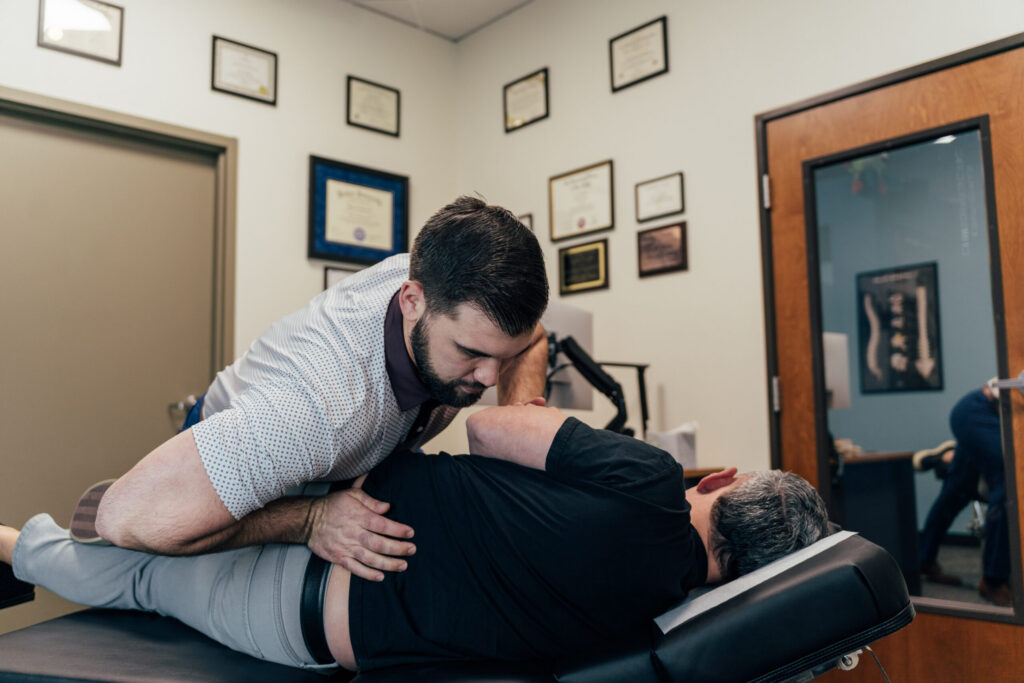

You might not realize how much your spine affects your overall sense of relaxation, but chiropractic care can offer you natural solutions to help you unwind. By focusing on spinal alignment, you can enhance your nervous system function and alleviate chronic pain, which in turn improves your sleep quality. Regular adjustments not only relieve muscle tension and anxiety but also pave the way for mindfulness practices. Curious about how to integrate these techniques into a personalized routine that promotes relaxation and wellness? Let's explore the various approaches that can truly make a difference.
Understanding Chiropractic Care
What do you really know about chiropractic care? If you're like many people, you might think it only involves cracking backs or treating pain. However, chiropractic care is much more than that. It focuses on the relationship between your spine and nervous system, emphasizing the importance of proper alignment for overall health and well-being.
Chiropractors use hands-on spinal manipulation and other techniques to adjust misaligned joints. When these joints are out of place, they can affect your nervous system, leading to a variety of health issues beyond just back pain. You might be surprised to learn that chiropractic care can support your body's natural ability to heal itself.
During your first visit, a chiropractor will assess your posture, movement, and any areas of discomfort. They'll ask about your medical history and may even perform some tests to understand your unique needs better. This thorough evaluation helps them develop a tailored treatment plan for you.
Chiropractic care isn't just for those in pain; it's also a proactive approach to maintaining health. Regular adjustments can help you stay aligned and functioning efficiently.
You might find that it not only improves your physical well-being but also enhances your mental clarity and relaxation. So, whether you're dealing with stress, discomfort, or simply want to feel your best, understanding chiropractic care can be your first step toward a healthier, more balanced life.
Benefits of Chiropractic Adjustments
Chiropractic adjustments can offer you significant benefits that go beyond just easing discomfort.
You might find that these treatments enhance pain relief, improve your sleep quality, and even help reduce stress.
Pain Relief Enhancement
Experience the transformative benefits of chiropractic adjustments, which greatly enhance pain relief. By realigning your spine and joints, chiropractors help restore proper function, alleviating tension and discomfort.
When you visit a chiropractor, they assess your specific pain points, tailoring adjustments to your unique needs. This personalized approach means you're more likely to experience considerable relief from chronic pain, headaches, and muscle tension.
Chiropractic care focuses on the root cause of your pain rather than just masking the symptoms. As your spine regains its natural alignment, your body's nervous system functions more efficiently, promoting healing and reducing inflammation.
You'll find that regular adjustments not only ease immediate pain but can also lead to long-term improvements in overall wellness.
Moreover, chiropractic treatments can enhance your mobility, allowing you to engage in daily activities with greater ease. The combination of pain relief and improved function can greatly enhance your quality of life.
Many patients report feeling more energetic and less stressed following their adjustments. So if you're seeking a natural, effective way to manage pain, consider chiropractic care as a crucial component of your wellness journey.
Improved Sleep Quality
Finding it hard to get a good night's sleep? You're not alone. Many people struggle with rest, but chiropractic adjustments can help enhance your sleep quality. When your spine is aligned, your nervous system functions better, promoting relaxation and reducing tension. This can lead to a more restful night.
Chiropractic care also addresses underlying issues that might be disrupting your sleep, such as chronic pain or discomfort. By alleviating these problems, you can fall asleep faster and stay asleep longer. Adjustments can also improve blood circulation, which is vital for your body's recovery during sleep.
In addition, regular chiropractic visits can help regulate your sleep patterns. Many patients report feeling more relaxed and less anxious after their sessions, making it easier to drift off into a peaceful slumber.
You'll likely notice a reduction in stress and a clearer mind, both of which are fundamental for quality rest.
Stress Reduction Techniques
When you're feeling overwhelmed by stress, chiropractic adjustments can offer significant relief.
These adjustments not only help align your spine but also reduce tension in your muscles, allowing you to feel lighter and more relaxed. By addressing the physical manifestations of stress, chiropractic care can be an essential part of your stress reduction toolkit.
Here are three stress reduction techniques you can implement along with chiropractic adjustments:
- Breathing Exercises: Deep, intentional breathing can calm your nervous system. Combine this with your chiropractic sessions to enhance relaxation.
- Regular Adjustments: Consistent visits to your chiropractor can keep your body aligned and your stress levels in check. Regular adjustments help maintain your physical well-being, which can contribute to a more relaxed state of mind.
- Mindfulness Practices: Incorporating mindfulness practices, such as meditation or yoga, can amplify the benefits of chiropractic care. These techniques can further reduce stress and promote a sense of calm.
Techniques for Stress Relief
When you're feeling stressed, incorporating breathing exercises can help calm your mind and body.
Additionally, stretching and movement techniques can release tension and improve your overall well-being.
Let's explore how these methods can provide effective stress relief.
Breathing Exercises Benefits
Many people underestimate the power of breathing exercises in managing stress and promoting relaxation. Incorporating these simple techniques into your daily routine can lead to significant improvements in your overall well-being.
By focusing on your breath, you can effectively calm your mind and body, making it easier to handle the challenges life throws at you.
Here are three key benefits of breathing exercises:
- Reduces Anxiety: Deep, controlled breathing activates your body's relaxation response, lowering heart rate and reducing feelings of anxiety.
- Improves Focus: When you take a moment to breathe deeply, you clear your mind and enhance your concentration. This clarity can boost productivity and help you tackle tasks more efficiently.
- Promotes Mindfulness: Breathing exercises encourage you to be present in the moment. This practice cultivates mindfulness, allowing you to appreciate your surroundings and maintain a calmer mindset amidst chaos.
Incorporate these breathing techniques into your chiropractic care routine, and you'll find that managing stress becomes much more manageable.
Stretching and Movement Techniques
Flexibility and movement play essential roles in relieving stress and enhancing overall well-being. Incorporating stretching and movement techniques into your daily routine can greatly improve your mental and physical health.
Start with gentle stretches that target areas of tension, like your neck, shoulders, and back. These stretches can help release built-up tension, allowing you to feel more relaxed and focused.
You might also consider incorporating yoga or tai chi into your routine. Both practices emphasize slow, controlled movements and deep breathing, which can help calm your mind while promoting flexibility and strength.
Even a short, brisk walk can work wonders; it gets your blood flowing and releases endorphins, the body's natural stress relievers.
Don't forget about posture—maintaining proper alignment during your daily activities can prevent unnecessary strain and discomfort. As you stretch and move, listen to your body; if something doesn't feel right, adjust your approach.
Combining Chiropractic With Massage
Combining chiropractic care with massage therapy creates a powerful approach to relaxation and overall well-being. When you bring together these two holistic practices, you're likely to experience enhanced benefits that go beyond what either treatment can achieve alone.
Chiropractic adjustments align your spine and improve nerve function, while massage therapy relaxes your muscles and stimulates circulation. Together, they create a synergistic effect that can greatly reduce stress and tension.
Here are three key benefits of combining chiropractic care with massage therapy:
- Enhanced Pain Relief: Chiropractic adjustments can alleviate structural issues, while massage therapy targets soft tissue problems. Together, they address pain from multiple angles, providing you with more thorough relief.
- Improved Flexibility and Mobility: After receiving chiropractic adjustments, adding massage therapy can help maintain and enhance your range of motion. This combination can lead to greater overall mobility, making everyday activities more enjoyable.
- Decreased Stress Levels: Both chiropractic care and massage therapy are known for their relaxation benefits. When you combine them, you create a calming experience that can lower cortisol levels and promote a sense of well-being.
Stretching and Mobility Exercises
Incorporating stretching and mobility exercises into your routine can greatly enhance the benefits of chiropractic care and massage therapy. These exercises help improve flexibility, reduce muscle tension, and increase your overall range of motion. When you combine them with chiropractic adjustments, you'll likely experience more effective and lasting results.
Start by identifying areas where you feel tightness or discomfort. Focus on these areas during your stretching sessions. Simple stretches, like neck tilts and shoulder rolls, can relieve tension and improve circulation. For your lower back, try gentle twists and seated forward bends to promote flexibility and alleviate pain.
Mobility exercises are just as important. They help you maintain joint health and improve functional movement. Consider incorporating dynamic stretches like leg swings and arm circles into your warm-up routine. These exercises prepare your body for activity and can prevent injuries.
It's essential to listen to your body while stretching and performing mobility exercises. You should feel a gentle pull, but never pain. If you feel discomfort, ease off and adjust your position.
Consistency is key—aim to stretch and perform mobility exercises at least three times a week.
Mindfulness Practices With Chiropractic
Embracing mindfulness practices alongside chiropractic care can greatly enhance your overall well-being. By integrating mindfulness into your routine, you can experience deeper relaxation and improved physical health.
Here are three effective mindfulness practices to reflect on:
- Deep Breathing: Take a moment to focus on your breath. Inhale deeply through your nose, allowing your abdomen to expand, then exhale slowly through your mouth. This simple practice can calm your mind and reduce tension in your body. Pair this with your chiropractic sessions for maximum effect.
- Body Scan Meditation: After a chiropractic adjustment, try a body scan meditation. Lay down comfortably and mentally check in with each part of your body, from your toes to your head. Notice any areas of tension or discomfort and consciously release that tension. This practice fosters a deeper connection with your body and enhances the benefits of chiropractic care.
- Mindful Movement: Incorporate mindfulness into your daily movements. Whether you're walking, stretching, or engaging in your favorite exercises, pay attention to how your body feels. Notice the sensations, your posture, and your alignment.
This awareness can help you maintain the adjustments made during your chiropractic visits and promote overall body awareness.
Nutrition's Role in Relaxation
Nutrition plays an essential role in your relaxation and overall well-being. What you eat directly impacts your body's ability to cope with stress and unwind. A balanced diet rich in whole foods can help stabilize your mood, boost energy levels, and promote a sense of calm. Incorporating nutrient-dense foods like fruits, vegetables, whole grains, lean proteins, and healthy fats into your meals can work wonders for your mental state.
Certain nutrients, such as magnesium, can greatly influence your relaxation response. Foods like spinach, nuts, and legumes are excellent sources of magnesium and can help reduce anxiety and promote a restful state. Omega-3 fatty acids, found in fish, flaxseeds, and walnuts, also play a crucial role in brain health and mood regulation. Including these in your diet can foster a more relaxed mindset.
Additionally, it's important to stay hydrated. Dehydration can lead to fatigue and irritability, making it harder for you to relax. Aim to drink plenty of water throughout the day, and consider herbal teas, like chamomile or peppermint, which have calming properties.
Lastly, be mindful of your caffeine and sugar intake. While they might provide temporary boosts, excessive consumption can lead to crashes, increasing stress levels.
Creating a Relaxation Routine
Creating a relaxation routine can greatly enhance your ability to unwind and recharge. Establishing a consistent practice helps signal to your body and mind that it's time to let go of stress.
By incorporating various elements into your routine, you can create a personalized approach that meets your unique needs.
Here are three components to contemplate when building your relaxation routine:
1. Breathing Exercises: Deep, intentional breathing can be incredibly grounding. Spend a few minutes each day focusing on your breath. Inhale slowly through your nose, hold for a moment, then exhale gently through your mouth.
This simple practice can help reduce anxiety and promote a sense of calm.
2. Gentle Stretching: Incorporate light stretching or yoga into your routine. These movements can help alleviate tension in your muscles and improve flexibility.
Even just ten minutes of gentle stretches can make a big difference in how you feel, physically and mentally.
3. Mindful Moments: Set aside time for mindfulness or meditation. Whether it's sitting in silence, listening to calming music, or practicing guided imagery, these moments can help center your thoughts and bring awareness to the present.
When to Seek Chiropractic Help
Knowing when to seek chiropractic help can make a significant difference in your overall well-being. If you're experiencing persistent pain in your back, neck, or joints, it's crucial to consult a chiropractor. These professionals specialize in musculoskeletal issues and can identify underlying problems that mightn't be apparent at first.
You should also consider chiropractic care if you notice a decrease in your mobility or flexibility. If simple tasks become challenging or you feel stiff after sitting for long periods, a chiropractor can help restore your range of motion through tailored adjustments and exercises.
Additionally, if you've recently experienced an injury, whether from sports, an accident, or daily activities, don't hesitate to seek help. Early intervention can prevent chronic issues from developing.
Stress and tension can manifest physically, leading to headaches or muscle tightness. If you find yourself dealing with frequent headaches or ongoing tension, a chiropractor can provide techniques to alleviate those symptoms and improve your relaxation routine.
Finally, if you're looking to enhance your overall wellness or improve your posture, chiropractic care can be a proactive approach. Regular adjustments can help you maintain good alignment, reducing the risk of future issues.
Conclusion
Incorporating chiropractic care into your relaxation routine can greatly enhance your overall well-being. By focusing on spinal alignment and integrating techniques like gentle stretching, mindfulness practices, and a balanced diet, you can effectively manage stress and improve your sleep quality. Remember, regular adjustments not only relieve tension but also boost your nervous system function. If you're feeling overwhelmed, don't hesitate to seek chiropractic help—it's a natural path to a more relaxed and healthier you.