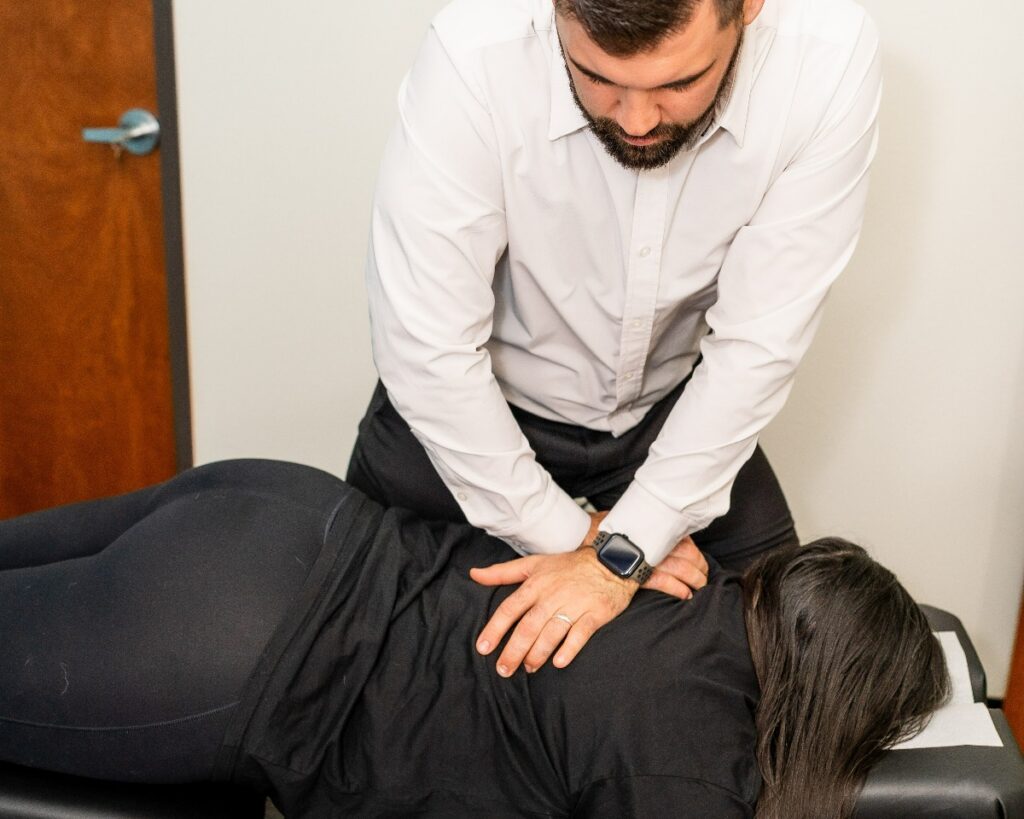

As a local chiropractor, I understand that managing pain can feel overwhelming for many of my patients. However, I want to share with you some effective natural techniques that can truly make a difference in your well-being. Chiropractic care goes beyond just spinal adjustments; it encompasses a holistic approach that includes mindfulness practices to enhance your emotional resilience, as well as physical therapies designed to strengthen your body.
Some of my patients have found that even simple adjustments to their daily routines can lead to significant improvements in their pain levels. If you’re curious about how these techniques can seamlessly fit into your life and the benefits they can bring, let’s explore them together. I’m here to guide you on this journey to better health and pain management through natural healing methods.
Mindfulness and Meditation
As a local chiropractor, I want to share with you how mindfulness and meditation can play a significant role in your journey toward pain relief and overall well-being. When you incorporate these practices into your routine, you can effectively alter your perception of pain. Mindfulness encourages you to stay present, which can help you detach from the discomfort you might be experiencing.
By focusing on your breath or simply observing your thoughts without judgment, you can train your mind to respond differently to pain signals. This shift in awareness may lead to a change in your emotional responses to pain, making it feel more manageable. Regular meditation sessions can also enhance your resilience and improve your ability to cope with challenges, including physical discomfort.
You don’t need any special equipment or elaborate setups to get started. Just find a quiet space and dedicate a few minutes each day to practice mindfulness or meditation.
Whether you choose guided sessions or prefer silent reflection, you’ll find that these techniques can empower you to take control of your pain experience. Ultimately, it’s about shifting your focus and nurturing a sense of inner peace, even when faced with discomfort.
As your chiropractor, I encourage you to explore these natural healing methods alongside your chiropractic care for a holistic approach to your health.
Physical Therapy and Exercise
Incorporating chiropractic care along with physical therapy and exercise into your pain management routine can significantly enhance your recovery and overall well-being.
These approaches focus on strengthening your muscles, improving flexibility, and promoting better movement patterns, all of which can help alleviate pain over time. As your chiropractor, I can design a personalized program tailored to your specific needs and limitations.
Engaging in regular exercise, even in gentle forms like walking or yoga, can trigger the release of endorphins—your body’s natural painkillers. This not only helps reduce physical discomfort but also addresses anxiety and depression, which are often associated with chronic pain.
Remember, consistency is crucial. Aim for short sessions several times a week, and always listen to your body.
It’s important to adjust activities as necessary to avoid overexertion. By integrating these practices, you can take significant strides toward achieving optimal health and wellness naturally.
Acupuncture and Acupressure
As a local chiropractor, I want to introduce you to the benefits of acupuncture and acupressure, two natural methods that can effectively help manage pain by targeting specific pressure points in the body.
Acupuncture involves the insertion of thin needles into precise points on the body. This practice stimulates the flow of energy, promoting healing and alleviating pain. Many of my patients find it particularly effective for issues like headaches, back pain, and joint discomfort.
While you may feel a slight pinch from the needles, most individuals report a sense of relaxation and a decrease in discomfort during the session.
In contrast, acupressure is a technique that utilizes finger pressure instead of needles, making it easy for you to practice at home. By applying firm pressure to designated points, you can help relieve tension and diminish pain on your own.
It’s straightforward to learn and can be performed whenever you need relief.
Both acupuncture and acupressure encourage your body’s innate healing processes and can work alongside other pain management strategies.
If you’re looking for a holistic approach to your health, I encourage you to explore how acupuncture or acupressure might benefit you in your journey toward wellness.
Herbal Remedies and Supplements
As your local chiropractor, I want to introduce you to the benefits of incorporating herbal remedies and supplements into your pain management routine.
While many individuals seek quick relief through conventional treatments, exploring natural alternatives can support your body’s innate healing capabilities and often come with fewer side effects.
For example, turmeric, which contains curcumin, is renowned for its anti-inflammatory properties that may help alleviate pain and reduce swelling.
Another effective remedy is ginger, known for its ability to soothe muscle pain and soreness.
Additionally, willow bark has been used traditionally for its pain-relieving effects, similar to those of aspirin.
In addition to these herbal options, consider supplements like omega-3 fatty acids, which are beneficial for joint health and can help diminish inflammation.
It’s crucial to consult with a healthcare professional before embarking on any new herbal program, especially if you’re on medication or have pre-existing health conditions.
By integrating these natural remedies into your wellness routine, you can take an active role in managing your pain more effectively and holistically.
As your chiropractor, I’m here to guide you through this journey and help you understand how chiropractic care, combined with these natural options, can enhance your overall health and well-being.
Heat and Cold Therapy
As your local chiropractor, I want to share with you the benefits of heat and cold therapy when it comes to managing pain.
These natural techniques can be incredibly effective in complementing your chiropractic care. Heat therapy works by relaxing your muscles and improving blood circulation, which can be especially helpful for tension or stiffness.
On the other hand, cold therapy is excellent for reducing inflammation and numbing sharp pain, making it a great option for acute injuries.
I encourage you to incorporate these methods into your pain management routine for enhanced relief and recovery.
Together, we can explore how heat and cold therapy can support your journey to better health.
Benefits of Heat Therapy
As a local chiropractor, I want to share with you the benefits of heat therapy, a natural and effective method to relieve pain, particularly for those experiencing muscle tension or joint discomfort.
When you apply heat to an affected area, it increases blood flow, which can help relax tight muscles and ease aching joints. Many of my patients find that using a heating pad, hot water bottle, or a warm towel brings them quick relief.
Heat therapy is also fantastic for enhancing flexibility, allowing you to move more freely and comfortably. This approach is especially beneficial for chronic pain conditions like arthritis or back pain, which I often see in my practice.
Beyond physical benefits, the warmth provided by heat therapy can create a soothing, calming effect, reducing stress and lifting your mood. Whether you’re enjoying a warm bath or using a heat wrap, integrating heat therapy into your self-care routine can significantly improve your comfort and overall well-being.
If you’re curious about how this can complement your chiropractic care, feel free to ask during your next visit!
Cold Therapy Techniques
As a local chiropractor, I want to share with you an important aspect of pain management that often complements the benefits of heat therapy: cold therapy. This technique is a powerful tool for managing pain and can be particularly effective in reducing inflammation, numbing sharp pain, and decreasing swelling.
You might be wondering how to apply cold therapy effectively. Simple options include using ice packs, cold compresses, or even a bag of frozen vegetables wrapped in a towel. Ideally, you should apply the cold for about 15-20 minutes at a time.
Remember to let your skin warm back up between sessions to avoid any risk of frostbite.
Cold therapy is particularly beneficial for acute injuries, headaches, and muscle strains. However, it’s essential to avoid placing ice directly on your skin to prevent damage.
Essential Oils and Aromatherapy
As your local chiropractor, I want to introduce you to the remarkable benefits of essential oils and aromatherapy in managing pain.
These natural remedies can be powerful allies in your journey towards better health and well-being. In this discussion, we’ll explore various essential oils and their specific benefits, delve into popular techniques for incorporating them into your routine, and highlight important safety considerations to keep in mind.
Together, let’s discover how these holistic approaches can complement your chiropractic care and enhance your overall wellness.
Benefits of Essential Oils
As a local chiropractor, I want to introduce you to the benefits of incorporating essential oils into your pain management routine. While many individuals often rely on conventional medicine for relief, essential oils present a natural alternative that can significantly enhance your overall well-being.
These concentrated plant extracts have unique properties that can help you manage pain effectively. For example, lavender oil is renowned for its calming effects, which can help reduce tension and promote relaxation—a vital aspect of healing.
If you suffer from headaches or muscle soreness, peppermint oil might be beneficial for you, as it provides a refreshing cooling sensation that can ease discomfort. Another essential oil worth mentioning is eucalyptus oil, known for its anti-inflammatory properties, which can assist in relieving joint pain.
In our practice, we often encourage patients to explore the use of essential oils through methods like aromatherapy or topical application. By incorporating these natural remedies into your daily life, you not only support physical relief but also nurture emotional balance, empowering you to take control of your health journey.
Embracing natural healing methods, like essential oils, can complement your chiropractic care and lead to a more holistic approach to your well-being.
Popular Aromatherapy Techniques
As a local chiropractor dedicated to promoting natural healing, I often encourage my patients to explore the benefits of aromatherapy alongside their chiropractic care. Essential oils can be a wonderful complement to your wellness journey.
Here are some effective techniques to consider:
- Diffusion: Utilizing a diffuser allows essential oils to be released into the air, creating a soothing environment in your home or office. This can’t only uplift your mood but also contribute to a sense of relaxation, which can be beneficial for your overall well-being.
- Topical Application: When diluted with a carrier oil, essential oils can be applied directly to specific areas of discomfort. This method can be particularly effective for targeting localized pain, helping to alleviate tension in muscles and joints.
- Inhalation: For immediate relief, try inhaling essential oils directly from the bottle or placing a few drops on a tissue. This technique can provide quick benefits, such as reducing stress or alleviating headaches, which may enhance your recovery and relaxation.
I encourage you to experiment with these aromatherapy techniques to find what resonates with you.
Integrating these practices can support your chiropractic treatment and promote natural pain management.
Safety Considerations and Usage
As a local chiropractor dedicated to promoting holistic health, I want to share some important safety considerations when incorporating aromatherapy into your wellness routine.
While exploring the benefits of essential oils can be a fantastic addition to your self-care, it’s crucial to prioritize safety. Always dilute essential oils with a carrier oil, such as coconut or jojoba oil, before applying them to your skin to avoid potential irritation or allergic reactions.
When using a diffuser, ensure your environment is well-ventilated, and limit prolonged exposure, particularly around pets and small children. If you’re pregnant or nursing, it’s wise to consult your healthcare provider before introducing any essential oils into your regimen.
Additionally, conducting a patch test on a small area of skin can help you identify any sensitivities you may have.
Remember, essential oils aren’t a replacement for professional medical treatment; instead, they serve as complementary support to your overall well-being.
Nutrition and Diet Adjustments
As a chiropractor, I want to emphasize how important thoughtful nutrition and diet adjustments can be in your journey towards pain management and overall wellness.
By selecting the right foods, you can’t only support your body’s natural healing processes but also help in reducing inflammation, which is often a significant contributor to pain.
Here are some dietary changes you might consider:
- Incorporate anti-inflammatory foods: Begin adding more fruits, vegetables, nuts, and whole grains into your meals. Foods that are rich in omega-3 fatty acids, such as salmon and flaxseeds, are particularly beneficial as they can help lower inflammation levels in the body.
- Stay hydrated: It’s crucial to drink enough water daily to maintain your overall health. Dehydration can exacerbate pain levels, so be mindful to keep sipping water throughout the day.
- Limit processed foods: Reducing your intake of sugar, refined carbohydrates, and unhealthy fats can make a significant difference in alleviating pain and enhancing your general well-being.
Conclusion
As your local chiropractor, I want to share how incorporating these seven natural techniques into your pain management routine can truly enhance your well-being. Understanding the benefits of practices like mindfulness can help you connect with your body and recognize pain triggers. Physical therapy is another crucial element; it works hand-in-hand with chiropractic care to improve mobility and reduce discomfort.
Have you considered acupuncture? This ancient practice can complement your chiropractic treatments by targeting specific pain points in the body. Additionally, essential oils can offer soothing relief and relaxation, while heat and cold therapy can effectively manage inflammation and muscle tension.
A balanced diet is also vital in supporting your overall health and resilience. It’s essential to listen to your body and experiment with these methods to discover what works best for you. By embracing these natural techniques, you’re taking proactive steps toward a more pain-free life and improved overall wellness. Let’s work together to find the right approach for you!