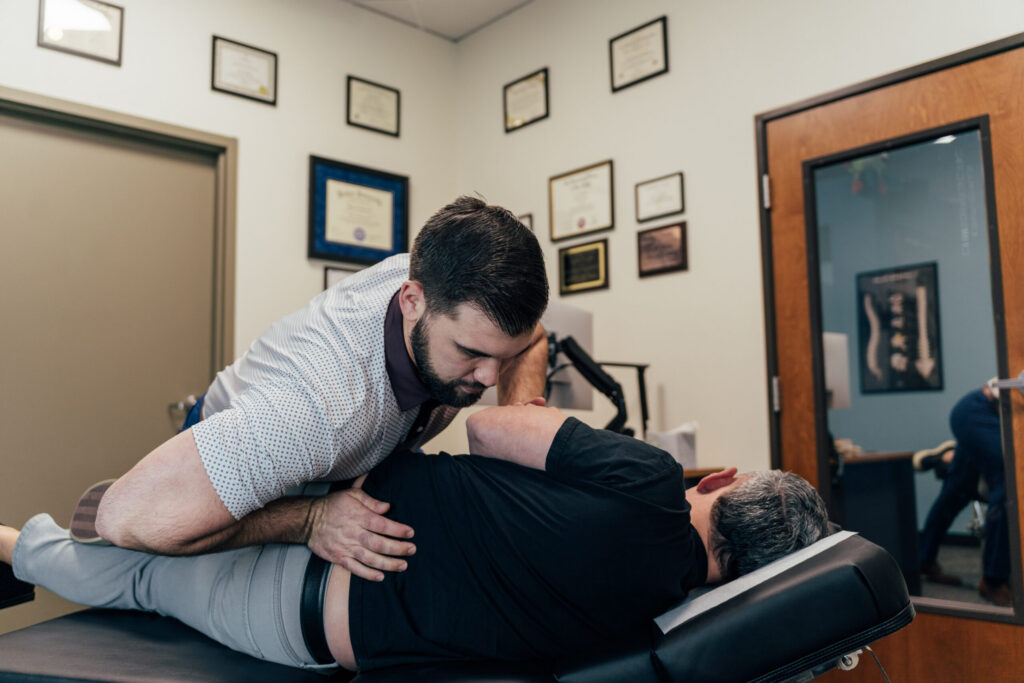

As a local chiropractor, I understand how debilitating neck pain can be and how it can interfere with your everyday activities. Many of my patients have found relief through natural solutions that we can explore together. Rather than relying solely on medication, there are gentle, holistic methods that can significantly ease discomfort.
From stretching techniques that promote flexibility to herbal teas that aid in relaxation, these strategies can support your body’s natural healing process. If you’re interested in discovering which approaches might be most beneficial for you, let’s take a closer look at some effective techniques that can truly transform your neck pain management journey. Your path to relief can start here, with a focus on natural healing and wellness.
Gentle Neck Stretches and Exercises
As a local chiropractor, I often encounter patients who experience neck tension and discomfort. It’s important to understand that gentle neck stretches and exercises can be an effective way to alleviate these issues and enhance mobility.
To start, I recommend either sitting or standing up straight. Begin by slowly tilting your head to one side, bringing your ear toward your shoulder. Hold this position for 15 to 30 seconds before switching to the other side. This simple movement helps to gently stretch the muscles around your neck.
Next, you can incorporate gentle head rotations. Slowly turn your head to one side, looking over your shoulder, and hold for the same duration. Remember to repeat this on both sides to ensure balanced movement.
Another valuable exercise is the chin tuck, which not only helps relieve tension but also strengthens the neck muscles. While sitting or standing tall, pull your chin in toward your throat and hold for a few seconds before releasing.
Additionally, don’t forget about shoulder rolls. Lift your shoulders toward your ears, then roll them back and down. This movement helps reduce tension in the upper back and shoulders, which can contribute to neck discomfort.
Incorporating these simple exercises into your daily routine can significantly relieve tension, improve flexibility, and promote better posture. Regular practice not only enhances your immediate comfort but also contributes to a healthier neck in the long run.
If you’re experiencing chronic neck issues, consider consulting with a chiropractor for personalized guidance and support.
Heat Therapy for Pain Relief
As a local chiropractor, I want to share with you a valuable tool for alleviating neck pain: heat therapy. This natural approach can significantly enhance your comfort by increasing blood circulation and relaxing tight muscles in the neck area.
Applying heat is simple and can be done with common resources such as a warm towel, a heating pad, or even during a hot shower.
Let’s dive into the benefits of heat therapy and explore some effective techniques that can help you experience relief from discomfort.
By incorporating this method into your routine, you can support your body’s natural healing processes and improve your overall well-being.
If you have any questions or need guidance on how to best implement heat therapy, feel free to reach out during your next visit.
Benefits of Heat Therapy
As a local chiropractor, I want to share with you a valuable tool for managing neck pain: heat therapy. It may seem simple, but applying heat to your neck can be a highly effective way to find relief. By increasing blood flow to the area, heat therapy can help reduce stiffness and promote healing. The warmth works wonders in soothing tight muscles, alleviating discomfort, and improving your range of motion.
Moreover, many of my patients find that heat therapy not only eases physical pain but also helps to relax the mind. This reduction in stress and tension can be particularly beneficial, as mental strain often exacerbates neck pain.
You have several options when it comes to heat therapy, such as using a heating pad, wrapping a warm towel around your neck, or even enjoying a hot shower. Incorporating heat therapy into your daily routine can offer immediate comfort and is a practical, accessible option that you can easily do at home.
As you explore natural healing methods, remember that heat therapy can be an integral part of your neck pain management strategy, complementing other chiropractic treatments I provide.
Application Techniques for Relief
As a local chiropractor, I want to share some effective techniques to help alleviate neck pain through heat therapy. Understanding how to apply heat can significantly enhance your recovery process.
First, consider the method that works best for you—options like heating pads, warm towels, or hot water bottles are all excellent choices. It’s important to ensure that the heat is warm, but not too hot, to avoid any risk of burns.
When you apply the heat, focus it directly on the area of discomfort for about 15-20 minutes. This can be repeated several times throughout the day, allowing your muscles to relax and promoting better blood flow, which is essential for healing.
If you’re using an electric heating pad, make sure to set it to a comfortable level and avoid falling asleep while using it, as this can lead to overheating.
Always pay attention to how your body responds; if you experience any discomfort, be sure to remove the heat source immediately.
With regular and consistent application, you may find that your neck pain improves over time. Remember, natural healing is a process, and incorporating techniques like heat therapy can be a valuable part of your overall care.
Cold Compress Techniques
As a local chiropractor, I often see patients who are unfamiliar with the benefits of natural healing techniques like cold compress therapy for relieving neck pain. When you apply a cold compress to your neck, it can work wonders by reducing inflammation and numbing the area, providing you with immediate relief.
To create your own cold compress, you can easily wrap ice cubes in a clean towel or use a bag of frozen vegetables—just ensure it’s not applied directly to your skin to prevent frostbite. It’s important to apply the compress for about 15-20 minutes at a time. You can repeat this process every hour as needed, especially after activities that might strain your neck.
If you prefer a more convenient option, consider using a gel pack that can be chilled in the freezer. Just be sure to let it cool down slightly before applying it to your neck.
Always pay attention to how your body responds; if the cold feels too uncomfortable, don’t hesitate to take a break. By incorporating these cold compress techniques into your routine, you can effectively manage your neck pain and improve your overall comfort throughout the day.
Essential Oils for Neck Pain
As a chiropractor, I often emphasize the importance of natural healing methods for alleviating neck pain, and essential oils can be a wonderful addition to your wellness routine. Oils such as lavender, peppermint, and eucalyptus have demonstrated anti-inflammatory and analgesic properties that can effectively soothe muscle discomfort in the neck area.
To incorporate these oils into your care, start by diluting them with a carrier oil—coconut or jojoba oil works well—and gently massage the blend onto your neck. This not only helps in relieving pain but also promotes relaxation in the surrounding muscles.
For an even more calming experience, consider using a diffuser in your home or office. By adding a few drops of your preferred essential oil, you can create a soothing environment that supports your healing process.
Alternatively, you might enjoy adding a few drops of essential oil to a warm bath, allowing the heat and fragrance to target tension in your neck.
Always remember to conduct a patch test with any new essential oil to ensure that your skin doesn’t react adversely.
With regular use of these natural remedies, alongside chiropractic care, you can find the relief you seek from neck pain and enhance your overall well-being.
Herbal Remedies and Teas
As a local chiropractor, I often encounter patients seeking relief from neck pain. While many may lean towards over-the-counter medications, I encourage exploring natural alternatives like herbal remedies and teas that can provide soothing benefits.
For instance, herbs such as ginger and turmeric are well-known for their anti-inflammatory properties, which can help alleviate pain and stiffness. Incorporating ginger tea into your daily routine or adding turmeric to your meals can be an easy way to harness these healing ingredients.
Chamomile tea is another excellent choice; its calming effects can help relieve tension in your neck. I recommend enjoying a warm cup before bedtime to promote relaxation and improve sleep quality.
Additionally, peppermint tea can be beneficial due to its menthol content, which may enhance circulation and reduce discomfort.
You might also consider creating your own herbal blends by mixing various dried herbs to find what works best for your body. Consistency is key with these natural remedies, and they can be a valuable part of your neck pain management strategy.
Posture Improvement Strategies
As a local chiropractor, I want to share with you how improving your posture can greatly alleviate neck pain.
Many people are unaware that simple adjustments to your workspace, combined with specific stretching and strengthening exercises, can provide significant relief.
By creating an ergonomic workspace, you can ensure that your neck is properly supported throughout the day, reducing strain and discomfort.
Incorporating targeted exercises into your daily routine can further strengthen the muscles that support your neck, leading to long-term benefits.
Let’s delve into these effective strategies together, so you can experience less pain and enhance your overall well-being through natural healing methods.
Ergonomic Workspace Setup
As a chiropractor, I understand the importance of creating an ergonomic workspace to promote good posture and alleviate neck pain, especially if you find yourself spending long hours at a desk.
It’s crucial to take a few simple steps to ensure your workspace supports your body in a healthy way.
First, let’s talk about your chair. Adjust it to provide proper support for your lower back, which can help maintain the natural curve of your spine. Make sure your feet are flat on the floor to promote stability and reduce strain on your legs.
Next, the positioning of your monitor is vital. It should be at eye level and about an arm’s length away. This way, you won’t have to strain your neck or eyes to see the screen, which can lead to discomfort over time.
Now, consider your keyboard and mouse. They should be positioned so that your wrists remain straight and relaxed while you work. Keep your arms at a 90-degree angle when typing to avoid unnecessary tension in your shoulders and wrists.
Also, ensure your desk is clutter-free. A tidy workspace not only promotes organization but also encourages you to maintain a good posture.
Lastly, if you frequently take phone calls, I recommend using a headset. This prevents you from cradling the phone between your shoulder and ear, which can lead to muscle strain and discomfort.
Remember, small adjustments in your workspace can lead to significant improvements in your overall well-being.
If you have any further questions or need personalized advice, feel free to reach out. Your health is worth it!
Stretching and Strengthening Exercises
As a local chiropractor, I want to share some valuable insights about how you can improve your posture and alleviate neck pain through simple adjustments and exercises. One of the first steps is to ensure your workspace is ergonomic, but that’s just the beginning.
Incorporating stretching and strengthening exercises into your daily routine can significantly enhance your overall spine health.
Start with some gentle neck stretches to relieve tension. Simple tilts to each side and forward bends can work wonders. I recommend holding each stretch for about 15-30 seconds to allow your muscles to relax.
Once you’ve loosened up your neck, it’s time to focus on strengthening. Exercises like wall angels and chin tucks are excellent for engaging the muscles in your neck and upper back. Aim for two to three sets of 10-15 repetitions for each exercise.
The key to seeing real benefits is consistency. By regularly integrating these exercises into your routine, you’ll not only improve your posture but also build resilience against future neck pain.
Massage Therapy Benefits
As a local chiropractor, I want to share with you the incredible benefits of massage therapy, which can complement your chiropractic care and enhance your overall wellness. While many people might associate massage with relaxation, its advantages extend much deeper.
When you receive a massage, it promotes better blood circulation throughout your body. This enhanced circulation not only delivers essential nutrients to your muscles but also aids in healing any soreness or injuries you may have. Improved blood flow can significantly reduce inflammation, effectively alleviating neck pain and stiffness.
Additionally, massage therapy plays a crucial role in the release of endorphins—your body’s natural pain-relievers. This process can uplift your mood and help you manage stress more effectively. A skilled massage therapist can focus on specific areas of tension, helping to release tight muscles and improve your range of motion and flexibility.
You may find that regular massages can also improve your sleep quality by reducing tension and fostering relaxation. By incorporating massage therapy into your wellness routine, you not only address neck pain but also support your overall physical and mental well-being.
This makes it a valuable part of a natural approach to pain management and health maintenance. As your chiropractor, I encourage you to consider how massage therapy can enhance your healing journey.
Acupuncture and Acupressure
As a local chiropractor, I want to introduce you to two ancient healing practices that can be incredibly beneficial for alleviating neck pain and promoting relaxation—acupuncture and acupressure.
Acupuncture involves the insertion of thin needles into specific points on your body. This technique stimulates the flow of energy, helping to release tension and encouraging your body to heal naturally. Many patients find acupuncture to be a surprisingly calming experience, as it can significantly reduce pain and enhance overall well-being.
In contrast, acupressure is a more hands-on approach where you use your fingers to apply pressure to these same points. This method is something you can easily practice at home, targeting areas that feel tight or painful.
Both acupuncture and acupressure aim to balance your body’s energy, reduce inflammation, and improve circulation, which can lead to substantial pain relief.
Integrating these practices into your wellness routine can enhance your overall health. Whether you choose to visit a licensed acupuncturist or try acupressure techniques on your own, you may notice a marked improvement in your neck pain and a deeper sense of relaxation.
As your chiropractor, I encourage you to explore these natural healing methods to support your journey towards better health.
Mindfulness and Relaxation Techniques
As a chiropractor, I want to emphasize the importance of mindfulness and relaxation techniques in relieving neck pain. Many patients may not realize how much tension can build up in the neck due to stress and poor posture.
Incorporating deep breathing exercises into your daily routine can be incredibly beneficial. These exercises help reduce muscle tension and promote a sense of relaxation, which is essential for healing.
Additionally, guided meditation practices can create a serene environment for your mind and body. This calming space allows your neck muscles to release tension and encourages overall well-being.
Deep Breathing Exercises
As a local chiropractor, I often emphasize the importance of deep breathing exercises in managing neck pain. These exercises can be a simple yet effective way to promote relaxation and alleviate muscle tension in the neck area.
When you focus on your breath, you allow your body to receive more oxygen, which can help reduce stress and tightness that often contribute to discomfort.
To get started, find a comfortable position—whether sitting or lying down. Close your eyes and take a slow, deep breath in through your nose, allowing your abdomen to expand fully. Hold that breath for a moment, then exhale gently through your mouth.
Repeat this process for several minutes. As you do this, you might notice your mind becoming quieter and your body more relaxed. This reduction in tension can make it much easier to manage any neck pain you may be experiencing.
Incorporating deep breathing into your daily routine is a natural and holistic approach that can greatly enhance your overall well-being.
As you continue with these exercises, you may find that they complement the chiropractic care you receive, leading to improved outcomes and a better quality of life.
Guided Meditation Practices
As a local chiropractor, I want to share the incredible benefits of guided meditation practices in managing neck pain. Many of my patients may not realize that by focusing your mind and relaxing your body, you can significantly alleviate the tension that contributes to your discomfort.
To get started, find a quiet space where you can unwind. You can use a guided meditation app or listen to a recording that resonates with you. As you immerse yourself in the practice, pay close attention to your breath and visualize warmth gently spreading through your neck and shoulders. This mental imagery is powerful; it helps to release tightness and encourages relaxation in those areas that are often the source of pain.
I also recommend exploring mindfulness techniques. This means becoming aware of your body’s sensations without judgment. You might notice areas of tightness or discomfort, and simply acknowledging these feelings can create space for healing.
Remember, regular practice of guided meditation can cultivate a sense of calm, which is crucial in reducing stress—an often overlooked factor that can exacerbate neck pain.
Over time, you may experience improved flexibility and a decrease in pain, which greatly enhances your overall well-being. Embracing these natural healing methods can complement your chiropractic care and lead you to a healthier, pain-free life.
Ergonomic Adjustments at Work
As a chiropractor, I want to emphasize the importance of creating an ergonomic workspace to help prevent neck pain and enhance your overall productivity. One of the first steps is to adjust your chair height. Your feet should rest flat on the floor, and your knees should form a 90-degree angle. This simple adjustment can help maintain proper alignment and reduce tension in your body.
Next, it’s crucial to position your monitor at eye level. You shouldn’t have to tilt your head up or down to see the screen, as this can lead to unnecessary strain on your neck.
I also recommend using a chair that provides adequate lumbar support, as this will help preserve the natural curve of your spine and reduce discomfort.
When it comes to your keyboard and mouse, keep them within easy reach to minimize strain on your arms. Make sure your elbows are close to your body and bent at about 90 degrees while typing.
If you find yourself sitting for long periods, I encourage you to take frequent breaks to stretch and move around. This won’t only help alleviate tension but also promote better circulation.
Additionally, consider using a headset for phone calls. Cradling the phone between your shoulder and ear can create imbalances and lead to further neck strain.
Conclusion
As a local chiropractor, I want to share some valuable insights into managing neck pain naturally, especially for those who may not be familiar with chiropractic care. It’s essential to understand that relieving neck discomfort can often be achieved through various holistic approaches.
Incorporating gentle stretches into your daily routine can significantly improve flexibility and reduce tension. Additionally, using heat and cold therapy can provide immediate relief; heat helps relax tight muscles, while cold therapy can reduce inflammation.
Essential oils, particularly those derived from plants like peppermint, can also be beneficial. They can be used in massages or diffused to promote relaxation. Speaking of massage, regular sessions can help alleviate pain and improve circulation in the neck area.
Acupuncture is another effective method we often recommend, as it targets specific points to relieve pain and promote healing. Herbal remedies, such as sipping on peppermint tea, can also offer soothing effects.
It’s crucial to prioritize mindfulness practices, as they can enhance relaxation and overall well-being. Furthermore, making ergonomic adjustments in your workspace—like ensuring proper chair height and screen alignment—can greatly improve your posture and reduce strain on your neck.
By integrating these natural strategies into your life, you can take an active role in managing your neck pain and enhancing your quality of life. Remember, chiropractic care is here to support you on your journey to wellness!