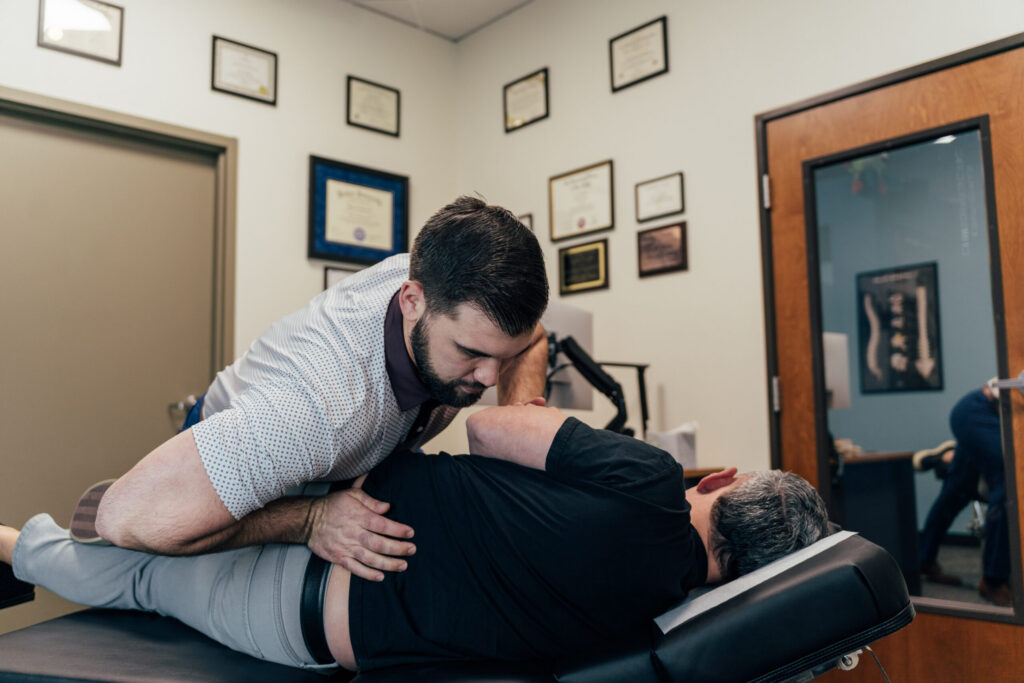

When you think about your health, have you considered how preventative care can shape your long-term well-being? By engaging in regular check-ups and screenings, you're not just addressing issues as they arise; you're actively reducing the risk of chronic diseases and fostering early detection of potential health problems. This proactive approach can lead to improved mental health, a better quality of life, and even lower healthcare costs. Yet, the implications of these choices extend beyond personal benefits, raising questions about the broader impact on community health and liveliness. What might that future look like?
Reduced Risk of Chronic Diseases
Engaging in regular preventative care greatly lowers your chances of developing chronic diseases. By prioritizing your health through routine check-ups, vaccinations, and screenings, you actively reduce the risk factors associated with conditions like diabetes, heart disease, and certain cancers.
When you stay ahead of potential health issues, you can catch warning signs early, allowing for lifestyle adjustments that can keep you in peak health. Preventative care isn't just about avoiding illness; it's a proactive approach to your well-being.
For instance, maintaining a healthy diet, exercising regularly, and managing stress are all integral components of preventative care that can greatly lower your risk of chronic diseases. When you commit to these habits, you're not only enhancing your quality of life but also prolonging it.
Moreover, regular visits to your healthcare provider help establish a baseline for your health. This means that any changes can be monitored closely, allowing you to take corrective action before conditions worsen.
You'll also gain valuable insights into your genetic predispositions, enabling you to tailor your preventative measures to your unique risk factors. Incorporating preventative care into your routine empowers you to take control of your health.
You'll not only feel better but also have the confidence that you're doing everything you can to avoid chronic diseases. So, make preventative care a priority today, and enjoy the long-term benefits it brings to your overall health and well-being.
Early Detection of Health Issues
Regular screenings play an essential role in catching health issues before they escalate.
By staying proactive, you can effectively manage chronic diseases and implement early intervention strategies.
Taking these steps not only enhances your well-being but also empowers you to take control of your health.
Regular Screenings Importance
Many health issues can be effectively managed or even prevented with timely detection, making regular screenings essential for everyone. You might think of screenings as a hassle, but they're actually a proactive step toward maintaining your health.
By scheduling regular check-ups, you can catch potential problems early when they're often easier to treat. Screenings can identify risk factors for diseases like diabetes, heart disease, and certain cancers. For example, a simple blood test can reveal high cholesterol levels, prompting lifestyle changes before serious complications arise.
Additionally, screenings can help establish a baseline for your health, allowing your doctor to monitor changes over time. It's important to note that recommendations for screenings can vary based on age, family history, and other personal factors.
Consult your healthcare provider to determine which screenings are right for you. They can help you create a personalized plan that fits your needs.
Chronic Disease Management
When it comes to managing chronic diseases, early detection is essential for effective treatment and improved outcomes. You can greatly lower the risks associated with conditions like diabetes, heart disease, and hypertension by catching these issues early. Regular screenings and check-ups help identify potential problems before they escalate, allowing you to take proactive steps toward maintaining your health.
By being vigilant about your health, you empower yourself to make informed decisions and collaborate with healthcare professionals. This teamwork often leads to tailored treatment plans that suit your specific needs. For instance, if you detect high blood pressure during a routine check-up, you can start lifestyle changes or medications sooner rather than later, preventing complications down the road.
Moreover, early detection can help reduce healthcare costs. Treating a chronic condition in its early stages is often less expensive than addressing advanced complications.
Early Intervention Strategies
Early detection lays the groundwork for effective early intervention strategies that can address health issues before they escalate. By catching potential problems early, you can take proactive steps to manage your health.
Regular screenings and check-ups allow you to identify risk factors and symptoms that might otherwise go unnoticed.
For instance, if you notice unusual changes in your body, like persistent fatigue or unexplained weight loss, it's vital to consult a healthcare professional. They can perform tests to diagnose underlying conditions early, giving you a better chance of successful treatment.
Incorporating lifestyle changes, such as improved nutrition and regular exercise, can also reinforce these strategies. When you understand your health metrics—like blood pressure and cholesterol levels—you're better equipped to make informed decisions.
Additionally, education plays a key role. Familiarizing yourself with the signs and symptoms of common diseases enables you to act swiftly when something feels off.
Improved Mental Health Outcomes
When you prioritize preventative care, you'll find that it can greatly improve your mental health.
Incorporating stress reduction techniques into your routine helps you manage daily pressures more effectively.
As a result, you'll build enhanced emotional resilience, making it easier to navigate life's challenges.
Stress Reduction Techniques
Numerous stress reduction techniques can greatly improve your mental health outcomes. Incorporating these methods into your daily routine can help you manage stress effectively and enhance your overall well-being.
One simple technique is deep breathing. By taking a few moments to focus on your breath, you can lower your heart rate and calm your mind. Try inhaling deeply through your nose, holding for a few seconds, and exhaling slowly through your mouth.
Another effective technique is mindfulness meditation. Spending just a few minutes each day being present in the moment can reduce anxiety and boost your mood. Find a quiet space, close your eyes, and concentrate on your breath or a specific mantra.
Physical activity is also a powerful stress reliever. Whether it's a brisk walk, yoga, or dancing, moving your body releases endorphins, which help elevate your mood.
Lastly, don't underestimate the power of social support. Connecting with friends or family members and sharing your feelings can alleviate stress and make you feel understood.
Enhanced Emotional Resilience
Building emotional resilience is essential to achieving improved mental health outcomes. When you invest in preventative care, you're not just looking after your physical well-being; you're also fortifying your emotional health.
By engaging in regular self-care practices, such as mindfulness and stress reduction techniques, you cultivate a stronger foundation for facing life's challenges.
You might find that as you prioritize your mental health, you're better equipped to handle stress and adversity. With enhanced emotional resilience, you're less likely to feel overwhelmed by negative thoughts or emotions. Instead, you'll develop a more balanced perspective, allowing you to bounce back from setbacks more quickly.
Additionally, building emotional resilience can improve your relationships. When you manage your emotions effectively, you communicate better with others, fostering deeper connections and support networks.
This support is critical, as strong relationships are an important part of emotional well-being.
Enhanced Quality of Life
Embracing preventative care can considerably enhance your quality of life by reducing the risk of chronic diseases and promoting overall well-being. By focusing on regular check-ups, screenings, and healthy lifestyle choices, you're setting yourself up for a future where you can engage in activities you love without the limitations that often accompany health issues.
When you prioritize preventative care, you're not just avoiding illness; you're also investing in your energy. Regular exercise, a balanced diet, and mental health check-ins are all part of this holistic approach. These habits can lead to increased energy levels, improved mood, and a stronger immune system.
You'll find that you can accomplish daily tasks with more enthusiasm and less fatigue. Additionally, preventative care fosters a sense of empowerment. Knowing you're taking steps to protect your health can boost your confidence and motivate you to make further positive changes.
You'll feel more in control of your life, leading to greater satisfaction in both personal and professional spheres. Social connections are also enhanced when you're physically and mentally well. Engaging in community activities, spending time with loved ones, and participating in group sports become more enjoyable as you maintain your health.
Ultimately, the choices you make today can lead to a more vibrant, fulfilling life tomorrow. By embracing preventative care, you're not just avoiding sickness; you're actively creating a life rich in experiences and joy.
Lower Healthcare Costs
Lower healthcare costs are one of the most notable advantages of prioritizing preventative care. When you focus on prevention, you're not just avoiding illnesses; you're also reducing the financial burden that comes with treating chronic conditions. Regular check-ups, screenings, and vaccinations can catch potential health issues early, often before they escalate into more serious and expensive problems.
Consider how preventative care impacts your wallet. By investing in routine health services, you can remarkably lower the need for costly emergency treatments or hospitalizations later on. For example, managing conditions like diabetes or hypertension through lifestyle changes or medication can prevent complications that often lead to expensive interventions. This proactive approach can save you hundreds, if not thousands, of dollars over time.
Additionally, many insurance plans offer incentives for preventative care, such as reduced premiums or lower out-of-pocket costs for services like annual physicals or immunizations. By taking advantage of these benefits, you can align your health goals with your financial well-being.
Moreover, healthier individuals tend to require fewer medical services overall, leading to decreased healthcare spending at both personal and societal levels. When you invest in your health now, you're less likely to face dire health crises that demand expensive treatment later.
Ultimately, prioritizing preventative care isn't just a smart health choice; it's a savvy financial decision that leads to lower healthcare costs and a more secure future.
Strengthened Community Health
Investing in preventative care not only benefits individual health but also contributes to strengthened community health. When you prioritize preventative measures, like regular check-ups and vaccinations, you help reduce the overall burden of disease in your community. This leads to fewer hospital visits and less strain on healthcare resources, making it easier for everyone to access the care they need.
As more individuals engage in preventative care, you foster a culture of health awareness and education. This community focus encourages healthier lifestyle choices, such as balanced diets and regular exercise, further enhancing health outcomes. The ripple effect is powerful; when you see your neighbors taking care of their health, you're more likely to do the same.
Moreover, stronger community health translates to enhanced productivity. Healthy individuals can contribute more effectively to the workforce, leading to economic benefits for local businesses and services. This economic importance can create more opportunities for community engagement, improving social cohesion.
Preventative care also helps identify health disparities within your community. By addressing these gaps, you promote equity in health access and outcomes, ensuring that everyone has the opportunity to thrive.
When your community prioritizes preventative care, you build a supportive environment that empowers individuals to take charge of their health.
In essence, investing in preventative care not only protects you but also strengthens the entire community. Together, you can create a healthier, more resilient environment that benefits everyone.
Increased Lifespan and Vitality
Many people find that engaging in preventative care can greatly increase both lifespan and vigor. By making proactive choices, you can enhance your overall well-being and enjoy a more fulfilling life. Regular check-ups, screenings, and vaccinations play essential roles in identifying potential health issues before they become serious. When you prioritize these practices, you're taking a significant step toward a longer, healthier life.
Incorporating healthy habits into your daily routine, like balanced nutrition and regular exercise, can also lead to remarkable improvements in vitality. These lifestyle changes not only reduce the risk of chronic diseases but also boost your energy levels, allowing you to engage fully in activities you love.
When you feel good physically, it positively impacts your mental health, creating a cycle of well-being that reinforces your commitment to preventative care.
Moreover, preventative care encourages you to be more aware of your body and its needs. You'll learn to listen to warning signs and seek help when necessary, which can prevent minor issues from turning into major health crises. This mindfulness fosters resilience, making it easier to adapt to life's challenges.
Ultimately, by investing in preventative care today, you're setting the stage for a vibrant tomorrow. You deserve to enjoy life to its fullest, and taking these steps can help guarantee you not only live longer but thrive in your years ahead.
Make your health a priority—it's the best gift you can give yourself.
Conclusion
Investing in preventative care isn't just smart; it's essential for your long-term health. By focusing on regular screenings and check-ups, you can greatly reduce your risk of chronic diseases and catch health issues early. This proactive approach not only enhances your quality of life but also supports your mental well-being and strengthens your community. Ultimately, prioritizing preventative care leads to lower healthcare costs and a longer, more vibrant life for you and those around you.