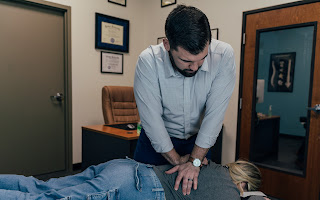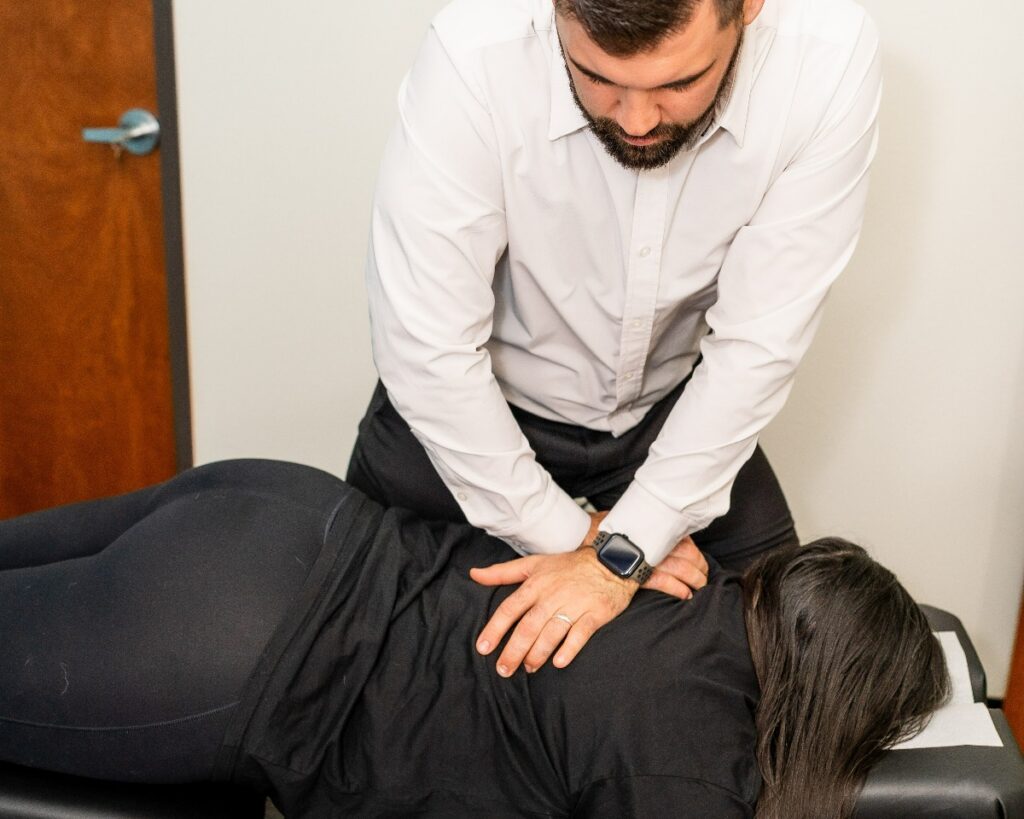

As a local chiropractor, I want to emphasize how vital it is to improve your posture and alleviate back pain naturally for your overall health and well-being. Many people are unaware that even minor adjustments to your daily habits can lead to significant improvements in your comfort levels.
Understanding the importance of posture is key, as it plays a crucial role in maintaining a healthy spine. By incorporating simple exercises and stretches into your routine, you can start to feel relief from discomfort. If you’re curious about the specific strategies that can help you support your spinal health and achieve lasting comfort, I’m here to guide you. Together, we can explore effective steps tailored to your individual needs that will empower you to take control of your back health naturally.
Understanding the Importance of Good Posture
As a local chiropractor, I want to emphasize that good posture is much more than just standing tall; it plays a crucial role in your overall health and well-being. When you maintain proper posture, you’re actively supporting your spine, which helps to reduce unnecessary strain on your muscles and ligaments. This alignment is key to preventing discomfort and injuries, allowing you to move freely and confidently throughout your daily activities.
Many people don’t realize that their posture can also influence their mood and energy levels. By simply standing or sitting up straight, you can enhance your confidence and improve your focus, making it much easier to tackle your daily tasks.
Additionally, good posture promotes better breathing, which means your body and brain receive more oxygen—essential for optimal functioning.
Incorporating good posture into your daily routine can yield significant long-term benefits. By being mindful of your alignment and making small adjustments, you may experience a reduction in tension and an overall improvement in your health.
Common Causes of Poor Posture
As a local chiropractor, I want to shed some light on how a sedentary lifestyle can significantly affect your posture.
Many of my patients are surprised to learn that poor ergonomics at their workspace and muscle weakness are common contributors to slouching or discomfort.
By understanding these underlying causes, you can take the first step toward improving your posture, enhancing your overall well-being, and feeling more aligned in your everyday life.
Sedentary Lifestyle Effects
As a local chiropractor, I want to shed light on the effects of our increasingly sedentary lifestyles, which many of us experience as we spend more time sitting—be it at our desks, in front of screens, or during lengthy commutes.
Unfortunately, poor posture often follows, and this can have a significant impact on your overall health and well-being.
When we remain seated for extended periods without moving, our bodies begin to adapt in ways that can strain our muscles and joints, leading to discomfort and misalignment.
Here are some common issues associated with a sedentary lifestyle that can negatively affect your posture:
- Tight hip flexors: Sitting for long stretches can cause the muscles at the front of your hips to tighten, which can lead to imbalances.
- Weak core muscles: A lack of movement can weaken your core, which is essential for maintaining proper posture and stability.
- Reduced spinal flexibility: Prolonged sitting limits the natural mobility of your spine, making it more prone to stiffness and discomfort.
- Increased risk of back pain: Poor posture and muscle strain from sitting can lead to chronic back pain, a common complaint I see in my practice.
- Poor circulation: Sitting too much can impede blood flow, which may lead to other health issues over time.
Understanding these effects is crucial in taking the first steps toward improving your posture.
I encourage you to integrate movement into your daily routine, as this can help counteract the negative impacts of prolonged sitting, promoting better alignment and overall comfort.
Remember, maintaining good posture isn’t just about looking good; it’s about feeling good and preventing pain.
If you’re experiencing discomfort, consider visiting a chiropractor for personalized advice and treatment options.
Improper Ergonomics Practices
As a local chiropractor, I often see many patients who are unaware that improper ergonomics practices can significantly contribute to poor posture, both in the workplace and at home.
You may find yourself slouching over your desk or hunching while scrolling on your phone, which can lead to strain in your back and neck.
It’s crucial to pay attention to how your workspace is set up. If your chair doesn’t provide adequate support for your lower back, or if your computer screen is positioned too low, you could be setting yourself up for discomfort and pain.
Additionally, spending extended periods in static positions without taking breaks can worsen these issues.
To promote better posture and overall spinal health, I encourage you to evaluate your workspace. Ensure your feet are flat on the ground and your monitor is at eye level.
By making these simple adjustments, you can’t only improve your posture but also reduce the risk of experiencing back pain.
Muscle Weakness Factors
As a local chiropractor, I want to help you understand how muscle weakness can silently affect your posture and overall well-being. Many people don’t realize that when certain muscle groups weaken, it can lead to misalignment in your body, causing discomfort and pain.
By recognizing the factors that contribute to muscle weakness, you can take proactive steps to improve your posture and enhance your health.
Here are some common causes of muscle weakness that I encourage you to consider:
- Sedentary lifestyle: Spending long hours sitting or being inactive can lead to weakened muscles, making it harder for your body to maintain proper alignment.
- Lack of strength training: Without regular strength training, your muscles can become imbalanced, which may affect your posture.
- Poor nutrition: Inadequate nutrition can hinder muscle development and recovery, contributing to overall weakness.
- Previous injuries: Past injuries may lead to compensatory movements that weaken other muscle groups, impacting your posture.
- Imbalance in muscle groups: When certain muscles are stronger than others, it can create misalignments that affect your posture and lead to pain.
By addressing these factors, you can significantly improve your posture and reduce discomfort.
If you’re interested in learning more about how chiropractic care and natural healing can support your journey to better health, I’m here to help!
Simple Stretching Exercises for Daily Relief
As a chiropractor, I often emphasize the importance of incorporating simple stretching exercises into your daily routine to enhance your overall well-being.
These stretches can significantly improve your posture and help alleviate back pain, which is something many of my patients struggle with.
To kickstart your day, I recommend a gentle neck stretch. Simply tilt your head to one side and hold for about 15 seconds before switching to the other side. This exercise is excellent for releasing tension in your neck and shoulders, where stress often accumulates.
Next, let’s try the cat-cow stretch, which is fantastic for increasing spinal flexibility.
Position yourself on all fours, arch your back upwards like a cat, and then lower it while lifting your head, resembling a cow. Repeat this movement for 30 seconds to help mobilize your spine.
Another essential stretch is the standing hamstring stretch. Stand tall, bend at your hips, and reach toward your toes. Hold this position for 20-30 seconds.
This stretch not only targets the hamstrings but also promotes better posture by engaging your back muscles.
Lastly, I encourage you to incorporate a seated spinal twist. Sit cross-legged, place one hand behind you, and gently twist your torso to look over your shoulder. Hold this position for 15 seconds on each side.
This stretch is beneficial for maintaining spinal mobility and reducing tension in your back.
By regularly practicing these stretches, you can experience immediate relief and gradually improve your posture over time.
Strengthening Your Core for Better Support
As your local chiropractor, I want to emphasize the importance of a strong core for improving posture and alleviating back pain. Many people are unaware that a robust core plays a pivotal role in providing support for your spine.
It not only enhances your balance and stability but also contributes to your overall well-being.
Let’s delve into some effective core exercises that can benefit you and help you achieve a healthier, pain-free life. By integrating these exercises into your routine, you can strengthen your core, which in turn supports your spine and reduces discomfort.
Core Exercises Overview
As a local chiropractor dedicated to helping you achieve optimal health, I want to emphasize the importance of strengthening your core for better posture and overall well-being. Many people often prioritize cardio or flexibility, but a robust core is vital for providing stability and support to your spine, which in turn helps maintain proper alignment.
Here are some effective core exercises that I recommend incorporating into your routine to support your natural healing process:
- Planks: This exercise engages multiple muscle groups simultaneously and is fantastic for building endurance, which is crucial for maintaining good posture throughout your daily activities.
- Bridges: Strengthening your glutes and lower back with bridges can significantly improve your stability, thereby reducing the risk of injury and enhancing your overall spinal health.
- Russian Twists: These are excellent for enhancing your rotational strength and balance, both of which are important for everyday movements and activities.
- Bicycle Crunches: By targeting the entire abdominal area, bicycle crunches provide comprehensive strength that supports your spine and pelvis, contributing to better posture.
- Dead Bugs: This exercise not only improves coordination and stability but also helps protect your back, making it a fantastic addition to any core strengthening routine.
Incorporating these exercises into your daily regimen can greatly enhance your posture and support your journey toward better health.
Benefits of Core Strength
As a local chiropractor, I want to share with you the incredible benefits of strengthening your core, which go far beyond just improving your posture. A strong core plays a crucial role in supporting your spine, significantly reducing the risk of back pain and injuries that many of us face in our daily lives.
When your core muscles are engaged, they help stabilize your entire body, enhancing your balance and coordination in activities such as lifting, bending, or even standing for extended periods.
You may be surprised to learn that a strong core is key to enhancing your athletic performance as well. Whether you’re a weekend warrior or simply enjoy an active lifestyle, having a solid core gives you the power and endurance needed to excel in various sports and physical activities.
Moreover, it helps improve your overall body alignment, which can make you appear taller and more confident.
By focusing on core strength, you’re not just working on your fitness; you’re making a vital investment in your long-term health. This proactive approach can help prevent discomfort, keep you active, and ensure you fully engage in everything life has to offer.
As your chiropractor, I encourage you to prioritize your core strength as part of a holistic approach to wellness and natural healing.
Ergonomic Adjustments for Your Workspace
As a local chiropractor, I want to emphasize the importance of creating an ergonomic workspace to support your overall health and well-being.
Maintaining good posture is crucial for preventing back pain and discomfort, and small adjustments can lead to significant improvements in your daily comfort. Here are some key changes I recommend you consider:
- Chair Height: It’s vital to adjust your chair so that your feet rest flat on the floor, with your knees forming a 90-degree angle. This position helps maintain proper spinal alignment.
- Desk Setup: Position your monitor at eye level, about an arm’s length away. This helps to minimize neck strain and encourages a more natural posture while you work.
- Keyboard Position: Your keyboard should be placed so that your elbows are at a 90-degree angle, and your wrists remain straight. This position can help prevent repetitive strain injuries and keep your upper body relaxed.
- Mouse Placement: Keep your mouse close to your keyboard to reduce the distance you have to reach. This minimizes strain on your shoulder and arm, which is especially important if you spend long hours at your desk.
- Break Reminders: I recommend scheduling regular breaks to stand up, stretch, and reset your posture. These small breaks can make a big difference in how you feel throughout the day and can help prevent stiffness and discomfort.
By implementing these ergonomic adjustments, you can create a workspace that supports your body and helps you feel your best.
If you have any questions or need further guidance, please don’t hesitate to reach out!
Mindfulness Techniques to Promote Better Posture
As a local chiropractor dedicated to your well-being, I want to share how incorporating mindfulness techniques into your daily routine can significantly improve your posture and alleviate back pain. Many people may not realize that being aware of your body throughout the day is crucial. I encourage you to check in with your posture while sitting, standing, or walking. Are your shoulders relaxed? Is your spine aligned?
Deep breathing exercises can also play a vital role in your posture journey. By inhaling deeply through your nose—allowing your abdomen to expand—and then exhaling slowly, you can release built-up tension and encourage a more natural, comfortable posture.
In addition, mindful stretching is an excellent way to enhance your body awareness. Take a few moments to gently stretch your neck, shoulders, and back, paying close attention to how your body feels during these movements. This practice can help you identify areas of tension and promote relaxation.
Finally, I encourage you to explore meditation as a means to cultivate overall mindfulness. Even dedicating just a few minutes each day can sharpen your focus on maintaining better posture and reducing discomfort.
The Role of Proper Footwear in Posture
As a local chiropractor, I want to emphasize the importance of proper footwear in maintaining good posture and overall spinal health. Many people may not realize how much the shoes we wear can impact our body alignment and comfort.
Here are some crucial factors to consider when choosing the right footwear:
- Arch Support: It’s essential to look for shoes that offer adequate arch support. This helps maintain your foot’s natural alignment and can prevent issues down the line.
- Cushioning: Opt for footwear with good cushioning. This feature can absorb shock and reduce the impact on your joints, making a significant difference, especially if you’re on your feet a lot.
- Heel Height: I recommend selecting shoes with a low heel. High heels can throw off your body’s natural position, leading to discomfort and potential misalignment of your spine.
- Fit: Make sure your shoes fit properly. They shouldn’t be too tight or too loose. A proper fit is crucial to avoid any additional strain on your feet and body.
- Material: Choose shoes made from breathable materials. This not only keeps your feet comfortable but also helps prevent fatigue during daily activities.
By paying attention to these factors, you can help support your spine and improve your posture, which are key components of a healthy lifestyle.
If you have any questions about how your footwear might be affecting your health, feel free to reach out!
Daily Habits to Foster a Healthy Spine
As a local chiropractor, I want to share with you some simple yet effective daily habits that can significantly improve the health of your spine. Many people are unaware of how their everyday activities can impact their spinal health, but small adjustments can make a big difference.
First and foremost, it’s essential to maintain good posture throughout your day. When you sit, ensure your back is straight, your shoulders are relaxed, and your feet are flat on the ground. This positioning helps distribute your weight evenly and reduces strain on your spine.
If you find yourself sitting for extended periods, remember to take regular breaks to stand up, stretch, and move around.
Incorporating exercises that strengthen your core muscles is also vital. A strong core provides essential support for your spine. I recommend activities like yoga or Pilates, which not only enhance strength but also improve flexibility and spinal alignment.
When lifting objects, always bend your knees and keep the items close to your body. This technique minimizes the risk of back strain and protects your spine from injury.
Finally, don’t overlook the importance of your sleep position. A supportive mattress and pillow that align your spine properly can greatly enhance your overall comfort and health.
By making these small yet impactful changes to your daily routine, you can promote a healthier spine and alleviate discomfort over time.
If you have any questions or need personalized advice, feel free to reach out—I’m here to help you on your journey to better spinal health!
When to Seek Professional Help
As a local chiropractor, I want to help you understand the importance of recognizing when to seek professional assistance for back pain. Even if you maintain good daily habits, there may be times when your discomfort lingers or intensifies, indicating that it’s time to consult with a professional like me.
It’s crucial to be aware of these signs so you can take proactive steps toward healing. If you find yourself experiencing any of the following symptoms, please don’t hesitate to reach out for a consultation:
- Persistent pain that lasts longer than a few weeks
- Intense discomfort that hinders your everyday activities
- Numbness or tingling sensations in your legs or arms
- Weakness in your legs or challenges with mobility
- Pain that’s accompanied by unexplained weight loss or fever
Ignoring these signals can lead to more severe health issues in the future. By seeking chiropractic care early on, we can work together to identify the underlying causes of your pain and implement natural healing methods to help you return to a life free of discomfort.
Your health should always be a priority, so don’t wait too long to seek the assistance you deserve. Remember, I’m here to support you on your journey to wellness!
Conclusion
As a local chiropractor, I’m here to help you understand that improving your posture and alleviating back pain naturally is entirely achievable. With the right approach, you can enhance your spinal health and overall well-being.
First, let’s discuss the importance of ergonomic adjustments in your daily life. Simple changes, like adjusting your workspace or how you sit, can make a significant difference. Additionally, incorporating stretching and strengthening exercises into your routine can help support your spine and alleviate discomfort.
Mindfulness is another key factor in maintaining good posture. Becoming aware of your body’s alignment throughout the day will help you develop healthier habits. Don’t overlook the importance of your footwear, as wearing the right shoes can greatly impact your posture and back health.
I encourage you to nurture daily habits that support your body’s alignment. However, if you find that your pain persists despite these efforts, please don’t hesitate to seek professional help. As a chiropractor, I can provide personalized care and guidance tailored to your specific needs.
Start taking these steps today, and together we can work toward achieving a healthier, pain-free spine and improved overall well-being. Remember, you don’t have to navigate this journey alone!