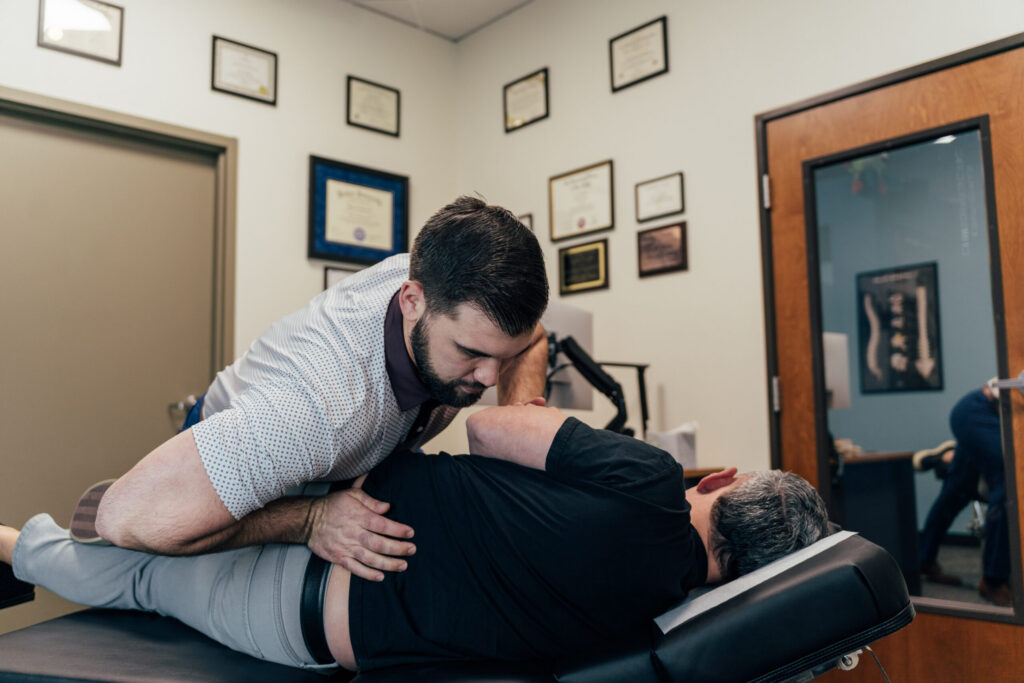

As a local chiropractor, I want to emphasize the importance of addressing neck pain after experiencing whiplash. It’s crucial to take immediate measures to alleviate your discomfort. Many patients find that applying ice and getting adequate rest can provide significant relief. However, recovery doesn’t stop there.
As you begin your healing journey, there are several effective strategies we can explore together to help you regain mobility and alleviate pain. Chiropractic care, for instance, focuses on spinal alignment and can play a vital role in your recovery process. Gentle adjustments can help restore movement in your neck and improve overall function.
Additionally, incorporating stretching and strengthening exercises into your routine can further enhance your recovery. I encourage you to consider these options, as they may help you find the relief you need. Together, we can develop a personalized plan that works best for you on your path to recovery.
Understanding Whiplash and Its Effects on the Neck
As a chiropractor, my goal is to help you understand whiplash and its effects on your neck, especially if you’ve recently experienced this injury. Whiplash happens when your head moves abruptly back and forth, which can strain your neck muscles and ligaments. Many patients report feeling immediate pain, stiffness, or even headaches right after the incident.
It’s important to recognize that these symptoms can worsen over time if they’re not properly addressed. You may also notice a limited range of motion in your neck, which can make it challenging to turn your head or look up and down. This restriction can impact your daily life and lead to frustration as simple tasks become more difficult.
Additionally, inflammation may develop in the injured areas of your neck, contributing to further discomfort. Some individuals may experience muscle spasms, which can further restrict mobility and add to the pain.
Understanding these effects is crucial for your recovery process. It highlights the importance of seeking treatment and practicing self-care. By being aware of what’s happening in your neck, you can take proactive steps to alleviate your pain and promote healing.
My role is to guide you through effective management strategies that are rooted in natural healing principles, ensuring you have the support you need for a full recovery.
Initial Steps to Take After a Whiplash Injury
If you’ve experienced a whiplash injury, it’s crucial to prioritize your health by seeking medical attention promptly.
In the meantime, I recommend applying ice therapy to help alleviate swelling and discomfort. This natural approach can be very effective in managing your symptoms.
Additionally, resting and gently immobilizing your neck can support your body’s healing process, so don’t hesitate to take it easy during this time.
Seek Medical Attention
As a local chiropractor, I want to emphasize the importance of seeking medical attention promptly after experiencing a whiplash injury. It can be tempting to dismiss minor discomfort, but addressing these symptoms early on is crucial for your recovery.
Even if you feel that your pain is manageable, a thorough assessment by a healthcare professional can help rule out any serious injuries.
In our practice, we often recommend imaging tests, such as X-rays or MRIs, to better understand the condition of your neck. Early intervention can significantly reduce the risk of long-term complications and help prevent chronic pain from developing.
We focus on natural healing methods and can provide personalized advice on managing your symptoms. By exploring chiropractic care, you may discover treatments that align with your body’s needs, promoting healing without the use of medication.
Apply Ice Therapy
As a local chiropractor, I want to guide you on managing neck pain following a whiplash injury, and one of the most effective first steps is ice therapy. This natural approach not only helps reduce inflammation but also numbs the affected area, providing you with immediate relief.
Here’s a simple guide on how to effectively apply ice therapy:
- Choose the right cold source: I recommend using a cold pack or a bag of frozen peas wrapped in a towel. This ensures that your skin is protected from direct contact with the cold, which is essential for safe application.
- Timing is key: Apply the cold pack to your neck for about 15-20 minutes every hour, as needed. This regular application can help manage pain and swelling effectively.
- Take necessary breaks: It’s important to allow your skin to return to its normal temperature between ice sessions. This prevents any risk of frostbite and ensures safe healing.
- Listen to your body: Pay attention to how your neck feels during and after applying ice. If you notice an increase in pain, it’s best to stop and give your body time to recover.
Ice therapy is a straightforward yet powerful method for alleviating discomfort after a whiplash injury.
As you explore natural healing options, remember that incorporating these techniques can enhance your recovery journey. If you have any questions or need further assistance, don’t hesitate to reach out!
Rest and Immobilize
As a local chiropractor, I want to emphasize the importance of rest and immobilization in your recovery from a whiplash injury.
After applying ice therapy, it’s crucial to give your neck the time it needs to heal. Engaging in strenuous activities or making movements that may worsen your pain can delay your recovery. I recommend using a cervical collar or neck brace to help limit movement and provide the necessary support during this critical healing phase.
While you’re resting, it’s important to find a comfortable position, whether that’s sitting or lying down. Be mindful of your sleeping posture; avoiding awkward positions is key to preventing further strain on your neck.
Listen to your body during this time—if you experience discomfort with certain movements, it’s best to take it easy.
Prioritizing rest and immobilization not only aids in your recovery but also promotes a smoother healing process.
Gentle Stretching and Strengthening Exercises
As a local chiropractor, I want to emphasize the importance of gentle stretching and strengthening exercises in relieving neck pain, especially after experiencing whiplash.
Many patients may not realize that these simple movements can significantly enhance flexibility and fortify the muscles that support your neck.
By incorporating these exercises into your routine, you can take an active role in your recovery.
Let’s delve into some effective neck stretches and exercises that I recommend to help you on your healing journey.
Together, we can work towards restoring your neck’s health and functionality naturally.
Effective Neck Stretches
As a local chiropractor, I want to share some gentle and effective neck stretches that can be incredibly beneficial for alleviating neck pain, especially after experiencing whiplash.
Incorporating these stretches into your daily routine can enhance flexibility and help reduce discomfort. Here are four stretches that I recommend:
- Chin Tucks: Begin by sitting or standing with a straight posture. Slowly tuck your chin towards your chest, holding this position for about 5 seconds before releasing. Aim to repeat this motion 5 times. This exercise helps strengthen the muscles in your neck.
- Side Neck Stretch: Find a comfortable seated position. Gently tilt your head towards your right shoulder, bringing your ear closer to it. Maintain this stretch for 15-30 seconds, and then switch to the left side. This stretch targets the muscles along the sides of your neck.
- Shoulder Rolls: While sitting or standing, roll your shoulders in a circular motion—first backward and then forward. Complete 10 repetitions in each direction. This movement helps relieve tension in the shoulders and upper neck.
- Upper Trapezius Stretch: Sit up tall and use your right hand to gently pull your head towards your right shoulder. Hold this stretch for 15-30 seconds before switching to the left side. This stretch focuses on the upper trapezius muscles, which can often become tight due to stress or poor posture.
Incorporating these stretches can be a simple yet effective way to support your neck health and overall well-being.
Strengthening Neck Muscles
As a local chiropractor, I want to emphasize the importance of strengthening your neck muscles after you’ve incorporated stretches into your routine. This step is crucial for supporting recovery and preventing future discomfort.
Let’s start with some simple isometric exercises. You can gently press your forehead into your palms and hold that position for a few seconds. This helps engage the neck muscles without excessive strain.
Next, consider doing side bends—tilt your head toward one shoulder, hold for a moment, and then switch to the other side. It’s essential to hold each position to fully engage the muscles on the sides of your neck.
In addition, strengthening your upper back plays a vital role in neck health. You can do this by performing rows with resistance bands or light weights. I recommend aiming for two to three sets of 10-15 repetitions, but remember to focus on maintaining proper form throughout each exercise.
Take your time with these movements; listen to your body and gradually increase the intensity as you feel more comfortable. By actively building strength in your neck and the surrounding muscles, you’ll enhance stability and significantly reduce the risk of future issues.
This won’t only make everyday activities more comfortable but also contribute to your overall well-being. If you have any questions or need guidance on these exercises, don’t hesitate to reach out!
The Role of Heat and Cold Therapy
As a local chiropractor, I want to share some valuable insights on managing neck pain, especially after experiencing whiplash. Incorporating heat and cold therapy into your recovery plan can significantly enhance your healing process.
These methods are effective in reducing inflammation, alleviating pain, and promoting overall recovery. Here’s how you can utilize each therapy effectively:
- Cold Therapy: Start by applying a cold pack to your neck for about 15-20 minutes. This technique helps numb the affected area and decreases swelling, especially in the immediate aftermath of the injury.
- Heat Therapy: Once the initial swelling has subsided, transitioning to heat therapy can be beneficial. Use a heating pad or a warm towel to soothe tight muscles and improve blood circulation in the area.
- Alternating Therapies: For a comprehensive approach, consider alternating between heat and cold treatments. This method can provide ongoing relief and enhance blood flow, which is essential for healing.
- Frequency: I recommend repeating these applications several times throughout the day. Just be sure to give your skin a break between sessions to prevent irritation.
By consistently applying these techniques, you can effectively manage your neck pain and progress towards a full recovery.
Massage and Manual Therapy Techniques
As a local chiropractor, I want to share with you how massage and manual therapy techniques can significantly aid in relieving neck pain following a whiplash injury. These therapies are designed to alleviate muscle tension, enhance circulation, and improve flexibility in your neck area, which are all crucial for your recovery.
When you receive a massage from a qualified therapist, they focus on addressing tight muscles that may be contributing to your pain. Techniques like Swedish massage or deep tissue massage can be especially effective, as they target both the surface and deeper layers of muscle, promoting relaxation and reducing discomfort.
In addition to massage, manual therapy plays a vital role in the healing process. Chiropractic adjustments and osteopathic manipulation can help restore proper alignment and mobility to your spine and neck. These treatments not only relieve pain but also enhance your overall function, allowing you to return to your daily activities more comfortably.
It’s essential to have an open dialogue with your therapist about your specific pain points and comfort levels. This communication ensures that the approach is tailored to meet your unique needs, maximizing the benefits of your treatment.
Regular sessions can lead to long-lasting relief, so I encourage you to consider incorporating these techniques into your recovery plan after experiencing whiplash. Together, we can work towards achieving the best possible outcomes for your health and well-being.
Over-the-Counter Pain Relief Options
As a local chiropractor, I want to help you understand how you can manage neck pain from whiplash using over-the-counter pain relief options.
These medications can provide immediate comfort and support your healing journey. By addressing inflammation and discomfort, they can help you regain mobility and make daily activities easier.
Here are some effective options to consider:
- Ibuprofen – This nonsteroidal anti-inflammatory drug (NSAID) is beneficial for reducing pain and swelling. It’s commonly used for injuries like whiplash.
- Acetaminophen – Known for being gentle on the stomach, this pain reliever can effectively address mild to moderate discomfort without the anti-inflammatory properties of NSAIDs.
- Naproxen – Similar to ibuprofen but with longer-lasting effects, naproxen is another NSAID that can be particularly useful for ongoing pain relief.
- Topical analgesics – Creams or patches infused with menthol or capsaicin can be applied directly to the affected area, providing localized relief without the need for oral medication.
Remember to always follow the dosage instructions provided on the packaging.
If you have any concerns about how these medications may interact with other treatments or medications you’re taking, don’t hesitate to ask a pharmacist or reach out to me during your visit.
Together, we can explore holistic approaches that complement these options for a more comprehensive recovery strategy.
When to Seek Professional Help
As a local chiropractor, I want to emphasize the importance of addressing neck pain early on. If you find that your neck pain persists despite trying over-the-counter treatments or seems to worsen over time, it’s crucial to seek professional help. Ignoring ongoing discomfort can lead to chronic issues, which may interfere with your daily activities and overall quality of life.
Be aware of warning signs such as numbness, tingling, or weakness in your arms or hands. These symptoms could indicate nerve damage, and it’s important to take them seriously by consulting a healthcare professional. Additionally, if you’re experiencing severe headaches, dizziness, or difficulty moving your neck, don’t hesitate to reach out to me or another chiropractic provider.
We specialize in thorough examinations to understand the root cause of your discomfort and may recommend imaging studies if necessary. Chiropractic care can provide a natural and effective approach to relieving your pain. Techniques such as spinal adjustments, physical therapy, and other holistic methods can help restore proper function and alleviate your symptoms.
Conclusion
As a local chiropractor, I want to share some valuable insights on how to effectively relieve neck pain after experiencing whiplash. It’s important to approach your recovery with a combination of rest, ice therapy, and gentle exercises tailored to your needs.
Many people find relief through massage therapy, which can help alleviate tension and promote healing in the affected areas. Additionally, over-the-counter pain relief options can be beneficial in managing discomfort during your recovery process.
Listening to your body is crucial. If you notice that your symptoms persist or even worsen, I encourage you to seek professional help. A chiropractic assessment can offer personalized treatment strategies to support your healing journey.
By following these steps, you can aid your recovery and gradually restore mobility in your neck. My goal is to help you return to your normal activities as quickly and safely as possible, utilizing natural healing methods that prioritize your overall well-being.