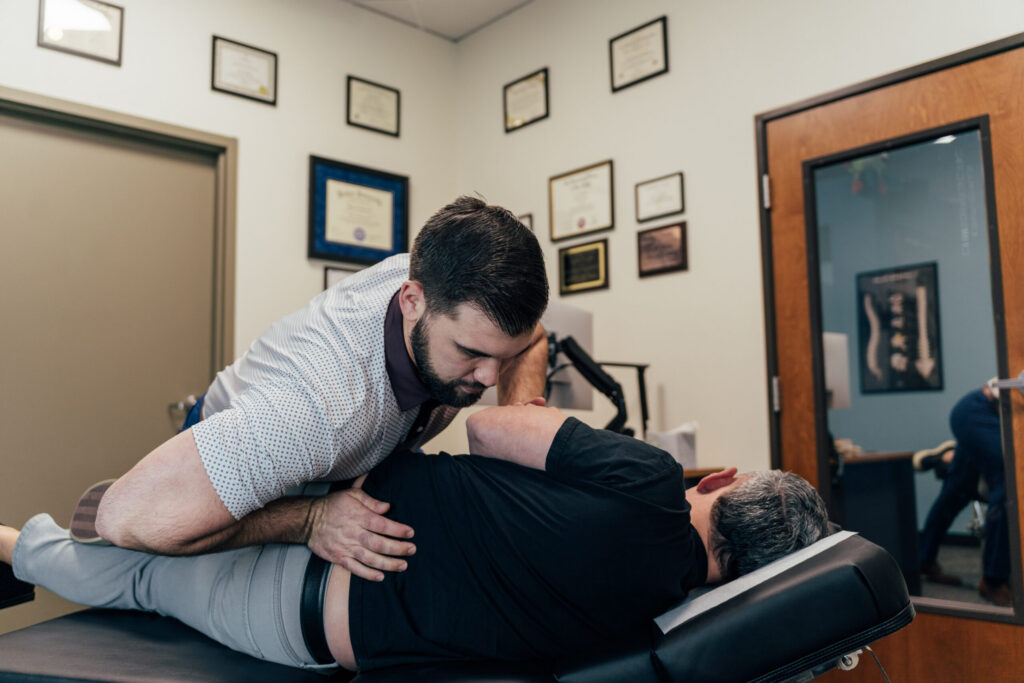

You might be surprised to learn how personalized plans can greatly relieve back pain. By tailoring treatment to your unique needs, healthcare providers can address the specific factors contributing to your discomfort. This approach not only makes interventions more effective but also encourages you to take an active role in your healing journey. Imagine having a strategy that combines physical therapy, customized exercises, and even mindfulness techniques designed just for you. What could this mean for your day-to-day life and long-term health? The answers might just transform your understanding of pain management.
Understanding Back Pain
Back pain is a common issue that affects millions of people, and it can arise from various causes. You might experience back pain due to poor posture, muscle strain, or injuries resulting from accidents. Sometimes, underlying conditions like arthritis or herniated discs can trigger discomfort in your back. Identifying the specific cause of your pain is vital for effective treatment.
When you think about back pain, it's important to understand the anatomy involved. Your spine consists of vertebrae, discs, muscles, and nerves, all working together to support your body. If any part of this system is compromised, it can lead to pain. For instance, if you lift something heavy without proper form, you might strain your muscles or injure a disc.
You should also consider how lifestyle factors contribute to back pain. Sedentary habits, such as sitting at a desk for long hours, can weaken your back muscles, making you more susceptible to pain. Conversely, excessive physical activity without proper conditioning can lead to injuries.
Your emotional and mental health can also play a role. Stress and anxiety can cause muscle tension, leading to discomfort that you mightn't initially associate with back pain.
Understanding these various aspects will help you take a proactive approach to managing your back pain and seek appropriate solutions tailored to your specific situation.
Importance of Personalization
Understanding the diverse causes and experiences of back pain highlights the need for personalized treatment plans. Everyone's body is unique, and what works for one person mightn't work for another. When you tailor your approach to your specific situation, you're more likely to see positive results. Personalized plans consider factors like your medical history, lifestyle, and the specific nature of your pain, ensuring that the treatment you receive addresses your unique needs.
A one-size-fits-all strategy often falls short, as it overlooks individual differences. For instance, someone with chronic pain might require a different approach than someone dealing with acute discomfort. By focusing on your specific condition, a personalized plan can target the root cause of your pain and promote healing more effectively.
Moreover, personalization helps increase your motivation and commitment to the treatment. When you see a plan designed just for you, it builds trust and encourages you to stick with it. You're more likely to engage in exercises or therapies that resonate with your personal experience and preferences, leading to better adherence.
Additionally, a customized plan can include various modalities—physical therapy, medication, or lifestyle changes—making it a thorough approach to your back pain. This multifaceted style addresses not only the symptoms but also the underlying issues, paving the way for long-term relief.
Ultimately, prioritizing personalization in your back pain treatment can greatly enhance your recovery journey and improve your overall quality of life.
Assessing Your Unique Needs
To create an effective plan for your back pain, you first need to identify what triggers your discomfort.
Once you understand these triggers, you can tailor treatment strategies that work best for you.
This personalized approach can make a significant difference in your recovery journey.
Identifying Pain Triggers
When it comes to managing back pain, identifying your specific triggers is essential. By pinpointing what exacerbates your discomfort, you can take proactive steps to minimize or eliminate those factors. This process often requires a bit of self-reflection and observation, but the insights gained will help you create a more effective pain management plan.
To get started, consider these common triggers that might apply to you:
- Posture: Are you slouching at your desk or while using your phone? Poor posture can lead to muscle strain and pain.
- Activity Level: Do you notice that certain exercises or movements worsen your pain? Understanding your limits is vital for preventing flare-ups.
- Stress: Have you observed a correlation between stressful situations and your pain levels? Stress can lead to muscle tension, which exacerbates back pain.
Tailoring Treatment Strategies
Tailoring your treatment strategies is an essential step in effectively managing back pain. You need to assess your unique needs, as everyone experiences pain differently. Start by identifying the specific areas of discomfort and their triggers. Are you dealing with muscle tension, nerve pain, or joint issues? Understanding these factors helps you and your healthcare provider create a more targeted approach.
Next, consider your lifestyle and daily activities. Do you spend long hours sitting, or are you active in sports? Your routine can greatly impact your treatment plan. Incorporating physical therapy, exercise, or ergonomic adjustments might be necessary, depending on your situation.
Don't forget to communicate openly with your healthcare team. Share what's working and what isn't. They can adjust your plan based on your feedback, ensuring it evolves with your needs.
Lastly, explore complementary therapies like acupuncture or yoga, which might offer additional relief. By actively participating in your treatment strategy, you empower yourself to take control of your back pain, leading to more effective management and improved quality of life.
Components of Personalized Plans
Creating a personalized plan for back pain involves several key components that address your unique needs and circumstances. To effectively manage your discomfort, it's crucial to understand these components and how they work together to create a thorough strategy tailored just for you.
First, an accurate assessment of your condition is critical. This includes evaluating your medical history, current symptoms, and lifestyle factors. Understanding the root cause of your pain enables you to target the appropriate treatment options more effectively.
Next, setting specific, measurable goals is important. These goals should be realistic and focused on both pain relief and functional improvement. For instance, you might aim to increase your mobility or reduce discomfort during daily activities. Having clear objectives helps you track your progress and stay motivated.
Lastly, incorporating a variety of therapeutic modalities can enhance your plan. A well-rounded approach might include:
- Exercise and movement: Engaging in tailored physical activities that strengthen your back and improve flexibility.
- Pain management techniques: Utilizing methods like heat therapy, medication, or mindfulness practices to reduce discomfort.
- Lifestyle modifications: Adjusting your daily habits, such as ergonomics at work or stress management techniques, to support your recovery.
Integrating Physical Therapy
Integrating physical therapy into your personalized back pain plan can greatly enhance your recovery. It offers a structured approach that targets the specific muscles and movement patterns contributing to your discomfort. A skilled physical therapist will assess your condition and create a tailored program that addresses your unique needs, guaranteeing you regain strength, flexibility, and mobility.
During your sessions, you'll engage in exercises designed to alleviate pain and improve your posture. These exercises can include stretching, strengthening, and stabilizing movements, which help support your spine and reduce the risk of future injuries. A therapist will also educate you about proper body mechanics and ergonomics, empowering you to make better choices in your daily activities.
Additionally, physical therapy provides a supportive environment where you can ask questions and receive feedback. This immediate guidance can help you avoid harmful movements and guarantee you're performing exercises correctly. As you progress, your therapist will modify your plan to align with your recovery goals, keeping you motivated and on track.
Don't underestimate the value of hands-on techniques, such as manual therapy, that a physical therapist can offer. These methods can relieve tightness and improve circulation, facilitating faster healing.
Role of Nutrition and Diet
Eating a balanced diet plays a significant role in managing back pain and supporting your recovery. The foods you consume can directly affect inflammation levels, muscle strength, and overall health. By focusing on nutrient-rich options, you can help alleviate discomfort and promote healing in your body.
To get started, consider incorporating the following into your daily meals:
- Anti-inflammatory foods: Foods like fatty fish, nuts, and leafy greens can help reduce inflammation and support joint health.
- Lean proteins: Chicken, turkey, and legumes provide essential amino acids that help strengthen muscles, which can improve your posture and spinal support.
- Hydration: Drinking plenty of water is important for maintaining spinal disc health and preventing stiffness in your muscles.
In addition to these nutrients, it's important to avoid processed foods and excessive sugar, as these can increase inflammation and worsen your pain. Instead, focus on whole foods that nourish your body.
Pay attention to your body's response to different foods. Some people find that specific items, like dairy or gluten, can trigger discomfort. Keeping a food diary can help you identify patterns and make necessary adjustments to your diet.
Exercise Tailored to You
When it comes to managing back pain, customized exercise routines can make a significant difference.
By focusing on targeted muscle strengthening, you can improve your stability and reduce discomfort.
Let's explore how tailored exercises can help you feel better and move more freely.
Customized Exercise Routines
To effectively manage back pain, customizing your exercise routine is essential. A one-size-fits-all approach simply won't cut it. By tailoring your exercises to your specific needs, you can target the root causes of your discomfort and promote healing.
It's important to take into account factors like your fitness level, injury history, and personal goals.
Here are some key components to include in your customized routine:
- Flexibility exercises: Incorporate stretches that enhance your range of motion and alleviate tension in your back.
- Low-impact cardio: Activities like swimming or walking can improve circulation without putting undue stress on your spine.
- Core stabilization: Focus on exercises that strengthen your core muscles, as they provide essential support for your back.
Targeted Muscle Strengthening
Building on your customized exercise routine, targeted muscle strengthening plays a vital role in alleviating back pain. By focusing on the specific muscles that support your spine, you can enhance stability and reduce strain on your back. This type of exercise isn't one-size-fits-all; it's tailored to your unique needs and weaknesses.
When you engage in targeted muscle strengthening, you'll work on the core, hips, and lower back. Strengthening these areas helps improve posture, which is essential for minimizing discomfort. You'll notice that as you build strength, your body becomes more resilient, allowing you to perform daily activities with less pain.
Incorporating exercises like bridges, planks, and bird-dogs can greatly enhance your back health. These moves not only strengthen but also promote balance and coordination.
Remember, consistency is key. Stick to your plan, and you'll likely see improvements in your back's function and overall strength.
As you progress, you can adjust the intensity and complexity of your exercises. Always listen to your body; if something doesn't feel right, modify as needed. With dedication, targeted muscle strengthening can be a game-changer in your journey to a pain-free back.
Mindfulness and Stress Management
Although back pain can often feel overwhelming, incorporating mindfulness and stress management techniques into your daily routine can greatly alleviate discomfort.
Stress is a common trigger for muscle tension, which can exacerbate your back pain. By learning to manage stress and practicing mindfulness, you can create a more balanced state of mind and body, leading to improved overall well-being.
Start by integrating mindfulness practices such as meditation or deep breathing exercises into your day. These techniques help you focus on the present moment, reducing anxiety and promoting relaxation. Even just a few minutes daily can make a significant difference in how you experience pain.
Consider these effective strategies to enhance your mindfulness and stress management:
- Mindful Breathing: Take slow, deep breaths to calm your mind and relax your muscles. This simple practice can help you manage pain more effectively.
- Progressive Muscle Relaxation: Tense and then relax each muscle group in your body. This method helps release built-up tension that may be contributing to your discomfort.
- Guided Imagery: Visualize a peaceful scene or a place where you feel safe and relaxed. This practice can shift your focus away from pain and help you feel more at ease.
Tracking Progress and Adjustments
To effectively manage your back pain, you need to regularly assess and monitor your progress.
This means adjusting your exercise routine based on how you're feeling and tracking key metrics that indicate improvement.
Regular Assessment and Monitoring
How can you guarantee that your back pain management plan remains effective over time? Regular assessment and monitoring are essential components that help you track your progress and make necessary adjustments. By frequently evaluating your condition, you can identify what's working and what's not. This proactive approach guarantees that your plan stays aligned with your evolving needs and goals.
To make the most of your monitoring process, consider these key practices:
- Set Specific Goals: Define measurable objectives for your pain management, such as reducing discomfort levels or increasing mobility.
- Keep a Pain Journal: Document your daily pain levels, activities, and any changes in symptoms. This record can provide valuable insights for you and your healthcare provider.
- Schedule Regular Check-ins: Whether with a physical therapist, chiropractor, or other healthcare professional, consistent follow-ups help assess your progress and refine your approach.
Tailored Exercise Adjustments
Tailored exercise adjustments are essential for effectively managing back pain as you progress through your recovery. As you engage in your personalized exercise plan, it's important to listen to your body and make necessary tweaks based on how you feel. Adjustments can help you avoid exacerbating your pain while maximizing the benefits of each session.
You might find that certain exercises become easier over time, indicating your strength is improving. In such cases, consider increasing the intensity or duration gradually. Conversely, if you experience discomfort or pain, don't hesitate to modify an exercise or substitute it with a gentler option. This flexibility guarantees that you remain committed to your routine without risking injury.
Keep in mind that your needs may change as you recover. Regularly reassessing your capabilities and symptoms allows you to adjust your plan accordingly.
Working closely with a healthcare professional or physical therapist can be invaluable in this process, making sure your adjustments are safe and effective. By staying proactive with tailored exercise adjustments, you'll enhance your recovery journey and ultimately reduce back pain more effectively.
Progress Metrics Tracking
Tracking your progress is essential in managing back pain effectively. By regularly monitoring your improvements, you can identify what's working and where adjustments are needed. This proactive approach helps you stay motivated and committed to your personalized plan.
To make the most of your tracking, consider focusing on these key metrics:
- Pain Levels: Keep a daily log of your pain intensity using a scale from 1 to 10. This helps you see trends over time.
- Physical Activity: Record your exercise routines, including duration and intensity. Note any changes in your flexibility or strength.
- Daily Functionality: Assess how your back pain affects your daily activities, from simple tasks to more strenuous ones.
Empowering Your Healing Journey
Taking charge of your back pain is an essential step in your healing journey. It's not just about seeking treatments; it's about becoming an active participant in your recovery. When you take control, you empower yourself to make informed decisions that can lead to lasting relief.
Start by understanding your pain. Keep a journal to track your symptoms, noting what exacerbates or alleviates them. This insight will help you and your healthcare provider develop a personalized plan that addresses your specific needs. Remember, knowledge is power, and the more you know about your condition, the better equipped you're to tackle it.
Next, set realistic goals. Whether it's improving your flexibility, strength, or daily function, having clear objectives will keep you motivated. Celebrate small victories along the way; each step counts towards your overall healing.
Incorporate lifestyle changes that support your recovery. Regular exercise, a balanced diet, and adequate sleep can greatly impact your back health. Don't hesitate to explore various therapies, like physical therapy or acupuncture, to find what works best for you.
Lastly, stay connected with your support network. Share your journey with family and friends or consider joining a support group. Surrounding yourself with understanding individuals can provide encouragement and accountability, making your journey less intimidating.
Empowering yourself isn't just about managing pain; it's about reclaiming control over your life. By taking these steps, you'll be well on your way to a healthier, pain-free future.
Conclusion
Incorporating a personalized plan into your back pain management can make a world of difference. By understanding your unique needs and integrating tailored therapies, you empower yourself to take charge of your healing journey. Whether it's through customized exercises or stress management techniques, these strategies not only alleviate pain but also enhance your overall well-being. Remember, you're not alone in this process—embracing a personalized approach can lead to lasting relief and improved back health.