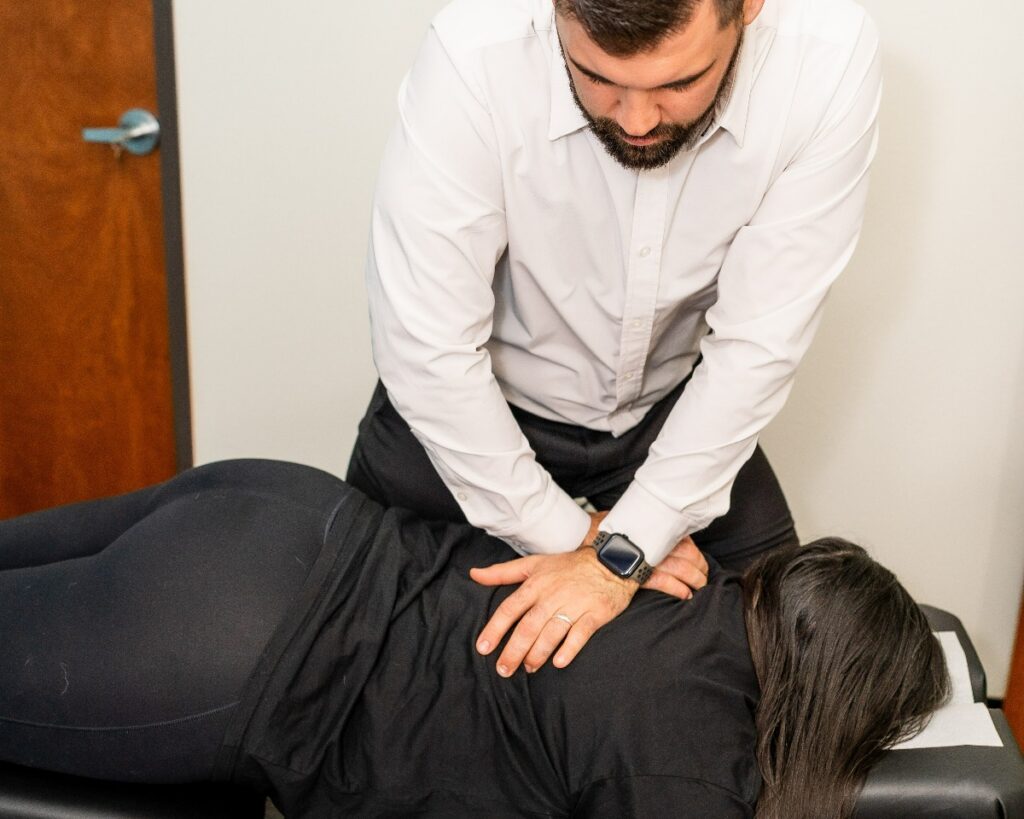

When you think about spinal alignment, it's vital to overlook how adjustments can make a significant difference in your overall health. These targeted maneuvers can help realign your vertebrae, relieving pressure on nerves and restoring your spine's natural curvature. You might find that improved alignment not only eases discomfort but also enhances your mobility and flexibility. Yet, the benefits go beyond just pain relief. It's crucial to explore how adjustments affect your nervous system and contribute to your overall well-being. What you discover could change your perspective on spinal health entirely.
Understanding Spinal Alignment
When you think about spinal alignment, it's essential to recognize that a well-aligned spine supports your overall health. Your spine is more than just a column of bones; it houses your spinal cord, which sends signals between your brain and body. Proper alignment guarantees that these signals flow freely, promoting ideal function in every system, from your nervous to your muscular system.
Good spinal alignment helps maintain your posture, reducing strain on muscles and ligaments. When your spine is aligned, the weight of your body is evenly distributed, minimizing the risk of injury. You mightn't realize it, but even slight misalignments can lead to discomfort and other health issues over time.
Understanding how your spine functions is vital. It consists of three main curves that help absorb shock and maintain balance. If these curves are disrupted, you may experience tension, pain, or fatigue. By focusing on alignment, you'll notice improvements in your energy levels, mood, and even digestion.
You can take simple steps to promote good alignment daily. Pay attention to your posture while sitting, standing, and sleeping. Make ergonomic adjustments to your workspace and invest in a supportive mattress. Regular exercise, particularly strength training and stretching, can also enhance your spinal health.
Ultimately, prioritizing spinal alignment is a proactive approach to your well-being. By fostering an awareness of your spine's position, you're setting the foundation for a healthier, more vibrant life.
Common Causes of Misalignment
Misalignment often stems from poor posture habits you mightn't even notice, like slouching at your desk or hunching over your phone.
Additionally, injuries and trauma can shift your spine out of its ideal position, leading to discomfort and pain.
Understanding these common causes is essential for maintaining a healthy spine.
Poor Posture Habits
Poor posture habits can sneak up on you, leading to a cascade of spinal alignment issues. You mightn't realize it, but how you sit, stand, or even walk can contribute to misalignment over time.
For instance, slouching in your chair while working at a desk can put immense pressure on your spine. You may find yourself leaning forward to look at your phone, which can strain your neck and shoulders.
Additionally, wearing high heels or unsupportive shoes can throw off your body's natural alignment. If you spend hours hunched over a computer, it's easy to develop a rounded back and tight chest muscles, further exacerbating your posture issues. These habits can lead to discomfort and chronic pain if left unaddressed.
To counteract poor posture, be mindful of your body's alignment throughout the day. Make a conscious effort to sit up straight, keep your shoulders back, and take breaks to stretch.
Incorporating ergonomic furniture can also help support better posture. By recognizing and correcting these habits, you'll be taking an important step toward maintaining a healthier spine and preventing future alignment problems.
Injury and Trauma
Injuries and trauma frequently contribute to spinal misalignment, often leading to long-lasting issues if not properly addressed. Whether you've experienced a sports injury, a car accident, or a fall, your spine can take a serious hit.
Even minor injuries can have a significant impact, causing muscles and ligaments to tighten or tear, which can pull your vertebrae out of alignment. You mightn't notice the effects right away, but over time, these misalignments can lead to chronic pain, reduced mobility, and other complications.
The body is an intricate system, and when one part is injured, it can create a domino effect on surrounding structures. For example, if you twist your back during a fall, it can affect your posture and how you move, leading to further misalignment.
Getting regular chiropractic adjustments can help restore your spinal alignment after an injury. A professional can identify misalignments caused by trauma and work to correct them, alleviating pain and preventing future issues.
Benefits of Chiropractic Adjustments
Experience the transformative power of chiropractic adjustments, which offer a range of benefits that go beyond mere pain relief. When you visit a chiropractor, you're not just addressing discomfort; you're enhancing your overall well-being. These adjustments help restore proper spinal alignment, which can greatly improve your body's function.
One of the most immediate benefits you may notice is increased mobility. By realigning your spine, you'll likely experience less stiffness and greater flexibility, allowing you to engage in daily activities with ease.
Furthermore, chiropractic adjustments can boost your immune system. When your spine is aligned, your nervous system functions more effectively, helping your body to fend off illnesses.
You might also find that your sleep improves after regular adjustments. A properly aligned spine reduces tension and discomfort, making it easier for you to relax and enjoy restorative sleep.
Additionally, many patients report enhanced mood and reduced stress levels. The release of endorphins during adjustments can elevate your mood, helping you feel more balanced and less anxious.
Lastly, chiropractic care promotes better posture. As you become more aware of body alignment, you'll likely adopt healthier postural habits, which can prevent future discomfort.
Ultimately, chiropractic adjustments provide a thorough approach to health that enhances your physical and emotional well-being, empowering you to lead a more vibrant, active life.
Role of Physical Therapy
Physical therapy plays an essential role in enhancing spinal alignment and overall health. When you work with a physical therapist, you gain access to tailored strategies that complement chiropractic adjustments. These professionals assess your specific needs, helping you understand how your body functions and moves. This personalized approach is critical for addressing any underlying muscular imbalances that may contribute to spinal misalignment.
Through targeted manual therapy and mobilization techniques, physical therapists can improve your range of motion and reduce pain. They'll guide you in developing better posture habits and body mechanics, which are fundamental for maintaining spinal health. You'll also learn how to perform daily activities with less strain on your spine.
In addition, physical therapy helps strengthen the muscles that support your spine. By focusing on core stability and flexibility, you reduce the risk of future injuries and enhance your overall functional capacity. You'll find that as your muscles become stronger and more coordinated, your spine can maintain its proper alignment more effectively.
Moreover, physical therapists often incorporate modalities like ultrasound, electrical stimulation, and heat therapy to alleviate discomfort and promote healing. These tools can complement your chiropractic care by addressing specific symptoms and supporting your recovery process.
Exercises for Spinal Health
Incorporating specific exercises into your routine can greatly enhance spinal health and alignment. By focusing on strengthening the muscles that support your spine, you can improve your posture and reduce discomfort.
Here are three effective exercises to contemplate:
- Cat-Cow Stretch: Start on all fours with your wrists under your shoulders and knees under your hips. Inhale as you arch your back (Cow), allowing your belly to drop toward the floor. Exhale, rounding your spine (Cat), tucking your chin to your chest. Repeat this flow for 8-10 breaths to increase flexibility and relieve tension.
- Plank: Lie face down and lift your body off the ground, balancing on your forearms and toes. Keep your body in a straight line, engaging your core and glutes. Hold this position for 20-30 seconds, gradually increasing the duration as you build strength. This exercise strengthens your core, which is essential for spinal support.
- Child's Pose: Kneel on the floor, then sit back on your heels. Reach your arms forward and lower your chest toward the ground. Hold this pose for 30 seconds to stretch your back and relax your spine. It's a gentle way to release tension and improve flexibility.
Lifestyle Changes for Better Alignment
Achieving better spinal alignment goes beyond just exercises; it often requires thoughtful lifestyle changes. You can make a significant impact on your spinal health by adjusting your daily habits.
Start by evaluating your workspace. If you spend long hours at a desk, guarantee your chair supports your lower back and that your computer screen is at eye level. This simple adjustment can prevent strain on your spine.
Next, pay attention to your posture throughout the day. Whether you're sitting, standing, or walking, maintaining good posture helps distribute your weight evenly and reduces unnecessary pressure on your spine. If you find yourself slouching, consciously correct it by engaging your core muscles.
Don't overlook your sleep environment either. A mattress that's too soft or too firm can hinder proper spinal alignment while you sleep. Aim for a medium-firm mattress and use pillows that support your neck's natural curve.
Incorporating ergonomic tools can also help. Consider using a standing desk or supportive cushions to enhance your alignment during work.
Additionally, stay active! Regular physical activity, like walking or yoga, keeps your muscles strong and flexible, aiding in spinal health.
Finally, be mindful of your nutrition. A balanced diet supports overall health and can help maintain a healthy weight, reducing stress on your spine.
Conclusion
To summarize, understanding spinal alignment is essential for your overall health. By recognizing the common causes of misalignment and the benefits of chiropractic adjustments, you can take proactive steps toward better spinal health. Incorporating physical therapy, targeted exercises, and lifestyle changes will further enhance your alignment and well-being. Prioritizing these strategies not only alleviates discomfort but also boosts your body's performance, helping you live a more active and fulfilling life.