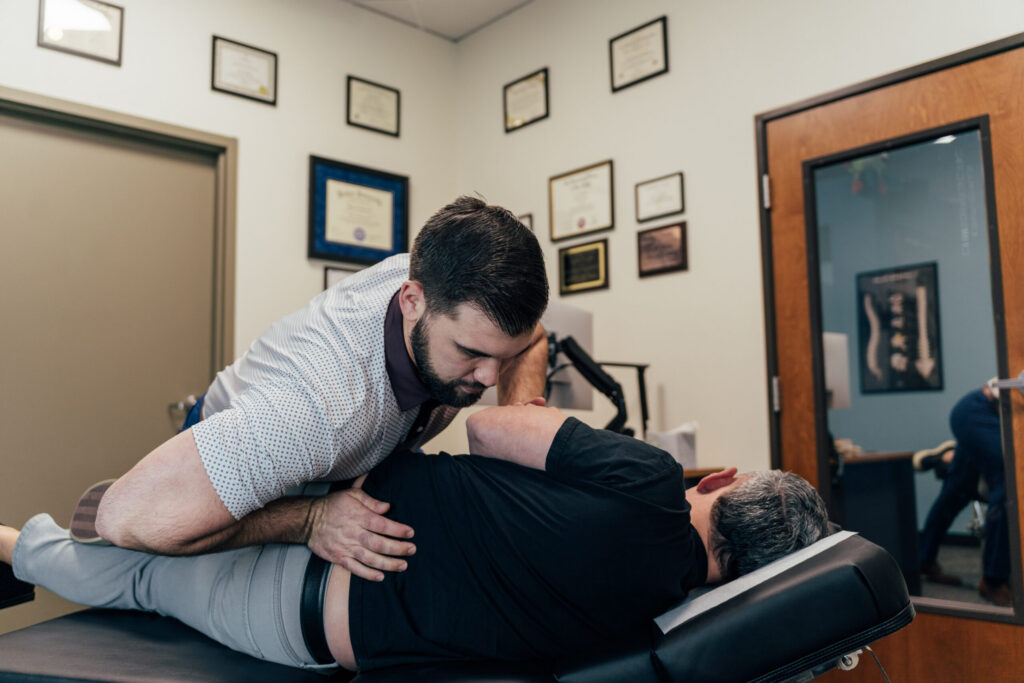

As a local chiropractor, I want to share some valuable insights into how historical techniques can help alleviate neck discomfort. Many ancient practices, such as acupuncture and herbal remedies, have been used for centuries and continue to be relevant today. These methods not only focus on relieving pain but also enhance overall wellness.
You may be surprised to learn how these traditional approaches can complement modern chiropractic treatments. For instance, acupuncture can help release tension and improve circulation, making it a great addition to your care plan. Herbal remedies can also provide natural support for recovery and relaxation.
So, what are some of these time-honored techniques, and how can they fit into your life today? By integrating these practices with chiropractic care, you can achieve a more holistic approach to your neck discomfort. Together, we can explore these options to find what works best for you and promote lasting relief and health.
Ancient Herbal Remedies for Neck Pain Relief
As a chiropractor, I often encourage my patients to explore natural methods for alleviating neck pain, and ancient herbal remedies can be an excellent addition to your wellness routine.
For instance, ginger is a powerful anti-inflammatory herb that can help relieve discomfort. You might consider enjoying a soothing cup of ginger tea, which not only tastes great but can also help ease your pain from the inside out.
Turmeric is another remarkable herb known for its pain-reducing properties. You can make a simple turmeric paste and apply it directly to the affected area, promoting healing and reducing inflammation.
Another herb worth mentioning is willow bark, often referred to as nature’s aspirin. This has been used for centuries to help relieve pain and inflammation, making it a valuable ally in your recovery process.
Essential oils, such as peppermint and eucalyptus, can also play a significant role in your neck pain relief. Massaging these oils into your neck area may provide a refreshing cooling sensation while also enhancing blood circulation, which is essential for healing.
Additionally, don’t overlook the benefits of a warm compress infused with herbal teas. This can help relax your muscles and alleviate tension, complementing any chiropractic adjustments you may receive.
By incorporating these ancient herbal remedies into your care routine, you may discover a more holistic approach to managing and relieving your neck pain.
Traditional Chinese Medicine Practices
As a local chiropractor, I want to share some insights about how we can address neck discomfort through natural healing methods.
One effective approach is acupuncture, a practice rooted in Traditional Chinese Medicine (TCM). This technique involves the insertion of fine needles at specific points on the body to stimulate energy flow, known as Qi. Many of my patients report that acupuncture not only alleviates neck tension but also promotes an overall sense of relaxation.
Another beneficial method is cupping therapy. This involves placing suction cups on the skin to enhance circulation and relieve muscle tightness. Patients often experience immediate relief from discomfort following a cupping session, making it a great complement to chiropractic adjustments.
Herbal remedies are also an essential part of TCM that can support your healing process. You might want to explore herbal teas or tinctures designed to reduce inflammation and promote recovery.
Gentle exercises, such as Tai Chi and Qi Gong, can significantly improve flexibility and strengthen the muscles in your neck. Incorporating these practices into your daily routine can lead to lasting relief from neck discomfort while helping you achieve a greater sense of balance and well-being.
As we work together to address your neck pain, I encourage you to consider these natural healing practices alongside your chiropractic care. Together, we can create a comprehensive approach to your health.
The Art of Ayurvedic Treatments
As a local chiropractor, I want to introduce you to some effective natural healing practices, particularly those rooted in Ayurveda, that can alleviate neck discomfort.
You may be surprised to learn about the powerful herbal remedies that can provide relief. Additionally, certain massage techniques are essential in promoting relaxation and enhancing the healing process.
By exploring these holistic approaches, you can move towards a more comfortable, pain-free life, complementing the chiropractic care I offer.
Let’s work together to find the best solutions for your well-being!
Herbal Remedies for Relief
As a local chiropractor, I’m here to share how the principles of Ayurveda can complement your journey to alleviating neck discomfort. Many patients may not realize the significant role herbal remedies can play in enhancing their overall well-being and supporting chiropractic care.
For instance, turmeric is renowned for its anti-inflammatory properties. You might consider incorporating it into your diet by enjoying it in warm milk or taking it as a supplement. This can help reduce inflammation and provide relief from pain.
Another excellent option is ginger tea, which not only helps soothe stiffness but also enhances circulation—an important factor in healing.
Additionally, I recommend trying a blend of eucalyptus and sesame oil. Gently massaging this combination into your neck can alleviate soreness and promote relaxation, making it a great addition to your self-care routine.
If you’re looking for a quick soothing effect, peppermint oil can offer a refreshing cooling sensation when applied to the affected area, helping to reduce discomfort.
Lastly, don’t overlook the benefits of ashwagandha. This powerful herb can help manage stress levels, which is crucial for maintaining good neck health and overall well-being.
Massage Techniques in Ayurveda
As a chiropractor, I often see patients who are dealing with neck discomfort, and I want to introduce you to some holistic approaches that can complement traditional chiropractic care. One such approach is Ayurvedic massage, which focuses on balancing the body’s energies, known as doshas, to promote relaxation and alleviate pain.
One well-known technique is called Abhyanga. This involves the use of warm herbal oils and rhythmic strokes, which can help soothe tight muscles and improve circulation. Many patients find that this method not only relieves discomfort but also enhances their overall sense of well-being.
Another beneficial technique is Shirodhara, where warm oil is gently poured onto the forehead. This practice is known for calming the mind and relieving tension in the neck, which can be particularly helpful for those experiencing stress-related discomfort.
Incorporating these Ayurvedic massage techniques into your routine can be an effective way to maintain flexibility and overall health. By understanding your body’s unique needs, you can tailor these methods for optimal relief and relaxation, enhancing your journey toward a pain-free neck.
As always, I encourage you to discuss any new treatments with me to ensure they align with your chiropractic care plan.
Historical Massage Techniques
As your local chiropractor, I’d like to introduce you to the fascinating world of historical massage techniques that can greatly enhance your understanding of natural healing and neck discomfort relief.
By exploring the rich traditions of ancient Chinese practices, Greco-Roman methods, and Ayurvedic approaches, you’ll find valuable insights that can complement your chiropractic care.
Each of these cultures has developed unique techniques that focus on alleviating tension and promoting overall wellness.
For instance, ancient Chinese practices emphasize the balance of energy within the body, while Greco-Roman methods often incorporate deep tissue work to release tight muscles.
Ayurvedic approaches, on the other hand, consider the individual’s unique constitution and may use specific oils and herbs to enhance the healing process.
Incorporating these historical techniques into your wellness routine can provide additional benefits to your chiropractic treatment, helping to relieve neck discomfort and improve your overall health.
Let’s delve deeper into how we can use these time-tested methods to support your journey towards better health!
Ancient Chinese Practices
As a local chiropractor, I want to introduce you to some ancient Chinese practices that can complement your chiropractic care and help alleviate neck discomfort while promoting your overall well-being.
One of the most effective methods is Tui Na, a therapeutic massage that combines acupressure and manipulation to stimulate the flow of energy throughout the body. By applying pressure to specific points along your neck and shoulders, we can relieve tension and restore balance, enhancing the effectiveness of your chiropractic adjustments.
In addition to Tui Na, gentle stretching and rotation of the neck can improve flexibility and reduce soreness, making it easier for your spine to maintain proper alignment. We often incorporate the use of herbal oils to add warmth and relaxation, further amplifying the benefits of these techniques.
You might also find value in Qi Gong, which merges movement and breathing exercises to promote muscle relaxation and overall vitality.
Integrating these ancient practices into your wellness routine can lead to significant relief from discomfort and a boost in your energy levels. Together, we can work towards your health goals holistically, combining chiropractic care with these time-tested approaches.
Greco-Roman Techniques
As a local chiropractor, I want to introduce you to some remarkable techniques rooted in Greco-Roman practices that can help alleviate neck discomfort and enhance your overall wellness.
These methods focus on using specific pressure and rhythmic movements to promote muscle relaxation and improve circulation.
To begin, gentle kneading of the neck area can be an effective way to relieve tension. As you become more comfortable, gradually increasing the pressure can help further alleviate any discomfort.
Incorporating long, sweeping strokes can enhance blood flow, while circular motions around the shoulders can help release tightness that often contributes to neck pain.
Additionally, many ancient practitioners utilized herbal oils, which can significantly amplify the benefits of these techniques. The aromatic properties may also create a calming effect, further aiding in relaxation.
Another technique to consider is rhythmic tapping, which can invigorate your muscles and provide a boost of energy.
By integrating these Greco-Roman techniques into your self-care routine, not only can you find relief from discomfort, but you’ll also cultivate a deeper connection with your body’s natural healing capabilities.
As your chiropractor, I encourage you to explore these methods alongside your chiropractic adjustments for a comprehensive approach to your health.
Ayurvedic Approaches
As a local chiropractor, I want to share some insights on how to relieve neck discomfort using natural healing methods, particularly through Ayurvedic approaches. Ayurveda, an ancient Indian system of medicine, emphasizes the importance of balancing the body’s energies for overall well-being.
One technique that I highly recommend is Abhyanga, which is a warm oil massage. This method not only helps to soothe tense muscles but also enhances circulation, providing significant relief. Using herbal oils that are specifically chosen for your unique needs can further amplify the benefits of this practice.
In addition to massage, incorporating gentle stretches and yoga into your routine can effectively release tension in the neck area.
Another Ayurvedic remedy that I often suggest is applying heat, such as warm compresses infused with herbs, which can promote relaxation and alleviate discomfort.
It’s also crucial to maintain proper posture throughout your daily activities. Good posture plays a vital role in preventing neck pain and discomfort.
The Use of Heat and Cold Therapies
As a local chiropractor, I often encounter patients who experience neck discomfort and are seeking natural ways to find relief. One of the simplest yet most effective methods involves the use of heat and cold therapies. Understanding how each therapy works can greatly enhance your healing process.
- Heat Therapy: This approach is fantastic for increasing blood flow and relaxing tight muscles. You can easily apply heat by using a warm towel, a heating pad, or even enjoying a warm shower. This can help soothe your discomfort and promote relaxation in the affected area.
- Cold Therapy: On the other hand, cold therapy is excellent for numbing pain and reducing inflammation, particularly right after an injury. Using cold packs or ice wrapped in a cloth can provide immediate relief by minimizing swelling and easing discomfort.
- Combination Therapy: For a comprehensive approach, consider alternating between heat and cold therapies. Start with cold to tackle any swelling and inflammation, and then switch to heat to help relax tight muscles. This combination can offer thorough relief and enhance your overall comfort.
I encourage you to experiment with these methods to discover which one works best for your unique situation.
Always pay attention to your body’s signals and adjust your approach accordingly. Remember, natural healing is a journey, and I’m here to support you every step of the way.
Posture Correction Practices From the Past
As a local chiropractor, I want to share some fascinating insights into how posture correction practices have evolved throughout history and how they can benefit your health today.
In ancient China, practitioners of traditional Chinese medicine recognized the vital role that proper alignment and body awareness play in overall well-being. They believed that maintaining good posture could help prevent energy blockages, ultimately leading to improved health.
In ancient Greece, influential figures like Hippocrates emphasized the strong link between posture and physical health. They advocated for a straight spine as essential for overall wellness.
It’s noteworthy that the ancient Egyptians also understood the importance of body alignment. They incorporated specific movements into their daily routines, believing these practices enhanced both physical and spiritual health.
Fast forward to the late 19th century, and we see the emergence of the Alexander Technique, which is a method designed to help individuals identify and modify habits that contribute to poor posture. By learning to move with greater awareness, you can significantly reduce neck discomfort and enhance your overall quality of life.
Understanding these historical perspectives can empower you to appreciate the importance of posture correction in modern chiropractic care. By embracing these practices, you can take proactive steps toward achieving better health and well-being.
Ancient Stretching and Mobility Exercises
As a chiropractor, I want to share the wisdom of ancient cultures that understood the significance of stretching and mobility exercises for physical health and overall well-being.
These time-tested practices can be incredibly beneficial for you today, especially when it comes to enhancing neck mobility and alleviating tension.
Here are three exercises I encourage you to incorporate into your routine:
- Chin Tucks: Start by gently pulling your chin toward your chest. This simple movement stretches the muscles along the back of your neck. Hold this position for a few seconds, then slowly release.
- Side Neck Stretch: Whether sitting or standing, maintain a straight posture and tilt your head to one side, bringing your ear closer to your shoulder. Hold this stretch for a few breaths, then repeat on the other side.
- Shoulder Rolls: Begin by lifting your shoulders towards your ears. Then, roll them back and down in a circular motion. Repeat this several times to help release any tightness in your shoulders.
These straightforward exercises can help you maintain flexibility and reduce discomfort, just as they did for those in ancient times.
Incorporating these movements into your daily routine can greatly enhance your physical health and complement the natural healing benefits of chiropractic care.
The Role of Meditation and Mindfulness
As a local chiropractor, I want to emphasize the significant role that meditation and mindfulness can play in managing neck discomfort. These practices help you develop a deeper awareness of your body and allow you to release built-up tension effectively. By concentrating on your breath and tuning into the sensations within your neck, you can pinpoint areas of tightness and discomfort. This awareness enables you to consciously relax those specific muscles, leading to much-needed relief.
Incorporating mindfulness into your daily routine is crucial as it helps you recognize postural habits that may be contributing to your neck pain. You’ll become more attuned to how stress impacts your body, which empowers you to tackle these issues proactively. Simple techniques such as deep breathing exercises or guided imagery can help ground you in the present moment, minimizing anxiety and alleviating physical strain.
Moreover, regular meditation practice not only eases discomfort but also fosters your overall well-being. By dedicating time to these techniques, you’re investing in a healthier, more holistic approach to managing and preventing neck issues.
As your chiropractor, I encourage you to explore these natural healing methods alongside your chiropractic care for optimal results.
Folk Remedies and Their Cultural Significance
As a chiropractor, I believe that exploring folk remedies can greatly enhance your understanding of natural healing practices that have been cherished around the world.
These traditions often reflect the values and beliefs of different communities, and they can inform our approach to addressing neck discomfort.
Here are three folk remedies that illustrate this cultural connection and could complement your chiropractic care:
1. Warm Compresses: Many cultures advocate for the use of warm cloths infused with calming herbs like chamomile or lavender.
Applying these compresses can help soothe muscle tension and promote relaxation, which is beneficial for neck pain relief.
2. Cupping Therapy: This ancient practice, rooted in Chinese medicine, involves creating suction on the skin to relieve pain and enhance circulation.
Cupping is based on the belief in energy flow, and it can be an effective adjunct to chiropractic adjustments, helping to release muscle tightness in the neck.
3. Herbal Teas: Across various cultures, teas made from local herbs, such as ginger or peppermint, are commonly used to alleviate discomfort.
This highlights the deep connection between nature and wellness, and incorporating these herbal remedies can support your overall healing journey.
Conclusion
As a local chiropractor, I want to introduce you to some historical techniques for alleviating neck discomfort that have stood the test of time across various cultures. Methods such as acupuncture, Ayurvedic treatments, and ancient massage practices offer unique benefits that can greatly enhance your well-being. By incorporating these natural healing approaches into your routine, you may find lasting relief from neck pain and tension.
Chiropractic care aligns well with these time-honored practices, emphasizing the importance of a holistic approach to health. I encourage you to explore these remedies and see how they can complement your chiropractic treatments, leading to a healthier, more comfortable neck and a balanced lifestyle. Together, we can work towards finding the best solutions tailored to your needs.