
When you face a sports injury, understanding the right path to recovery is essential. You might find that early diagnosis and tailored treatment options can make all the difference in your healing journey. Exploring various rehabilitation techniques and preventative care strategies not only helps you regain strength but also reduces the risk of future injuries. However, what if you could enhance your recovery even further through nutrition and alternative therapies? The answers might surprise you and could change the way you approach your training and health.
Understanding Sports Injuries
Sports injuries can be a frustrating hurdle for athletes at any level, whether you're a weekend warrior or a seasoned pro. Understanding sports injuries is essential to managing and preventing them. These injuries can occur due to various factors, including overuse, improper technique, or sudden trauma. You might experience sprains, strains, fractures, or tendonitis, each affecting your performance differently.
When you push your body beyond its limits, you're more susceptible to injuries. It's important to recognize the signs early. Pain, swelling, or limited range of motion can be indicators that something's wrong. Ignoring these symptoms can lead to more severe problems, sidelining you for longer periods.
In addition to recognizing symptoms, understanding the mechanics behind your sport can help you avoid injuries. Assess your technique and verify you're using the correct form. This awareness can greatly reduce your risk.
It's also essential to incorporate proper warm-up and cool-down routines into your training. These practices prepare your body for the demands of your sport and aid in recovery.
Lastly, don't underestimate the role of adequate rest. Your body needs time to repair itself after strenuous activity. Balancing training with rest won't only enhance your performance but also help you stay injury-free.
Importance of Early Diagnosis
Early diagnosis of sports injuries can make a significant difference in your recovery and overall performance. When you identify an injury early, you can take the necessary steps to address it before it worsens. Ignoring symptoms or delaying diagnosis often leads to prolonged healing times and can even result in chronic issues that might sideline you for an extended period.
By recognizing the signs of an injury—whether it's pain, swelling, or limited mobility—you set yourself on a path to a more effective recovery. Early intervention can help prevent further damage to your muscles, tendons, or ligaments. For instance, treating a sprained ankle promptly can reduce the risk of complications that may arise from neglecting it.
You'll also find that understanding your injury helps you communicate better with healthcare professionals, ensuring you receive tailored care suited to your specific needs.
Additionally, an early diagnosis allows you to adjust your training regimen. Instead of pushing through the pain, you can modify your activities to promote healing while maintaining your fitness. This proactive approach not only aids recovery but also keeps you mentally engaged in your sport.
In sports, every moment counts, and being sidelined can impact your performance and confidence. By prioritizing early diagnosis, you invest in your health and longevity as an athlete, equipping yourself with the tools to bounce back stronger than before.
Don't wait until it's too late—listen to your body and seek help when you need it.
Treatment Options Available
When you're recovering from a sports injury, exploring your treatment options is essential.
Physical therapy techniques can help restore your strength and mobility, while alternative healing methods may offer additional relief.
Let's look at how these approaches can work together for your recovery.
Physical Therapy Techniques
If you're dealing with a sports-related injury, exploring various physical therapy techniques can be a game changer in your recovery.
These methods focus on restoring your strength, flexibility, and overall function, helping you get back to the activities you love.
You might consider techniques like:
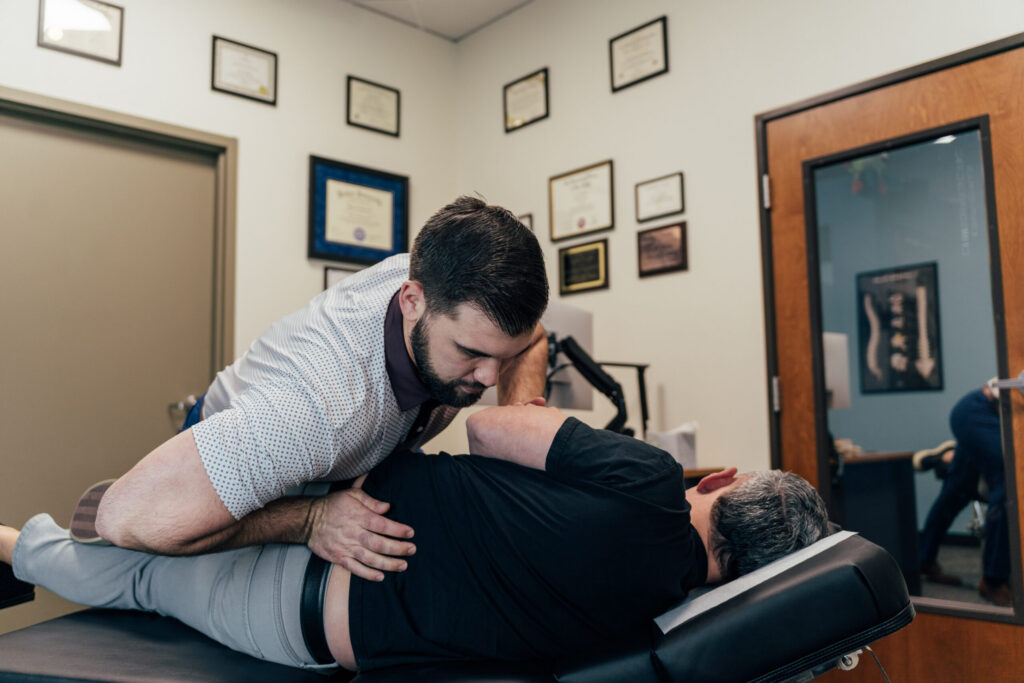
- Manual Therapy: Hands-on manipulation can relieve pain and improve mobility, giving you that much-needed relief.
- Therapeutic Exercises: Customized routines strengthen specific muscle groups, enhancing your performance while preventing future injuries.
- Modalities: Techniques like ultrasound or electrical stimulation can reduce inflammation and promote healing, leading to quicker recovery times.
Incorporating these physical therapy techniques into your rehabilitation plan can't only speed up your healing but also empower you to regain confidence in your body.
You'll feel the difference as you progress through each session, witnessing your strength and mobility return.
Remember, it's crucial to work closely with a qualified physical therapist who can tailor a program that addresses your unique needs.
This personalized approach guarantees you're not just recovering but thriving, ready to tackle your sport with renewed vigor.
Alternative Healing Methods
While physical therapy techniques play an essential role in recovery, alternative healing methods can also offer valuable support for sports injuries. These approaches can complement your treatment plan, helping you heal more effectively and enhance your overall well-being.
One popular method is acupuncture, which involves inserting thin needles into specific points on your body to alleviate pain and improve circulation. Many athletes find relief from chronic pain and quicker recovery times through this ancient practice.
Additionally, massage therapy can offer significant benefits, loosening tight muscles, reducing inflammation, and promoting relaxation.
Chiropractic care is another alternative worth considering. Chiropractors focus on spinal alignment, which can improve your body's function and alleviate pain caused by misalignments.
Similarly, herbal remedies and nutritional supplements can support your body's healing process by providing essential nutrients and reducing inflammation.
Lastly, practices like yoga and meditation can enhance your mental resilience, helping you cope with the emotional aspects of injury recovery.
Incorporating these alternative healing methods into your routine can provide a holistic approach to healing, allowing you to return to your sport stronger and more balanced.
Rehabilitation Techniques
Rehabilitation techniques play an essential role in your recovery from sports injuries, as they help restore strength, flexibility, and functionality. These methods are tailored to your specific needs, ensuring you regain your physical prowess and confidence. By actively engaging in your rehabilitation process, you're taking vital steps toward returning to the activities you love.
Incorporating various techniques can make a significant difference. Here are some effective options to reflect upon:
- Physical Therapy: Working with a skilled therapist, you'll learn targeted exercises that promote healing and prevent further injury.
- Strength Training: Gradually building your strength not only aids recovery but also empowers you, making you feel more capable and resilient.
- Stretching and Mobility Work: Enhancing your flexibility can reduce pain and improve your overall range of motion, allowing you to move freely again.
Each of these techniques fosters a sense of empowerment and determination. Remember, the road to recovery may be challenging, but every small victory counts. Celebrate your progress, no matter how minor it may seem.
By committing to these rehabilitation techniques, you're not just healing your body; you're building your mental resilience as well. As you work through each phase of recovery, keep your focus on the goal ahead: returning to your sport and reclaiming your passion.
Embrace the journey, and soon enough, you'll be back in action, stronger than ever.
Preventative Care Strategies
Preventative care strategies are vital for athletes aiming to minimize the risk of injuries and maintain peak performance. To achieve this, you need to focus on a few key areas.
First, incorporating a well-structured warm-up routine can greatly prepare your body for the demands of your sport. Dynamic stretching, mobility exercises, and sport-specific drills help increase blood flow, enhance flexibility, and activate the muscles you'll use during competition.
Next, consider cross-training to build overall strength and endurance. Engaging in different activities allows you to work various muscle groups, reducing the risk of overuse injuries. It also keeps your training regimen fresh and exciting, which can boost motivation.
Another important aspect is to listen to your body. If something feels off, don't ignore it. Pain or discomfort can be your body's way of signaling that it needs rest or further assessment. Regular check-ups with a sports medicine professional can help identify potential issues before they escalate into serious injuries.
Additionally, focus on proper technique in your sport. Whether you're running, swimming, or playing a team sport, using the correct form can make a huge difference in preventing injuries.
Finally, make sure you're allowing adequate recovery time between workouts. Rest is just as important as training; it's during recovery that your body repairs and strengthens.
The Role of Nutrition
Nutrition plays an essential role in an athlete's performance and recovery. When you fuel your body with the right nutrients, you not only enhance your physical capabilities but also speed up healing after injuries. It's about more than just calories; it's about providing your body with the building blocks it needs to thrive.
Here's why focusing on nutrition is important:
- Boosts energy levels: Proper nutrition gives you the stamina to push through tough workouts and competitions.
- Supports muscle repair: Protein-rich foods help your muscles recover faster, reducing downtime after injuries.
- Reduces inflammation: Anti-inflammatory foods can lessen pain and swelling, making recovery smoother.
You might find that incorporating a balanced diet into your routine can make a significant difference. Carbohydrates are your primary energy source, so don't shy away from whole grains, fruits, and vegetables.
Lean proteins—like chicken, fish, and legumes—are essential for muscle repair. Don't forget healthy fats from nuts and avocados to support overall health.
Hydration is another key component. Keeping your body well-hydrated enhances performance and aids in recovery. You'll be less prone to cramping and fatigue, allowing you to train harder and recover quicker.
In short, when you prioritize nutrition, you're investing in your athletic future. So, pay attention to what you eat—it could be the difference between sidelining an injury and coming back stronger than ever.
Conclusion
Injuries can sideline your athletic journey, but with the right approach, you can bounce back. By prioritizing early diagnosis and exploring various treatment options, you set the stage for effective recovery. Embracing rehabilitation techniques and preventative care helps you build resilience. Don't forget the power of nutrition in your healing process. Stay attentive to your body's signals, and you'll not only recover but also enhance your performance for a healthier, longer sports career.