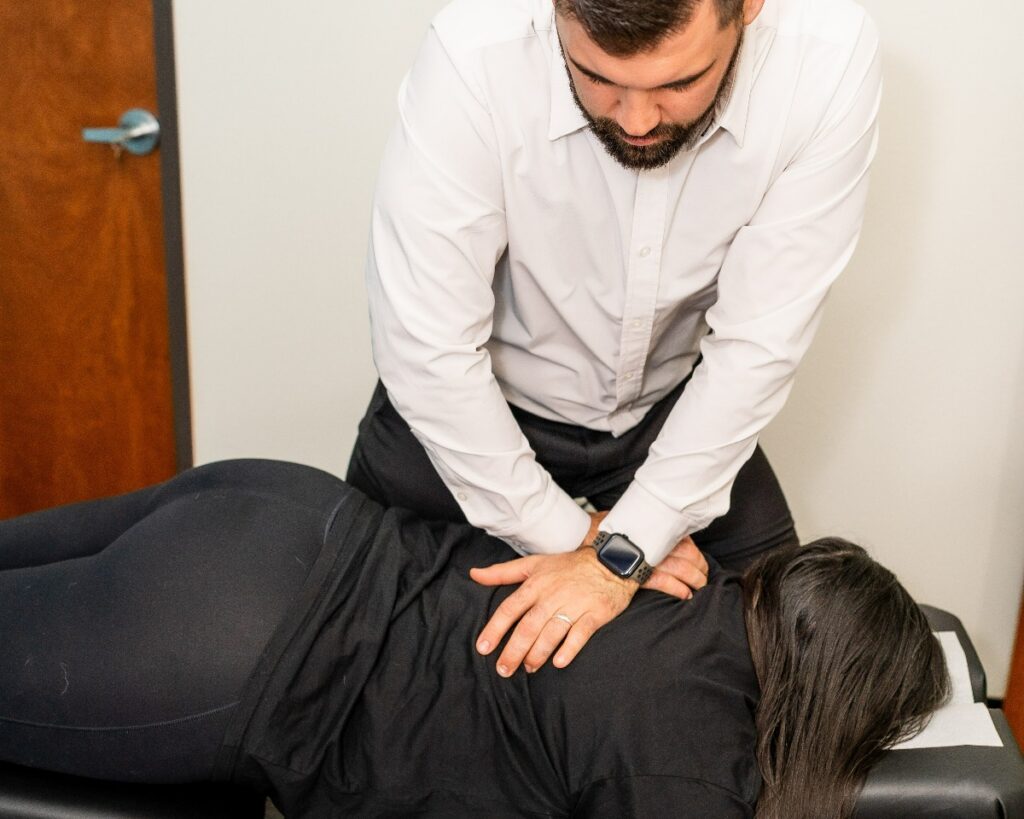

As a local chiropractor, I often see patients who are struggling with back pain and are unsure of how to find relief. Back pain can significantly impact your daily activities, but it’s important to know that there are natural techniques available that don’t require medication. Techniques such as stretching, yoga, and proper body mechanics can play a vital role in alleviating discomfort and enhancing your overall well-being.
Understanding these natural methods can empower you to take control of your health and comfort. So, what specific techniques can you incorporate into your daily routine to experience lasting benefits? Let’s explore how chiropractic care and holistic approaches can help you manage and alleviate back pain effectively. Together, we can find the right solutions tailored to your needs.
Understanding the Causes of Back Pain
As a local chiropractor, I want to help you understand the common causes of back pain and how we can work together toward relief through natural healing methods. Back pain can affect anyone at any time, but by recognizing its origins, you can take proactive steps to alleviate your discomfort.
One major contributor to back pain is poor posture, particularly if you spend long hours sitting or if you lift heavy objects without proper technique. Many patients come to me after experiencing muscle strains or sprains due to sudden movements or overexertion, which can lead to significant discomfort.
Additionally, conditions like herniated discs or arthritis can cause ongoing pain that affects your quality of life. It’s also important to note that stress and emotional factors can manifest physically, leading to muscle tension and exacerbating your situation.
Understanding these causes empowers you to make meaningful lifestyle changes. Simple adjustments, such as improving your posture and being mindful of how you move, can have a profound impact on your back health.
Remember, your daily habits—ranging from exercise to managing stress—play a crucial role in maintaining a healthy back.
The Benefits of Stretching and Flexibility Exercises
As a local chiropractor, I want to emphasize the importance of incorporating stretching and flexibility exercises into your daily routine.
These exercises can significantly enhance your muscle flexibility, which helps relieve tension and improves your overall mobility. By focusing on these practices, you can also achieve better posture alignment, which is crucial for supporting your spine and reducing back pain.
Committing to regular stretching not only promotes a healthier body but also fosters a more balanced and pain-free lifestyle.
Enhanced Muscle Flexibility
As a local chiropractor, I want to emphasize the significant benefits of enhanced muscle flexibility when it comes to relieving back pain and improving your overall mobility. Incorporating stretching and flexibility exercises into your daily routine can drastically reduce muscle tension and increase your range of motion.
This improved flexibility allows your muscles to better adapt to everyday activities, which helps prevent injuries and discomfort. For instance, simple stretches such as hamstring and hip flexor stretches can have a profound impact on how your back feels.
By regularly engaging in these exercises, you not only help alleviate pain but also promote better blood circulation, ensuring that your muscles receive the essential nutrients they need to function optimally.
I encourage you to dedicate just a few minutes each day to focus on flexibility work. This small commitment can help create a stronger foundation for your back, leading to long-lasting relief and greater ease in your movements.
Improved Posture Alignment
As a local chiropractor, I want to emphasize the importance of good posture in preventing back pain. Many people may not realize that stretching and flexibility exercises can play a crucial role in achieving proper alignment.
By incorporating these exercises into your daily routine, you can significantly improve your posture, which can lead to relief from discomfort and overall enhancement of your well-being.
Here are three key benefits to consider:
- Increased Flexibility: Stretching is vital for lengthening tight muscles that can restrict movement and lead to misalignment. When your muscles are flexible, it allows for better mobility and posture.
- Strengthened Core: Many flexibility exercises engage your core muscles, which provide essential support for maintaining a stable and upright posture. A strong core is the foundation of good posture and can help prevent future injuries.
- Reduced Muscle Tension: Regular stretching can alleviate muscle tension that contributes to poor posture and discomfort. By relieving this tension, you can enhance your overall comfort and well-being.
As you explore ways to improve your posture, remember that incorporating stretching and flexibility exercises can be a natural and effective approach to achieving lasting results.
If you have any questions or would like guidance on specific exercises, feel free to reach out!
Incorporating Yoga for Back Pain Relief
As a local chiropractor, I want to share how yoga can be an effective approach to alleviating back pain while also enhancing your overall flexibility and strength.
Many people may not be familiar with how natural healing methods, like yoga, can complement chiropractic care. By integrating specific yoga poses into your daily routine and embracing mindfulness techniques, you can significantly improve your well-being and manage discomfort.
Let’s delve into the benefits of yoga for back pain relief and highlight some key poses that can provide relief.
These practices not only aid in pain management but also promote a healthier spine and body alignment, which are essential for long-term wellness.
Benefits of Yoga
As a local chiropractor, I often see patients struggling with back pain, and I want to share how incorporating yoga into your daily routine can be a powerful tool for relief.
While many people think of yoga as just a way to increase flexibility, it offers much more, particularly in promoting the strength and balance essential for a healthy spine.
Here are three important benefits of yoga that can help you on your journey to healing:
- Improved Flexibility: Regular yoga practice can help release tight muscles, which in turn reduces stiffness and discomfort in your back. This increased flexibility can enhance your overall mobility and contribute to better spinal alignment.
- Enhanced Strength: Many yoga poses focus on building core strength, which is crucial for supporting your spine. A strong core can help alleviate pressure on your back, potentially reducing pain and preventing future injuries.
- Stress Relief: Yoga isn’t just a physical practice; it also promotes relaxation and mindfulness. By managing stress effectively, you can reduce tension in your body that often exacerbates back pain. This holistic approach can be a valuable complement to chiropractic care.
Incorporating yoga into your routine can be an effective natural healing method, working alongside chiropractic adjustments to improve your overall well-being.
Essential Poses to Try
As a local chiropractor, I want to share with you some essential yoga poses that can significantly help alleviate back pain and enhance your spinal health.
These poses aren’t only beneficial but can also complement the treatments we provide in our office.
First, let’s start with Child’s Pose. This gentle stretch helps to elongate your spine and hips, promoting relaxation and easing tension.
It’s a fantastic way to begin your practice.
Next up is Cat-Cow Pose. This dynamic movement encourages flexibility in your spine and helps to relieve tension in your back, making it an excellent addition to your routine.
Downward-Facing Dog is another pose you might find helpful. It stretches your hamstrings and spine while also strengthening your core.
This can be particularly beneficial for overall spinal support.
Sphinx Pose is another one to consider. This pose helps to strengthen your lower back and encourages proper spinal alignment, which is crucial for maintaining a healthy back.
Lastly, don’t underestimate the calming effects of Seated Forward Bend. This pose not only lengthens your spine but also helps to calm your mind, which is important for overall wellbeing.
As you practice these poses, remember to focus on your breath.
Deep breathing will assist in releasing tension and improving your mobility.
Incorporating these poses into your daily routine can provide lasting relief and complement the chiropractic care you receive.
Embrace these natural healing methods for a healthier spine!
Practicing Mindfulness Techniques
As a local chiropractor, I often emphasize the importance of incorporating mindfulness techniques into your routine, especially if you’re dealing with back pain.
These techniques not only complement chiropractic care but also enhance your overall wellness by fostering a deeper connection between your mind and body.
Here are three mindfulness strategies that can be beneficial for your back health:
1. Breath Awareness: Focusing on your breath while engaging in physical activities can significantly help alleviate tension in your back.
By being aware of your breathing as you move, you encourage relaxation and grounding, which can be especially helpful during chiropractic adjustments or exercises prescribed for your recovery.
2. Body Scan: Take a few moments to mentally assess your body, paying special attention to any areas of discomfort.
By identifying where you feel tension or pain, you can communicate more effectively with your chiropractor about specific issues, allowing for tailored adjustments that promote greater relief.
3. Meditation: Dedicating time to meditate before or after your chiropractic sessions can help clear your mind and foster a sense of tranquility.
This practice not only prepares your body for healing but also supports stress reduction, which is essential for managing pain and improving your overall back health.
Incorporating these mindfulness techniques into your daily routine can significantly enhance your healing journey and improve your overall well-being.
The Role of Heat Therapy in Alleviating Pain
As a chiropractor dedicated to helping you understand natural healing methods, I want to share how heat therapy can be a powerful ally in managing back pain. Many of you may not be familiar with how simple techniques can significantly improve your comfort and well-being.
Heat therapy is an effective way to alleviate back pain by increasing blood flow to the affected area. This increased circulation helps to relax tight muscles and reduces discomfort. You might find relief using various heat sources, such as a heating pad, hot water bottle, or even a warm towel. The warmth penetrates deep into your tissues, promoting healing and relaxation.
Incorporating heat therapy into your daily routine can be quite beneficial. For example, if you wake up feeling stiff, taking a warm shower can help ease that discomfort. On the other hand, applying heat before bedtime can help you unwind and may improve your sleep quality. Just remember to keep an eye on the temperature to prevent any burns.
Additionally, combining heat therapy with gentle stretches can enhance its effectiveness. Always pay attention to how your body responds; if the heat feels too intense, it’s important to take a break.
Cold Therapy: When and How to Use It
As your local Chiropractor, I want to share how cold therapy can be a transformative tool for managing back pain, especially immediately after an injury or during a flare-up.
Utilizing cold therapy can help numb the painful area, decrease inflammation, and provide relief. Here’s how you can use it effectively:
- Timing: It’s best to apply cold therapy within the first 48 hours following an injury. This is when it can be most beneficial in reducing pain and swelling.
- Application: You can use a cold pack or even a bag of frozen vegetables wrapped in a towel to protect your skin. Apply it directly to the affected area for about 15-20 minutes at a time.
- Frequency: You can repeat this process every hour as needed. Just remember to give your skin some time to recover between applications to prevent frostbite.
By incorporating cold therapy into your pain management routine, you may find significant relief and support your healing process.
If you have any questions or need further guidance, feel free to reach out during your next visit!
The Importance of Posture and Ergonomics
As a local Chiropractor, I want to emphasize the critical importance of proper posture and ergonomics in preventing back pain and enhancing your overall health. When you maintain correct posture—whether sitting, standing, or moving—your spine remains aligned, reducing strain on your muscles and ligaments. This alignment is vital for minimizing the risk of injury and promoting optimal function.
For those of you who spend long hours at a desk, I highly recommend investing in ergonomic furniture that supports your body’s natural posture. Ensure your chair is adjusted to the right height so that your feet are flat on the ground, and your computer screen is at eye level. This simple adjustment can help you avoid the common tendency to hunch over, which can lead to discomfort and pain.
In addition to setting up your workspace correctly, it’s essential to incorporate regular breaks into your routine. Standing up, stretching, and moving around can help relieve tension and improve circulation, which is beneficial for your spine and overall health.
Remember, even small changes in your posture can lead to significant improvements in how you feel throughout the day.
Exploring Massage and Bodywork Techniques
As a local chiropractor, I want to emphasize that while maintaining good posture and proper ergonomics is crucial for managing back pain, it’s only one component of a comprehensive approach to recovery.
Incorporating various massage and bodywork techniques can significantly enhance your healing process. These therapies not only help alleviate tension but also improve circulation and encourage relaxation.
Here are three effective techniques I recommend:
- Swedish Massage: This gentle method employs long, flowing strokes and kneading to relax your muscles and boost blood circulation. It’s an excellent choice for anyone experiencing general back pain, offering a soothing way to relieve discomfort.
- Deep Tissue Massage: If you’re dealing with chronic pain and stiffness, deep tissue massage might be beneficial. This technique delves into the deeper layers of muscle tissue to target persistent tension and tightness, providing profound relief.
- Trigger Point Therapy: This specialized approach focuses on identifying and releasing specific tight spots, or trigger points, which can cause referred pain. By addressing these areas, this therapy helps restore your mobility and reduce pain effectively.
Integrating these techniques into your care plan can significantly enhance your recovery and overall well-being.
If you’re curious about how these therapies can work alongside chiropractic care, feel free to ask during your next visit!
Lifestyle Changes for Long-Term Back Health
As a local chiropractor, I want to emphasize the importance of not just seeking immediate relief from back pain but also making lifestyle changes that promote long-term back health.
While treatments like massage can provide temporary comfort, it’s crucial to adopt habits that support your spine’s well-being.
First, I encourage you to incorporate regular exercise into your daily routine. Engaging in activities such as swimming, walking, or yoga can significantly strengthen your back muscles and enhance flexibility, which is vital for preventing future discomfort.
Pay close attention to your posture, especially when sitting or standing. Using ergonomic furniture can make a big difference, and I recommend taking short breaks to stretch if you find yourself inactive for extended periods.
Maintaining a healthy weight is also essential, as excess weight can place unnecessary strain on your spine.
Additionally, consider your diet. A balanced intake of anti-inflammatory foods—like fruits, vegetables, and whole grains—can support your overall health and contribute to reducing inflammation, which may alleviate pain.
Lastly, never underestimate the power of quality sleep. Ensure that your mattress and pillows provide the necessary support for your spine.
Prioritizing these lifestyle changes won’t only help you feel better today but will also contribute to a healthier back in the long run.
Conclusion
As a local chiropractor, I want to share with you the importance of incorporating natural techniques for back pain relief into your daily routine. Many people are unaware of how common causes of discomfort can be addressed through holistic approaches. By understanding your body and embracing practices like stretching, yoga, and mindfulness, you can not only promote healing but also enhance your overall quality of life.
One crucial aspect to consider is your posture. Poor posture can significantly contribute to back pain, so being mindful of how you sit, stand, and move throughout the day is essential. Additionally, therapies such as heat and cold can provide immediate relief and are easy to integrate into your self-care routine.
By adopting these lifestyle changes, you’re not just addressing your pain in the short term; you’re making a valuable investment in your long-term back health and overall wellness. If you have any questions or would like guidance on how to implement these techniques effectively, don’t hesitate to reach out. I’m here to help you on your journey to a healthier back and a more vibrant life.