
When you face a sports injury, it's crucial to understand that treatment options aren't one-size-fits-all. You might consider a variety of approaches, from physical therapy to medication, each tailored to your specific needs and injury. While some methods focus on immediate pain relief, others aim for long-term recovery and prevention. As you weigh these options, think about what best aligns with your goals and lifestyle. The choices can be overwhelming, but what if you discovered an unexpected path to faster recovery?
Common Sports Injuries
Sports injuries are surprisingly common, affecting countless athletes each year. Whether you're a weekend warrior or a seasoned pro, you may find yourself facing injuries that can sideline your performance. Some of the most common injuries include sprains, strains, fractures, and tendonitis.
Sprains occur when ligaments, which connect bones at joints, stretch or tear. You might experience this injury during twisting movements, especially in sports like basketball or soccer.
Strains, on the other hand, involve muscles or tendons and can happen when you push your body too hard or overexert yourself during practice or games.
Fractures are another frequent concern, often resulting from falls or direct impacts. If you feel sudden pain and can't move a limb, you might be dealing with a fracture.
Tendonitis, characterized by inflammation of the tendons, usually develops from repetitive motions, common in activities like running or swimming.
You should also keep an eye on overuse injuries, which happen gradually over time due to repetitive stress on a specific body part. These injuries can affect anyone, regardless of skill level, and often require a more prolonged recovery.
Recognizing these common sports injuries is crucial for any athlete. By understanding the risks, you're better equipped to take preventive measures and protect yourself while enjoying your favorite activities.
Always listen to your body, and don't hesitate to seek help if you suspect an injury.
Initial Assessment and Diagnosis
When you face a sports injury, an accurate diagnosis is essential for effective treatment.
You'll often go through common assessment techniques, like physical examinations and functional tests, to pinpoint the issue.
Sometimes, imaging studies like X-rays or MRIs are necessary to get a clearer picture of the injury's extent.
Importance of Accurate Diagnosis
Accurate diagnosis at the onset of a sports injury is essential for effective treatment and recovery. When you sustain an injury, identifying the specific issue quickly can save you time and prevent further complications.
Without a precise diagnosis, you might follow a treatment plan that doesn't address the root cause, leading to prolonged pain or even chronic problems.
You'll want to communicate openly with your healthcare provider about your symptoms. Describe how the injury occurred, where the pain is located, and how it affects your movement. This information helps them pinpoint the issue more accurately.
Additionally, understanding the severity of your injury is vital. An accurate diagnosis informs you about the appropriate timeline for rest and rehabilitation, allowing you to return to your sport safely.
Common Assessment Techniques
After pinpointing the injury, various assessment techniques come into play to confirm the diagnosis and guide treatment.
First, you'll undergo a thorough history-taking process, where your healthcare provider will ask about how the injury occurred, your symptoms, and any previous injuries. This background helps in forming a clear picture of your condition.
Next, a physical examination is essential. Your clinician will assess your range of motion, strength, and stability. They'll also look for swelling, tenderness, or any deformities that might indicate the severity of the injury.
Functional tests may follow, allowing your provider to observe how the injury affects your performance in specific movements relevant to your sport.
Sometimes, special tests are employed to evaluate specific structures, such as ligaments or tendons. These tests can help pinpoint the exact nature of the injury.
Finally, your provider might discuss the need for further assessments or treatment options based on the findings. By utilizing these common assessment techniques, you'll receive a tailored approach to your recovery, setting the foundation for effective treatment and a return to your sport.
Role of Imaging Studies
Imaging studies play an essential role in the initial assessment and diagnosis of sports injuries, providing valuable insights that enhance your healthcare provider's understanding of your condition. When you suffer an injury, your doctor may recommend various imaging techniques, such as X-rays, MRIs, or CT scans, to visualize the affected area in detail.
X-rays are often the first step, helping to identify fractures or dislocations. If your injury involves soft tissues, like ligaments or muscles, an MRI can deliver a thorough view, revealing tears, sprains, or inflammation.
CT scans offer a more detailed cross-sectional image, which can be vital for complex injuries. These imaging studies help pinpoint the exact nature of your injury, guiding your healthcare team in formulating an effective treatment plan. They allow for early detection of complications, which can greatly impact your recovery timeline.
Ultimately, understanding the role of imaging studies empowers you to engage actively in your treatment journey. By collaborating with your healthcare provider, you can make informed decisions about the best course of action to get you back in the game safely and effectively.
Physical Therapy Techniques
Physical therapy techniques play an important role in the recovery process for sports injuries. When you're dealing with pain or limited mobility, targeted therapy can help restore function and improve your overall performance.
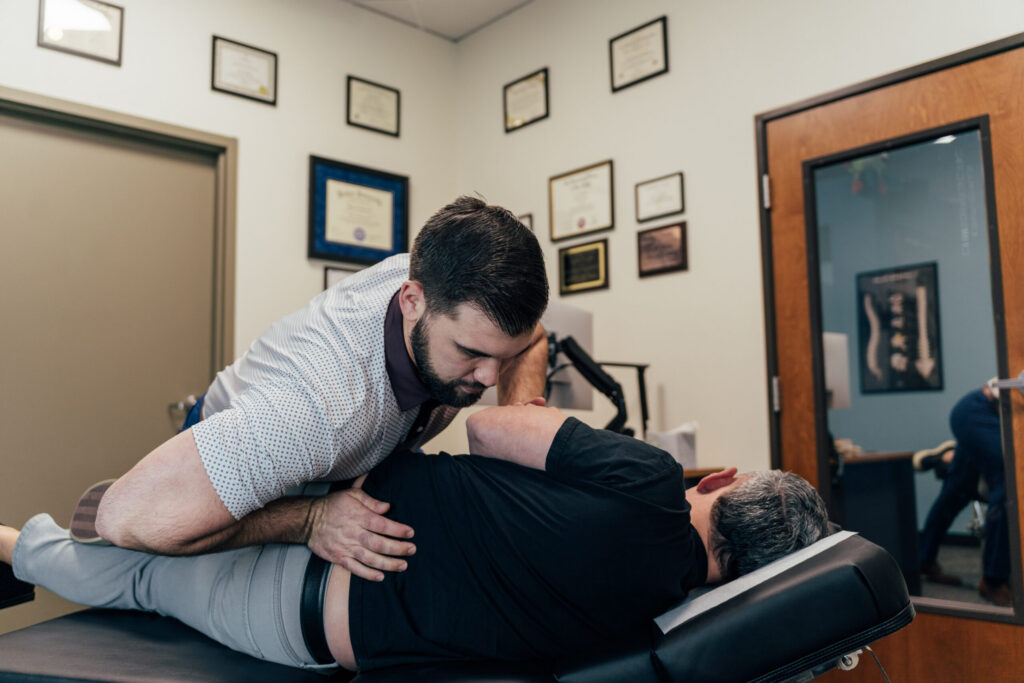
One effective technique is manual therapy, which involves hands-on manipulation of soft tissues and joints. This approach not only alleviates pain but also enhances flexibility and range of motion.
Another vital technique is therapeutic exercise. Your physical therapist will create a personalized exercise program tailored to your specific injury and recovery goals. These exercises focus on strengthening weak muscles, improving endurance, and enhancing coordination. As you progress, your therapist will adjust the program to guarantee you're continually challenged.
Modalities like ultrasound and electrical stimulation can also be beneficial. Ultrasound uses sound waves to promote healing by increasing blood flow to the injured area, while electrical stimulation can help reduce swelling and improve muscle activation. Both techniques can complement your exercise regimen, accelerating recovery.
Don't overlook the value of education and self-management strategies. Your therapist will teach you proper techniques and body mechanics, helping prevent future injuries. They might also provide guidance on stretching and strengthening routines that you can incorporate into your daily life.
Ultimately, engaging in a thorough physical therapy program can greatly enhance your recovery from sports injuries. By actively participating in these techniques, you'll be well on your way to regaining strength, mobility, and confidence in your performance.
Medication and Pain Management
When dealing with sports injuries, effective medication and pain management strategies are vital for your recovery. The right approach can help alleviate pain, reduce inflammation, and expedite healing. Over-the-counter nonsteroidal anti-inflammatory drugs (NSAIDs) like ibuprofen or naproxen are often the first line of defense. They can help manage pain and swelling effectively, allowing you to participate in rehabilitation exercises.
If your pain persists or worsens, consult a healthcare professional. They may prescribe stronger medications, such as opioids, for short-term use. However, be cautious with these, as they carry risks of addiction and side effects. Always follow your doctor's guidelines and use them only as directed.
In addition to medication, consider topical treatments like creams or patches containing analgesics. These treatments can provide localized relief without systemic side effects.
You might also explore alternative pain management techniques, such as heat or cold therapy. Applying ice can help reduce swelling and numb pain immediately after an injury, while heat can soothe stiff or tight muscles during recovery.
Lastly, don't underestimate the power of complementary therapies. Practices like acupuncture or massage therapy can enhance pain relief and promote relaxation, making your recovery a bit more manageable.
Advanced Medical Treatments
As you move beyond medication and pain management, advanced medical treatments offer innovative solutions for more complex sports injuries. These treatments can help you recover faster and more effectively, ensuring you get back to your favorite activities without lingering pain or dysfunction.
One option you might consider is platelet-rich plasma (PRP) therapy. This treatment involves drawing a small amount of your blood, processing it to concentrate the platelets, and injecting it back into the injured area. PRP can promote healing and reduce inflammation, making it a popular choice for tendon injuries and joint pain.
Another promising treatment is stem cell therapy. Stem cells have the unique ability to regenerate damaged tissues, which can be especially beneficial for chronic injuries. By utilizing your body's own cells, this therapy minimizes the risk of complications and enhances the healing process.
If you're dealing with a severe injury, you may also want to explore the option of minimally invasive surgery. Techniques like arthroscopy allow surgeons to repair damage with small incisions, leading to quicker recovery times and less postoperative pain compared to traditional surgery.
Additionally, cryotherapy has gained traction in the sports world. This method uses extreme cold to reduce inflammation and pain, helping you recover faster after intense training or injuries.
Rehabilitation and Recovery Programs
When you're recovering from a sports injury, having a personalized rehabilitation plan is essential to your success.
You'll benefit from advanced recovery techniques tailored to your specific needs and goals.
Let's explore how these programs can help you get back to your best.
Personalized Rehabilitation Plans
Personalized rehabilitation plans are vital for effective recovery from sports injuries. These plans are tailored specifically to your needs, guaranteeing that you get the most appropriate care and support for your situation. A one-size-fits-all approach simply won't cut it when it comes to rehabilitation.
Here's how a personalized plan can benefit you:
- Assessment of Injury: Your rehabilitation starts with a thorough assessment of your injury. This helps identify the best course of action tailored to your specific condition.
- Individual Goals: Setting clear, achievable goals based on your lifestyle and activity level is critical. This keeps you motivated and focused on your recovery journey.
- Targeted Exercises: A personalized plan includes exercises that specifically target your injured area, promoting healing while also preventing future injuries.
- Progress Monitoring: Regular check-ins and adjustments to your plan guarantee you're on track. Monitoring your progress allows for timely modifications based on how your body responds.
Advanced Recovery Techniques
After establishing a personalized rehabilitation plan, integrating advanced recovery techniques can further enhance your healing process and performance.
These techniques, such as cryotherapy, hydrotherapy, and electrical stimulation, target inflammation and promote faster recovery.
Cryotherapy involves exposing your body to extremely cold temperatures, which reduces swelling and alleviates pain. You'll find that regular sessions can greatly speed up your recovery.
Hydrotherapy, on the other hand, utilizes water to improve circulation and range of motion. Swimming or performing exercises in water can take pressure off your joints, allowing for a gentler way to rehabilitate.
Electrical stimulation, or e-stim, uses electrical impulses to stimulate muscle contractions. This technique helps prevent muscle atrophy while you're recovering.
Additionally, incorporating techniques like deep tissue massage or myofascial release can further promote muscle recovery and flexibility.
Don't forget about the importance of nutrition and hydration during your recovery phase. Consuming the right nutrients helps your body repair itself more efficiently.
By combining these advanced recovery techniques with your personalized plan, you'll be better equipped to return to your sport stronger and more resilient.
Always consult with your healthcare provider before starting any new recovery methods.
Prevention Strategies for Athletes
Preventing sports injuries is vital for athletes who want to stay in the game and perform at their best. By adopting effective strategies, you can reduce your risk of injury and enhance your overall performance.
Here are four key prevention strategies to keep in mind:
- Warm-Up Properly: Before any physical activity, make certain to warm up your muscles and joints. Dynamic stretches, light jogging, or sport-specific drills can prepare your body for the demands of your sport.
- Use Proper Techniques: Whether you're running, jumping, or lifting weights, using the correct techniques is essential. Poor form can lead to unnecessary strain on your body and increase your risk of injury. Consider working with a coach or trainer to refine your skills.
- Stay Hydrated and Nourished: Proper nutrition and hydration play a significant role in injury prevention. Dehydration can lead to muscle cramps and fatigue, while a balanced diet guarantees your body has the energy it needs to perform at its best.
- Listen to Your Body: Pay attention to any signs of discomfort or fatigue. If something doesn't feel right, take a break and allow your body to recover. Ignoring these signals can lead to more serious injuries down the line.
Conclusion
In summary, steering through treatment options for sports injuries requires a tailored approach that fits your unique needs. By understanding common injuries and utilizing effective strategies like physical therapy, pain management, and advanced treatments, you can enhance your recovery journey. Remember, a personalized rehabilitation plan is key to regaining your strength and confidence. Take proactive steps to prevent future injuries, and you'll be better prepared to perform at your best in your chosen sport.