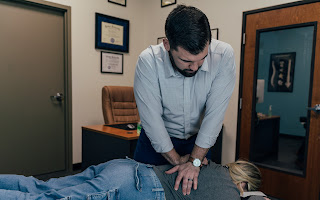
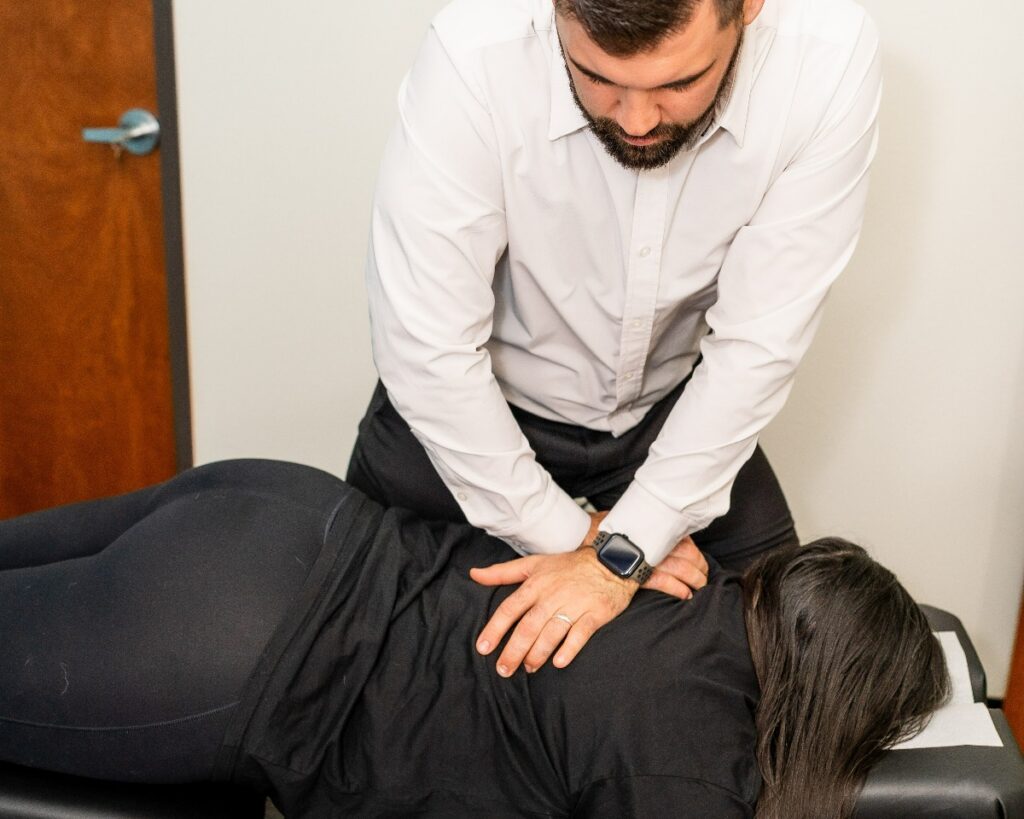
As a local chiropractor, I often see patients struggling with back pain, a common issue that many people face. It’s important to know that you can take proactive steps to alleviate and prevent this discomfort. By incorporating a routine of targeted exercises, you can strengthen your spine and enhance your overall flexibility. I’ve seen firsthand how simple movements, when practiced consistently, can lead to significant improvements in daily comfort and well-being.
If you’re curious about which specific exercises can support a healthier back, I’m here to help guide you. Let’s delve into some effective options that can not only relieve pain but also promote long-term spinal health. Embracing these exercises as part of your routine can be a vital step towards a pain-free life.
Cat-Cow Stretch
As a local chiropractor, I often recommend the Cat-Cow Stretch to my patients looking to relieve back tension and improve their overall spinal health. This dynamic movement isn’t only effective for increasing flexibility but also plays a crucial role in promoting better spinal alignment, which is essential for maintaining a healthy back.
To perform the Cat-Cow Stretch, begin by positioning yourself on your hands and knees in what’s known as a tabletop position. Ensure that your wrists are aligned directly under your shoulders and your knees are positioned under your hips for optimal stability.
As you take a deep breath in, gently arch your back, allowing your belly to drop while lifting your head and tailbone toward the ceiling—this is referred to as the Cow position. On your exhale, focus on rounding your spine by tucking your chin to your chest and pulling your belly button toward your spine, transitioning into the Cat position.
I encourage you to repeat this flow for several breaths, moving with intention and paying close attention to the sensations in your back. The Cat-Cow Stretch not only alleviates tension but also fosters a greater awareness of your body, making it a valuable addition to your daily routine for spinal health.
Incorporating such stretches into your lifestyle can complement chiropractic care, enhancing your overall well-being and promoting natural healing.
Child’s Pose
As a local chiropractor, I often recommend incorporating Child’s Pose into your wellness routine, especially after practicing the Cat-Cow Stretch. This gentle yet effective stretch can provide significant relief from back pain and enhance your overall flexibility.
Here are three key benefits of Child’s Pose that I encourage my patients to consider:
- Stretches the Back: Child’s Pose creates space in your lower back, helping to alleviate tightness and discomfort that can arise from daily activities or poor posture.
- Calms the Mind: This pose promotes deep, mindful breathing, which can help reduce stress and anxiety. Lower stress levels can significantly contribute to relaxation in your muscles and overall body.
- Improves Posture: By regularly practicing Child’s Pose, you can help align your spine and hips, fostering better posture and long-term spinal health.
To perform Child’s Pose, begin by kneeling on the floor. Sit back on your heels, extend your arms forward on the ground, and let your forehead rest gently on the mat.
Breathe deeply and allow yourself to fully relax in this position for 30 seconds to a minute. You’ll likely feel a soothing release in your back, which can complement your chiropractic care and support your journey toward natural healing.
Bird-Dog Exercise
As a local chiropractor dedicated to helping you achieve optimal health, I want to introduce you to a remarkable exercise known as the Bird-Dog. This exercise is an excellent way to enhance your core stability while also strengthening your back, which is essential for maintaining good posture and preventing discomfort.
To perform the Bird-Dog, start by positioning yourself on all fours. Ensure that your hands are directly under your shoulders and your knees are aligned under your hips. It’s important to engage your core muscles and keep your spine in a neutral position throughout the exercise.
Begin by slowly extending your right arm forward while simultaneously extending your left leg back. Aim to create a straight line from your fingertips all the way to your toes. Hold this position for a moment, focusing on your balance and stability.
Afterward, return to the starting position and switch sides, extending your left arm and right leg. I recommend aiming for 10 to 15 repetitions on each side.
The Bird-Dog exercise not only enhances your coordination but also activates the muscles that support your spine, which can significantly contribute to overall spinal health. Incorporating this exercise into your routine can help prevent back pain and improve your functional movement, allowing you to engage in daily activities with greater ease.
Remember to breathe steadily throughout the exercise. This helps maintain control and focus, making your practice more effective.
As you incorporate the Bird-Dog into your routine, you’ll be taking a proactive step toward a healthier spine and improved well-being. If you have any questions about this exercise or how it fits into your overall health plan, please feel free to reach out to me.
Plank
As a local chiropractor, I want to share with you an incredible exercise that can significantly enhance your core strength and stability – the Plank.
This powerful movement engages multiple muscle groups while promoting proper spinal alignment, which is essential for maintaining a healthy back. By incorporating the Plank into your routine, you can help prevent back pain and improve your overall fitness.
Here’s how to perform the Plank correctly:
- Get into position: Start by lying face down on a comfortable surface. Then, lift your body off the ground, balancing on your forearms and toes. Ensure that your body forms a straight line from your head to your heels – this alignment is crucial for protecting your spine.
- Engage your core: It’s important to tighten your abdominal muscles and glutes. This engagement stabilizes your body and helps prevent any sagging or excessive lifting of the hips, which can put unnecessary strain on your back.
- Hold the position: Begin by aiming to hold the Plank for 20-30 seconds. As you become stronger and more comfortable, you can gradually increase the duration.
Incorporating the Plank into your regular exercise routine is a fantastic way to build endurance, support spinal health, and reduce the risk of back pain.
It’s a simple yet effective exercise that can make a significant difference in your overall well-being. Remember, a strong core is key to a healthy back!
Bridge
As a chiropractor, I want to share with you the benefits of the Bridge exercise, a simple yet powerful movement that can significantly strengthen your core muscles and promote better spinal alignment.
This exercise not only supports your back but also enhances your overall stability, which is crucial for maintaining a healthy posture and preventing injuries.
Let’s explore how to perform the Bridge effectively. By incorporating this exercise into your routine, you can take an active role in your natural healing journey.
Strengthens Core Muscles
As a local chiropractor, I want to emphasize the importance of a strong core for preventing back pain. One of the most effective exercises I recommend to my patients is the bridge exercise. This simple movement can significantly enhance your core strength and overall stability, which in turn supports your spine.
Let me explain how the bridge exercise can benefit you:
- Engages multiple muscle groups: When you perform the bridge, you’re not just working your glutes; you’re also engaging your lower back and abdominal muscles. This comprehensive engagement creates a balanced core, which is vital for spinal health.
- Improves pelvic stability: A strong core plays a crucial role in stabilizing your pelvis. By strengthening these muscles, you can reduce strain and discomfort in your back, leading to a more comfortable daily life.
- Enhances functional movement: A well-developed core supports your everyday activities, making tasks like lifting or bending much easier and decreasing the risk of injury.
I encourage you to start practicing the bridge exercise. It’s a fantastic step towards achieving a stronger, healthier back, and it aligns with my philosophy of natural healing and wellness.
Improves Spinal Alignment
As a local chiropractor, I want to emphasize the importance of spinal alignment for your overall back health. One effective exercise that can greatly assist in this regard is the bridge exercise. This exercise works by engaging your glutes, hamstrings, and lower back, which helps stabilize both your spine and pelvis.
To perform the bridge exercise correctly, start by lying on your back with your knees bent and your feet flat on the ground, positioned about hip-width apart. From there, press through your heels to lift your hips toward the ceiling, forming a straight line from your shoulders all the way down to your knees.
It’s important to hold this position for a few seconds before gently lowering your hips back down.
Incorporating the bridge exercise into your routine can help strengthen these essential muscle groups, promote proper spinal alignment, and reduce the risk of discomfort. Additionally, it can enhance your posture, which is crucial for maintaining a healthy spine.
I encourage you to make this exercise a regular part of your health and wellness regimen to enjoy lasting benefits for your back. Let’s work together towards a healthier, pain-free life!
Seated Forward Bend
As a local chiropractor, I want to introduce you to a wonderful exercise known as the Seated Forward Bend. This stretch is exceptional for supporting your back health and can be a valuable addition to your wellness routine.
When performed correctly, it can help relieve tension in your back and improve your overall flexibility.
Let’s delve into the benefits of this stretch and discuss some key techniques to ensure you get the most out of it.
By incorporating the Seated Forward Bend into your practice, you can enhance your spine’s mobility and promote a more balanced body.
Benefits for Back Health
As a local chiropractor dedicated to your well-being, I want to share the significant benefits of incorporating the seated forward bend into your routine for better back health.
This simple yet effective stretch can be a game changer for those looking to enhance their flexibility and relieve tension in the back. Here are three essential benefits of the seated forward bend that I encourage my patients to consider:
1. Increases flexibility: By regularly practicing the seated forward bend, you can improve the flexibility of your hamstrings and lower back, which helps to reduce stiffness and promotes overall mobility.
This is vital for maintaining a healthy spine and preventing injuries.
2. Relieves tension: This stretch effectively targets the back muscles, providing a gentle stretch that alleviates tightness and discomfort.
Many patients report feeling significant relief after incorporating this stretch into their daily routine.
3. Encourages relaxation: The seated forward bend isn’t just about physical benefits; it also promotes mindfulness and relaxation.
Reducing stress levels is crucial, as stress can often contribute to back pain.
Taking time to focus on your breath and body during this stretch can lead to a more relaxed state of mind.
Incorporating the seated forward bend into your daily practice can be a valuable step toward improved back health and overall wellness.
Proper Technique Tips
As a chiropractor, I want to share with you the benefits of incorporating the seated forward bend into your wellness routine, especially for your back health. However, it’s crucial to perform this stretch correctly to maximize its advantages.
Begin by sitting with your legs extended in front of you and your feet flexed. It’s important to maintain a straight spine; inhale deeply as you reach your arms overhead. When you exhale, hinge at your hips and gently fold forward, leading with your chest. Avoid the temptation to round your back—this is key for protecting your spine.
Make sure your neck is relaxed and your shoulders are down, away from your ears. If you can comfortably reach your feet or shins, do so, but listen to your body and don’t force anything. Hold this position for about 20-30 seconds while taking deep breaths.
Additionally, remember to engage your core muscles throughout the stretch. This will help support your spine and prevent any strain, ensuring you get the most out of this beneficial exercise.
Incorporating stretches like the seated forward bend into your routine can be an excellent way to promote natural healing and overall spinal health.
Standing Forward Bend
As a chiropractor dedicated to promoting natural healing and overall wellness, I want to introduce you to a beneficial exercise known as the Standing Forward Bend. This simple movement can significantly help relieve tension in your lower back and hamstrings, contributing to better flexibility and balance in your body.
Here’s how to perform it correctly:
- Stand Tall: Begin by standing with your feet hip-width apart and your arms relaxed by your sides. Engaging your core is essential for maintaining stability throughout the exercise.
- Hinge at the Hips: Gently bend forward from your hips, leading with your chest while keeping your back straight. Allow your head to hang heavy as you lower yourself toward the ground, ensuring that you’re not straining your neck.
- Hold the Position: Stay in this position for 15-30 seconds, focusing on your breath. Inhale deeply and exhale slowly, allowing your body to relax into the stretch. You should feel a gentle pull in your hamstrings and lower back, which indicates the muscles are being effectively stretched.
Incorporating this exercise into your routine can help ease discomfort, improve your flexibility, and promote a healthier spine.
Wall Angels
As a local chiropractor, I want to share with you a fantastic exercise called Wall Angels that can significantly enhance your shoulder mobility and improve your posture.
These two elements are vital in preventing back pain, which many of us experience due to poor posture or lack of movement.
To perform Wall Angels, start by standing with your back against a wall, positioning your feet about six inches away from the base.
It’s important to press your lower back, head, and shoulders firmly against the wall to create a stable foundation.
Next, raise your arms to form a “W” shape, ensuring that your elbows and wrists are in contact with the wall.
Now, slowly slide your arms upward, extending them into a “Y” shape, while keeping the rest of your body pressed against the wall.
Hold this position for a moment, and then return to the “W” shape.
Aim to repeat this motion for 10-15 repetitions.
As you practice Wall Angels consistently, you’ll likely notice increased shoulder flexibility and improved posture.
These changes can help alleviate strain on your back, making it an excellent addition to your routine for both pain prevention and overall spinal health.
I encourage you to incorporate this exercise into your daily activities, as it aligns perfectly with our commitment to natural healing and wellness.
Thoracic Spine Rotation
As a local chiropractor, I want to emphasize the importance of thoracic spine rotation for maintaining your mobility and preventing back pain.
When performed correctly, these movements can significantly enhance your overall posture and flexibility.
Allow me to guide you through the proper techniques to ensure you reap the maximum benefits from incorporating thoracic spine rotation into your routine.
Understanding these fundamentals is key to supporting your body’s natural healing process and promoting long-term wellness.
Importance of Mobility
As your local chiropractor, I want to emphasize the vital role mobility plays in maintaining a healthy spine, particularly when it comes to the flexibility of your thoracic spine. A well-functioning thoracic spine not only allows for greater freedom of movement but also significantly lowers your risk of injury.
Let’s explore three key benefits of enhancing your mobility:
- Improved Posture: By focusing on mobility, we can help align your spine more effectively. This alignment prevents common issues like slouching or hunching, which can lead to discomfort and pain over time.
- Greater Range of Motion: A flexible thoracic spine is crucial for facilitating smooth arm and shoulder movements. This flexibility is essential for performing everyday tasks, whether it’s reaching for something on a high shelf or simply enjoying your favorite activities.
- Less Muscle Tension: Enhancing your mobility can lead to a significant reduction in tightness within your back and shoulders. This relief can make a world of difference in how comfortable you feel throughout the day.
Incorporating mobility exercises into your daily routine can profoundly impact your spinal health and overall well-being.
As your chiropractor, I’m here to guide you through these exercises and help you achieve a more mobile and resilient spine.
Proper Technique Guidelines
As your local chiropractor, I want to share some essential techniques for improving your thoracic spine rotation, which can significantly enhance your posture and reduce muscle tension.
First, whether you’re sitting or standing, it’s crucial to maintain a tall, aligned spine. Engaging your core muscles is important as it helps stabilize your lower back during movement.
When you’re ready to rotate your torso, make sure your hips remain facing forward. This positioning allows your thoracic spine to move freely and comfortably. You can also use your arms to aid in the rotation; try extending them out to the sides or placing your hands gently behind your head.
As you perform this movement, take deep breaths—exhale as you rotate to help deepen the stretch. It’s vital to avoid forcing any movements; instead, aim for smooth and controlled rotations.
Regular practice of these techniques can greatly improve your mobility and help prevent discomfort.
Hip Flexor Stretch
As a local chiropractor, I often see patients who experience discomfort and back pain from spending long hours sitting. One common culprit is tight hip flexors, which can affect your overall mobility and well-being.
To help alleviate this issue, I recommend incorporating a simple yet effective hip flexor stretch into your daily routine. Here’s how you can do it:
- Kneeling Position: Begin by kneeling on your right knee, with your left foot placed in front of you, creating a 90-degree angle at both knees.
- Push Forward: Gently push your hips forward while ensuring that your back remains straight. You should begin to feel a nice stretch in your right hip flexor.
- Hold and Breathe: Maintain this position for 20-30 seconds, focusing on deep, calming breaths. Afterward, switch sides and repeat the stretch.
By regularly practicing this stretch, you can help alleviate tightness in your hips and reduce the risk of future back pain.
It’s important to listen to your body—if you feel any discomfort, please ease off the stretch. Consistency is key, and over time, you’ll likely notice improved flexibility and reduced tension in your hips.
Conclusion
As a local chiropractor, I want to emphasize the importance of incorporating these 10 exercises into your daily routine to prevent back pain. Strengthening your core, enhancing flexibility, and improving your posture are key components in maintaining a healthy spine. It’s essential to be consistent with these movements and to pay attention to how your body responds. With dedication to these exercises, you can alleviate tension and support your overall spinal health, helping to keep discomfort at bay. Remember, taking care of your back is vital, and by integrating these exercises, you’re investing in your long-term well-being. Your spine will truly appreciate the effort!