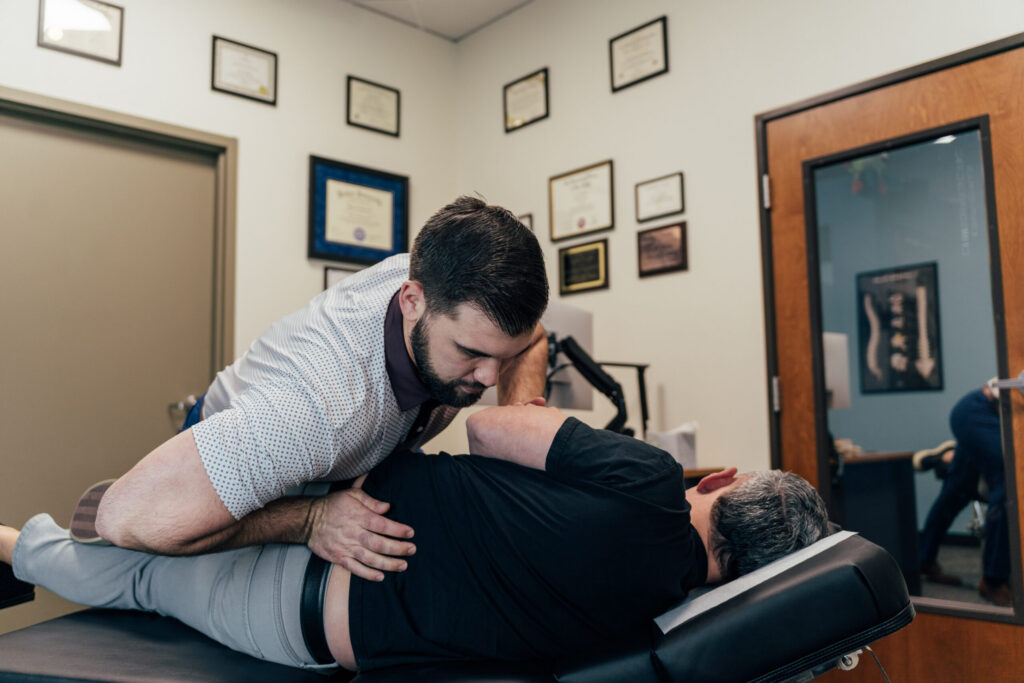

As a chiropractor, I want to emphasize the importance of your daily environment on your flexibility. Many people may not realize how simple adjustments can lead to significant improvements in your physical well-being. By optimizing your workspace and incorporating mindful movement into your daily routine, you can enhance your overall flexibility.
Consider how small changes in your posture or taking regular breaks to stretch can transform your day-to-day experience. These adjustments can alleviate tension and promote better alignment, which is crucial for maintaining flexibility. However, the journey towards improved flexibility goes beyond just posture. It's essential to understand the deeper connections between your daily habits and your body's ability to move freely.
I encourage you to explore other adjustments that could help elevate your flexibility even further. This might include incorporating specific stretches into your routine, practicing proper ergonomics at your workstation, or even seeking guidance on exercises that target flexibility. Remember, every small change can have a positive impact on your health and overall mobility!
Understanding Flexibility
As your local chiropractor, I want to emphasize the importance of understanding flexibility for enhancing your physical performance and preventing injuries. Flexibility refers to the range of motion (ROM) in your joints and muscles, and it plays a crucial role in how effectively you can move during various activities. It's not merely about how far you can stretch; it's about the harmonious interaction between your muscles and joints that allows for smooth and efficient movement.
When your body is flexible, your muscles can lengthen effectively, which leads to improved coordination and balance. This means that during activities such as running or lifting weights, you're less prone to strains or sprains. On the other hand, if you have poor flexibility, you may experience muscle imbalances, where some muscles tighten while others become weak, which increases your risk of injury.
To truly appreciate the concept of flexibility, it's essential to consider the factors that contribute to it. Genetics can play a significant role, as some individuals are naturally more flexible than others. However, your age, level of physical activity, and daily habits also impact your flexibility.
For example, a sedentary lifestyle can result in tight muscles, while regular stretching and movement can help improve your flexibility over time.
It's also important to understand that flexibility isn't uniform across all muscle groups. You may find that you can easily touch your toes, but struggle with shoulder mobility. By recognizing these differences, you can customize your flexibility training to target specific areas that need improvement, ultimately enhancing your overall movement quality and physical performance.
As your chiropractor, I'm here to guide you on this journey to better flexibility and overall health. Together, we can develop a plan that incorporates exercises and stretches to help you achieve optimal flexibility and prevent injuries.
Benefits of Increased Flexibility
As a local chiropractor, I want to emphasize the importance of incorporating increased flexibility into your daily routine for both your physical and mental well-being. One of the most immediate benefits you'll experience is an improved range of motion. As you become more flexible, everyday activities like bending, reaching, and twisting will become easier, which can significantly reduce your risk of injury.
You may find that participating in sports or workouts feels smoother and more enjoyable, allowing you to perform at your best with greater ease.
In addition, enhancing your flexibility can lead to better posture. By regularly stretching and lengthening your muscles, you're less likely to experience discomfort and tension in your back and neck. This not only promotes a more aligned body but also reduces strain on your joints and muscles.
Improved posture can also have a positive effect on your confidence, helping you feel more self-assured in social interactions and professional environments.
From a mental health perspective, increasing your flexibility can play a significant role in stress reduction. Engaging in stretching routines releases endorphins, which are the body's natural feel-good hormones. This can lift your mood and alleviate anxiety.
Taking just a few moments throughout the day to stretch can foster a sense of calm and enhance your focus, enabling you to approach daily challenges with a clearer mind.
Lastly, developing greater flexibility allows for increased body awareness. By paying attention to your body's capabilities and limitations, you become more attuned to your overall health.
This heightened awareness can inspire you to adopt a balanced lifestyle that nurtures both your physical and mental wellness, ultimately supporting the principles of chiropractic care and natural healing.
Daily Stretching Routines
As a local chiropractor, I want to emphasize the importance of incorporating a daily stretching routine into your wellness regimen. Taking just a few minutes each day to focus on your body can yield significant benefits for your overall health. Consistency is crucial, so I encourage you to set a specific time for stretching each day—whether that's in the morning to energize your muscles or in the evening to help unwind after a busy day.
Begin your routine with dynamic stretches to promote blood circulation and prepare your muscles for deeper stretches. Simple movements, such as arm circles, leg swings, and torso twists, are excellent ways to warm up. After about five minutes, transition into static stretches. Aim to hold each stretch for 15 to 30 seconds, targeting major muscle groups like the hamstrings, quadriceps, shoulders, and back.
It's vital to listen to your body during this process. Stretching shouldn't cause pain; if you feel discomfort, ease off a bit. A well-rounded stretching routine will help maintain balance in flexibility throughout your body. For instance, include a seated forward bend to alleviate tension in your lower back and a chest opener to counteract the effects of prolonged sitting and hunched postures.
Remember to breathe deeply during your stretches. Inhale as you prepare to stretch and exhale as you move deeper into the stretch. This practice won't only improve your flexibility but also promote relaxation. The ultimate goal is to enhance your range of motion over time, so be patient and consistent. Keep track of your progress, and you'll likely notice marked improvements in your flexibility and overall well-being.
As your chiropractor, I'm here to support you on your journey to better health through natural healing techniques. Stretching is a fantastic way to complement chiropractic care and maintain a healthy, flexible body.
Incorporating Movement Breaks
As a local chiropractor, I want to share the importance of incorporating movement breaks into your daily routine to enhance your overall well-being.
These breaks can significantly boost your energy levels and improve your flexibility, which is vital for maintaining a healthy spine and preventing injury. You don't need to engage in complex exercises; even simple stretching techniques can make a big difference in how you feel throughout the day.
Let's discuss how you can seamlessly integrate these movement breaks into your schedule. Consider setting a timer every hour to remind yourself to stand up, stretch, or take a short walk.
This not only reduces stiffness and tension but also promotes better circulation and posture. Remember, taking care of your body with regular movement is a key aspect of natural healing and chiropractic wellness. Your spine will thank you for it!
Benefits of Movement Breaks
As a local chiropractor, I want to emphasize the importance of incorporating regular movement breaks into your daily routine for your overall well-being and productivity. Stepping away from your desk or workspace provides your body with a necessary opportunity to recharge and recover. This brief pause can help alleviate physical tension and enhance blood circulation, ultimately boosting your energy levels and focus.
Many of my patients have discovered that taking short breaks not only uplifts their mood but also reduces stress. By dedicating just a few minutes to stretch or take a walk, you allow your mind to reset, leading to clearer thinking and improved decision-making when you return to your tasks.
Movement breaks can also ignite your creativity. When you change your environment, even for a moment, you stimulate your brain in fresh ways, which can lead to innovative ideas and solutions that mightn't arise when you remain fixated on your screen.
Additionally, incorporating movement into your day plays a vital role in your physical health. It counteracts the negative effects of prolonged sitting, such as stiffness and discomfort, which I often see in my patients.
Simple Stretching Techniques
As your local chiropractor, I want to emphasize the importance of movement for your overall well-being. Simple stretching techniques can significantly enhance your daily routine, especially during those necessary movement breaks. By incorporating stretches into your day, you can relieve tension and improve your flexibility, which is essential for maintaining a healthy spine and body.
Let's start with a neck stretch, which is a fantastic way to ease stiffness. Gently tilt your head to one side and hold this position for 15-30 seconds, then switch to the other side. This simple action can help promote relaxation and comfort, especially if you spend long hours sitting.
Next, we've the shoulder stretch. Raise one arm overhead, bend it at the elbow, and use your opposite hand to gently pull on your elbow. Hold for 15-30 seconds on each side. This stretch is particularly beneficial for opening up your shoulders and enhancing your range of motion, which can help prevent discomfort.
For your back, a seated twist can do wonders. While seated, place one hand on the back of your chair and gently twist your torso to one side, holding for 15-30 seconds before switching sides. This movement is excellent for releasing tension in the spine, which is crucial for maintaining spinal health.
Lastly, don't overlook your legs. Stand up and perform a calf stretch by leaning against a wall. Press one heel down while keeping the other leg bent, holding this position for 15-30 seconds on each side. These stretches are vital for keeping your muscles engaged and can boost your energy levels throughout the day.
Incorporating these simple stretches into your daily routine can help you feel more limber and energized, supporting your overall health and well-being.
Incorporating Breaks Into Routine
As a local chiropractor, I want to emphasize the importance of regular movement breaks for your flexibility and overall well-being. Many people aren't aware that incorporating short breaks into your daily routine can significantly benefit your body, especially if you spend long hours sitting or being inactive.
By taking a moment every hour to stretch or move, you allow your muscles to stay engaged and your joints to remain limber. It doesn't require a lot of time—just 5 to 10 minutes can make a remarkable difference. Simple exercises such as neck rolls, shoulder shrugs, and standing side bends can help relieve tension and improve circulation.
If you work at a desk, try setting a timer to remind yourself to stand up, walk around, or do a few light stretches. Moreover, you can weave movement breaks into your everyday activities. Opt for the stairs instead of the elevator, or take a leisurely stroll during your lunch break.
These small changes can help you maintain flexibility and increase your energy levels throughout the day. Remember, consistency is key. Making these movement breaks a regular part of your routine is essential, and by doing so, you'll not only enhance your flexibility but also promote your overall well-being.
As your chiropractor, I encourage you to take these proactive steps towards a healthier lifestyle.
Mindfulness and Flexibility
As a local chiropractor, I want to share with you how mindfulness can significantly improve your flexibility. When you practice mindfulness during stretching, you create a powerful connection between your mind and body.
By incorporating specific breathing techniques, you can enhance your stretches, which ultimately leads to a better range of motion.
This mind-body connection isn't just about physical flexibility; it also contributes to mental clarity and relaxation. Understanding how to engage your mind while stretching can lead to a more holistic approach to your health, complementing the chiropractic care you receive.
Embracing mindfulness can help you achieve a more balanced and flexible body, paving the way for overall well-being.
Benefits of Mindful Stretching
As a chiropractor, I want to emphasize that stretching goes beyond just improving flexibility; it can serve as a vital component in enhancing your mental well-being as well.
When you practice mindful stretching, you cultivate awareness of your body and its sensations. This mindful approach allows you to step away from the stressors of everyday life and reconnect with yourself, fostering a sense of peace and calm.
Being present during your stretches can significantly reduce anxiety and elevate your mood. I encourage you to pay close attention to how your body feels as you hold each stretch. Notice areas of tension or discomfort, and remember to breathe deeply into those spots. This practice not only promotes self-awareness but also encourages self-acceptance and compassion towards your body.
Additionally, mindful stretching can improve your overall flexibility by encouraging a slow and deliberate approach. This method not only enhances your physical range of motion but also nurtures qualities like patience and resilience.
As you engage in mindful stretching, you may discover that your body becomes more adaptable, benefiting both your physical and mental health.
Incorporating mindful stretching into your daily routine can lead to a greater sense of balance and well-being. Not only will you enhance your flexibility, but you'll also care for your mind, creating a holistic approach to your health that aligns perfectly with the principles of chiropractic care.
Breathing Techniques for Flexibility
As a chiropractor, I want to share with you how certain breathing techniques can significantly improve your flexibility and enhance your overall well-being.
By focusing on your breath, you can establish a deeper connection with your body, which in turn allows for more effective stretching and movement. Here are some techniques that I recommend considering:
- Diaphragmatic Breathing: This technique involves breathing deeply into your abdomen, allowing it to expand fully. This not only calms your mind but also increases the oxygen supply to your muscles, which is essential for optimal function.
- Ujjayi Breathing: Often used in yoga, this method requires you to slightly constrict your throat, producing a gentle sound as you breathe. This practice helps keep your mind focused and enhances your control during stretches, making your practice more effective.
- Counted Breaths: Try inhaling for a count of four, holding that breath for another count of four, and then exhaling for four. This rhythmic breathing helps center your mind, making it easier to engage in deeper stretches safely.
- Mindful Exhalation: As you exhale, take a moment to consciously relax the muscles you're working on. This intentional release can significantly improve your flexibility over time and promote overall relaxation.
Incorporating these breathing techniques into your routine can support your chiropractic care by improving your flexibility and enhancing your body's natural healing abilities.
Mind-Body Connection Explained
As a chiropractor, I want to emphasize the important relationship between your mind and body, especially when it comes to enhancing flexibility. Many people may not realize that by practicing mindfulness, you can become more attuned to your body's sensations and movements. This heightened awareness can help you identify areas of tension and resistance that may be hindering your flexibility.
When you take the time to really tune into your body during stretches, you can make adjustments to your movements and incorporate deeper breathing. This not only supports a greater range of motion but also promotes overall well-being. It's crucial to engage fully in each stretch rather than rushing through your exercises. Centering yourself allows you to feel your muscles lengthening and to recognize any tight spots that need attention.
As you breathe deeply, picture the tension dissolving away, making room for your body to expand and grow more flexible. Being present in the moment isn't just beneficial for your physical practice; it also helps keep you motivated and committed to your flexibility goals. Before starting your stretching routine, consider setting a mindful intention. This can guide your focus and enrich your experience.
Yoga and Its Impact
As a local chiropractor, I want to share how yoga can complement your chiropractic care and enhance your overall well-being. Yoga provides a powerful method for improving flexibility by integrating physical postures with mindful breathing techniques. Many of my patients have found that their bodies begin to respond positively to these practices in ways they hadn't anticipated.
Each pose not only stretches but also strengthens various muscle groups, which is essential for promoting better mobility and balance.
Incorporating yoga into your wellness routine can yield several benefits that align beautifully with chiropractic care:
- Improved Range of Motion: Regular yoga practice can help alleviate tightness in muscles and connective tissues, promoting smoother and more fluid movements. This is crucial for maintaining spinal health and preventing injuries.
- Increased Strength: While yoga emphasizes flexibility, it also builds strength, particularly in the stabilizing muscles surrounding your joints. Stronger muscles support a healthier spine and overall body alignment.
- Stress Reduction: Yoga encourages mindfulness and relaxation, which helps to reduce tension not only in the body but also in the mind. Lower stress levels can enhance your healing process and overall health.
- Enhanced Body Awareness: Practicing yoga fosters a greater connection with your body, allowing you to identify areas of tightness and discomfort. This awareness can help you communicate more effectively with me during our chiropractic sessions, ensuring a more tailored approach to your care.
As you explore yoga, remember that flexibility extends beyond the physical realm; it also symbolizes a mindset of openness and adaptability in life.
You'll learn to listen to your body, respect its limits, and gradually expand those boundaries. This holistic approach not only enhances your physical flexibility but also enriches your mental and emotional health.
Adjusting Your Workspace
As a local chiropractor, I want to emphasize the importance of creating an ergonomic workspace for your overall health and well-being. Many of you may not realize how significant proper workspace adjustments can be, especially if you spend long hours at a desk.
Start by ensuring that your chair provides adequate back support; it should align with the natural curve of your spine. Adjust the height so that your feet rest flat on the ground, and your knees form a 90-degree angle. This positioning helps maintain good posture and reduces the risk of discomfort.
Next, consider the placement of your computer monitor. It should be at eye level to prevent neck strain and allow your head to stay in a neutral position. If you're working with a laptop, using a stand or an external monitor can help achieve this crucial alignment. Your keyboard and mouse should be positioned close enough that your elbows remain at your sides, again forming that 90-degree angle at your elbows, which encourages a relaxed upper body.
Lighting is another critical component. Natural light is fantastic for your mood and focus, but if that's not possible, opt for adjustable desk lamps to minimize eye strain. Adding some greenery, like plants, can also enhance your workspace by boosting your mood and improving air quality.
To further support your spinal health, I encourage you to schedule regular breaks. Every hour, take a moment to stand up, stretch, or take a brief walk. This movement keeps your muscles engaged and helps alleviate stiffness. You can set reminders on your phone or use apps to help maintain this important habit.
Nutrition for Flexibility
As a local chiropractor dedicated to your overall well-being, it's important to understand that flexibility isn't solely achieved through exercise; nutrition plays a vital role in supporting your body's ability to stretch and move freely. What you consume can significantly impact your joints, muscles, and overall mobility. By integrating specific nutrients into your diet, you can enhance your flexibility and promote quicker recovery from physical activities.
First and foremost, ensure you're staying adequately hydrated. Water is essential for keeping your muscles supple and can help prevent unwanted cramping.
Next, consider incorporating a diverse array of foods rich in vitamins and minerals that promote muscle health:
- Omega-3 fatty acids: These are beneficial fats found in fish, chia seeds, and walnuts. They're known to reduce inflammation and improve joint mobility, which is crucial for maintaining flexibility.
- Magnesium: This important mineral, found in leafy greens, nuts, and whole grains, helps your muscles relax and can assist in your stretching routines.
- Vitamin C: Present in citrus fruits, bell peppers, and strawberries, this vitamin is key for collagen production, which is essential for maintaining the flexibility of your joints and tissues.
- Protein: Vital for muscle repair, including lean meats, legumes, and dairy in your diet ensures your muscles can recover effectively after stretching exercises.
By incorporating these nutrients into your daily meals, you can establish a strong foundation for improving your flexibility.
Remember, a balanced diet isn't just about fueling your workouts; it also supports your body's ability to stretch, recover, and thrive in your everyday activities.
As you focus on your nutrition alongside your exercise routine, you'll be taking significant steps toward better health and flexibility. Let's work together to prioritize these aspects of your wellness for optimal results!
Setting Realistic Goals
Setting realistic goals is crucial for enhancing your flexibility and overall well-being. As a chiropractor, I want to emphasize that this approach not only keeps you motivated but also makes your health journey more manageable. When you establish achievable targets, you're more inclined to monitor your progress and celebrate your successes, no matter how small they may seem.
Begin by assessing your current flexibility level and pinpointing the areas you wish to improve. This self-awareness is key in guiding you to set specific, measurable, attainable, relevant, and time-bound (SMART) goals. For example, rather than aiming to touch your toes within a week, consider setting a goal of improving your hamstring stretch by a few inches over the next month. This focus on gradual improvement isn't only more sustainable but also aligns with the principles of natural healing that we promote in chiropractic care.
It's important to break down your larger goal into smaller, manageable milestones. You might dedicate just ten minutes a day to stretching or incorporate flexibility exercises into your regular workout routine. Remember, consistency is vital in achieving long-term results.
Additionally, it's essential to stay adaptable with your goals. Life can present unexpected challenges, and you may find yourself needing to adjust your timeline or expectations. Flexibility extends beyond your muscles; it's also about maintaining a flexible mindset.
I also encourage you to keep a journal to track your progress. Documenting your achievements not only reinforces your commitment to your health but also serves as a powerful reminder of how far you've come. With each small victory, you'll build momentum and confidence, making it easier to take on more ambitious flexibility goals in the future.
Conclusion
As a local Chiropractor, I want to share some valuable insights on how to enhance your flexibility through simple adjustments in your daily routine and workspace. Many people overlook the importance of movement in their everyday lives, but incorporating regular movement breaks and stretching exercises can significantly alleviate stiffness and improve your overall well-being.
In addition to physical activity, mindfulness practices can play a crucial role in promoting relaxation and reducing tension in your body. It's essential to recognize how nutrition also influences your journey toward better flexibility. A balanced diet can support your body's natural healing processes and contribute to your overall physical health.
When setting goals for improving flexibility, aim for realistic and attainable targets. Remember, consistency is vital; small, regular changes can lead to significant improvements over time. By embracing these adjustments, not only will you notice increased flexibility, but you'll also enhance your overall quality of life.
As your Chiropractor, I encourage you to explore these holistic approaches to health and well-being. Together, we can work towards a more flexible and healthier you!