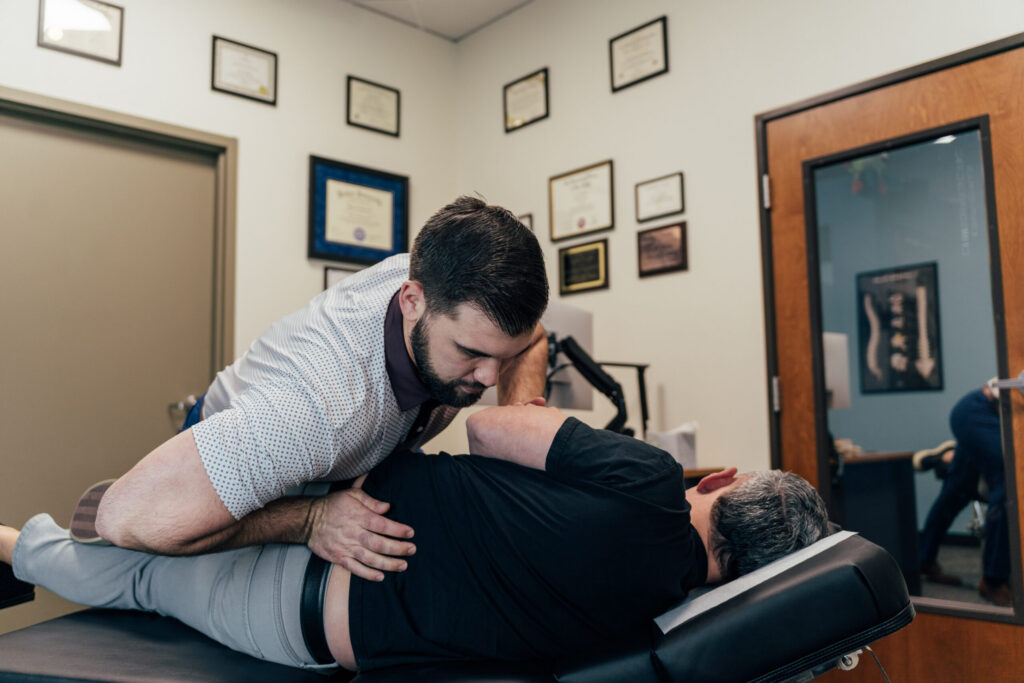

You might not realize how much your posture affects your daily life, from your energy levels to your overall health. Simple adjustments can make a world of difference, helping you feel more comfortable and confident. Whether it's tweaking your workspace or incorporating specific exercises into your routine, small changes can create lasting improvements. But what kind of adjustments should you focus on to achieve the best results? Exploring these options could lead to a transformation you didn't think was possible.
Understanding Posture Mechanics
Understanding posture mechanics is essential for maintaining a healthy body and preventing injuries. Your posture directly affects how your muscles, joints, and bones align. When you stand, sit, or move, your body needs to engage specific muscle groups to support your frame effectively. You've got to be aware of how you hold yourself throughout daily activities, whether you're typing at a desk or walking.
Proper alignment minimizes strain on your muscles and ligaments. When you maintain a neutral spine, your head, shoulders, and hips are stacked, allowing your body to distribute weight evenly. This alignment helps prevent fatigue, allowing you to stay active longer without discomfort.
You mightn't realize it, but small adjustments in your posture can lead to notable improvements in your overall well-being. For instance, be conscious of your head's position. When it's jutting forward while you're on your phone or computer, it puts extra strain on your neck, leading to tension and pain. Instead, keep your chin tucked and your ears aligned over your shoulders.
Additionally, engage your core muscles more actively. A strong core supports your spine and enhances stability, making it easier to maintain good posture.
Take note of your feet, too. Keeping them shoulder-width apart provides a solid foundation for your entire body. By understanding and applying these mechanics, you can notably enhance your posture and promote a healthier, more resilient body.
Common Posture Problems
You might notice that slouching and a forward head position are common problems in your daily life.
Rounded shoulders and lower back discomfort can also creep in, affecting your overall well-being.
Identifying these issues is the first step toward correcting your posture and feeling better.
Slouching and Forward Head
Slouching and forward head posture are two of the most common issues people face today, especially with the rise of technology use. You might find yourself hunching over your phone or computer, leading to discomfort and strain on your neck and back. When you slouch, your spine loses its natural curve, which can cause muscle fatigue and pain over time.
Forward head posture occurs when your head juts out in front of your shoulders, often due to prolonged periods of looking down at devices. This position places extra stress on your neck muscles and can lead to tension headaches, reduced mobility, and even respiratory issues as your chest constricts.
Recognizing these habits is the first step toward improvement. You can make small adjustments, like setting your screen at eye level or taking regular breaks to stretch and realign your posture.
Strengthening your core and upper back muscles can also help counteract the effects of slouching. By being mindful of your posture throughout the day, you can greatly reduce discomfort and enhance your overall well-being.
Rounded Shoulders Issues
Many people experience rounded shoulders, a common posture problem that can stem from hours spent sitting or hunching over devices. This issue can lead to various physical discomforts and negatively impact your overall appearance.
When your shoulders round forward, your chest tends to tighten, making it harder to take deep breaths and causing strain on your upper back.
You might notice that rounded shoulders can affect your confidence. Slouching can make you appear less engaged and approachable. Furthermore, tightness in your chest and weakness in your upper back muscles can aggravate this condition, creating a cycle that's tough to break.
To combat rounded shoulders, it's crucial to incorporate specific exercises into your routine. Focus on stretches that open up your chest, such as doorway stretches, and strengthen your upper back with exercises like rows and reverse flys.
Adjusting your workstation can also help; make sure your screen is at eye level and your chair supports your back.
Lower Back Discomfort
Rounded shoulders can lead to a cascade of other posture-related issues, including lower back discomfort. When your shoulders roll forward, it disrupts the natural alignment of your spine. This misalignment places extra strain on your lower back as it compensates for the shift in weight and balance. Over time, this strain can result in chronic pain and tension in the lower back area.
To combat this discomfort, you need to be proactive. Start by being mindful of your posture throughout the day. When sitting or standing, check that your shoulders are back and your spine is straight.
Incorporating stretches that target your chest and shoulder muscles can also help open up the front of your body, allowing your back to realign properly.
Additionally, strengthening your core muscles is essential. A strong core supports your spine and helps maintain proper posture, reducing the risk of lower back pain.
If you're experiencing persistent discomfort, consider consulting a professional for adjustments or targeted exercises.
Effects of Poor Posture
Poor posture can greatly impact your overall health and well-being. You mightn't realize it, but the way you sit, stand, or move can lead to a variety of issues. Over time, poor posture can create a ripple effect that influences your physical and mental state.
Here are some common effects you may experience:
- Muscle Strain: When your body isn't aligned properly, certain muscles work harder than others, leading to fatigue and discomfort.
- Joint Pain: Poor posture can place undue stress on your joints, causing pain and inflammation, especially in the back, neck, and shoulders.
- Reduced Flexibility: Slouching or hunching can tighten muscles, which may limit your range of motion and make it harder to perform everyday activities.
- Decreased Energy: Struggling against poor posture can sap your energy levels, making you feel more fatigued and less motivated throughout the day.
These issues can accumulate, affecting your productivity and overall quality of life. You may find it harder to concentrate or maintain a positive mood when you're uncomfortable.
By recognizing the effects of poor posture, you can take proactive steps to improve your alignment and ultimately enhance your health. Remember, your posture isn't just about appearances; it's about how you feel and function every day.
It's time to pay attention and make the necessary changes for a healthier, happier you.
Benefits of Posture Adjustments
Making adjustments to your posture can greatly enhance your physical and mental well-being. When you align your body correctly, you reduce strain on your muscles and joints, which can alleviate chronic pain and discomfort. Improved posture often leads to greater mobility and flexibility, allowing you to engage more freely in daily activities without fatigue or injury.
You'll also notice a boost in your energy levels. When your body is properly aligned, it operates more efficiently, reducing the energy you expend just to maintain your position. This efficiency translates into less fatigue throughout your day, helping you stay focused and productive.
Mental well-being benefits as well. Standing or sitting up straight can positively influence your mood and self-confidence. Research shows that good posture can decrease feelings of stress and anxiety, making you feel more empowered and in control. You may even find that improved posture enhances your cognitive function, leading to better concentration and memory retention.
Additionally, adopting better posture can improve your breathing. When your spine is aligned, your lungs have more room to expand, allowing for deeper, more effective breaths. This increased oxygen flow can sharpen your focus and help you feel more alert.
Simple Daily Adjustments
Incorporating a few simple daily adjustments can greatly improve your posture and overall well-being. By making small changes to your routine, you can create lasting benefits for your body.
It's all about being mindful of how you move and position yourself throughout the day. Here are some easy adjustments you can start today:
- Adjust your workspace: Confirm your chair and desk are at the right height. Your feet should rest flat on the ground, and your elbows should be at a 90-degree angle while typing.
- Take regular breaks: Set a timer to remind yourself to stand up and stretch every hour. This helps reduce stiffness and encourages better posture as you return to your seat.
- Practice proper lifting techniques: When picking up heavy objects, bend at your knees instead of your waist. This helps protect your back and encourages proper alignment.
- Be mindful of your phone usage: Hold your phone at eye level instead of bending your neck down. This simple change can prevent strain and promote a more upright posture.
Exercises for Better Posture
To improve your posture, you need to focus on strengthening your core muscles and stretching tight muscle groups.
These exercises will help support your spine and ease tension throughout your body.
Let's explore some effective moves you can incorporate into your routine.
Strengthening Core Muscles
A strong core is essential for maintaining good posture, and incorporating targeted exercises can make a significant difference in how you carry yourself throughout the day.
By focusing on strengthening your core muscles, you'll create a solid foundation that supports your spine and improves your overall alignment.
Here are some effective exercises you can include in your routine:
- Planks: Hold a plank position to engage your entire core, focusing on keeping your body in a straight line.
- Bridges: Lie on your back with knees bent, lift your hips towards the ceiling, and squeeze your glutes for added strength.
- Russian Twists: Sit on the floor, lean back slightly, and twist your torso side to side while holding a weight or medicine ball.
- Dead Bugs: Lie on your back with arms and legs in the air, then lower opposite arm and leg while keeping your core engaged.
Incorporating these exercises into your weekly routine can lead to improved core strength, which directly supports your posture.
Stretching Tight Muscle Groups
Strengthening your core lays the groundwork for good posture, but addressing tight muscle groups is equally important. When muscles like your chest, hip flexors, and hamstrings become tight, they can pull your body out of alignment, leading to poor posture. Incorporating specific stretches into your routine can help alleviate this tension and improve your overall posture.
Start with chest stretches. Stand in a doorway, place your forearms on the frame, and lean forward gently until you feel a stretch across your chest. Hold for 15-30 seconds.
Next, focus on your hip flexors. Kneel on one knee, push your hips forward, and keep your back straight. You should feel a stretch in the front of your hip. Again, hold this for 15-30 seconds.
For your hamstrings, sit on the floor with one leg extended and the other bent. Reach toward your toes on the extended leg, keeping your back straight. Hold this position, feeling the stretch in the back of your thigh.
Remember to breathe deeply during each stretch to enhance relaxation. Regularly incorporating these stretches can lead to significant improvements in your posture and overall comfort.
Ergonomic Workstation Setup
Creating an ergonomic workstation setup is vital for maintaining comfort and productivity throughout your workday. An optimized workspace can help prevent discomfort and promote better posture, allowing you to focus on your tasks without distraction.
Here are some key components to take into account when setting up your workstation:
- Chair: Choose a chair with adjustable height and lumbar support. Your feet should rest flat on the floor, and your knees should be at a 90-degree angle.
- Desk Height: Verify your desk is at a height that allows your elbows to remain at a 90-degree angle while typing. This position minimizes strain on your wrists and shoulders.
- Monitor Position: Position your monitor at eye level, about an arm's length away. This helps reduce neck strain and eye fatigue, allowing you to maintain a neutral head position.
- Keyboard and Mouse: Keep your keyboard and mouse close enough so you can use them comfortably without stretching. Ideally, your wrists should be straight, and your hands should float above the keyboard.
Mindfulness and Posture Awareness
Throughout your workday, practicing mindfulness can greatly enhance your posture awareness. When you take a moment to check in with yourself, you become more attuned to your body's position and alignment. This awareness allows you to catch yourself slumping or leaning in ways that strain your muscles and joints.
To cultivate mindfulness, start by setting reminders throughout your day. Whether it's an alarm on your phone or a sticky note on your monitor, these prompts can encourage you to pause and assess your posture. During these moments, take a deep breath and consciously adjust your seating position. Sit tall, roll your shoulders back, and align your head over your spine.
You can also incorporate mindfulness techniques like body scans. While seated, mentally scan your body from head to toe, noting any areas of tension. This practice helps you recognize discomfort and prompts you to make adjustments before pain sets in.
Mindfulness isn't just about physical posture; it's about your mental state as well. When you're focused and present, you're less likely to hunch over your keyboard or get lost in distractions that lead to poor posture.
Finally, consider integrating short mindfulness breaks into your day. Step away from your work for a few minutes, stretch, and reconnect with your body. These breaks not only refresh your mind but also reinforce good posture habits, keeping you aligned and comfortable throughout your workday.
Long-term Posture Maintenance
Maintaining good posture over the long term requires consistent effort and intentional habits.
It's not just about sitting up straight or standing tall occasionally; it's about integrating posture-friendly practices into your daily routine. By making small changes and being mindful of your body mechanics, you can promote a healthier posture that lasts.
Here are some key habits to adopt:
- Stay Active: Regular exercise strengthens your core muscles, which are essential for supporting your spine. Focus on activities that enhance flexibility and strength, such as yoga or pilates.
- Ergonomic Workspace: Adjust your workspace to suit your body. Guarantee your chair and desk are at the right height, and consider using a footrest or lumbar support to encourage proper alignment.
- Take Breaks: Don't forget to pause during long periods of sitting or standing. Set reminders to stretch and change positions every hour to relieve pressure on your joints and muscles.
- Mind Your Footwear: Choose supportive shoes that promote good alignment. High heels or flip-flops can disrupt your posture, so opt for shoes that provide stability and comfort.
Conclusion
By making simple adjustments to your posture, you're not just enhancing your physical health; you're also boosting your overall well-being. Embrace ergonomic setups, engage your core, and practice mindfulness to stay aware of your posture throughout the day. Incorporating regular stretches and strengthening exercises will help maintain your improvements. Remember, every small change adds up, leading to a more energized, confident, and productive you. Take charge of your posture today for a brighter tomorrow!