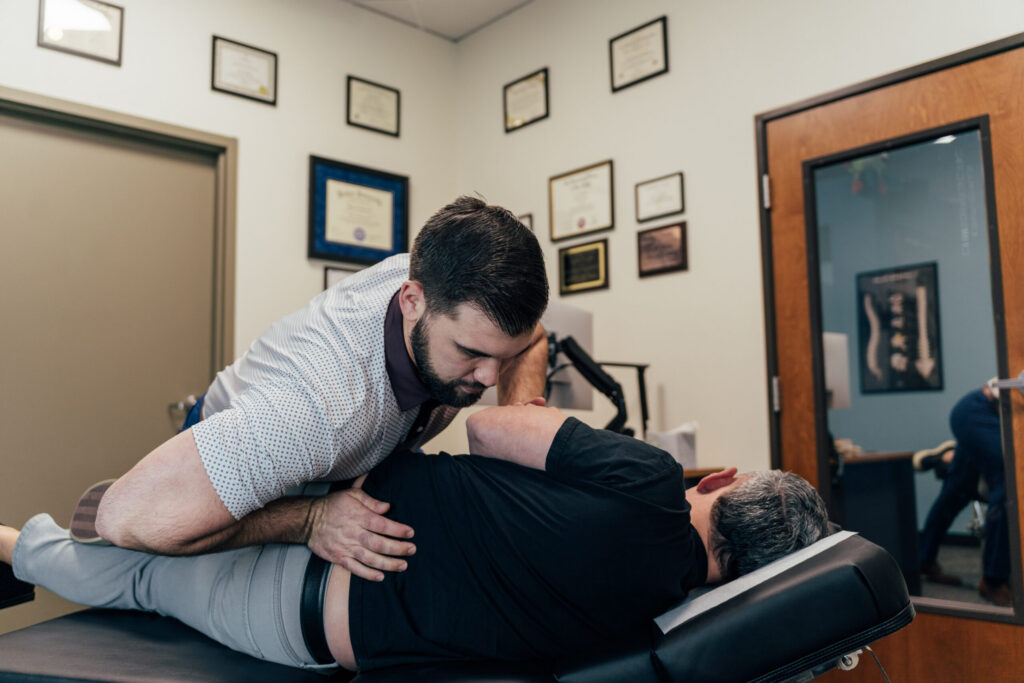

As a local chiropractor, I want to share with you how your everyday habits can significantly influence the health of your spine. Many people don’t realize that simple things, like how you sit at your desk or the position in which you sleep, can have a big impact on your spinal health. Making minor adjustments in your daily routine can lead to substantial improvements in your comfort and overall well-being.
Are you curious about what specific practices can help you avoid pain and discomfort? Let’s delve into some essential strategies that can support a pain-free spine. By learning and implementing these techniques, you can take proactive steps toward maintaining a healthier spine and enhancing your quality of life.
Understanding Spinal Anatomy and Function
As your local chiropractor, I want to take a moment to educate you about the incredible structure of your spine and its vital role in your overall health. Your spine is made up of 33 vertebrae, arranged in a flexible column that’s divided into five key regions: cervical, thoracic, lumbar, sacral, and coccygeal.
Between each of these vertebrae are intervertebral discs that serve as cushions, absorbing shock and allowing for movement. These discs are crucial because they enable your spine to bend and twist, which is essential for our everyday activities.
Beyond providing support and flexibility, your spine also houses the spinal cord, a critical component of your nervous system. The spinal cord acts as a communication highway, transmitting signals between your brain and body, which is responsible for controlling movement and sensation.
Understanding this anatomy is vital in appreciating the importance of maintaining a healthy spine. As we go through our daily lives, it’s important to be mindful of how we move and care for our backs.
By prioritizing your spinal health through proper alignment and care, you can prevent discomfort and improve your overall well-being. Taking action today lays the groundwork for a more active, pain-free life tomorrow.
Let’s work together to keep your spine healthy and functioning optimally!
The Importance of Good Posture
As a local chiropractor, I want to emphasize the critical role that good posture plays in maintaining your spinal health. When you maintain proper posture, you help distribute your body weight evenly, which significantly reduces the strain on your muscles and ligaments.
Sitting or standing up straight allows your spine to align naturally, which minimizes the risk of experiencing pain and injury.
I understand that with our busy lives, especially during long hours of sitting or focusing on tasks, it can be easy to neglect your posture. However, I encourage you to be mindful about how you carry yourself throughout the day. Simple adjustments can lead to significant improvements.
Take a moment to check in with your body: Are your shoulders relaxed? Is your back straight? Is your head aligned over your spine?
By practicing good posture, not only will you feel better physically, but you’ll also see a boost in your confidence and energy levels. Over time, maintaining this alignment can prevent chronic issues, improve your overall well-being, and enhance your ability to perform daily activities.
Remember, your spine is essential to your health and vitality, and good posture is a fundamental step toward caring for it.
As your chiropractor, I’m here to support you on your journey to better health through natural healing and proper alignment. Let’s work together to give your spine the care it deserves!
Ergonomic Workspaces for Spine Health
As a local chiropractor, I want to emphasize the importance of creating an ergonomic workspace for your spine health. Many people may not realize how crucial it’s to adjust your chair height, position your desk appropriately, and align your monitor screen to promote proper posture.
These simple adjustments can have a profound impact on your daily comfort and productivity. When your workspace is ergonomically designed, it reduces strain on your spine and helps prevent discomfort that can lead to chronic issues.
I encourage you to take the time to evaluate your work setup. A well-adjusted chair can support your lower back, a correctly positioned desk can encourage a neutral wrist position, and a properly aligned monitor can help minimize neck strain.
By making these changes, not only can you enhance your comfort throughout the day, but you may also notice improvements in your overall well-being.
As your chiropractor, I’m here to guide you in understanding how natural healing and proper ergonomics can work together to support a healthy spine. Let’s work towards a healthier, pain-free life!
Chair Height Adjustment
As a chiropractor, I often emphasize the importance of your workspace in maintaining a healthy spine. One of the simplest yet most effective changes you can make is adjusting your chair height. When your chair is set correctly, your feet should rest flat on the floor, which supports better posture and alleviates strain on your lower back.
Ideally, your knees should be at or slightly below hip level, helping to preserve the natural curve of your spine. Proper chair height not only supports your back but also reduces the tendency to slouch, which can lead to discomfort and pain over time. This small adjustment can greatly enhance your overall comfort and productivity during your workday.
Additionally, it’s crucial to pay attention to your arm positioning. Your elbows should be close to your body and bent at a 90-degree angle when you’re typing.
Desk Positioning Techniques
As a local chiropractor, I want to share some essential desk positioning techniques that can significantly improve your spine health while you work.
First and foremost, it’s important to keep your elbows at a 90-degree angle and close to your body. This simple adjustment can prevent unnecessary strain on your shoulders and promote better posture.
Next, pay close attention to your wrists. Keeping them straight and supported is crucial. I recommend using a wrist rest or adjusting the height of your keyboard to ensure your wrists are comfortable. This can help you avoid discomfort and lower the risk of developing repetitive strain injuries over time.
Lastly, don’t overlook the position of your feet. Keeping them flat on the ground or using a footrest can promote proper alignment and offer essential support for your lower back.
By implementing these straightforward techniques, you can greatly enhance your posture and overall comfort throughout the workday. This can help you concentrate better and significantly reduce the likelihood of chronic pain in your spine.
Monitor Screen Alignment
As a local chiropractor, I want to emphasize the importance of monitor screen alignment for maintaining good spine health. Many people overlook this aspect, but it’s just as crucial as having the right desk height. Your computer screen should be positioned at eye level to avoid tilting your head up or down. Ideally, the top of your screen should be at or slightly below eye level to keep your neck in a neutral position.
Additionally, ensure your screen is about an arm’s length away from your eyes to minimize eye strain and promote better posture. If you notice yourself leaning forward or straining to see the screen, it’s time to adjust its position or consider using a stand.
Regularly checking your alignment while working can make a significant difference; even small adjustments can help prevent discomfort and long-term issues.
Stretching and Strengthening Exercises
As a local chiropractor, I want to emphasize the importance of maintaining a healthy spine through effective stretching techniques and core strengthening exercises.
Many of my patients are surprised to learn how crucial these practices are for enhancing flexibility and providing the stability your spine needs.
By incorporating these exercises into your daily routine, you can support your spinal health and overall well-being.
Let’s discuss some simple ways to integrate these beneficial exercises into your lifestyle, so you can experience the advantages of a healthy spine!
Effective Stretching Techniques
As a local chiropractor, I want to share some effective stretching techniques that can significantly improve your spine health. It’s essential to incorporate these stretches into your daily routine, especially if you’re new to chiropractic care and natural healing.
Begin with gentle neck stretches. Simply tilt your head side to side and forward; this will help relieve any tension that may have built up.
Next, I recommend the cat-cow stretch. This movement allows you to mobilize your spine by alternating between arching and rounding your back while on all fours.
For your lower back, a seated forward bend is very beneficial. As you reach toward your toes, you’ll lengthen the spine and alleviate tightness.
Don’t forget to include the child’s pose in your routine; this stretch is fantastic for relaxing your back and hips.
I suggest holding each stretch for 15-30 seconds while practicing deep breathing. This not only enhances your flexibility but also promotes relaxation.
Remember, consistency is crucial! By dedicating just a few minutes each day to these stretches, you’ll foster better posture, reduce stiffness, and keep your spine feeling fantastic.
Embracing these practices can be a vital part of your journey to wellness and natural healing.
Core Strengthening Exercises
As a chiropractor, I want to emphasize the importance of strengthening your core for maintaining a healthy spine. While many people think of stretching as the go-to for flexibility, a strong core is vital for supporting your spine, which in turn helps to reduce the risk of injury and alleviate pain.
I encourage you to incorporate core-strengthening exercises into your routine, such as planks, bridges, and bird-dogs.
To start with planks, position your body so it forms a straight line from your head to your heels, making sure to engage your abdominal muscles. For bridges, lie on your back with your knees bent, and gently lift your hips towards the ceiling, creating a straight line from your shoulders to your knees.
The bird-dog exercise involves balancing on your hands and knees while extending one arm forward and the opposite leg back, helping to improve coordination and stability.
I recommend aiming for two to three sets of 10-15 repetitions for each of these exercises. Remember, consistency is key; try to incorporate these core-strengthening activities into your daily routine.
Strengthening your core not only enhances the health of your spine but also improves your overall stability and balance, paving the way for a healthier lifestyle. If you have any questions or need guidance on how to perform these exercises safely, please don’t hesitate to reach out!
Staying Hydrated for Joint Health
As a local chiropractor, I want to emphasize the importance of staying hydrated for your joint health. Water is vital for lubricating your joints and providing cushioning for your cartilage. When you’re adequately hydrated, your body can handle the daily stresses placed on your joints much more effectively.
On the flip side, dehydration can lead to stiffness, discomfort, and even inflammation, which can worsen any existing pain you may be experiencing.
To ensure you’re drinking enough water, I recommend aiming for at least eight 8-ounce glasses each day, but feel free to adjust this amount based on your activity level and the climate you live in. Always listen to your body—if you’re feeling thirsty, that’s your cue to drink more fluids.
Incorporating water-rich foods, such as fruits and vegetables, can also help you meet your hydration needs.
A practical tip is to keep a refillable water bottle with you to encourage regular sipping throughout the day. By prioritizing hydration, you’ll not only support your joints but also enhance your overall spine health, making it easier for you to move comfortably.
The Role of Sleep in Spinal Wellness
As a local chiropractor, I want to emphasize the important role sleep plays in maintaining your spinal health. Sleep isn’t just a time for rest; it’s a crucial period where your body takes the opportunity to repair and rejuvenate itself.
During sleep, your muscles relax, and your spine decompresses, which helps to alleviate tension and promotes better alignment. The type of mattress and pillow you use can greatly impact how your spine feels when you wake up.
I recommend aiming for 7 to 9 hours of quality sleep each night. This not only aids in spinal recovery but also enhances your overall well-being. If you’re not getting enough restorative sleep, you may find yourself experiencing increased back pain and discomfort.
To improve the quality of your sleep, consider establishing a calming bedtime routine. This could include limiting screen time before bed, creating a peaceful sleeping environment, and sticking to a consistent sleep schedule.
Prioritizing sleep is essential for your spinal health, so it’s worth investing the time to ensure you’re getting the rest your body needs. Remember, a well-rested body is a healthier body, and that includes your spine!
Mindfulness and Stress Reduction Techniques
As your chiropractor, I want to emphasize that getting quality sleep is just one important aspect of maintaining your spinal health; managing stress is equally crucial. When stress levels rise, it can lead to muscle tension, which places additional strain on your spine. To help alleviate this tension, I recommend incorporating mindfulness practices into your daily routine.
A great place to start is with deep breathing exercises. Try this: breathe in slowly through your nose, hold it for a moment, and then exhale gently through your mouth. This simple practice can significantly calm your mind and help release built-up tension in your body.
I also encourage you to explore meditation or yoga. These practices not only help to reduce stress but also improve your flexibility and strengthen the core muscles that support your spine.
Additionally, taking just a few moments each day to focus on what you’re grateful for can shift your mindset and lower anxiety levels.
Finding the mindfulness techniques that resonate with you is key. By making these practices a priority, you can cultivate a more balanced life, which ultimately supports your spine’s health and reduces discomfort.
I encourage you to make these techniques a regular habit, and you may start to notice a positive change in how you feel overall. Your spinal health is a journey, and I’m here to support you every step of the way.
Regular Check-Ups With a Healthcare Professional
As a local chiropractor, I want to emphasize the importance of regular check-ups for your spine health, even if you feel fine. Many people are unaware that maintaining a healthy spine is essential for overall well-being. These visits allow us to identify any potential issues before they develop into more serious conditions. Your spine is a complex structure, and even slight misalignments can lead to discomfort or pain if left unaddressed.
During your appointment, I’ll assess your posture, flexibility, and the overall alignment of your spine. Based on my findings, I may suggest specific exercises or therapies that are tailored to your individual needs. It’s crucial to share any discomfort you might be experiencing, no matter how minor it seems. Every detail helps us create a comprehensive plan for your spine health.
Moreover, factors like nutrition and exercise play a significant role in how your spine functions. Regular check-ups not only keep you on track but also allow for early intervention if any issues arise.
Remember, prevention is the best approach. By staying proactive about your spine health through regular chiropractic visits, you’re investing in your overall wellness and ensuring a pain-free future.
Don’t wait for symptoms to appear—schedule your appointment today and take the first step towards a healthier spine!
Conclusion
As a local chiropractor, I want to share some essential daily practices that can significantly enhance your spinal health. It’s crucial to prioritize good posture throughout your day, whether you’re sitting at your desk or standing in line. An ergonomic workspace is key—adjust your chair and monitor height to support your spine properly.
Incorporating regular stretching and strengthening exercises into your routine can help prevent pain and discomfort. These movements not only maintain flexibility but also build the muscles that support your spine. Don’t underestimate the role of hydration—keeping well-hydrated is vital for spinal disc health.
Quality sleep is another cornerstone of spinal wellness; ensure you have a supportive mattress and pillow that align your neck and spine correctly. Additionally, practicing mindfulness techniques can effectively manage stress, which often manifests as tension in the back.
Lastly, I encourage you to schedule regular check-ups with me or another healthcare professional who understands the intricacies of spinal health. By staying proactive about your spine care, you’re investing in a healthier, pain-free future. Remember, your spine deserves the best care possible!