
If you're struggling with neck pain, you might be wondering whether non-surgical remedies could really make a difference. Techniques like physical therapy and chiropractic care focus on strengthening muscles and improving alignment, while simple lifestyle changes can enhance your daily comfort. You'll find that incorporating heat, cold, and even massage can provide immediate relief. But are these methods enough to address the root causes of your discomfort? Exploring the effectiveness of these approaches could reveal surprising insights that might just change how you manage your neck pain.
Understanding Neck Pain
Neck pain can sneak up on you, often stemming from everyday activities like poor posture or prolonged screen time. You mightn't realize it, but the way you sit or the angle at which you hold your phone can create tension in your neck. Over time, these habits lead to discomfort, stiffness, and even chronic pain.
Understanding neck pain is essential for addressing it effectively. Typically, it can be categorized based on its duration—acute or chronic. Acute pain usually arises suddenly, often due to a specific incident like a sports injury or a fall. Chronic pain, on the other hand, can linger for months or even years, often linked to ongoing issues such as arthritis or degenerative disc disease.
Muscle strain is another common contributor to neck discomfort. Perhaps you've slept awkwardly or lifted something heavy, causing your neck muscles to tighten. Inflammation and irritation in the cervical spine can also cause pain, making it difficult to turn your head or look up and down comfortably.
You might experience other symptoms alongside neck pain, such as headaches, tingling in the arms, or even dizziness. These symptoms can indicate that the issue extends beyond simple muscle strain.
It's important to pay attention to your body's signals and consider how your daily activities might be affecting your neck health. By understanding the root causes of your neck pain, you can take the first steps toward finding relief.
Benefits of Physical Therapy
Physical therapy offers targeted strengthening exercises that can greatly reduce neck pain.
You'll also gain improved posture awareness, helping you maintain a healthier alignment throughout your daily activities.
Targeted Strengthening Exercises
Targeted strengthening exercises can greatly alleviate neck pain by improving muscle support and flexibility. When you engage in these exercises, you're not just working on your neck muscles; you also enhance the stability of surrounding muscles, which can lead to reduced strain and discomfort. By focusing on specific muscle groups, you help create a balanced support system for your neck.
Incorporating exercises like neck retractions, shoulder shrugs, and side neck stretches into your routine can make a significant difference. These targeted movements strengthen the muscles that often weaken due to poor posture or inactivity. As you build strength, you'll notice an improvement in your range of motion, allowing you to move your neck more freely without pain.
It's essential to start slowly and gradually increase the intensity to avoid injury. You might consider working with a physical therapist who can guide you through safe and effective exercises tailored to your needs.
Consistency is key; incorporating these strengthening exercises into your daily routine will help you maintain the benefits over time. Ultimately, you'll find that your neck feels more resilient, which can enhance your overall quality of life.
Improved Posture Awareness
When you improve your posture awareness, you can greatly reduce neck pain and enhance your overall well-being. By becoming more conscious of how you sit, stand, and move, you'll identify habits that contribute to neck strain. For instance, slouching or craning your neck forward while using your phone can lead to discomfort.
Physical therapy plays an important role in helping you develop better posture habits. A skilled therapist can teach you techniques to align your spine, which alleviates pressure on your neck muscles. You'll learn to engage your core and distribute your body weight evenly, creating a stable foundation that minimizes strain.
Incorporating posture awareness into your daily routine is essential for long-term relief. You can set reminders to check your posture throughout the day, especially during extended periods of sitting or working.
Simple exercises, like shoulder rolls and neck stretches, can also reinforce good posture.
Role of Chiropractic Care
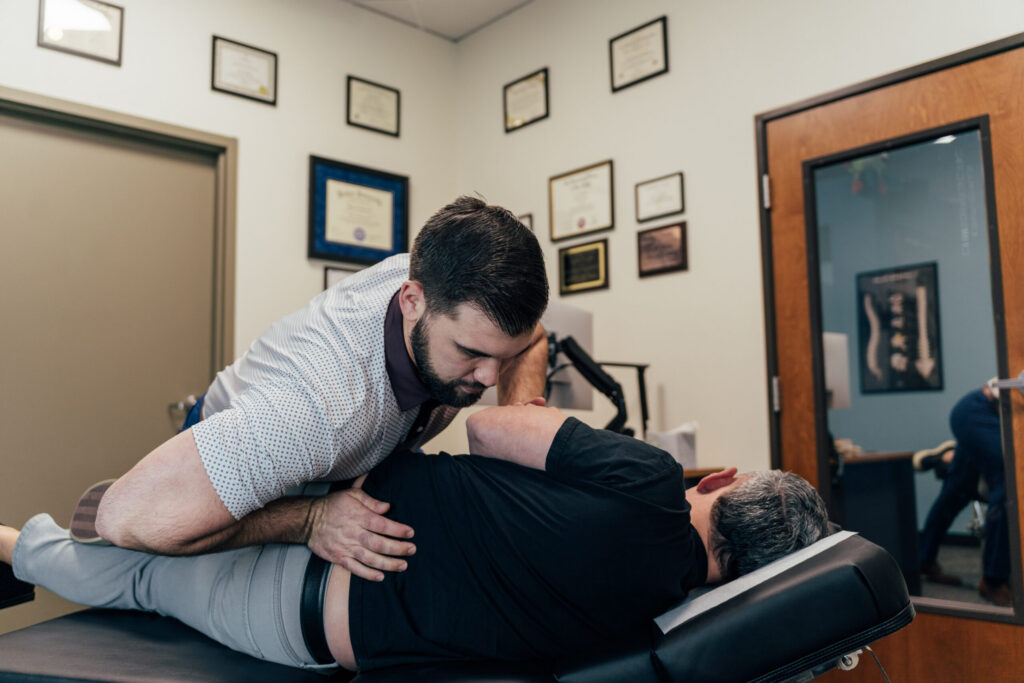
Seeking relief from neck pain often leads individuals to explore chiropractic care as a viable option. Chiropractors focus on diagnosing and treating musculoskeletal issues, primarily through spinal adjustments and manipulations. If you're experiencing neck pain, a chiropractor can assess your condition and identify any misalignments or dysfunctions in your spine that may be contributing to your discomfort.
One of the primary goals of chiropractic care is to restore proper alignment to the spine. This can help alleviate pressure on nerves and surrounding tissues, promoting better mobility and reducing pain. During your visits, your chiropractor may use various techniques tailored to your specific needs, including manual adjustments, soft tissue therapy, or mobilization exercises.
These treatments can help improve blood flow, reduce inflammation, and enhance the healing process. In addition to hands-on adjustments, many chiropractors emphasize the importance of education. They often provide guidance on ergonomics, body mechanics, and lifestyle changes that can help prevent future neck pain.
By understanding how to maintain a healthy posture and avoid strain, you can empower yourself to take control of your neck health. Chiropractic care can be a valuable component of your overall strategy for managing neck pain. With regular adjustments and the right lifestyle modifications, you might find significant relief and improved quality of life.
Always consult with your healthcare provider before starting any new treatment to ascertain it's the right fit for you.
Stretching and Strengthening Exercises
Incorporating stretching and strengthening exercises into your routine can greatly enhance the benefits gained from chiropractic care. These exercises help alleviate neck pain by improving flexibility, supporting your spine, and promoting better overall muscle function. When you stretch, you increase blood flow to the muscles, which helps reduce stiffness and tension.
Start with gentle neck stretches. One effective move is the side tilt: while sitting or standing, gently tilt your head to one side, bringing your ear toward your shoulder. Hold for 15-30 seconds and switch sides. You can also try the chin tuck, which helps strengthen the neck muscles. Simply tuck your chin toward your chest and hold for a few seconds. Repeat this several times throughout the day.
Incorporating strengthening exercises is equally important. Focus on your upper back and shoulders, as strong muscles in these areas support your neck. Resistance band exercises, like rows, can be great for building strength. Stand on the band with both feet, holding the ends, and pull the band toward you, squeezing your shoulder blades together. Aim for 10-15 repetitions.
Consistency is key. Set aside time each day to perform these exercises, and you'll likely notice improvements in your neck pain and overall mobility.
Remember to listen to your body; if something feels uncomfortable, adjust your movements or consult a professional for guidance. Combining these exercises with chiropractic care can lead to a more effective approach to managing neck pain.
Importance of Good Posture
Good posture plays an essential role in maintaining proper alignment and reducing neck pain.
When you align your body correctly, you can alleviate strain on your neck and improve your overall comfort.
Plus, applying ergonomic principles in your daily activities can make a significant difference in how you feel day to day.
Benefits of Proper Alignment
Proper alignment plays an essential role in preventing neck pain and maintaining overall health. When your spine is properly aligned, it reduces strain on the muscles, ligaments, and joints in your neck. This means that you're less likely to experience discomfort or tension, allowing you to move freely and confidently throughout your day.
Good posture not only helps alleviate existing neck pain but also acts as a proactive measure against future issues. By keeping your head directly above your spine, you distribute weight evenly, minimizing the risk of muscle fatigue and stress.
You'll find that maintaining proper alignment can also enhance your breathing and circulation, fostering overall well-being.
Additionally, when you're aligned, you improve your body's ability to function effectively. Your muscles can work in harmony, leading to increased strength and flexibility.
You'll notice that daily activities become easier and less tiring.
Investing time in proper alignment can have significant benefits for your neck and entire body. So, whether you're sitting, standing, or moving, prioritizing good posture can create a positive ripple effect throughout your life.
Ergonomics in Daily Activities
Your workspace's setup can greatly impact your posture and, consequently, your neck health. If you spend long hours at a desk, it's essential to arrange your environment to support good posture.
Start by ensuring your chair supports your lower back. Your feet should rest flat on the floor, and your knees should be at or just below hip level.
Next, position your computer monitor at eye level. This prevents you from leaning forward or straining your neck. If you find yourself looking down at your screen, consider using a monitor stand or an adjustable arm.
Your keyboard and mouse should be within easy reach, allowing your arms to rest comfortably at your sides.
When you're on the phone, use a headset instead of cradling the phone between your ear and shoulder. This small adjustment can prevent unnecessary neck strain.
Additionally, take regular breaks to stretch and change positions. Remember, even minor adjustments in your daily activities can lead to significant improvements in your neck health.
Heat and Cold Therapy
Heat and cold therapy are simple yet effective techniques for alleviating neck pain. You can easily incorporate these methods into your routine to help reduce discomfort and promote healing. Both therapies serve distinct purposes and can be used at different stages of your neck pain.
When you apply heat, it increases blood flow to the affected area, which can help relax tight muscles and alleviate stiffness. You can use a warm towel, heating pad, or even take a warm shower. Just make sure the heat isn't too intense to avoid burns. Typically, you'll want to apply heat for about 15 to 20 minutes, several times a day, especially if you're feeling particularly tense.
On the other hand, cold therapy is ideal for reducing inflammation and numbing sharp pain. When you use an ice pack or a bag of frozen vegetables wrapped in a cloth, you constrict blood vessels, which can decrease swelling.
Apply cold therapy for 10 to 15 minutes at a time, allowing your skin to return to normal temperature between applications. You might want to use cold therapy after any activity that aggravates your neck pain.
Massage Techniques for Relief
Massage techniques can be immensely beneficial for relieving neck pain, offering both relaxation and targeted muscle relief. When you're dealing with discomfort, trying different massage methods can help you find what works best for you.
Start with gentle kneading, using your fingertips to apply pressure to tense areas. Focus on the muscles along the sides of your neck, moving in small circular motions. This not only helps in loosening tight muscles but also promotes blood flow, which aids in healing.
You can also try the effleurage technique, which involves long, sweeping strokes. Glide your hands from the base of your skull down to your shoulders, applying light pressure. This technique is great for overall relaxation and can help ease built-up tension.
If you prefer a more targeted approach, consider using your thumbs to press into specific trigger points. These are tight knots in your muscles that can refer pain to other areas. Press firmly, but don't overdo it; you should feel relief without excessive discomfort.
Finally, don't overlook self-massage. Using a tennis ball against a wall can pinpoint tight spots. Lean into the ball and roll it gently over the sore areas of your neck.
Incorporating these massage techniques into your routine can considerably reduce neck pain, making it easier for you to move freely and comfortably. Give them a try, and see how they work for you!
Exploring Holistic Treatments
When it comes to neck pain relief, exploring holistic treatments can open up new avenues for healing. These approaches focus on treating the whole person rather than just the symptoms, which can lead to more sustainable results.
One popular method is acupuncture. By stimulating specific points on your body with fine needles, you may experience reduced pain and improved circulation, promoting overall wellness.
Another holistic treatment to reflect on is chiropractic care. A chiropractor can help align your spine and neck, relieving pressure on nerves and muscles. This realignment can greatly reduce discomfort and increase mobility.
Herbal remedies are also gaining traction in holistic circles. You might find relief with anti-inflammatory herbs like turmeric or ginger, which can help reduce pain and swelling. Always consult a healthcare professional before trying new supplements to verify they're safe for you.
Yoga and mindfulness practices can be incredibly beneficial as well. Engaging in gentle stretches can improve flexibility and strength in your neck and shoulder regions, while mindfulness techniques, like deep breathing or meditation, can help reduce stress, which often exacerbates pain.
Lastly, aromatherapy can enhance your relaxation routine. Using essential oils like lavender or eucalyptus in a diffuser or during a massage can create a calming environment, helping you unwind and alleviate tension in your neck.
Lifestyle Changes for Prevention
Making lifestyle changes can play a notable role in preventing neck pain from becoming a recurring issue. One of the first steps you can take is to improve your posture. Whether you're sitting at a desk or using your phone, maintaining an upright position helps reduce strain on your neck.
Consider using ergonomic furniture that supports your spine and keeps your head aligned with your body.
Incorporating regular exercise into your routine also makes a difference. Activities like yoga or swimming strengthen the muscles around your neck and improve flexibility. Aim for at least 30 minutes of moderate exercise most days of the week.
Another important aspect is managing stress. High stress levels can lead to muscle tension in your neck. Techniques like deep breathing, meditation, or mindfulness can help you stay relaxed and reduce tension.
Additionally, pay attention to how you sleep. Use a supportive pillow that keeps your neck aligned with your spine, and try to sleep on your back or side rather than your stomach.
Lastly, make time for breaks if you work long hours at a computer. Stand up, stretch, and give your neck a rest.
These small adjustments in your daily routine can help you ward off neck pain and promote overall well-being. By making these lifestyle changes, you can notably decrease the likelihood of experiencing neck pain in the future.
Conclusion
Incorporating non-surgical remedies can truly transform your neck health. By embracing physical therapy, chiropractic care, and targeted exercises, you can relieve pain and strengthen your muscles. Prioritizing good posture and utilizing heat or cold therapy will enhance your comfort. Don't forget the benefits of massage and holistic treatments, along with making lifestyle changes to prevent future issues. With commitment to these approaches, you can enjoy lasting relief and improved well-being without the need for surgery.