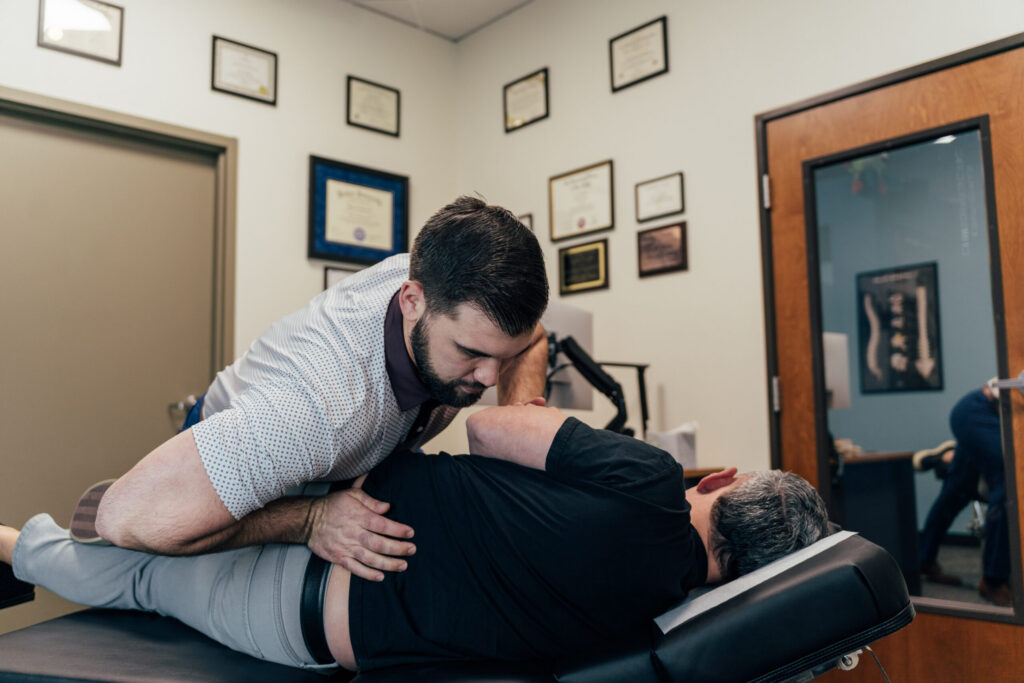

As a local chiropractor, I want to share some insights on managing cervical pain with natural healing methods. You have a range of options available, each with its own unique benefits. Chiropractic care, for instance, focuses on hands-on techniques that target spinal alignment and overall body function. This can provide significant relief from cervical pain.
In addition to chiropractic adjustments, physical therapy can help strengthen the muscles supporting your neck and improve your range of motion. On the holistic side, acupuncture offers a different perspective by promoting healing through the body’s energy pathways.
Understanding how these methods compare is essential for making informed choices about your care. If you’re wondering which approach might be the most effective for your specific needs, I’m here to help you explore the possibilities and find the best solution for your cervical pain relief.
Understanding Cervical Pain: Causes and Symptoms
As a local chiropractor, I want to take a moment to educate you about cervical pain, commonly known as neck pain. This discomfort can arise from various sources and may present itself through a variety of symptoms.
Many of you may be experiencing neck pain due to muscle strain, poor posture, or injuries such as whiplash. If you find yourself spending long hours in front of screens, you might notice stiffness and tension that makes turning your head uncomfortable.
Additionally, cervical pain can be linked to degenerative conditions like arthritis or herniated discs, which may lead to nerve compression. This can manifest as radiating pain, tingling sensations, or numbness in your arms.
Some of you may also experience headaches that are rooted in cervical issues.
It’s important to pay attention to these symptoms, as they can indicate underlying problems that may need to be addressed. Understanding the root cause of your cervical pain is the first step toward finding effective relief and improving your overall quality of life.
As a chiropractor, I can help you explore natural healing methods tailored specifically to your needs, guiding you on the path to better health.
The Role of Physical Therapy in Cervical Pain Management
As a local chiropractor, I want to share with you the vital role that chiropractic care can play in managing cervical pain. While many individuals often turn to medication or rest for relief, chiropractic treatment offers a holistic approach that focuses on the underlying issues causing your discomfort.
Chiropractic care emphasizes the importance of spinal alignment and muscle balance, which are crucial for relieving neck pain. During your first visit, I’ll conduct a thorough assessment of your condition to develop a personalized treatment plan tailored to your needs. This plan may include specific chiropractic adjustments, therapeutic exercises, and guided stretches designed to strengthen the muscles around your neck and enhance flexibility.
One of the key benefits of chiropractic care is learning how to maintain proper posture and body mechanics in your daily activities. This not only helps reduce strain on your neck but also decreases the likelihood of future problems. Additionally, I’ll provide you with self-management strategies, empowering you to take charge of your pain and overall well-being.
Regular chiropractic sessions can significantly improve blood flow to the affected areas, promoting healing and recovery. By addressing the root cause of your cervical pain, chiropractic care can help you regain your quality of life naturally and effectively.
Chiropractic Care: Benefits and Considerations
As a local chiropractor, I want to help you understand how chiropractic care can be a valuable option for managing cervical pain. Our techniques, which include gentle adjustments and mobilization, aim to relieve discomfort and improve your overall function.
It’s essential to remember that while many patients experience significant benefits from chiropractic treatment, not every approach may be suitable for everyone. Your individual needs and concerns are important to us, and we take the time to assess your specific situation to ensure the best possible care.
Let’s take a closer look at how chiropractic methods can enhance your well-being, while also addressing any questions or hesitations you might’ve about this natural approach to healing.
Your journey to better health starts with understanding your options, and I’m here to guide you every step of the way.
Treatment Techniques Explained
As a local chiropractor, I want to take a moment to educate you about the benefits of chiropractic care, especially when it comes to treating cervical pain. Many individuals seek our services to find relief from discomfort in their neck and spine, and I can assure you that chiropractic adjustments can play a significant role in your recovery journey.
Chiropractic adjustments are designed to align your spine, which helps alleviate tension in the neck area. This realignment can lead to improved mobility, reduced pain, and enhanced overall function. When you come in for a session, I’ll thoroughly assess your condition and create a personalized treatment plan that meets your specific needs.
You may experience immediate relief from your symptoms, or you might notice gradual improvements over time as we work together. In addition to adjustments, I often recommend specific exercises and lifestyle changes that can support your long-term recovery and overall wellness.
One of the aspects many patients appreciate about chiropractic care is our hands-on approach and focus on natural healing, without the use of medications or invasive procedures.
It’s crucial to maintain open communication with me regarding your symptoms and goals, as this will help us achieve the best possible results together. I’m here to guide you on your path to a healthier, pain-free life!
Potential Risks Involved
As a local chiropractor, I want to take a moment to educate you about the potential risks associated with chiropractic care, just as I’d for any healthcare approach.
While many patients experience relief and improved well-being, it’s important to be aware that some individuals may encounter minor side effects after treatment, such as soreness or fatigue.
In more rare instances, serious complications can occur, including nerve damage or stroke, particularly with neck adjustments. This is why I emphasize the importance of communicating openly with me about your medical history and any underlying health conditions you may have.
Prior to beginning treatment, I’ll conduct a thorough examination to assess whether chiropractic care is a safe and appropriate option for you.
If you ever notice any unusual symptoms following your treatment, please don’t hesitate to reach out to me for guidance.
By weighing the benefits of chiropractic care against these potential risks, you can make an informed decision about whether this natural healing approach is right for managing your cervical pain and enhancing your overall health.
Your safety and well-being are my top priorities, and I’m here to support you every step of the way.
Yoga for Cervical Pain Relief
As a local chiropractor, I want to share how yoga can complement your journey towards alleviating cervical pain. This natural approach not only helps improve your neck’s flexibility and strength but also fosters a deeper connection between your body and mind.
Incorporating gentle yoga stretches and poses into your routine can significantly reduce tension and enhance blood circulation around your cervical spine. Specific poses, such as Child’s Pose, Cat-Cow, and Neck Rolls, are particularly beneficial for targeting the muscles surrounding your neck. These movements promote relaxation and can help diminish discomfort.
Regular yoga practice can also heighten your body awareness, allowing you to recognize any poor posture habits that may be contributing to your pain. By focusing on your breath during these sessions, you cultivate mindfulness, which can help alleviate stress—an often overlooked factor that can worsen your symptoms.
As you continue to practice, you may notice an improvement in your mobility and an increased ability to perform daily activities without pain. It’s important to listen to your body and adapt poses as necessary, ensuring a safe and effective experience.
With dedication and patience, integrating yoga into your routine can become a vital element in achieving long-term relief from cervical pain. Remember, it’s all about finding balance and nurturing your body naturally.
Acupuncture: An Alternative Approach
As a local chiropractor, I want to share some insights about alternative methods for managing cervical pain that you may not be familiar with. One effective approach that complements chiropractic care is acupuncture. This ancient practice involves the insertion of fine needles at specific points on the body to stimulate energy flow, often referred to as “qi.”
Many of my patients have experienced relief from pain and tension after just a few acupuncture sessions, making it a valuable option for those looking to avoid medication.
During an acupuncture treatment, you might feel a mild prick when the needles are inserted, but most people report minimal discomfort. Not only can acupuncture help alleviate cervical pain, but it also has the added benefit of reducing stress and promoting relaxation.
If you’re considering this treatment, it’s crucial to seek out a licensed acupuncturist who understands your unique needs.
Incorporating acupuncture into your wellness routine, alongside chiropractic adjustments, yoga, or physical therapy, can enhance your overall pain management strategy.
Patients often find that this holistic approach leads to improved well-being and a greater sense of control over their cervical pain. If you’re curious about how these methods can work together for you, feel free to reach out for more information!
Medication Options for Cervical Pain
When it comes to managing cervical pain, understanding your medication options is crucial, but as a local chiropractor, I want to emphasize the importance of exploring natural healing methods alongside traditional medications.
While various medications can provide relief, it’s essential to consider a holistic approach tailored to your specific needs.
Here are some options you might encounter:
- Nonsteroidal anti-inflammatory drugs (NSAIDs): These are commonly used to reduce inflammation and alleviate pain, but be mindful of their long-term effects.
- Acetaminophen: A gentler option for pain relief that’s easier on the stomach, but it may not address the root cause of your discomfort.
- Muscle relaxants: While these can help with muscle spasms related to cervical pain, they may not provide a long-term solution.
- Topical analgesics: Creams or patches applied directly to the skin can offer localized relief, but again, they may not address underlying issues.
- Corticosteroids: Injections might be suggested for severe pain and inflammation, but it’s important to consider the potential side effects.
Before making any decisions about medication, I encourage you to consult with your healthcare provider, and also consider discussing chiropractic care with me.
Chiropractic adjustments can help realign the spine, improve mobility, and promote natural healing, often leading to better long-term outcomes for cervical pain.
This integrative approach can significantly enhance your overall pain management strategy and improve your quality of life.
Ergonomics and Posture Correction
As a local chiropractor, I want to help you understand how to effectively manage cervical pain through proper workplace ergonomics and posture correction. Many people aren’t aware that simple adjustments in your environment can make a significant difference in alleviating strain on your neck and shoulders.
Let’s start by assessing how you sit and position yourself during daily activities. Maintaining proper posture is crucial—not just for comfort, but for your overall spinal health. By making small but meaningful changes, you can experience relief from discomfort.
For instance, ensure your computer screen is at eye level to avoid tilting your head, and consider using a chair that supports your lower back. Incorporating regular breaks to stretch and move can also be beneficial.
Remember, your body is designed for movement, and staying active is key to healing.
Workplace Ergonomics Assessment
As your local chiropractor, I want to share with you how a thorough workplace ergonomics assessment can significantly alleviate cervical pain and enhance your overall comfort.
Many of my patients experience discomfort due to their work environment, and understanding how to evaluate and improve your workspace can make a big difference.
Here are some key elements to consider during your assessment:
- Desk Height: Ensure your desk is at the right height so that your arms can rest comfortably while typing or writing. This can help prevent unnecessary strain on your neck and shoulders.
- Chair Support: Invest in a chair that offers proper support for your lower back. A chair designed to promote good posture is essential for maintaining spinal health throughout your workday.
- Monitor Position: Your computer screen should be at eye level. This prevents you from tilting your head down or up, which can lead to neck tension and discomfort over time.
- Keyboard and Mouse Placement: Position your keyboard and mouse close to your body to reduce the need to reach. This minimizes strain on your arms and shoulders, further protecting your neck.
- Lighting: Adjust your workspace lighting to minimize glare on your screens. Poor lighting can cause you to strain your neck as you lean forward to see better, leading to increased tension and discomfort.
By taking these steps to create a more ergonomically sound work environment, you can significantly reduce cervical pain and improve your overall comfort.
Remember, small adjustments can lead to substantial benefits for your health and well-being.
If you’re experiencing persistent pain, don’t hesitate to reach out for a consultation to discuss how chiropractic care can support your journey to better health.
Corrective Posture Techniques
As a local chiropractor dedicated to promoting natural healing, I want to emphasize the importance of creating an ergonomic workspace as a foundational step in alleviating cervical pain.
However, it’s equally vital to correct your posture throughout the day. Start by being mindful of your alignment; aim to keep your ears, shoulders, and hips in a straight line. When you’re seated, adjust your chair height so that your feet rest flat on the floor. Utilizing a cushion for lumbar support can help maintain the natural curve of your spine, which is crucial for overall wellness.
If you find yourself standing, make sure to distribute your weight evenly on both feet and avoid leaning to one side.
It’s also essential to take breaks every 30 minutes to stretch and reset your posture. Incorporating specific exercises that strengthen your neck and shoulder muscles can significantly aid in your recovery and prevention efforts.
By actively focusing on your posture, you’ll not only reduce strain but also foster a healthier cervical region.
Home Remedies and Self-Care Techniques
As a local chiropractor, I often see patients who are struggling with cervical pain and may not be familiar with the benefits of chiropractic care and natural healing.
It’s important to understand that there are effective home remedies and self-care techniques you can incorporate into your daily routine to help alleviate discomfort and enhance your overall well-being. Here are some strategies I recommend:
- Heat Therapy: Applying a warm compress or heating pad to your neck can help relax tight muscles, making it a great first step in managing your pain.
- Cold Therapy: Using ice packs can be beneficial for reducing inflammation and numbing any sharp pain in the affected area. It’s a simple yet effective method.
- Gentle Stretching: I encourage my patients to engage in light neck stretches. This can improve flexibility and help ease the tension that often contributes to cervical pain.
- Epsom Salt Bath: Soaking in a warm bath with Epsom salts is another excellent way to relax your muscles and alleviate pain. The magnesium in Epsom salts can be particularly soothing.
- Essential Oils: Incorporating essential oils like lavender or peppermint into your self-care routine can enhance your massage experience. These oils not only help soothe discomfort but also promote relaxation.
By integrating these techniques into your routine, you may find significant relief from cervical pain and improve your overall comfort.
Lifestyle Changes for Long-Term Relief
As a local chiropractor, I want to share with you how making some straightforward lifestyle changes can significantly alleviate your cervical pain in the long run.
By optimizing your workspace for better ergonomics and committing to a consistent exercise routine, you can’t only promote healing but also help prevent future discomfort.
Let’s delve into how these adjustments can lead to lasting relief and enhance your overall well-being.
Ergonomic Workspace Adjustments
As a chiropractor, I want to emphasize how crucial an ergonomic workspace is for your overall health, particularly in preventing and alleviating cervical pain.
Simple adjustments can significantly enhance your comfort and productivity while you work. Let’s explore how you can set up your workspace to support your body’s natural alignment:
- Monitor Height: Position your computer monitor at eye level. This will help prevent unnecessary strain on your neck, which is essential for maintaining good spinal health.
- Chair Selection: Choose a chair that provides proper lumbar support. A chair designed to encourage good posture is vital for reducing discomfort and promoting a healthy back.
- Foot Position: Always keep your feet flat on the ground. If your chair is too high, consider using a footrest to ensure your legs are at a comfortable angle.
- Elbow Angle: When typing, aim to maintain a 90-degree angle at your elbows. This can reduce tension in your shoulders and neck, contributing to a more relaxed posture.
- Organized Workspace: Arrange your frequently used items within easy reach. This minimizes the need to twist or stretch awkwardly, which can lead to strain and discomfort.
By implementing these ergonomic adjustments, you can experience long-term relief from cervical pain.
A comfortable and supportive workspace not only enhances your productivity but also promotes your overall well-being.
Regular Exercise Routines
As a local chiropractor, I want to emphasize the importance of not just setting up an ergonomic workspace, but also integrating regular exercise routines into your daily life to alleviate cervical pain effectively. Engaging in activities such as stretching, yoga, or light resistance training can significantly strengthen your neck and shoulder muscles, enhancing their ability to support your spine and reduce tension.
I recommend aiming for at least 30 minutes of moderate exercise most days of the week. Incorporating simple neck stretches throughout the day can also help relieve tightness and improve mobility. It’s crucial to listen to your body; if something doesn’t feel right, it’s perfectly okay to modify your routine.
Consistency is essential for long-term relief, so I encourage you to find activities that you genuinely enjoy. This approach will make it much easier to maintain a regular exercise regimen.
When to Seek Professional Help
When should you consider reaching out to a chiropractor for cervical pain? If you find that your discomfort continues despite trying self-care methods, it’s a good idea to consult a chiropractic professional. Ignoring ongoing pain can lead to more serious issues down the road.
Here are some signs that indicate it’s time to seek professional help:
- You’re experiencing severe, unrelenting pain.
- Your symptoms have lasted longer than a few weeks.
- You’re noticing numbness or tingling in your arms or hands.
- Your pain is interfering with your daily activities or sleep.
- You’re experiencing headaches or dizziness in addition to the cervical pain.
Addressing these issues early on can help prevent further complications and enhance your overall quality of life.
A chiropractor can provide a thorough evaluation, offer a proper diagnosis, and create a personalized treatment plan focused on natural healing methods.
Don’t hesitate to reach out if you have any questions or concerns; it’s always best to be proactive about your health and well-being. Your journey to relief and recovery can start with just one call!
Conclusion
As a local chiropractor, I believe it’s crucial to educate my patients about the various techniques available for managing cervical pain. Chiropractic care is one of the most effective options, alongside physical therapy, acupuncture, and lifestyle modifications. Each person is unique, so finding the right combination tailored to your needs can significantly improve your comfort and overall well-being.
In addition to chiropractic adjustments, it’s important to incorporate ergonomics into your daily life and practice self-care routines that support your spine and neck health. If you’re experiencing persistent or worsening pain, I encourage you to reach out for professional guidance. Taking proactive steps today can pave the way for a healthier, pain-free future. Your journey to relief starts with understanding and addressing your cervical pain naturally!