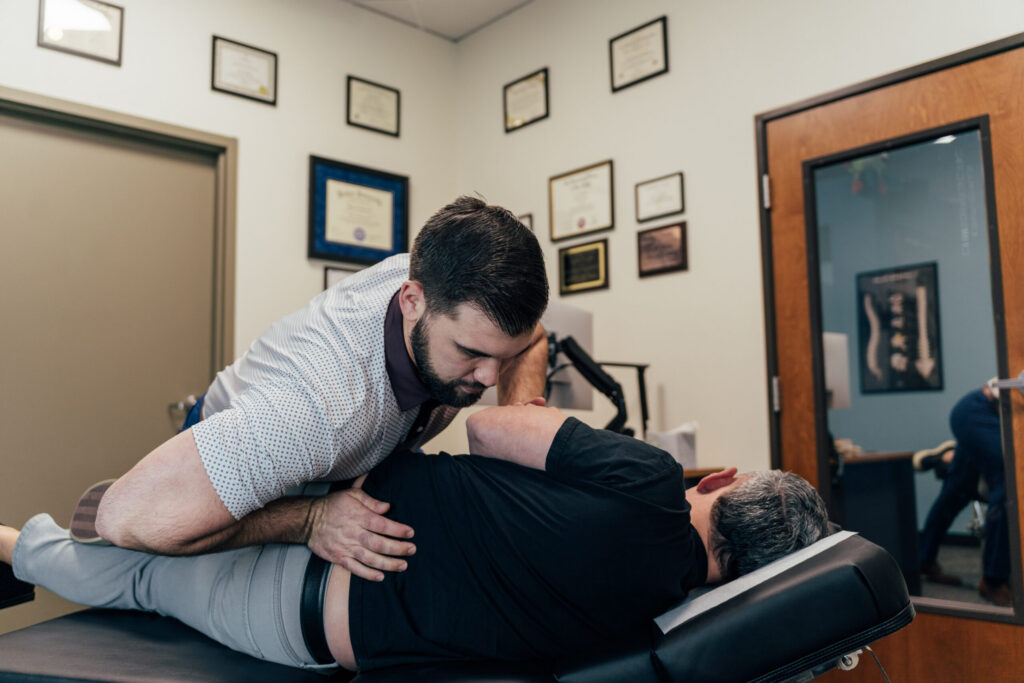

Cervical discomfort can be a frustrating experience, but as your local chiropractor, I’m here to help you navigate your pain relief options. It’s important to understand that there are several effective techniques available for managing cervical pain, each with its own benefits and considerations.
While medications and physical therapy are commonly used, I encourage you to consider chiropractic care as a natural and holistic approach. Chiropractic adjustments focus on realigning the spine and improving overall function, which can significantly alleviate cervical discomfort without the need for drugs.
In addition to chiropractic adjustments, we also offer complementary therapies such as massage and guided exercises to strengthen the neck and improve flexibility. Acupuncture is another technique that some patients find beneficial, as it can help reduce pain and promote healing.
Understanding how each of these methods works will empower you to make informed decisions about your health. So, what’s the best approach for your specific situation? Let’s work together to explore the various techniques available for managing your cervical pain and find a solution that fits your needs.
Understanding Cervical Discomfort
Cervical discomfort is a common issue that many of my patients experience, often manifesting as pain or stiffness in the neck. This discomfort can significantly impact your daily life, making it challenging to perform simple tasks such as turning your head, driving, or working at a computer.
There are various reasons why you might be feeling this way, including poor posture, muscle strain, or the effects of stress. Many people notice that their symptoms worsen after prolonged periods of sitting or when using their smartphones.
It’s important to understand the root cause of your cervical discomfort. It may result from an injury, such as whiplash, or it could be linked to chronic conditions like arthritis. I encourage you to pay attention to any additional symptoms, such as headaches or tingling sensations in your arms, as these can provide valuable insights into underlying issues.
Being mindful of your body mechanics and how you perform daily activities can make a significant difference. By implementing small adjustments in your posture and movements, you can alleviate some of the pain and stiffness you’re experiencing. This not only helps in managing your discomfort but also allows you to engage more fully in your daily routine.
If you’re interested in exploring natural healing methods, chiropractic care can be an effective option. Through tailored adjustments and exercises, we can work together to restore balance to your spine and improve your overall well-being.
The Role of Physical Therapy
As a local chiropractor, I want to emphasize the vital role of chiropractic care in managing cervical discomfort through specialized techniques.
You’ll learn about various approaches we use, such as spinal adjustments and therapeutic exercises, which can significantly enhance your well-being.
By understanding these natural healing methods, you can make informed choices about your options for pain relief and overall health.
Our goal is to empower you on your journey to a pain-free life.
Techniques Used in Therapy
If you’re experiencing cervical discomfort, chiropractic care can offer a variety of effective techniques designed specifically for your individual needs. One of the fundamental approaches we use is manual therapy, which includes joint mobilization and soft tissue manipulation. These methods are aimed at reducing pain and enhancing mobility in your neck.
In addition to manual adjustments, we focus on therapeutic exercises that help strengthen the neck and surrounding muscles, which is essential for maintaining proper posture and alignment. Stretching routines are also an important part of your care, as they improve flexibility and alleviate tension in the muscles.
We may also incorporate different modalities, such as heat, ice, or electrical stimulation, to provide immediate relief and support your healing journey.
During your visits, I’ll thoroughly assess your condition and develop a personalized treatment plan tailored to your recovery goals.
Benefits of Physical Therapy
As a local chiropractor, I want to emphasize the crucial role that physical therapy plays in your journey to recovery and well-being. Integrating physical therapy into your treatment plan can significantly enhance pain relief and help you regain mobility and strength.
By focusing on the underlying causes of your cervical discomfort, physical therapy allows you to address issues at their source. Through customized exercises, you can improve your posture, flexibility, and range of motion, all of which can lead to a substantial reduction in pain.
I encourage my patients to work closely with their physical therapists to learn techniques that can be applied at home, ensuring you have the tools necessary to manage discomfort and promote long-term relief.
Moreover, physical therapy provides valuable insights into how your body functions, which empowers you to take an active role in your health. You’ll gain knowledge about proper body mechanics, helping to prevent future injuries and complications.
Regular sessions not only facilitate recovery but also enhance your overall well-being, allowing you to engage in daily activities with renewed confidence and comfort. Embracing chiropractic care alongside physical therapy can create a comprehensive approach to healing that supports your body’s natural ability to heal itself.
Medication Options for Pain Relief
As a chiropractor, I often see patients who are seeking relief from cervical discomfort. While there are numerous methods to address this issue, many individuals tend to lean towards medication as their primary solution.
Over-the-counter options, such as nonsteroidal anti-inflammatory drugs (NSAIDs) like ibuprofen and naproxen, can help reduce pain and inflammation. However, if these don’t provide the relief you’re looking for, it’s common for healthcare providers to suggest stronger prescription medications, including muscle relaxants or opioids, particularly for more intense pain.
It’s worth noting that topical analgesics, such as creams or patches containing menthol or lidocaine, can provide localized relief without the systemic side effects associated with oral medications. However, it’s crucial to adhere to dosage guidelines and be aware of any potential interactions with other medications you might be taking.
While medications can offer quick relief, I encourage you to consider them as part of a broader pain management strategy. Chiropractic care focuses on addressing the root causes of pain through natural healing techniques, which may include spinal adjustments, physical therapy, and lifestyle modifications.
These approaches can complement any medication you may be taking and promote long-term well-being. Always consult with a healthcare professional, including a chiropractor, before starting any medication to ensure it’s suitable for your specific condition.
Exploring Acupuncture
Many individuals discover that relying solely on medication may not fully address their cervical discomfort, leading them to seek out alternative therapies. As a local chiropractor, I often recommend exploring options like acupuncture, which is a time-honored practice known for its ability to promote healing and alleviate pain.
Acupuncture involves the insertion of thin needles into specific points on your body, and you might be surprised to learn that numerous patients report notable improvements in their symptoms after trying it. This practice is thought to stimulate the release of endorphins, the body’s natural painkillers, which can be particularly beneficial in managing discomfort.
During an acupuncture session, you’ll typically lie down while a trained practitioner gently inserts the needles. While some may feel a slight prick, most individuals find the experience to be quite soothing and relaxing.
Although research on the effectiveness of acupuncture can vary, many patients swear by it as a valuable complementary treatment.
If you’re on a journey towards holistic healing, incorporating acupuncture into your care plan could be an excellent way to enhance your overall pain relief experience. As your chiropractor, I’m here to support you in exploring these natural healing methods.
The Benefits of Chiropractic Care
As your local chiropractor, I want to share how chiropractic care can significantly enhance your spinal alignment and overall well-being.
Many people experience discomfort in their cervical region, and I’m here to help you understand how we can address this effectively.
Through targeted pain management techniques, we focus on identifying and treating the root causes of your pain, rather than merely masking the symptoms. This holistic approach is what sets chiropractic care apart.
By receiving regular adjustments, you may find yourself enjoying a more comfortable and active lifestyle, free from the limitations that pain can impose.
If you’re new to chiropractic care, I encourage you to explore how our natural healing methods can benefit you and improve your quality of life.
Let’s work together towards a healthier, more mobile you!
Enhanced Spinal Alignment
As a local chiropractor, I want to share with you the importance of enhanced spinal alignment and how it can significantly alleviate cervical discomfort. Many people are surprised to learn just how effective chiropractic care can be in this regard.
When we focus on aligning your spine and neck, we work to restore balance and optimal function in your body. A properly aligned spine reduces nerve interference, allowing your body to tap into its natural healing abilities. This can lead to a noticeable reduction in tension and pain, ultimately improving your overall mobility and comfort.
Regular chiropractic adjustments don’t just provide immediate relief; they also play a crucial role in enhancing your posture. Good posture is essential for preventing future cervical issues and maintaining overall spinal health.
Investing time in chiropractic care is an investment in your long-term health and well-being. Not only will you feel better, but you’ll also gain valuable insights on how to maintain proper alignment in your daily life.
I encourage you to explore the benefits of chiropractic care and how it can support your journey toward better health.
Pain Management Techniques
As a local chiropractor dedicated to educating my patients about natural healing, I want to share with you five effective pain management techniques specifically designed to address cervical discomfort. One of the most impactful methods is chiropractic care, a hands-on approach that emphasizes spinal alignment. By focusing on your spine, we can alleviate tension in your neck and enhance your mobility.
During chiropractic adjustments, many of my patients experience not only reduced pain but also an improved range of motion, which makes daily activities much more manageable.
What sets chiropractic care apart is our commitment to personalized care plans. I tailor exercises and lifestyle recommendations to fit your unique needs, ensuring that our approach is holistic. This means we not only address your current pain but also work on preventing future issues.
It’s common for patients to feel a significant difference after their very first session. By choosing chiropractic care, you’re opting for a natural, drug-free solution to manage cervical discomfort effectively while also enhancing your overall quality of life.
If you’re curious about how chiropractic care can benefit you, I invite you to reach out and discuss your specific concerns. Together, we can create a path to better health.
Alternative Therapies: Massage and Beyond
As a local chiropractor, I often see patients seeking relief from cervical discomfort. While traditional treatments like medication and physical therapy play a role, I want to share the benefits of alternative therapies, particularly chiropractic care.
Chiropractic adjustments focus on spinal alignment, which can significantly alleviate neck pain and improve your overall well-being. When your spine is properly aligned, it can enhance your nervous system function, reduce tension, and promote better blood circulation. Ultimately, this helps you feel more relaxed and pain-free.
In addition to chiropractic adjustments, I encourage my patients to consider complementary therapies like massage. Techniques such as deep tissue, trigger point, or gentle Swedish massage can work hand-in-hand with chiropractic care, addressing muscle tension and adding to your recovery process.
Another alternative therapy worth exploring is acupuncture. This ancient practice targets specific points in your body to relieve pain and tension, making it an excellent adjunct to your chiropractic treatment plan.
It’s crucial to seek out qualified practitioners and communicate your individual needs. By embracing a holistic approach that includes chiropractic care and other alternative therapies, you may find a more comprehensive solution to your neck discomfort.
Together, we can enhance your journey toward better health and well-being.
Lifestyle Changes and Their Impact
As a local chiropractor, I want to share with you how simple lifestyle changes can significantly alleviate cervical discomfort and enhance your overall health. One of the first steps you can take is to evaluate your posture. Poor alignment can put unnecessary strain on your neck. When you sit, make sure your back is well-supported and that your screen is at eye level. This helps prevent the common habit of leaning forward, which can exacerbate neck pain.
Remember to take regular breaks if you’re sitting for long periods; this small step can make a big difference.
Incorporating gentle stretching and strengthening exercises into your daily routine is also essential. Activities like yoga or pilates are fantastic options that can improve flexibility and reduce tension in the neck and upper back. These exercises not only promote physical health but also contribute to a sense of well-being.
Hydration is another often-overlooked aspect of health. Drinking plenty of water is crucial for muscle function and can help prevent stiffness in your neck.
Lastly, let’s talk about your sleep position. Using a supportive pillow that keeps your neck aligned with your spine can significantly reduce discomfort while you sleep, leading to a more restful night.
When to Consider Surgery
When cervical discomfort lingers despite trying conservative treatments like physical therapy, medication, and lifestyle adjustments, it may be time to explore surgical options.
As your local chiropractor, I want to help you understand when it might be necessary to consider this path. Here are some indicators that suggest you should have a conversation with your healthcare provider about surgery:
- Chronic Pain: If you’re experiencing persistent, severe pain that hasn’t improved over several months, it may be a sign of an underlying issue that could require surgical intervention.
- Nerve Damage: Symptoms such as weakness, numbness, or tingling in your arms or hands could indicate pressure on the nerves. In some cases, surgery might be the solution to alleviate this pressure and restore function.
- Loss of Function: If cervical discomfort is making it difficult to perform daily activities, it’s important to discuss your options with a healthcare professional. Surgery might be a consideration if conservative treatments haven’t brought you relief.
- Structural Issues: Often, imaging tests may reveal significant spinal concerns like herniated discs or spinal stenosis. If these structural problems are impacting your quality of life, surgery could be a viable option to consider.
Remember, it’s crucial to consult with a qualified healthcare professional to weigh the risks and benefits of surgery before making any decisions.
As your chiropractor, I’m here to support you in exploring all avenues of care, including natural healing methods, before considering surgical options.
Creating a Personalized Pain Management Plan
As a local chiropractor, I want to emphasize the importance of creating a personalized pain management plan, especially for those of you dealing with persistent cervical discomfort. Understanding your pain is the first step towards relief.
I encourage you to evaluate your pain levels and identify the specific triggers that worsen your symptoms. Keeping a pain diary can be incredibly helpful. By tracking your symptoms and how you respond to various treatments, we can better understand your individual situation.
Chiropractic care is one of many effective pain relief techniques worth exploring. We utilize spinal adjustments and other manual therapies to restore proper alignment and function, which can significantly alleviate pain.
Additionally, I recommend considering complementary approaches, such as physical therapy, acupuncture, or even lifestyle adjustments. Simple changes like improving your workspace ergonomics, incorporating regular exercise, and practicing stress management techniques such as yoga or meditation can provide substantial benefits.
It’s essential to regularly review your pain management strategy with me or another healthcare provider. We can adjust your plan as needed, ensuring it remains effective for you.
Remember, what works for one person may not work for another, so I encourage you to remain open to trying different methods. By actively engaging in your pain management, you can find a strategy that fits your unique needs and helps you regain control over your life.
Together, we can work towards a healthier, pain-free future.
Conclusion
As a local chiropractor, I want to emphasize that finding the right pain relief technique for cervical discomfort is a personal journey. It’s essential to discover what resonates with your body and lifestyle. Chiropractic care can be a pivotal part of this process, focusing on spinal alignment and muscular health to alleviate neck pain.
In addition to chiropractic adjustments, consider incorporating physical therapy to strengthen the muscles supporting your neck. Many patients find relief through a combination of treatment options, including medications for immediate symptom control, and acupuncture, which offers a holistic approach to healing.
Don’t overlook the importance of lifestyle changes and alternative therapies, such as yoga or mindfulness practices, which can significantly enhance your well-being. By working together, we can create a personalized pain management plan that empowers you to take control of your discomfort and ultimately improve your quality of life. Remember, you are not alone in this journey, and there are multiple avenues to explore for effective relief.