
You've probably experienced the frustration of persistent headaches, and you might wonder if spinal alignment plays a role in alleviating them. Many people find that proper alignment can improve nerve function and reduce muscle tension, potentially easing headache symptoms. But how exactly does misalignment contribute to these issues? Understanding the connection between your spine and headache triggers could open new avenues for relief. As you explore this topic further, you might be surprised by what recent research reveals about the effectiveness of chiropractic care in managing headaches.
Understanding Headache Types
Headaches come in various forms, each with distinct causes and symptoms. Understanding these types can help you identify what you're experiencing and find appropriate relief.
Tension headaches, the most common type, often feel like a tight band around your head. They usually stem from stress, poor posture, or muscle tension in your neck and shoulders. You might notice these headaches creeping in after a long day at work or during stressful situations.
Migraines, on the other hand, can be much more debilitating. They often present with throbbing pain, nausea, and sensitivity to light or sound. Migraines may be triggered by specific foods, hormonal changes, or even sleep patterns. If you've ever experienced an aura—visual disturbances or tingling sensations—before the pain kicks in, you've likely dealt with a migraine.
Cluster headaches are another type, characterized by intense pain around one eye, often occurring in cyclical patterns. They're less common but can be excruciating, causing you to feel restless and agitated.
Sinus headaches, caused by sinus infections or inflammation, can mimic tension headaches but are usually accompanied by nasal congestion and facial pressure. You might find relief by addressing the underlying sinus issue.
The Role of Spinal Alignment
Often overlooked, spinal alignment plays an important role in headache development. When your spine is properly aligned, it supports your head and neck, enabling ideal function of the nervous system. This smooth interaction can help reduce the intensity and frequency of headaches. However, when misalignment occurs, tension can build up, leading to discomfort and pain.
Here are a few key aspects of spinal alignment and its impact on your overall health:
- Nerve Function: Proper alignment guarantees that nerves can transmit signals effectively, reducing the likelihood of triggering headaches.
- Muscle Tension: When the spine is aligned, your muscles don't have to compensate for misalignments, leading to less strain and tension that can contribute to headaches.
- Blood Flow: Good spinal alignment promotes healthy blood flow to the brain, which is vital for maintaining proper oxygen levels and nutrients, preventing headaches.
By maintaining spinal alignment, you're not just looking after your back; you're also taking proactive steps to minimize headache occurrences. Regular chiropractic care, stretching, and mindful posture can greatly improve your spinal health.
You might find that once your spine is aligned, you feel more energetic, focused, and less prone to headaches. Incorporating these practices into your daily routine can lead to long-term benefits.
How Misalignment Affects Headaches
Misalignment in your spine can greatly contribute to the onset and severity of headaches. When your spine is out of alignment, it places undue stress on your muscles and nerves, leading to tension and discomfort. This misalignment often causes irritation in the cervical spine, which can trigger headaches, especially tension-type headaches and migraines.
You may not realize how much your posture affects your overall well-being. Slouching or hunching over a desk can strain the muscles in your neck and upper back, creating a ripple effect that culminates in painful headaches. The muscles that support your head and neck may become tight, leading to increased pressure on your skull. This pressure can manifest as a dull ache or a more intense throbbing sensation.
Additionally, misalignment can disrupt the flow of blood and oxygen to your brain. When your spine is misaligned, it can compress blood vessels, reducing circulation and leading to headaches. You might find that adjusting your posture or even your sleeping position can greatly impact the frequency and intensity of your headaches.
Ignoring spinal misalignment could mean enduring chronic headaches that disrupt your daily life. By understanding how these alignments affect your body, you can take steps to address the root cause of your headaches. Recognizing the connection between your spine and headache symptoms is essential for seeking effective relief and improving your quality of life.
Chiropractic Care Explained
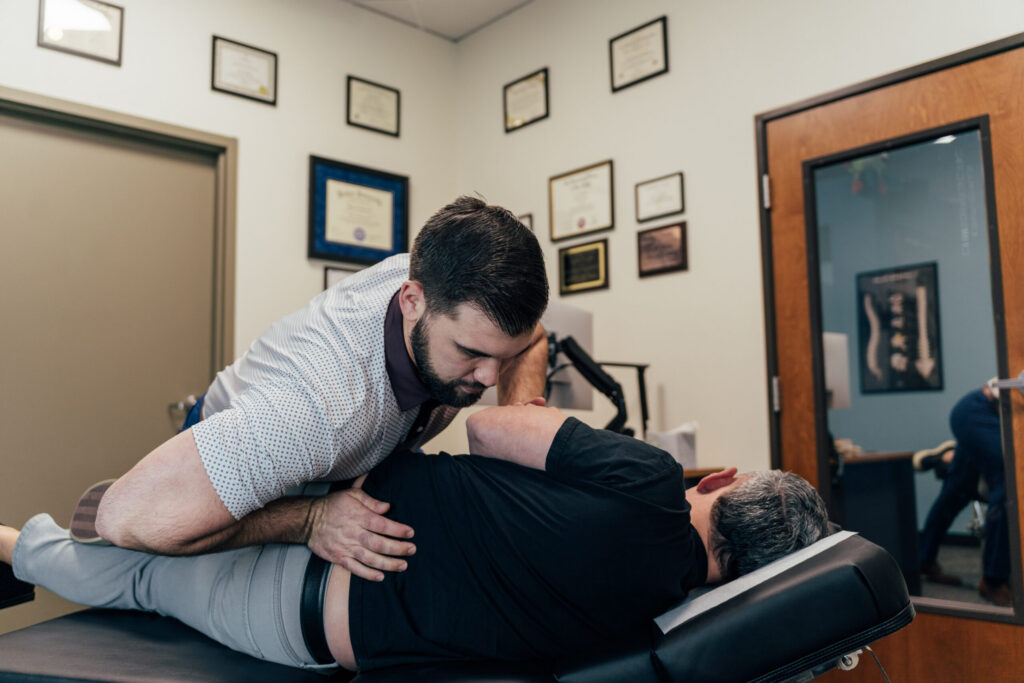
Chiropractic care offers a proactive approach to addressing spinal misalignment and its related effects, including headaches. By focusing on the alignment of your spine, chiropractors aim to restore balance and improve overall function. This holistic method can help relieve tension and pressure on your nervous system, which may be contributing to your headaches.
During your chiropractic sessions, you can expect various techniques and treatments tailored to your needs. Here are a few common practices:
- Spinal Adjustments: These manual manipulations realign the vertebrae, helping to relieve pain and improve mobility.
- Soft Tissue Therapy: This involves techniques like massage or stretching to release tension in muscles surrounding the spine.
- Lifestyle Recommendations: Your chiropractor may provide guidance on posture, ergonomics, and exercises that can enhance spinal health and prevent headaches.
Chiropractors focus on identifying the root cause of your headaches rather than just masking the symptoms. By addressing spinal misalignment, they can help improve blood flow and reduce nerve irritation.
You might notice that as your spine becomes more aligned, the frequency and intensity of your headaches decrease.
Ultimately, chiropractic care empowers you to take charge of your health. By committing to regular visits and following your chiropractor's recommendations, you can work towards a headache-free life.
If you're tired of relying on pain medication, it might be time to explore the benefits of chiropractic care for your spinal health.
Research on Spinal Alignment
Research shows a strong link between spinal alignment and headaches, highlighting how your spine's health impacts your overall well-being.
Various studies support the effectiveness of spinal therapy in alleviating headache symptoms.
Understanding this connection can empower you to make informed decisions about your health care.
Connection Between Spine and Headaches
The intricate relationship between spinal alignment and headaches has garnered significant attention in recent years. You might be surprised to learn that misalignments in your spine can lead to increased tension and discomfort, potentially triggering headaches.
When your spine is out of alignment, it can affect the surrounding muscles, nerves, and blood flow, creating a cascade of issues that may manifest as pain in your head.
Consider these factors:
- Nerve Compression: Misalignment can compress nerves, leading to pain signals that travel to your head.
- Muscle Tension: An improperly aligned spine can strain neck and shoulder muscles, causing tension headaches.
- Cervical Issues: Problems in the cervical spine can directly affect the head, leading to migraines or cluster headaches.
Understanding this connection can help you appreciate the importance of maintaining proper spinal alignment.
By addressing any misalignments, you may not only improve your overall posture but also reduce the frequency and intensity of your headaches.
It's worth exploring how spinal health relates to headache relief, as this could lead to better quality of life for you.
Studies Supporting Spinal Therapy
Many people find relief from headaches through spinal therapy, and studies back this up. Research indicates that spinal alignment can greatly reduce headache frequency and intensity. A study published in the Journal of Manipulative and Physiological Therapeutics found that chiropractic adjustments led to a notable decrease in headache symptoms for participants. In fact, many reported improved quality of life after a series of spinal manipulations.
Another research effort highlighted the effectiveness of spinal therapy for tension-type headaches. Participants who underwent targeted spinal adjustments experienced a marked decrease in headache days per month. Their pain levels dropped, showing that proper alignment directly affects headache relief.
You might also find it interesting that a systematic review in the Chiropractic & Manual Therapies journal compiled data from multiple studies, concluding that spinal manipulation is a viable treatment option for various headache types.
These findings suggest that if you're struggling with headaches, considering spinal therapy could be a worthwhile option. By restoring proper alignment, you may not only alleviate headaches but also improve overall spinal health.
Other Treatment Options
When it comes to managing headaches linked to spinal alignment, you have several treatment options to contemplate.
Medications can provide immediate pain relief, while physical therapy techniques can help address underlying issues.
Additionally, exploring alternative therapies might offer you further relief and improve your overall well-being.
Medications and Pain Relief
Finding relief from headaches often involves exploring various medications and pain management strategies. While spinal alignment can be beneficial, you might also consider additional options to alleviate your discomfort.
Here are some commonly used medications:
- Over-the-counter pain relievers: Nonsteroidal anti-inflammatory drugs (NSAIDs) like ibuprofen or naproxen can help reduce headache pain and inflammation.
- Prescription medications: If your headaches are severe or chronic, a doctor may prescribe stronger medications, such as triptans or ergotamines, specifically designed for migraine relief.
- Preventive medications: For frequent headaches, your doctor might recommend daily medications, like beta-blockers or antidepressants, to help minimize the occurrence and intensity of your headaches.
Before starting any medication, it's essential to consult with a healthcare professional. They can assess your specific situation and recommend the most appropriate treatment plan tailored to your needs.
Physical Therapy Techniques
Exploring physical therapy techniques can offer effective relief for headaches linked to spinal alignment issues. By addressing the underlying problems in your spine, physical therapy can help reduce tension and improve your overall posture. Your therapist will likely evaluate your condition and design a personalized treatment plan tailored to your needs.
One common technique is manual therapy, where the therapist uses their hands to manipulate your spine and surrounding muscles. This can relieve tightness and restore mobility.
You might also engage in specific exercises aimed at strengthening your core and neck muscles, which play an essential role in supporting your spine. Additionally, stretching exercises can help enhance flexibility and alleviate tension.
Your therapist may teach you proper alignment techniques to incorporate into your daily routine, reducing the risk of future headaches. Heat or cold therapy may also be used to alleviate pain and inflammation.
Regular sessions can reinforce the benefits, allowing you to maintain better spinal health. By committing to physical therapy, you can empower yourself to manage headache symptoms more effectively and improve your quality of life.
Don't hesitate to explore these options to find relief that works for you.
Alternative Therapies Available
Alternative therapies can provide additional relief for headaches associated with spinal alignment issues. While spinal adjustments and physical therapy are essential, you might want to explore other options to enhance your recovery.
These therapies focus on holistic approaches, addressing not just the symptoms but also the underlying causes of your headaches.
Consider trying these alternative therapies:
- Acupuncture: This ancient practice involves inserting thin needles at specific points in your body to promote healing and reduce pain. Many people find it effective for headache relief.
- Massage Therapy: Regular massages can help relieve muscle tension around your neck and shoulders, which can contribute to headaches. A skilled therapist can target areas that may be affecting your spinal alignment and overall well-being.
- Chiropractic Care: Beyond spinal adjustments, chiropractors often incorporate various techniques, including soft tissue therapies and lifestyle advice, to help you manage headaches more effectively.
Tips for Maintaining Alignment
Maintaining proper spinal alignment is essential for preventing headaches and promoting overall well-being. Here are some practical tips to help you achieve and maintain that alignment in your daily life.
First, be mindful of your posture throughout the day. When sitting, keep your back straight, shoulders relaxed, and feet flat on the floor. Consider using an ergonomic chair to support your spine. If you work at a desk, adjust your monitor height to eye level to avoid straining your neck.
Next, invest in a supportive mattress and pillow. A medium-firm mattress provides the right balance of support and comfort, while a pillow should keep your neck aligned with your spine. Avoid sleeping on your stomach, as this can twist your neck and lead to misalignment.
Incorporate regular stretching and strengthening exercises into your routine. Focus on your core, back, and neck muscles to support your spine better. Activities like yoga or Pilates can help improve flexibility and alignment.
Additionally, take breaks during prolonged periods of sitting. Stand up, stretch, and walk around every hour to relieve tension and promote circulation.
Lastly, consider visiting a chiropractor or physical therapist for personalized guidance. They can assess your posture and provide tailored exercises to help you maintain proper alignment.
Conclusion
In summary, spinal alignment plays an essential role in alleviating headaches by supporting nerve function, reducing muscle tension, and improving blood flow. If you're struggling with headaches, consider exploring chiropractic care as a proactive approach. Regular adjustments can help address misalignments and promote overall wellness. Additionally, maintaining good posture and staying active can further support your spinal health. Don't let headaches hold you back—take steps today to enhance your well-being and enjoy a pain-free life.