
You might be wondering if spinal adjustments can truly ease your stress. Many people experience physical tension that contributes to their mental strain, and some claim that chiropractic care helps alleviate this burden. By improving the communication between your brain and body, these adjustments could potentially lower cortisol levels and promote relaxation. But is this just anecdotal evidence, or is there more to it? Exploring the connection between your spine and stress responses might reveal insights you weren't expecting.
Understanding Stress and Its Effects
Stress is something nearly everyone experiences at some point, and its effects can be far-reaching. You might feel overwhelmed by deadlines, personal issues, or even daily routines. This pressure can manifest in various ways, impacting your physical and mental health. It's vital to recognize how stress affects you, so you can take steps to manage it effectively.
When you're stressed, your body reacts by releasing hormones like cortisol and adrenaline. These hormones prepare you for a "fight or flight" response, which can lead to increased heart rate, muscle tension, and even digestive issues. You may notice headaches, fatigue, or difficulty concentrating.
Over time, chronic stress can take a toll on your immune system, making you more susceptible to illness. Emotionally, stress can lead to feelings of anxiety, irritability, or even depression. You might find it hard to connect with others or engage in activities you once enjoyed.
It's critical to pay attention to these signs, as they can greatly affect your quality of life. To combat stress, you can adopt various strategies. Regular exercise, mindfulness practices, and social support can help you manage your stress levels.
Don't underestimate the importance of taking breaks and allowing yourself time to recharge. By understanding how stress impacts you, you'll be better equipped to handle it and improve your overall well-being. Remember, addressing stress isn't just about the immediate relief; it's about investing in your health for the long run.
What Are Spinal Adjustments?
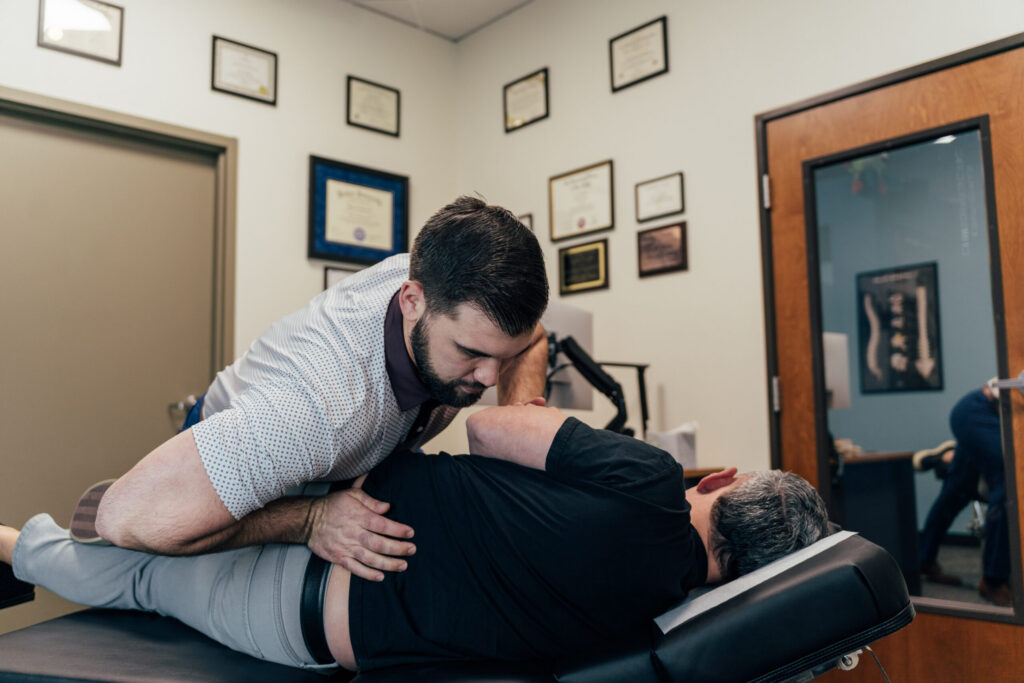
When you experience physical discomfort or misalignment in your spine, spinal adjustments can provide significant relief. These adjustments are manual manipulations performed by trained chiropractors to realign the vertebrae in your spine. By applying controlled force to specific joints, the chiropractor aims to restore proper alignment and function, reducing pain and improving mobility.
During a spinal adjustment, you might feel a quick thrust or a popping sound, which is often due to the release of gas bubbles in the joint spaces. This process can help alleviate tension and pressure on surrounding nerves, enhancing your overall sense of well-being. Many people report feeling immediate relief after an adjustment, as it can alleviate discomfort caused by misalignment.
Spinal adjustments can also improve your body's range of motion. When your spine is properly aligned, it allows your muscles, ligaments, and nerves to function more efficiently. This can lead to better posture, reduced muscle tension, and an increased ability to engage in daily activities without discomfort.
It's essential to understand that spinal adjustments are tailored to your individual needs. Your chiropractor will assess your condition and develop a personalized treatment plan.
Whether you're dealing with chronic pain, headaches, or simply want to maintain peak spinal health, spinal adjustments can be a valuable tool in your wellness journey. By addressing the root cause of your discomfort, these adjustments enable you to lead a more active and fulfilling life.
The Connection Between Spine and Stress
Your spine plays an essential role in how your body responds to stress.
When it's misaligned, it can create physical tension that leads to discomfort and anxiety.
Spinal adjustments can help release neurotransmitters that promote relaxation, easing your stress levels considerably.
Neurotransmitter Release Mechanism
Although many people may not realize it, the spine plays an essential role in the body's stress response through its influence on neurotransmitter release. When your spine is aligned and functioning properly, it allows your nervous system to communicate effectively. This communication is critical for regulating neurotransmitters like serotonin and dopamine, which are essential for mood stabilization and stress management.
When your spine is misaligned, it can disrupt this communication, leading to an imbalance in neurotransmitter levels. This imbalance may make you more susceptible to stress and anxiety. Regular spinal adjustments can help restore alignment, promoting better nerve function and neurotransmitter release.
As the adjustments take effect, you may notice a shift in your overall mood and stress levels. Your body becomes more adept at responding to stressors, thanks to improved neurotransmitter balance.
By prioritizing spinal health, you're not just addressing physical discomfort but also enhancing your mental well-being.
In essence, maintaining a well-aligned spine can greatly influence how your body manages stress, making spinal adjustments an essential part of your overall health strategy.
Physical Tension Reduction
Misalignment in the spine can lead to physical tension that exacerbates stress levels. When your spine isn't aligned properly, it can create muscle tightness and discomfort, making it harder for you to relax. You might notice that your shoulders are tense or that you're holding stress in your neck and back. This tension can amplify feelings of anxiety and overwhelm.
Spinal adjustments help restore proper alignment, allowing your body to function effectively. When your spine is aligned, it reduces the physical tension that can contribute to stress. You may find that, after an adjustment, you feel a sense of relief and relaxation. Your muscles can loosen up, and your body can release built-up tension.
Moreover, reducing physical tension can enhance your overall well-being. With less strain on your muscles and nerves, you might experience improved mood and better sleep quality. You're likely to feel more capable of handling daily stressors.
How Spinal Adjustments Work
During a spinal adjustment, a chiropractor applies controlled force to specific joints in the spine, aiming to restore proper alignment and function. This process involves using their hands or a specialized instrument to manipulate the vertebrae in your back. By targeting areas of misalignment, or subluxations, the chiropractor helps to improve your overall spinal health.
When your spine is properly aligned, it allows for peak nerve function. Nerves exit the spinal cord and travel to various parts of your body, regulating everything from muscle movement to organ function. Misalignments can lead to nerve interference, which may result in discomfort, tension, or stress. By correcting these misalignments through adjustments, you can experience relief from physical tension and stress.
The adjustment itself typically involves a quick thrust, creating a popping sound as gas bubbles within the joint fluid are released. This can provide immediate relief and a feeling of lightness.
The chiropractor may also recommend additional therapies, such as stretches or exercises, to support your recovery and maintain proper alignment.
As you continue with spinal adjustments, you may find that not only does your physical tension decrease, but your overall stress levels may also improve. The combination of restored alignment and enhanced nerve function can lead to better relaxation and a more balanced mood.
With regular adjustments, you can help guarantee your body functions at its best, ultimately promoting a healthier, stress-free lifestyle.
Research on Chiropractic Benefits
Research shows that chiropractic care can markedly reduce your physiological stress response, helping your body cope better with daily pressures.
Additionally, many individuals report improvements in mental health after receiving spinal adjustments.
Physiological Stress Response
When you experience stress, your body enters a state of heightened alertness, activating the physiological stress response. This response triggers a cascade of changes in your body, including increased heart rate, elevated blood pressure, and heightened levels of cortisol. These reactions are designed to prepare you for a fight-or-flight situation.
However, chronic stress can lead to prolonged activation of this response, which may negatively impact your overall health.
Research shows that spinal adjustments from chiropractic care can help regulate this physiological stress response. By realigning the spine and reducing tension in the nervous system, chiropractic adjustments can promote relaxation and balance in your body.
This not only helps mitigate the physical symptoms of stress but may also enhance your body's ability to handle stressors more effectively.
Regular chiropractic visits can lead to decreased muscle tension, improved circulation, and increased mobility, all of which contribute to a more resilient physiological state.
As your body learns to respond better to stress, you may find it easier to manage daily challenges without becoming overwhelmed.
Ultimately, chiropractic care can be a valuable tool in promoting a healthier physiological response to stress.
Mental Health Improvements
Chiropractic care consistently shows promise in improving mental health outcomes. Many people find that regular spinal adjustments not only relieve physical discomfort but also contribute to a more positive mental state.
Here are four key mental health benefits associated with chiropractic care:
- Reduced Anxiety: Chiropractic adjustments may lower anxiety levels by facilitating better communication between the brain and body.
- Improved Mood: Studies suggest that spinal manipulation can lead to the release of neurotransmitters, enhancing mood and overall emotional well-being.
- Enhanced Sleep Quality: By relieving tension and discomfort, chiropractic care can promote better sleep, which is essential for mental health.
- Lower Stress Levels: Regular adjustments may help regulate the body's stress response, leading to a calmer mindset.
When you prioritize your spinal health, you're not just addressing physical ailments; you're also investing in your mental well-being.
With ongoing research supporting these benefits, it's becoming clear that chiropractic care can be a valuable tool in your mental health toolkit.
Personal Experiences and Testimonials
Many individuals have opened up about their experiences with spinal adjustments, sharing how these treatments have greatly helped them manage stress and improve their overall well-being. You might be surprised to hear how many people have found relief from anxiety and tension through chiropractic care.
For instance, one client reported feeling a significant reduction in stress levels after just a few sessions, noting that the physical discomfort eased along with their mental strain.
Another person described how spinal adjustments not only relieved back pain but also provided a newfound sense of calm. They mentioned feeling more centered and grounded, which allowed them to tackle daily challenges with a clearer mindset.
It's common for clients to express a sense of relaxation that lingers long after their appointment.
You may also find it interesting that many individuals describe their adjustments as a form of self-care. They appreciate the time spent focusing on their body, allowing them to disconnect from daily stressors.
Some even compare it to a mini-vacation, where they can unwind and recharge.
Many testimonials highlight the holistic benefits of spinal adjustments, emphasizing how they contribute to better sleep, enhanced mood, and improved focus.
You might resonate with these experiences, as they reflect a shared journey towards wellness. If you're considering this path, remember that personal experiences can vary, but many have found comfort and relief through the power of spinal adjustments.
Potential Risks and Considerations
Before diving into spinal adjustments, it's vital to contemplate potential risks and factors that may affect your experience. While many people find relief from stress through these treatments, being informed can help you make the best decision for your health. Here are some considerations to keep in mind:
- Underlying Conditions: If you have pre-existing health issues, such as osteoporosis or spinal fractures, spinal adjustments may not be suitable for you. Always consult your doctor before starting any new treatment.
- Qualified Practitioner: Confirm that you're seeing a licensed and experienced chiropractor. An improperly performed adjustment can lead to complications, so it's important to verify their credentials and reputation.
- Possible Discomfort: While many experience immediate relief, some might feel soreness or discomfort post-adjustment. This doesn't always indicate a problem, but it's something to be prepared for.
- Individual Reactions: Everyone responds differently to spinal adjustments. While one person might leave feeling rejuvenated, another may not notice a significant change. It's important to manage your expectations and understand that results can vary.
Incorporating Adjustments Into Your Routine
Incorporating spinal adjustments into your routine can be a transformative step toward managing stress and enhancing overall well-being. Regular visits to a chiropractor not only help align your spine but also promote relaxation, which can greatly lower your stress levels. Consider scheduling adjustments at consistent intervals—whether that's weekly, bi-weekly, or monthly—depending on your specific needs and lifestyle.
To get started, find a qualified chiropractor you feel comfortable with. During your first visit, discuss your stress levels and any physical symptoms you're experiencing. This will allow your chiropractor to tailor a plan that best suits you.
As you begin your adjustments, be mindful of how your body responds. You might notice improvements in your mood, sleep patterns, and even your ability to handle stressful situations.
In addition to adjustments, you can also incorporate self-care practices that complement your visits. Stretching, practicing mindfulness, and maintaining a balanced diet can enhance the benefits of spinal adjustments. These practices can create a holistic approach to stress management, helping you feel more grounded.
Keep in mind that consistency is key. Just as you wouldn't expect to feel completely stress-free after one visit, regular adjustments over time can help you build resilience against stress.
Make these adjustments a priority in your health routine, and you may find yourself steering through life's challenges with greater ease and confidence.
Alternative Stress Relief Methods
Alternative stress relief methods can offer you valuable tools to complement spinal adjustments and enhance your overall well-being. By exploring different techniques, you can find what works best for you, helping to alleviate stress and improve your daily life.
Here are four effective methods to take into account:
- Mindfulness Meditation: Practicing mindfulness helps you focus on the present moment, reducing anxiety and clearing your mind. Just a few minutes a day can make a significant difference.
- Breathing Exercises: Deep breathing techniques can lower your heart rate and calm your nervous system. Simple practices, like inhaling for a count of four and exhaling for a count of six, can be incredibly effective.
- Yoga: This ancient practice combines physical postures with breath control, promoting relaxation and flexibility. Regular yoga sessions can help release tension in your body and mind.
- Nature Walks: Spending time outdoors allows you to connect with nature, which can boost your mood and lower stress levels. Whether it's a stroll in the park or a hike in the woods, fresh air can work wonders.
Incorporating these alternative methods into your routine can enhance the benefits of your spinal adjustments.
By taking a holistic approach to stress relief, you'll not only feel better physically but also mentally and emotionally.
Conclusion
Incorporating spinal adjustments into your wellness routine can be a game-changer for stress management. By enhancing communication between your brain and body, these adjustments help reduce tension and improve your mood. Plus, research backs up the benefits, showing lower cortisol levels and increased relaxation. While it's important to be aware of potential risks, many individuals find chiropractic care to be a valuable tool for managing daily stressors. So, why not give it a try and see how you feel?