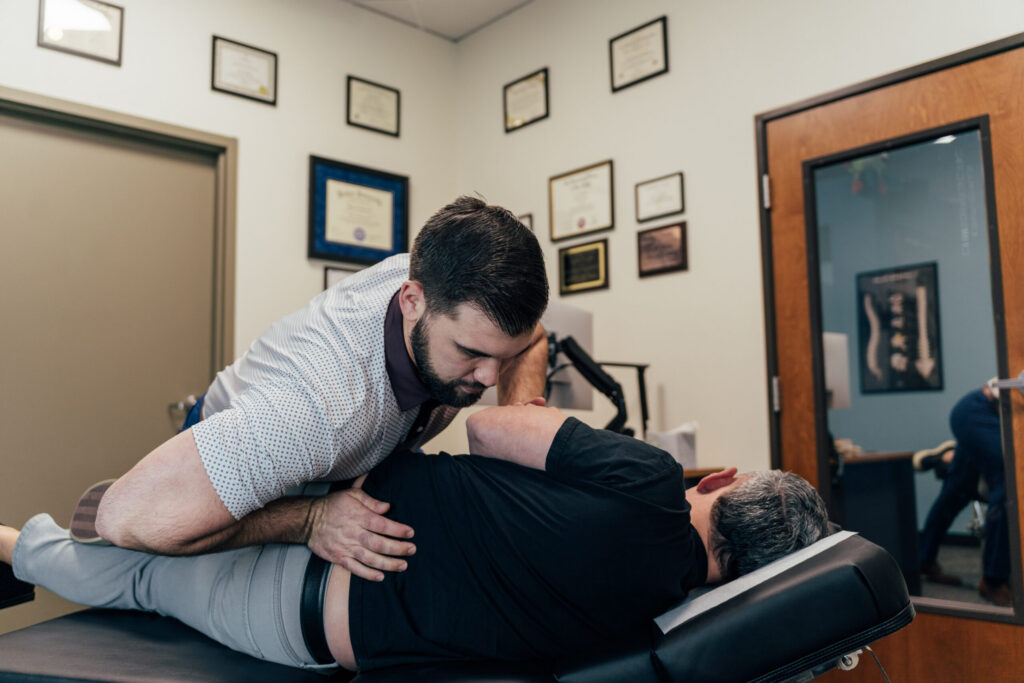

If you're looking to boost your flexibility, you've come to the right place. It's not just about being able to touch your toes; increased flexibility can enhance your overall performance and reduce the risk of injuries. You'll want to start with a balanced approach, incorporating both dynamic and static stretching techniques into your routine. But what are the specific methods that can yield the best results for you? Understanding the nuances of each technique can make a significant difference in your progress. Let's explore these strategies further.
Understanding Flexibility
Flexibility refers to the range of motion in your joints and muscles, and it plays a vital role in your overall physical health. Understanding flexibility is important for anyone looking to improve their fitness routine or simply maintain a healthy lifestyle.
When you think about flexibility, consider it as the ability of your muscles and tendons to stretch and lengthen, allowing for better movement. It's not just about being able to do the splits; flexibility impacts everyday activities, from bending down to tie your shoes to reaching for something on a high shelf.
You can measure flexibility in various ways, including static and dynamic assessments. Static flexibility involves holding a stretch for a certain period, while dynamic flexibility refers to how well you can move your joints through their full range of motion during activities.
Factors such as age, gender, and activity level can influence your flexibility, so it's important to recognize where you currently stand.
Incorporating flexibility training into your routine can enhance your overall fitness. Stretching exercises like yoga or targeted mobility drills can help increase your range of motion, making movements easier and more fluid.
You'll notice that as your flexibility improves, you may also reduce the risk of injuries, as well as alleviate muscle tension and stiffness.
Benefits of Increased Flexibility
Improving your flexibility can open up a world of physical benefits that enhance your daily life and fitness performance. Increased flexibility allows your muscles and joints to move more freely, reducing the risk of injuries during activities. When you can stretch your muscles and tendons more effectively, you'll notice improved range of motion, which can make everyday tasks, like bending down or reaching up, feel easier and more comfortable.
Another significant advantage of enhanced flexibility is better posture. Tight muscles can lead to imbalances that contribute to poor posture, which can result in discomfort, strain, and pain. By incorporating flexibility exercises into your routine, you can alleviate tension and promote better alignment, leading to a more confident stance and reduced back pain.
Additionally, improved flexibility can boost your athletic performance. Whether you're running, cycling, or practicing yoga, being more flexible allows you to execute movements with greater efficiency and power. This can translate into faster times, increased strength, and a more enjoyable workout experience.
Finally, let's not forget about the mental benefits. Stretching can serve as a form of mindfulness, helping you to destress and focus on the present moment. This can improve your overall well-being and make your fitness journey more enjoyable.
Dynamic Stretching Techniques
Dynamic stretching is a fantastic way to enhance your flexibility and prepare your body for activity.
By incorporating effective warm-up routines, you can greatly improve your performance and reduce the risk of injury.
Let's explore some key techniques you should master to get the most out of your dynamic stretching.
Benefits of Dynamic Stretching
Many athletes and fitness enthusiasts find that incorporating dynamic stretching into their routine offers significant benefits. One of the primary advantages is improved range of motion. Unlike static stretching, dynamic stretches engage your muscles through movement, helping to increase flexibility and mobility in a functional way. This prepares your body for physical activity and can enhance your overall performance.
Additionally, dynamic stretching elevates your heart rate and increases blood flow to your muscles. This warm-up effect not only primes your body for exercise but also reduces the risk of injury. When your muscles are warmed up and your joints are more mobile, you're less likely to strain or pull something during workouts.
Dynamic stretching also helps improve coordination and balance. As you perform various movements, you're training your body to work together more efficiently, which can be a game changer for sports and physical activities.
Plus, it's an excellent way to focus your mind and get into the right mindset for your workout.
Effective Warm-Up Routines
A solid warm-up routine can set the tone for a successful workout, and incorporating effective dynamic stretching techniques is key. These techniques not only prepare your muscles but also enhance your range of motion and reduce injury risks.
Begin with movements that mimic your workout's activities, like leg swings or arm circles, to get your blood flowing. Start with a light jog or brisk walk for about five minutes. This elevates your heart rate and warms up your muscles.
Then, move into dynamic stretches. Try lunges with a twist to engage your core and hip flexors. Perform high knees to activate your quadriceps and calves, and include butt kicks to stretch your hamstrings dynamically.
Aim for 30 seconds to a minute on each exercise, ensuring you maintain a steady rhythm. Remember, the goal is to keep your movements fluid and controlled to maximize flexibility.
Finish your warm-up with some dynamic side lunges to target your inner thighs and glutes. By following these steps, you'll effectively prepare your body for the workout ahead, making it easier to reach your flexibility goals.
Key Techniques to Master
To effectively enhance your flexibility, mastering key dynamic stretching techniques is essential. These movements prepare your muscles for activity and help improve your range of motion.
Start with leg swings: hold onto a wall or sturdy surface, swing one leg forward and backward, then switch sides. This exercise loosens your hip flexors and hamstrings.
Next, incorporate arm circles. Extend your arms out to the sides and make small circles, gradually increasing the size. This warms up your shoulders and upper body.
Try walking lunges too—step forward into a lunge, ensuring your knee doesn't extend past your toes. This stretch engages your hip flexors and quadriceps.
Don't forget about high knees! Jog in place while bringing your knees up toward your chest. This movement increases your heart rate and activates your leg muscles.
Finally, include torso twists—stand with your feet shoulder-width apart and twist your upper body side-to-side. This helps improve spinal mobility.
Practice these dynamic stretches regularly to boost your flexibility and performance. Remember, consistency is key, so integrate these techniques into your warm-up routines before workouts for best results.
Static Stretching Practices
Static stretching practices are essential for anyone looking to enhance their flexibility and improve overall range of motion. These stretches involve holding a position for a specific duration, allowing your muscles to lengthen and relax. They're best performed after a workout when your muscles are warm, or during a dedicated flexibility session.
Here's how you can incorporate static stretches into your routine effectively:
- Focus on major muscle groups: Target areas like your hamstrings, quadriceps, hip flexors, and shoulders. This guarantees you're working on the muscles that often need the most attention.
- Hold each stretch for 15-30 seconds: You want to give your muscles enough time to relax into the stretch. Avoid bouncing or forcing the stretch; this can lead to injury. Instead, breathe deeply and allow your body to ease into the position.
- Repeat 2-3 times: Consistency is key. Repeating each stretch multiple times helps deepen the stretch and improve your flexibility over time.
Remember to listen to your body; if a stretch feels painful, ease off.
Incorporating these static stretches into your routine won't only boost your flexibility but also promote relaxation and reduce muscle tension. Make it a habit to include these stretches, and you'll notice a significant improvement in your range of motion in no time!
Incorporating Yoga Into Your Routine
Incorporating yoga into your daily routine can greatly enhance your flexibility.
By practicing basic yoga poses regularly, you'll notice improvements in both your physical and mental well-being.
Let's explore some effective tips to make yoga a seamless part of your life.
Basic Yoga Poses
Many people find that adding basic yoga poses to their routine can greatly enhance flexibility and overall well-being.
By incorporating these simple poses, you can improve your body's range of motion and reduce tension.
Here are three essential poses to get started:
- Downward-Facing Dog: This pose stretches your hamstrings, calves, and shoulders while strengthening your arms and legs. Start on your hands and knees, lift your hips up, and straighten your legs.
- Cat-Cow Stretch: This dynamic pose helps to mobilize your spine and relieve back tension. Begin on all fours, alternate between arching your back (cat) and sinking your belly while lifting your head (cow).
- Child's Pose: This resting pose gently stretches your hips, thighs, and back. Sit back on your heels, extend your arms forward, and lower your forehead to the ground.
Integrating these basic poses into your routine can help you feel more limber and relaxed.
You don't need much time—just a few minutes each day can make a big difference in your flexibility journey.
Daily Practice Tips
Making yoga a daily habit can greatly enhance your flexibility and overall health. To incorporate yoga into your routine, start small. Dedicate just ten minutes each morning or evening to a few simple poses. You'll find that consistency is key.
Create a designated space where you can practice without distractions; this helps to establish a positive environment.
Next, consider using online resources or apps to guide your sessions. Many offer structured routines tailored to different levels, making it easier to stay engaged. Don't hesitate to explore various styles to see what resonates with you—hatha, vinyasa, or yin yoga, for instance.
Set realistic goals. Aim for gradual improvement rather than perfection. Listen to your body; if a pose feels uncomfortable, adjust or skip it. You'll build flexibility over time, so celebrate your progress along the way.
Finally, try incorporating breathing exercises. Focusing on your breath helps deepen stretches and enhances relaxation. As you grow more comfortable, challenge yourself by adding new poses or extending your practice. Doing so will keep your routine fresh and exciting, ultimately leading to greater flexibility and well-being.
Warm-Up and Cool-Down Importance
Your body deserves the best care, especially when it comes to flexibility training. One of the key elements to guaranteeing a safe and effective routine is the warm-up and cool-down. These practices aren't just optional; they're essential for enhancing your performance and preventing injuries.
Warming up increases your blood flow, raises your body temperature, and prepares your muscles and joints for the demands of stretching and movement. It's your opportunity to mentally gear up for the session ahead.
Likewise, cooling down helps your body shift back to a resting state, allowing your heart rate to gradually decrease and reducing muscle soreness.
Here are three reasons why you should prioritize warm-ups and cool-downs in your flexibility training:
- Injury Prevention: Warming up helps to prepare your muscles and joints, reducing the risk of strains and sprains.
- Improved Performance: A proper warm-up enhances your range of motion, enabling you to stretch more effectively and maximize your flexibility gains.
- Faster Recovery: Cooling down helps to flush out toxins and reduces muscle stiffness, speeding up your recovery time.
Incorporating these practices into your routine makes a significant difference in your flexibility journey.
Tips for Staying Consistent
Staying consistent with your flexibility training is essential for seeing real progress over time. To achieve this, you need to create a flexible schedule that fits your lifestyle. Set specific days and times for your training sessions, and treat them like appointments you can't miss. Consistency is all about habit, so finding a time that works for you is key.
Next, start small and gradually increase the intensity of your sessions. This way, you won't feel overwhelmed, and you'll be more likely to stick with it. Aim for just 10-15 minutes a day, and as you become more comfortable, you can extend your sessions. Remember, every little bit counts.
You should also track your progress. Keeping a journal or using an app allows you to see how far you've come and stays motivated. Celebrate small victories, whether it's reaching a new stretch or simply completing your sessions consistently.
Another effective tip is to incorporate variety into your routine. Mix up your stretches, try yoga or Pilates, or join a class. Variety keeps things interesting and can prevent you from losing motivation.
Lastly, find a workout buddy or a community that shares your goals. Training with someone else not only holds you accountable but also makes the process more enjoyable.
With these strategies, you'll find it easier to stay consistent and watch your flexibility flourish.
Conclusion
Incorporating these flexibility-boosting techniques into your routine can lead to lasting improvements and a healthier body. Remember to warm up properly, mix dynamic and static stretches, and explore yoga for added benefits. Stay consistent and track your progress to keep motivated. Flexibility isn't just about stretching; it's about enhancing your overall performance and well-being. So, commit to your practice, listen to your body, and enjoy the journey towards greater flexibility!