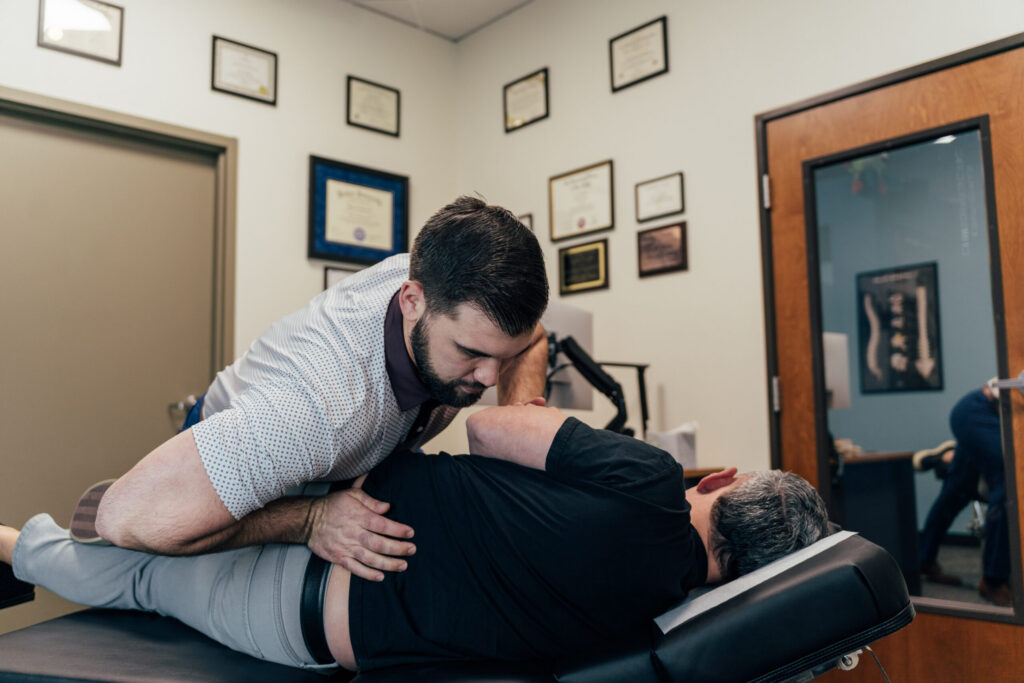

As a local chiropractor, I often see patients who are struggling with back pain, and more often than not, this discomfort is linked to poor posture. When your body is not properly aligned, it can lead to significant discomfort and even long-term health problems. The good news is that there are effective techniques you can use to improve your posture and relieve that nagging pain.
One of the foundational steps is strengthening your core muscles. A strong core supports your spine and helps maintain proper alignment. Additionally, creating an ergonomic workspace is crucial. Whether you’re working from home or in an office, making adjustments to your chair height and desk setup can greatly reduce strain on your back.
These strategies, along with other simple adjustments, can have a profound impact on your daily life. By focusing on your posture, you can not only alleviate pain but also enhance your overall well-being. If you’re curious about how chiropractic care can support you in this journey, I encourage you to reach out and learn more. Together, we can work towards a healthier, pain-free future.
Strengthening Core Muscles
As a local chiropractor, I want to emphasize the importance of strengthening your core muscles for better posture and relief from back pain. Many people think of core strength as just having strong abs, but it’s so much more than that. Your core includes essential muscles in your back, hips, and pelvis.
When these muscles are robust and well-balanced, they provide crucial support for your spine, helping you to maintain an upright posture throughout your daily activities.
To begin your journey towards a stronger core, I recommend incorporating exercises such as planks, bridges, and bird-dogs into your weekly routine. These exercises engage various muscle groups, which is vital for promoting stability and overall strength.
For optimal results, aim to practice these exercises three to four times a week. You don’t need any special equipment; often, your body weight will suffice to build strength.
As you become more consistent, you should notice improvements in your posture, which can make everyday tasks much more comfortable.
It’s essential to pay close attention to your form while performing these exercises to avoid injuries and maximize the benefits.
Remember, strengthening your core is a gradual process, but with dedication, you’ll likely experience a significant reduction in back pain and an enhancement in your overall well-being.
If you have any questions or need guidance on these exercises, don’t hesitate to reach out. Your health and comfort are my top priorities!
Ergonomic Workspace Setup
As a local chiropractor, I want to share with you how crucial it’s to establish an ergonomic workspace that supports your overall health, especially if you’re working on building core strength. The way you set up your workspace can significantly impact your posture and spinal health.
First, let’s talk about your chair. It’s essential to adjust it so that your feet rest flat on the floor and your knees sit slightly lower than your hips. A chair with proper lumbar support is vital, as it helps maintain the natural curve of your spine, which is key to preventing discomfort and injury.
Next, your desk height is important. It should be at elbow level, allowing your forearms to lie comfortably parallel to the ground. This positioning helps to reduce strain on your shoulders and neck.
Speaking of neck strain, your monitor should be positioned at eye level and about an arm’s length away. This will help you avoid hunching over or craning your neck, which can lead to chronic pain. If you’re using a laptop, I recommend investing in a stand, as well as an external keyboard and mouse, to promote better alignment.
Another tip is to keep items you use frequently within arm’s reach. This minimizes unnecessary stretching and helps you maintain your posture throughout the day.
Lastly, remember to take regular breaks! Stand up, stretch, and walk around every so often. This practice not only keeps your body engaged but also reduces stiffness and discomfort.
Mindful Sitting Techniques
As a chiropractor, I want to share some mindful sitting techniques that can greatly enhance your well-being, especially if you’re not familiar with chiropractic care and the benefits of natural healing.
To start, it’s essential to become aware of how your body feels while seated. Before you sit down, take a moment to assess your posture. Aim to keep your back straight, shoulders relaxed, and feet flat on the ground.
When you’re seated, direct your focus to your breathing; practice taking deep inhales followed by slow exhales. This simple act not only helps you stay present but also alleviates tension in your body.
I encourage you to take micro-breaks periodically throughout your sitting session. Use these moments to reassess your position—shift your weight from side to side and adjust the height of your chair if it doesn’t feel right.
Engaging your core muscles is vital for supporting your spine properly. You can visualize a gentle string pulling the top of your head upward, which can help in lengthening your spine and promoting good posture.
Additionally, it’s beneficial to minimize distractions such as phone notifications or background noise. By fostering a calm environment, you can enhance your focus and maintain awareness of your posture.
Mindful sitting practices can significantly reduce back pain and contribute to your overall health and well-being. By incorporating these techniques, you may find that your body feels better and your chiropractic care can be even more effective.
Stretching and Flexibility Exercises
As a local chiropractor dedicated to helping patients understand the benefits of natural healing, I want to share some valuable information about incorporating stretching and flexibility exercises into your daily routine.
These practices can significantly alleviate back pain and enhance your overall posture.
Let’s start with the cat-cow stretch. This exercise is beneficial for mobilizing your spine and relieving built-up tension. To perform it, get on all fours and alternate between arching your back as you inhale and rounding it as you exhale. This gentle movement encourages flexibility in your spinal column.
Next, consider the standing forward bend. Stand upright and hinge at your hips, allowing your torso to hang toward the ground. This position not only stretches your hamstrings but also targets your lower back, providing much-needed relief.
Lastly, I recommend the seated spinal twist. Sit cross-legged and place one hand behind you, then gently twist your torso toward that side. This exercise promotes spinal flexibility and can help alleviate tightness.
I encourage you to hold each stretch for 15-30 seconds and repeat them several times throughout your day.
By regularly practicing these exercises, you can enhance your flexibility, reduce discomfort, and maintain a healthier posture as you go about your daily activities.
Embracing these simple yet effective stretches is a great step toward achieving better spinal health and overall well-being.
Regular Movement Breaks
As a local chiropractor, I want to emphasize the importance of regular movement breaks for managing back pain and improving your posture. Many of my patients are surprised to learn that sitting for prolonged periods can lead to muscle tightness and weakness, which often contributes to discomfort and pain.
I recommend setting a timer to remind yourself to stand up and move every 30 to 60 minutes. This simple practice helps keep your body engaged and reduces strain on your back. During these breaks, consider incorporating activities like stretching, walking, or even doing a few squats. These movements can significantly increase blood flow and alleviate tension in your muscles, making a world of difference in how you feel.
Remember, you don’t need to spend a lot of time on these breaks; just a few minutes can refresh both your body and mind.
I also encourage you to think about using standing desks or active seating options, which can promote movement throughout your workday.
Prioritizing these regular movement breaks not only assists in pain management but also supports better posture, leading to a healthier back over time. By understanding and implementing these practices, you can take proactive steps toward your overall well-being and natural healing.
Conclusion
As a local chiropractor, I want to share with you five effective techniques that can significantly enhance your posture and help alleviate back pain. First, strengthening your core is crucial; it provides support for your spine and helps maintain proper alignment. Next, consider setting up an ergonomic workspace to ensure that your body is well-supported throughout your daily activities.
Additionally, I encourage you to practice mindful sitting—paying attention to how you sit can prevent strain on your back. Incorporating regular stretching exercises into your routine can also relieve tightness and improve flexibility. Lastly, remember to take regular movement breaks throughout your day; this can greatly reduce stiffness and promote better circulation.
Start implementing these changes today, and you may notice a significant improvement in your comfort and overall well-being. Remember, even small adjustments can have a profound impact on your back health and your quality of life. Don’t hesitate—let’s take action together for a healthier tomorrow!