

If you’ve ever been told you have degenerative disc disease, you may have walked out of a doctor’s office feeling more confused and worried than when you walked in. The name alone sounds alarming — but here’s the truth: degenerative disc disease is incredibly common, it’s manageable, and in many cases, the right care can help you feel significantly better. Here in Castle Hills, TX, many patients come through the doors of Castle Hills Chiropractic carrying that same mix of concern and uncertainty. Dr. Brent Johnson and the team want you to know that understanding your condition is the first step toward reclaiming your quality of life.
What Is Degenerative Disc Disease?
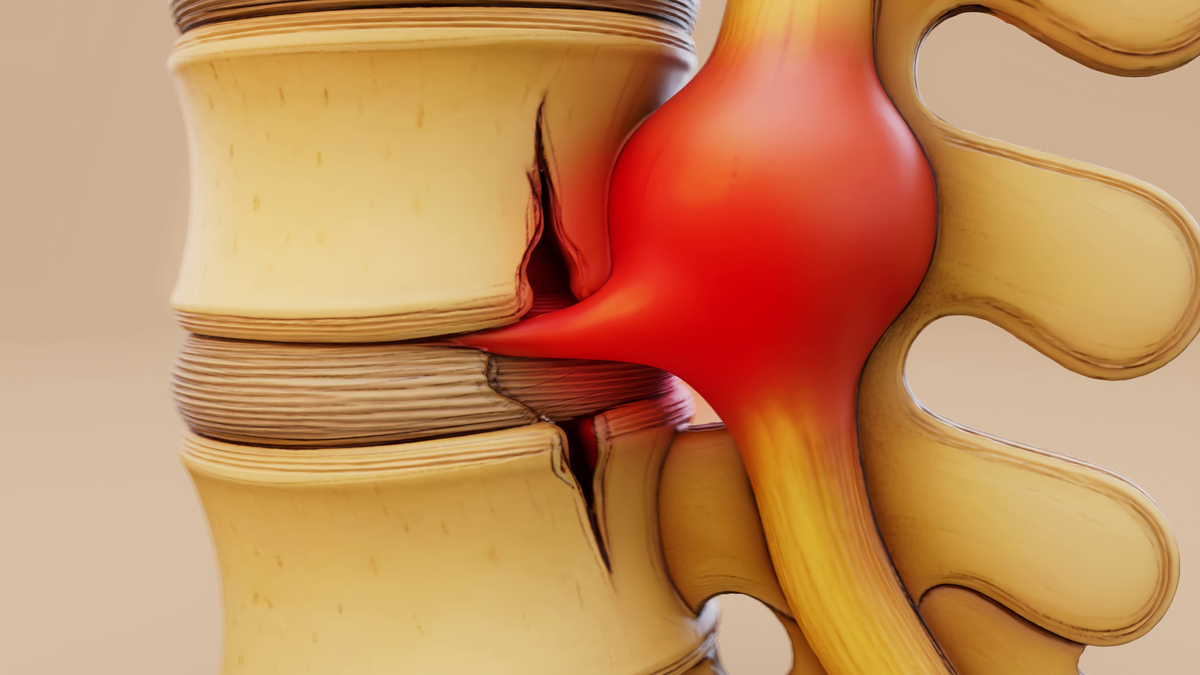
Degenerative disc disease (DDD) is not actually a disease in the traditional sense — it’s a condition that describes the natural breakdown of the intervertebral discs in your spine over time. These discs act as cushions between the bones of your spine, absorbing shock and allowing movement. When they begin to lose hydration, height, and flexibility, they can cause pain, stiffness, and sometimes nerve-related symptoms. It’s more accurate to think of it as a wear-and-tear process that can affect people at different ages and stages of life.
What Causes Degenerative Disc Disease?
The intervertebral discs in your spine are made up of a tough outer layer called the annulus fibrosus and a soft, gel-like center called the nucleus pulposus. When you’re young, these discs are well-hydrated and resilient. As you age, they naturally begin to dry out and lose some of their cushioning ability. But aging alone isn’t always the full story.
Several factors can accelerate disc degeneration beyond what’s considered normal for your age. Genetics play a meaningful role — if your parents struggled with disc problems, you may be at higher risk. Repetitive physical stress from heavy labor, frequent lifting, or high-impact activities can wear discs down faster over time. On the flip side, a sedentary lifestyle and prolonged sitting — something many of us here in Castle Hills, TX are guilty of due to desk-based work — can also contribute to poor disc health by reducing the flow of nutrients into the disc tissue.
Smoking has been consistently linked to accelerated disc degeneration, as it impairs blood flow and nutrient delivery to spinal tissues. Excess body weight puts additional mechanical stress on the lumbar spine in particular. Previous spinal injuries, even minor ones that weren’t properly rehabilitated, can also set the stage for premature degeneration down the road.
Signs & Symptoms to Watch For
Degenerative disc disease doesn’t look the same in everyone. Some people have significant disc degeneration on imaging but experience little to no pain. Others with moderate degeneration can experience significant discomfort that affects their daily life. This variability can make the condition feel unpredictable — but understanding the common patterns helps.
The most common symptom is chronic low back pain or neck pain that tends to be dull and achy rather than sharp. This pain often worsens with prolonged sitting, bending, or twisting. You might notice that your pain fluctuates — some days are manageable, others are more challenging. Stiffness in the morning or after long periods of inactivity is also a hallmark of disc-related issues.
When a degenerated disc begins to affect nearby nerves, you may notice symptoms that extend beyond the spine itself. Radiating pain, numbness, or tingling down the arm (if the cervical spine is involved) or down the leg toward the foot (if the lumbar spine is involved) can indicate nerve involvement. This is sometimes referred to as radiculopathy, and it warrants careful evaluation. Dr. Brent Johnson at Castle Hills Chiropractic is experienced in assessing these patterns and determining the most appropriate course of care.
How Degenerative Disc Disease Affects Your Spine and Nervous System
To understand why degenerative disc disease can create such a wide range of symptoms, it helps to think about what the spine is actually doing. Your spinal column houses and protects the spinal cord, which is the main communication highway between your brain and the rest of your body. Running off the spinal cord are nerve roots that exit through small openings between the vertebrae called foramina.
When a disc loses height due to degeneration, the space through which those nerve roots travel can narrow. This is called foraminal stenosis, and it can lead to nerve irritation or compression. Additionally, as the disc degenerates, the surrounding vertebrae may develop bony outgrowths called osteophytes — commonly known as bone spurs — as the body attempts to stabilize the spine. These bone spurs can also narrow nerve channels and contribute to pain and dysfunction.
The muscles surrounding a degenerated spinal segment often become chronically tense as a protective mechanism. This muscular guarding can itself become a significant source of pain and stiffness, creating a cycle where the disc problem leads to muscle tension, which leads to restricted movement, which further stresses the disc. Breaking that cycle is a central goal of conservative care at Castle Hills Chiropractic.
How Chiropractic Care Fits Into Your Recovery
Chiropractic care is widely recognized as a valuable conservative, non-surgical option for managing degenerative disc disease. The American College of Physicians (ACP) and other major health organizations recommend non-invasive, drug-free therapies as a first line of care for chronic spinal pain conditions — and chiropractic fits squarely within that framework.
At Castle Hills Chiropractic, Dr. Brent Johnson takes a thorough, individualized approach to evaluating each patient. Before any care begins, he conducts a detailed assessment that considers your history, your symptoms, your lifestyle, and any imaging that may be available. This allows him to understand not just where your pain is coming from, but why it’s happening and what factors might be making it worse.
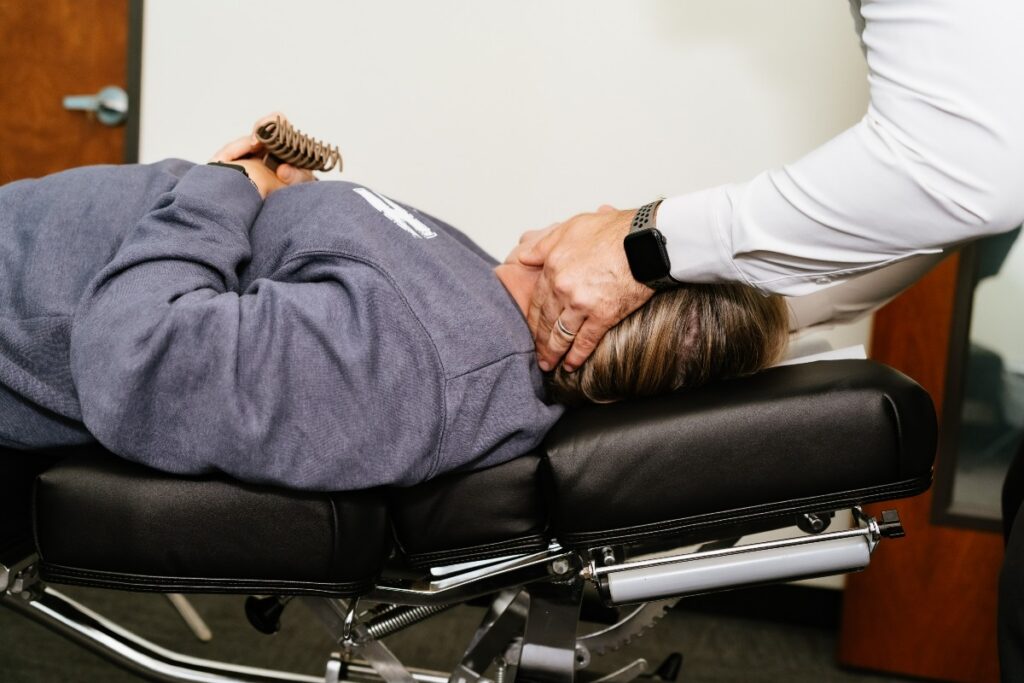
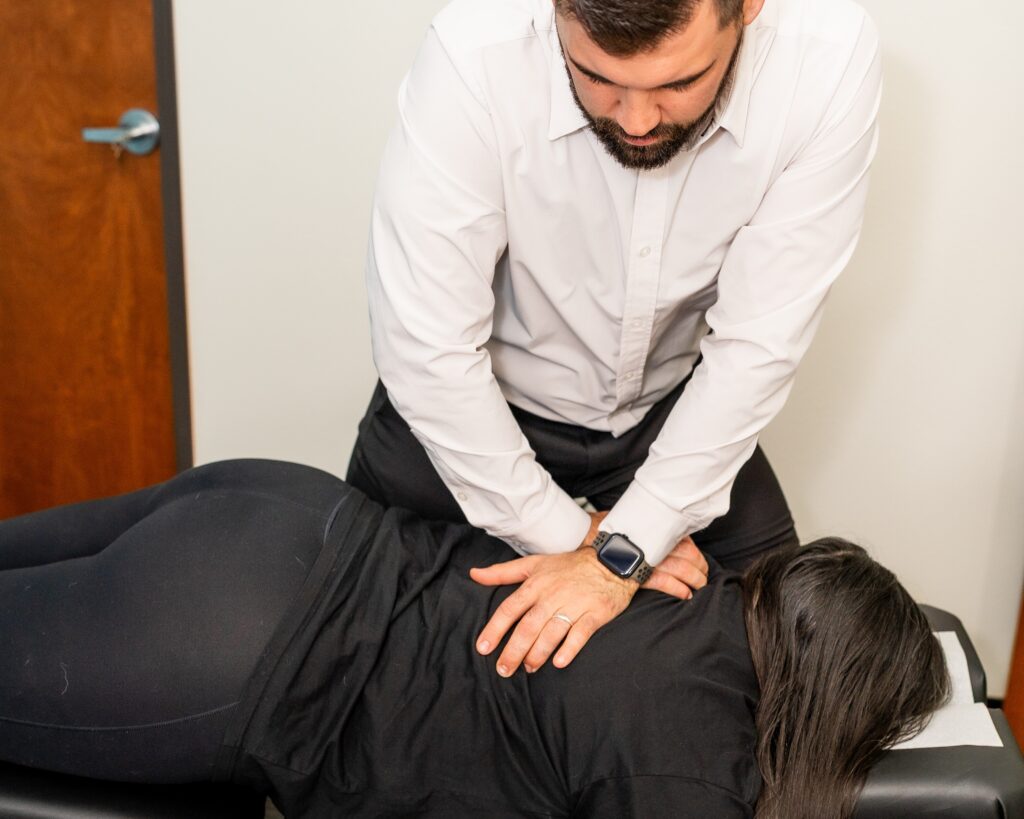
Chiropractic adjustments — sometimes called spinal manipulation — involve gentle, controlled movements applied to specific spinal joints. Research published in peer-reviewed journals, including the Spine Journal, suggests that spinal manipulation can help reduce pain, improve range of motion, and support function in people with disc-related conditions. The goal is not to reverse the degeneration itself, but to restore better movement, reduce nerve irritation, relax surrounding musculature, and help your body function more optimally.
Beyond adjustments, care at Castle Hills Chiropractic may include soft tissue therapies to address muscle tension, guidance on therapeutic exercises and movement strategies, and education about posture and ergonomics. This comprehensive approach recognizes that managing degenerative disc disease is an ongoing process, not a one-time fix.
Practical Tips for Managing and Preventing Disc Injuries
There’s a lot you can do on your own to support disc health and reduce your risk of flare-ups. These recommendations are safe, practical, and align well with the guidance offered at Castle Hills Chiropractic in Castle Hills, TX.
Movement is medicine. One of the most important things you can do for your discs is to move regularly. Discs don’t have a direct blood supply — they receive nutrients through a process of compression and decompression that happens with movement. Prolonged static postures, especially long periods of sitting, deprive discs of this nutrient exchange. If you work at a desk, aim to stand and move for a few minutes every 30 to 45 minutes.
Core strength matters more than you might think. Your deep core muscles — particularly those that wrap around and support the lumbar spine — act as a natural brace for your discs. Gentle, consistent core strengthening exercises can meaningfully reduce the load placed on degenerating discs. Dr. Brent Johnson can help guide you toward exercises that are appropriate for your specific situation.
Pay attention to how you lift. Bending at the waist and lifting with your back puts enormous stress on the lumbar discs. Instead, practice bending at the hips and knees, keeping the load close to your body. This simple habit change can protect your discs from unnecessary strain over time.
Stay hydrated and maintain a healthy weight. Disc tissue is largely composed of water, and staying well-hydrated supports disc resilience. Carrying excess body weight — particularly around the midsection — increases the compressive forces on your lumbar discs with every step you take. Even modest reductions in body weight can reduce spinal load meaningfully.
When to See a Chiropractor for Disc Problems
You don’t need to be in severe pain to benefit from a chiropractic evaluation. Many patients at Castle Hills Chiropractic come in with low-grade, persistent discomfort that they’ve been tolerating for months or years — and they’re often surprised by how much improvement is possible with the right care.
That said, there are specific signs that suggest it’s time to stop waiting and seek evaluation. If you experience back or neck pain that has lasted more than a few weeks, if pain is affecting your sleep or ability to work, or if you’re noticing numbness, tingling, or weakness in your arms or legs, these are all good reasons to be assessed by Dr. Brent Johnson at Castle Hills Chiropractic.
Some symptoms, however, require immediate medical attention rather than a chiropractic visit. If you experience sudden loss of bladder or bowel control alongside back pain, or if you develop significant leg weakness that comes on rapidly, go to an emergency room or call your physician immediately. These can be signs of serious nerve compression that require urgent medical care. Dr. Brent Johnson is always willing to coordinate with other healthcare providers when a patient’s needs go beyond the scope of chiropractic care.
Treatment Approaches at a Glance
|
Approach |
What It Involves |
Best Suited For |
Considerations |
|---|---|---|---|
|
Chiropractic Care |
Spinal adjustments, soft tissue therapy, movement guidance |
Chronic disc pain, reduced mobility, nerve irritation |
Non-invasive, drug-free, individualized |
|
Physical Therapy |
Targeted exercises, stretching, functional movement training |
Strengthening weak supporting muscles |
Often works well alongside chiropractic care |
|
Pain Medication |
NSAIDs, muscle relaxants, or prescription pain relief |
Short-term symptom management |
Does not address root biomechanical cause |
|
Epidural Steroid Injections |
Cortisone injected near the affected nerve root |
Significant nerve pain, short-term relief |
Temporary relief; does not halt degeneration |
|
Surgery |
Disc removal, fusion, or artificial disc replacement |
Severe cases with significant neurological compromise |
Invasive; typically a last resort after conservative care |
Myths vs. Facts About Degenerative Disc Disease
Myth: Degenerative disc disease means your spine is falling apart.
Fact: The term “disease” is misleading. Disc degeneration is a natural part of aging for most people, much like gray hair or wrinkles. Many individuals with significant disc degeneration on MRI live active, pain-free lives. A diagnosis does not mean your spine is in crisis or that surgery is inevitable.
Myth: Rest is the best treatment for degenerative disc disease.
Fact: Extended bed rest is actually counterproductive for most disc conditions. Since discs rely on movement to receive nutrients, prolonged inactivity can worsen the problem over time. Gentle, consistent movement — guided by a qualified chiropractor like Dr. Brent Johnson — is generally far more beneficial than rest alone.
Myth: Once a disc degenerates, there’s nothing you can do.
Fact: While the degenerative changes in a disc cannot be fully reversed, the symptoms associated with degenerative disc disease are often very manageable. Conservative care including chiropractic treatment, exercise, and lifestyle modification has been shown to significantly reduce pain and improve function for many patients.
Myth: Only older people get degenerative disc disease.
Fact: Although disc degeneration becomes more common with age, it can affect people in their 30s and 40s, and sometimes even younger. Genetic predisposition, lifestyle factors, prior injuries, and occupational demands can accelerate disc breakdown well before the senior years.
Myth: Surgery is usually required for degenerative disc disease.
Fact: The vast majority of people with degenerative disc disease never require surgery. Major health guidelines, including those from the American College of Physicians, recommend conservative, non-invasive care as the first-line approach for most spinal pain conditions. Surgery is generally reserved for cases with severe neurological compromise that does not respond to conservative treatment.
Final Thoughts from Castle Hills Chiropractic
Living with degenerative disc disease can feel discouraging, especially when pain starts to interfere with the activities and people you love. But here in Castle Hills, TX, you don’t have to navigate this alone or accept chronic pain as simply your new normal. At Castle Hills Chiropractic, Dr. Brent Johnson is committed to helping patients understand what’s happening in their bodies and empowering them with real, evidence-informed options for feeling better.
Whether you’re newly diagnosed, managing long-standing disc pain, or simply looking to protect your spinal health as you age, chiropractic care can play a meaningful role in your overall wellness strategy. The team at Castle Hills Chiropractic is here to provide the kind of personalized, compassionate care that this community deserves — because your spine works hard for you every single day, and it’s worth taking care of.
Frequently Asked Questions
Can degenerative disc disease be cured?
Degenerative disc disease cannot be “cured” in the sense that the structural changes within the disc cannot be fully reversed. However, the pain and functional limitations associated with the condition are often very manageable with the right conservative care, including chiropractic treatment, exercise, and lifestyle adjustments.
Is chiropractic care safe for degenerative disc disease?
For most patients, chiropractic care is considered a safe and effective conservative option for disc-related pain. Dr. Brent Johnson at Castle Hills Chiropractic conducts a thorough evaluation before any treatment begins to ensure that the approach is appropriate for each individual’s specific condition and health history.
How long does it take to see improvement with chiropractic care for disc disease?
This varies depending on the severity of the condition, how long symptoms have been present, and individual health factors. Some patients notice improvement within a few visits, while others benefit from a longer course of care. Dr. Brent Johnson will discuss realistic expectations with you based on your specific situation.
What’s the difference between a herniated disc and degenerative disc disease?
Degenerative disc disease refers to the general breakdown of disc tissue over time. A herniated disc occurs when the inner material of the disc pushes through a crack in the outer layer, often irritating nearby nerves. The two conditions can occur together, and degenerative disc disease can sometimes increase the risk of herniation.
Can I exercise with degenerative disc disease?
Yes — in fact, appropriate exercise is strongly encouraged. Low-impact activities like walking, swimming, and targeted core strengthening are generally beneficial. It’s important to work with a qualified professional, like Dr. Brent Johnson, to identify exercises that support your spine without aggravating your specific condition.
Will my degenerative disc disease get worse over time?
Disc degeneration does tend to progress to some degree as part of the aging process. However, many people find that their symptoms stabilize or even improve with consistent conservative care, movement, and healthy lifestyle habits. Proactive management makes a meaningful difference in long-term outcomes.
TL;DR Summary
-
Degenerative disc disease is a common, natural wear-and-tear condition of the spinal discs — not a catastrophic disease — and symptoms are often manageable with conservative care.
-
Contributing factors include aging, genetics, smoking, excess weight, sedentary lifestyle, and previous spinal injuries.
-
Chiropractic care, including spinal adjustments and soft tissue therapy, is a non-invasive, drug-free option supported by major health guidelines for managing disc-related pain.
-
Regular movement, core strengthening, proper lifting mechanics, and hydration are practical steps anyone can take to support disc health.
-
Dr. Brent Johnson at Castle Hills Chiropractic in Castle Hills, TX is available to evaluate your symptoms and help you build a personalized plan for managing and preventing disc injuries.