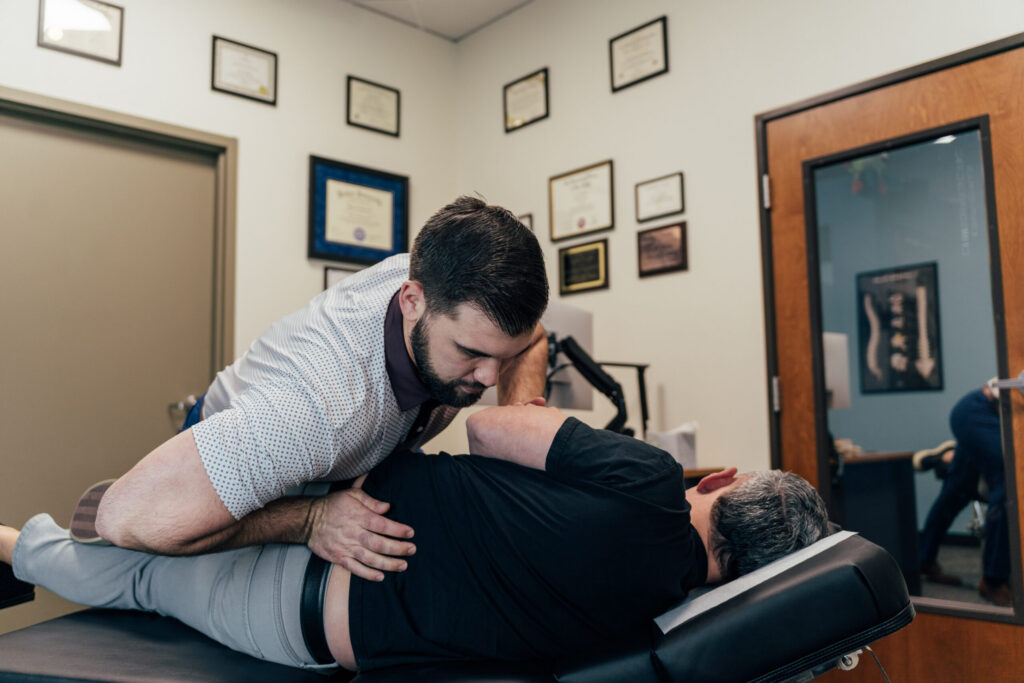


Pregnancy is one of the most beautiful and transformative experiences a woman can go through — but let’s be honest, it can also be incredibly uncomfortable. One of the most common complaints we hear from expecting moms here in Castle Hills, TX is hip pain. It can show up early in the first trimester or hit hard in the later months, and for many women, it makes everyday activities like walking, sleeping, and even sitting feel like a real challenge. The good news is that you don’t have to just push through it. Hip pain in pregnancy is something that chiropractic care can genuinely help address, and at Castle Hills Chiropractic, Dr. Brent Johnson works with moms-to-be every week to support a more comfortable, healthy pregnancy.
What Is Hip Pain in Pregnancy?
Hip pain in pregnancy is discomfort, aching, or sharp pain felt in and around the hip joints, pelvis, or surrounding muscles during any stage of pregnancy. It can range from mild soreness to significant pain that disrupts sleep and daily movement. This type of pain is common, with many pregnant women experiencing it at some point during their pregnancy, and it is often related to the physical and hormonal changes happening in the body.
What We’ll Cover in This Article
Why Do Hips Hurt During Pregnancy?
Your body goes through a remarkable series of changes during pregnancy, and your musculoskeletal system is at the center of many of them. From the very early stages, your body begins producing a hormone called relaxin. This hormone softens and loosens the ligaments throughout your body — particularly in the pelvis — to prepare for childbirth. While this is a completely natural and necessary process, it can also leave the hip joints feeling unstable, achy, or sore.
As your baby grows, your center of gravity shifts forward. This shifts the way weight is distributed through your spine, pelvis, and hips, creating new mechanical stress on joints that weren’t used to carrying weight that way. Your posture adapts — often by arching the lower back more than usual and leaning the hips forward — and this compensatory positioning can create tension, inflammation, and pain in the hip region.
On top of all that, the growing uterus can place pressure on surrounding nerves and muscles, and the simple act of sleeping on your side night after night can strain the hips and sacroiliac joints. By the third trimester especially, many women here in Castle Hills find that hip pain is waking them up at night and making it difficult to find a comfortable position. You’re not imagining it — your body is working incredibly hard, and the hips take a lot of the load.

Common Causes of Pregnancy Hip Pain
While the general changes of pregnancy set the stage for hip discomfort, there are several more specific causes worth understanding. Knowing what’s behind your pain can help you make smarter decisions about managing it.
Sacroiliac (SI) Joint Dysfunction is one of the leading culprits. The SI joints connect the base of your spine (the sacrum) to the hip bones on either side. Relaxin loosens the ligaments supporting these joints, and when they move unevenly or become irritated, the result is deep, aching pain in the low back and hips — often on one side more than the other. This is something Dr. Brent Johnson evaluates carefully during prenatal chiropractic consultations.
Round Ligament Pain can sometimes be felt around the hip area, though it originates from the ligaments supporting the uterus. It tends to cause sharp, sudden pain on one or both sides of the lower abdomen and into the groin or hip. Most often it’s triggered by quick movements, getting up from a sitting position, or sneezing.
Sciatica is another common cause of hip-area pain during pregnancy. The sciatic nerve runs from the lower spine through the buttocks and down the legs. When the growing uterus or a shifting pelvis puts pressure on this nerve, it can cause sharp, shooting, or burning sensations that travel from the low back through the hip and down the leg. Many patients come into Castle Hills Chiropractic thinking they have “just hip pain” when it turns out sciatica is involved.
Muscle Imbalances and Weakness also play a significant role. As the belly grows, the hip flexors can become overstretched and tight, while the glutes and core muscles weaken from being put on stretch. These imbalances place uneven stress on the hip joints and the surrounding structures, creating chronic discomfort that can worsen over time without proper care.
Signs and Symptoms to Watch For
Hip pain in pregnancy can show up in many different ways. Some women feel a deep, dull ache that sits in the outer hip or buttock. Others experience sharp pain that flares up with movement — especially rolling over in bed, climbing stairs, or getting in and out of a car. Pain that radiates into the groin, thigh, or down the leg may point toward SI joint involvement or sciatica.
You might also notice that your pain worsens after prolonged sitting, standing on one leg, or at night after a long day. A clicking or popping sensation in the hip or pelvis is also fairly common during pregnancy and is often related to the ligament laxity we mentioned earlier. In most cases, these symptoms are not dangerous — but they do deserve proper evaluation to understand what’s driving them.
Red flag symptoms that warrant prompt medical attention include severe pain that comes on suddenly, pain associated with bleeding, fever, or swelling, or pain that follows a fall or injury. If you experience any of these, please reach out to your OB or midwife right away, and let the team at Castle Hills Chiropractic know as well.
How Chiropractic Care Fits In
Many expecting moms are surprised to learn that chiropractic care is not only safe during pregnancy — it can be genuinely beneficial for managing hip and pelvic pain. Organizations like the American Pregnancy Association recognize chiropractic care as a valuable part of prenatal wellness, and research published in peer-reviewed journals suggests that chiropractic adjustments may help reduce low back and pelvic pain during pregnancy.
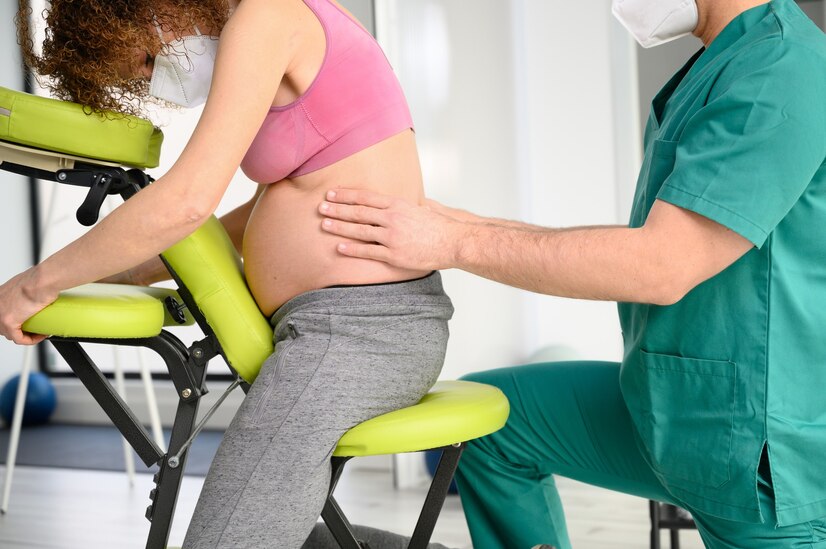
At Castle Hills Chiropractic, Dr. Brent Johnson uses a gentle, pregnancy-specific approach. The treatment room is equipped with special tables and positioning pillows that allow expecting moms to lie comfortably, even late in pregnancy. Adjustments are modified to avoid any pressure on the abdomen, and the overall approach is focused on restoring balance and alignment to the spine and pelvis without the use of drugs or surgery.
One of the key techniques used in prenatal chiropractic care is the Webster Technique, a specialized method developed specifically for pregnant patients. This approach focuses on reducing tension in the pelvic ligaments and muscles, improving sacroiliac joint alignment, and creating more balance in the pelvis overall. Many patients report significant relief in hip and pelvic discomfort after just a few sessions. Dr. Brent Johnson incorporates soft tissue work, gentle mobilization, and personalized home exercises alongside adjustments to give moms-to-be the most complete support possible.
The goal isn’t to replace your OB or midwife — it’s to work alongside your existing care team. Chiropractic care during pregnancy is about supporting your body’s natural process, improving your comfort, and helping you stay as active and functional as possible throughout your pregnancy journey.
Practical Tips for Managing Hip Pain at Home
While professional care is the most effective way to address pregnancy-related hip pain, there are several things you can do at home to find relief between visits. These simple strategies can make a meaningful difference in your day-to-day comfort.
Sleeping with a pillow between your knees while lying on your side helps keep your hips, pelvis, and spine in better alignment and can significantly reduce nighttime hip pain. A pregnancy pillow that supports the entire body can be a worthwhile investment, especially in the second and third trimesters. Try to alternate sides throughout the night to prevent one hip from taking all the pressure.
Staying mindful of how you move matters too. Avoid standing on one leg for extended periods, crossing your legs while sitting, or making sudden twisting movements. When getting out of bed or out of a car, move your knees and hips together rather than swinging one leg out at a time. These small adjustments in body mechanics can reduce SI joint irritation throughout the day.
Warm (not hot) water can be wonderfully soothing for achy hips. A warm shower aimed at the hips or a warm compress applied for 15-20 minutes can help relax tight muscles and ease discomfort. Gentle prenatal yoga and low-impact movement like walking or swimming can also help keep the hips mobile and the supporting muscles active — always check with your healthcare provider before starting any new exercise routine.
When to See a Chiropractor
If hip pain is interfering with your sleep, limiting your ability to walk comfortably, or making day-to-day tasks difficult, it’s a good time to seek chiropractic evaluation. You don’t have to wait until the pain is severe. Many patients here in Castle Hills, TX find that addressing discomfort early leads to faster and more lasting relief.
Chiropractic care during pregnancy is generally considered safe at all stages, though the approach is always tailored to how far along you are and your individual health history. Dr. Brent Johnson will perform a thorough assessment before recommending any course of care, and will coordinate with your OB or midwife as needed.
As a reminder, certain symptoms should always go to your medical provider first: heavy bleeding, severe abdominal pain, sudden intense headaches, vision changes, or signs of preterm labor. These are not situations for chiropractic care — they require immediate obstetric attention. Castle Hills Chiropractic is always happy to help you figure out who to contact if you’re unsure.
Hip Pain Triggers and What Helps
|
Common Trigger |
Why It Causes Pain |
What May Help |
|---|---|---|
|
Ligament laxity from relaxin |
SI joints and hip joints become less stable |
Chiropractic adjustments, pelvic stabilization exercises |
|
Shifting center of gravity |
Increased mechanical stress on hips and lower spine |
Postural awareness, pregnancy support belts, chiropractic care |
|
Sleeping on one side repeatedly |
Sustained pressure on hip joints and bursae |
Pillow between knees, alternating sides, pregnancy pillow |
|
Sciatic nerve compression |
Growing uterus or pelvic shift presses on the nerve |
Chiropractic adjustment, soft tissue therapy, stretching |
|
Muscle imbalances (tight hip flexors, weak glutes) |
Uneven forces on the hip joint and pelvis |
Gentle stretching, prenatal exercise, therapeutic massage |
|
Prolonged standing or sitting |
Static postures fatigue muscles and compress joints |
Frequent movement breaks, supportive footwear, ergonomic seating |
Myths vs. Facts About Chiropractic Care in Pregnancy
Myth: Chiropractic adjustments are dangerous during pregnancy.
Fact: When performed by a trained chiropractor using pregnancy-specific techniques, chiropractic adjustments are widely considered safe throughout all trimesters. Prenatal chiropractic care uses modified positions and gentle forces that protect both mother and baby. Dr. Brent Johnson is trained in pregnancy-safe techniques and tailors every session to the individual patient’s stage of pregnancy and comfort level.
Myth: Hip pain in pregnancy is just something you have to live with.
Fact: While some degree of discomfort is common during pregnancy, significant hip pain is not something you simply have to endure. Conservative care options — including chiropractic care, physical therapy, and targeted exercise — have been shown to help reduce pelvic and hip pain during pregnancy. You deserve support, and relief is often more attainable than people expect.
Myth: You should wait until after the baby is born to see a chiropractor.
Fact: Chiropractic care can be valuable both during and after pregnancy. Addressing hip and pelvic imbalances during pregnancy can support a more comfortable experience and may even help prepare the pelvis for labor and delivery. Postpartum care is equally important, but there’s no reason to wait and suffer in the meantime.
Myth: Chiropractic care only helps with back pain, not hip pain.
Fact: The spine, pelvis, and hips are deeply interconnected. Chiropractors are trained to evaluate and address the entire musculoskeletal system, including the sacroiliac joints, hip joints, and surrounding soft tissues. Many patients at Castle Hills Chiropractic experience meaningful relief from hip pain through chiropractic care that targets pelvic alignment and muscle balance.
Myth: Chiropractic care can harm the baby.
Fact: No pressure is applied to the abdomen during prenatal chiropractic care. The techniques used are gentle and specifically designed to avoid any stress to the growing baby. Many midwives and OBs work alongside chiropractors because they recognize the value of musculoskeletal support during pregnancy.
Final Thoughts from Castle Hills Chiropractic
Pregnancy is a time that deserves all the support and care you can give yourself. Hip pain doesn’t have to be the defining experience of your pregnancy — with the right guidance and care, many moms-to-be find genuine relief and go on to feel strong, comfortable, and confident heading into labor and delivery.
Here at Castle Hills Chiropractic in Castle Hills, TX, Dr. Brent Johnson genuinely enjoys supporting pregnant patients through every stage of their journey. The approach is always gentle, individualized, and built around what’s best for both mom and baby. If you’re dealing with hip pain, pelvic discomfort, sciatica, or just general achiness during your pregnancy, we’d love to be a part of your care team.
You don’t have to figure this out alone. The Castle Hills community is full of strong, resilient moms, and we’re here to help keep them moving and feeling their best — one gentle adjustment at a time.
Frequently Asked Questions
Is chiropractic care safe during the first trimester?
Yes, chiropractic care is generally considered safe at all stages of pregnancy, including the first trimester. The approach is always adapted based on how far along you are. If you have a high-risk pregnancy, it’s always a good idea to speak with your OB or midwife before beginning any new type of care.
How many chiropractic visits will I need for pregnancy hip pain?
This varies widely depending on the cause and severity of your pain, your stage of pregnancy, and how your body responds to care. Some patients feel significant improvement after just a few visits, while others benefit from ongoing care throughout their pregnancy. Dr. Brent Johnson will create a personalized care plan during your initial evaluation.
Can the Webster Technique help with hip pain?
The Webster Technique is a chiropractic method focused on reducing pelvic imbalance and improving sacroiliac joint function during pregnancy. Many patients report relief from hip and pelvic pain as a result. It is one of several tools that may be used as part of a comprehensive prenatal chiropractic care plan.
What should I expect during my first prenatal chiropractic visit?
Your first visit will include a thorough health history and physical assessment tailored to pregnancy. Dr. Brent Johnson will evaluate your posture, spinal alignment, and hip and pelvic function. Treatment on the first visit may be gentle and exploratory, focusing on understanding your specific needs before building a care plan.
Can chiropractic care help with sciatica during pregnancy?
Evidence suggests that chiropractic adjustments may help relieve sciatic nerve pain during pregnancy by addressing pelvic alignment and reducing pressure on the nerve. It is one of the most common reasons pregnant patients seek chiropractic care, and many find meaningful improvement with consistent treatment.
Is it okay to see a chiropractor late in pregnancy, like in the third trimester?
Absolutely. Many women begin chiropractic care in the third trimester specifically to manage hip and pelvic pain, prepare the pelvis for labor, and improve overall comfort in those final weeks. Special positioning and modified techniques ensure safety and comfort, even with a full-term belly.
TL;DR — Key Takeaways
-
Hip pain in pregnancy is extremely common and is driven by hormonal changes like relaxin, postural shifts, and the physical demands of a growing baby.
-
Common causes include SI joint dysfunction, sciatica, round ligament pain, and muscle imbalances — all of which can be evaluated by a prenatal chiropractor.
-
Chiropractic care, including the Webster Technique, is generally safe during pregnancy and may help reduce hip and pelvic pain without drugs or surgery.
-
Simple home strategies — like sleeping with a pillow between your knees and avoiding prolonged one-sided standing — can complement professional care.
-
Dr. Brent Johnson at Castle Hills Chiropractic in Castle Hills, TX offers gentle, pregnancy-specific chiropractic care to help moms-to-be feel more comfortable throughout their pregnancy.