
Hip pain is one of those nagging problems that can sneak up on you gradually — or hit you suddenly after a long day on your feet. Either way, it has a way of affecting nearly everything you do, from getting out of bed in the morning to walking across a parking lot. If you’ve been dealing with hip discomfort and wondering what’s behind it, you’re not alone. Here in Castle Hills, TX, many adults come into Castle Hills Chiropractic frustrated because they’ve been putting up with hip pain for weeks, months, or even years without really understanding what’s causing it. The good news is that hip pain is highly treatable, especially when you understand what’s going on and take action early.
What Is Hip Pain in Adults?
Hip pain in adults refers to any discomfort, aching, stiffness, or sharp sensation felt in or around the hip joint, groin, outer thigh, or buttock region. It can stem from the joint itself, the surrounding muscles and tendons, the lower back, or even referred nerve pain. Because the hip is a complex, weight-bearing joint, problems there can ripple outward and affect your entire body.
- Understanding the Hip Joint
- Common Causes of Hip Pain in Adults
- Signs and Symptoms to Watch For
- How Chiropractic Care Can Help
- Practical Tips for Hip Pain Relief at Home
- When to See a Chiropractor
- Hip Pain at a Glance: Causes vs. Common Symptoms
- Myths vs. Facts About Hip Pain
- Final Thoughts
Understanding the Hip Joint
The hip is one of the largest and most durable joints in the human body. It’s a ball-and-socket joint, meaning the rounded top of the thigh bone (femur) fits snugly into a cup-shaped socket in the pelvis called the acetabulum. This design allows for a wide range of motion — forward, backward, side to side, and rotation — while also supporting the full weight of your upper body with every step you take.
Surrounding that joint is a complex network of muscles, tendons, ligaments, and bursae (small fluid-filled sacs that reduce friction). Any one of these structures can become irritated, inflamed, or injured. That’s why pinpointing the exact source of hip pain sometimes requires a careful, hands-on evaluation rather than a simple glance at an X-ray.
The hip also works in close partnership with the lower back, pelvis, and knees. When one area is out of alignment or not moving properly, the others often compensate. Over time, that compensation leads to strain and pain in unexpected places. Dr. Brent Johnson at Castle Hills Chiropractic frequently sees patients who come in thinking they have a “bad hip” when the root cause is actually a pelvic imbalance or lumbar spine issue — and vice versa.
Common Causes of Hip Pain in Adults
Hip pain doesn’t have a single cause — it has many. Understanding what’s behind your specific discomfort is the first step toward resolving it. Here are some of the most frequently seen causes in adults.
Osteoarthritis of the Hip
Osteoarthritis is one of the leading causes of hip pain in adults over the age of 50, though it can develop earlier in life due to injury or lifestyle factors. It occurs when the protective cartilage inside the hip joint gradually wears down, causing the bones to rub against each other. This leads to deep aching pain, stiffness — especially in the morning — and a reduced range of motion. The discomfort often worsens with activity and eases with rest, at least in the earlier stages.
Bursitis
Trochanteric bursitis is a common condition where the bursa on the outer side of the hip becomes inflamed. This typically causes a sharp or burning pain on the outside of the hip that can radiate down the thigh. It’s often triggered by repetitive activities, prolonged walking or stair climbing, or direct pressure from lying on one side for extended periods. Women and middle-aged adults tend to experience this more frequently.
Muscle Strains and Tendinopathy
The muscles and tendons surrounding the hip — including the hip flexors, glutes, and IT band — can become strained or irritated from overuse, sudden movements, or prolonged sitting. Hip flexor tightness is particularly common in adults who spend a lot of time seated at a desk. Over time, tight hip flexors can tilt the pelvis forward, contributing to both hip and lower back pain.
Labral Tears
The labrum is a ring of cartilage that lines the hip socket and helps stabilize the joint. A labral tear can cause a deep, groin-focused pain, a clicking or locking sensation in the hip, and a feeling of instability. Athletes and physically active adults are more prone to this injury, though it can also develop gradually due to structural issues in the hip.
Sciatica and Referred Pain from the Lumbar Spine
Not all hip pain actually originates in the hip. The sciatic nerve runs from the lower back through the buttocks and down the leg, and when it becomes compressed or irritated — often due to a herniated disc or spinal misalignment — it can cause pain, tingling, or numbness that feels like it’s coming from the hip or outer thigh. This is one reason why a thorough evaluation by Dr. Brent Johnson is so important before assuming what the problem actually is.
Signs and Symptoms to Watch For
Hip pain can present in many different ways depending on its underlying cause. It doesn’t always feel like a deep ache inside the joint. Some people feel it in the groin. Others feel it on the outer hip or running down toward the knee. Still others describe tightness and stiffness more than outright pain.
Common symptoms that adults report include: pain when walking or bearing weight, stiffness after sitting for long periods, a clicking or grinding sensation in the joint, reduced ability to rotate the leg inward or outward, discomfort that wakes them at night, and a limp or altered gait that develops over time. Some individuals also notice that their hip pain worsens after prolonged standing or climbing stairs.
It’s worth paying attention to where the pain is located. Groin pain that is deep and achy tends to point toward the joint itself. Pain on the outer hip and thigh is more consistent with bursitis or IT band issues. Buttock pain that radiates down the leg is more suggestive of sciatic involvement. These patterns aren’t absolute, but they give a chiropractor like Dr. Brent Johnson valuable clues during an assessment.
How Chiropractic Care Can Help
Chiropractic care offers a non-invasive, drug-free approach to addressing hip pain by focusing on the musculoskeletal system as a whole. Rather than simply masking symptoms, chiropractic care aims to identify and address the underlying mechanical issues contributing to your discomfort.
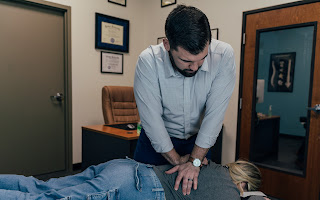
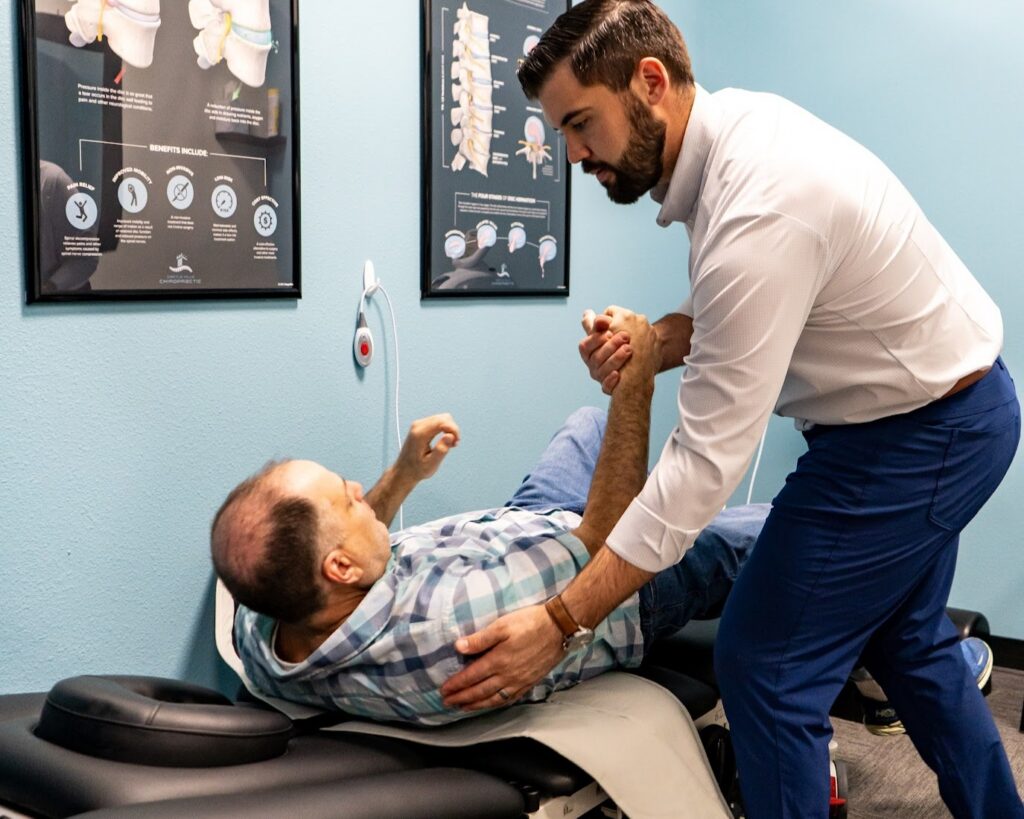
At Castle Hills Chiropractic, Dr. Brent Johnson begins with a thorough evaluation that includes reviewing your history, assessing your posture and gait, and performing orthopedic and neurological tests. This helps determine whether the pain is originating in the hip joint itself, the surrounding soft tissue, the lower back, or the pelvis.
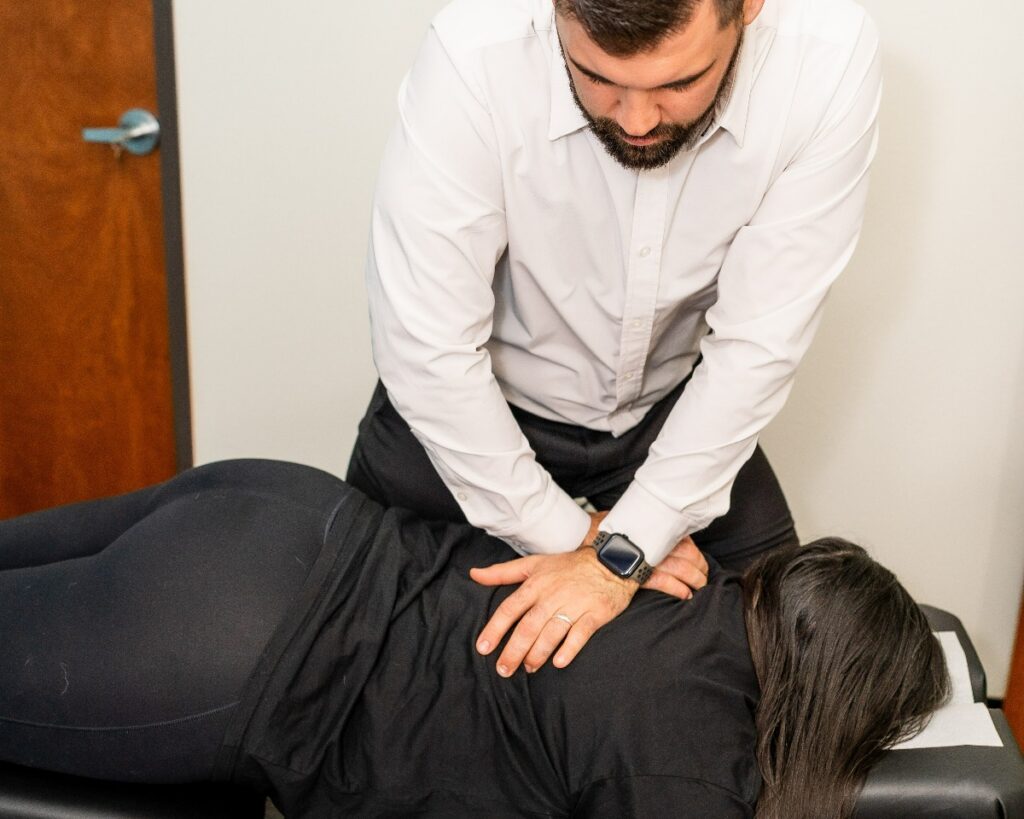
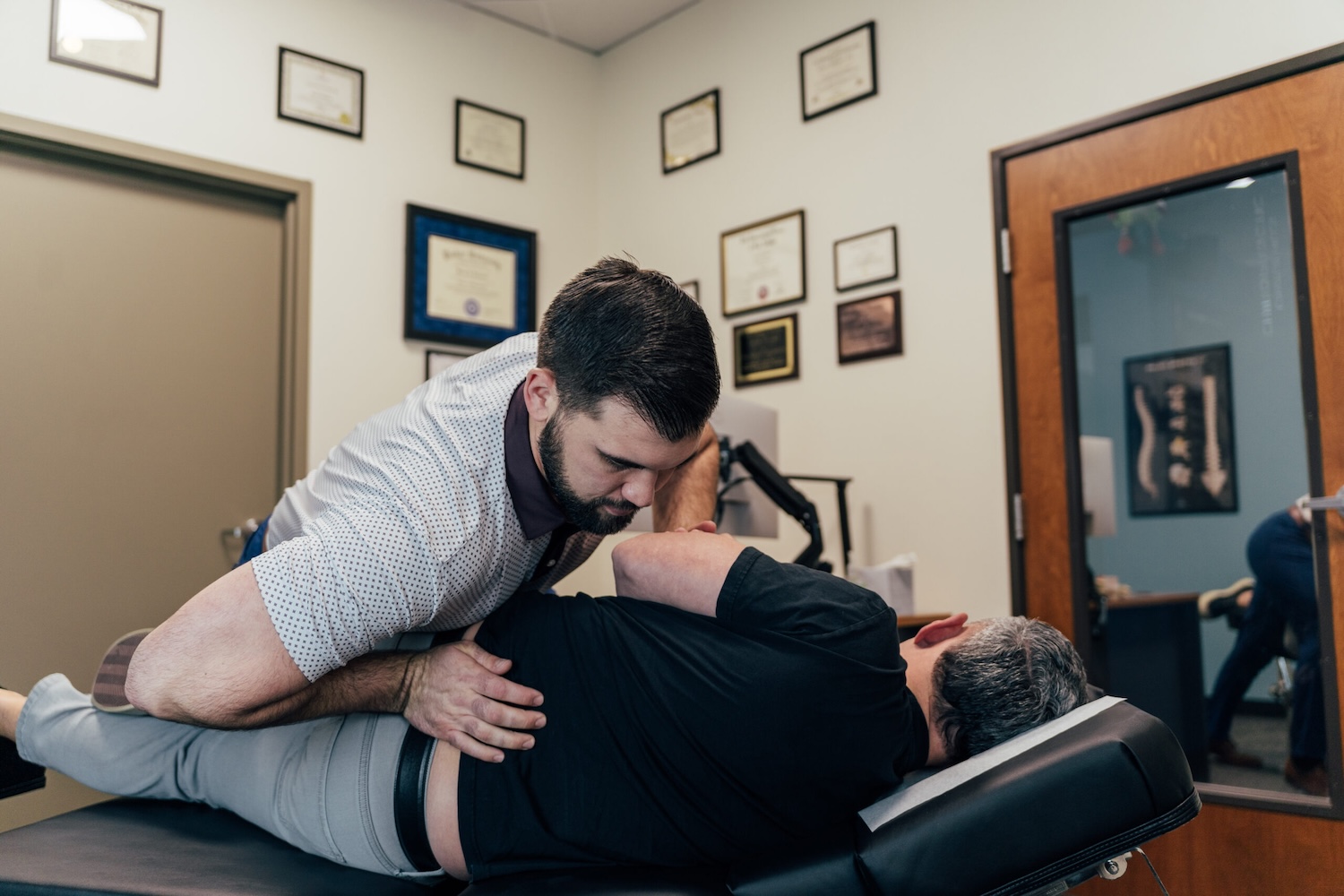
Chiropractic adjustments can help restore proper alignment to the pelvis and lumbar spine, which often plays a significant role in hip mechanics. When the pelvis is tilted or rotated unevenly, it places asymmetrical stress on the hip joints — which can accelerate wear, irritate soft tissue, and limit your range of motion. Restoring that alignment allows the hip to function more efficiently and with less strain.
In addition to spinal and pelvic adjustments, care at Castle Hills Chiropractic may include soft tissue work, therapeutic exercises, and guidance on posture and movement habits. Evidence from organizations like the National Center for Complementary and Integrative Health (NCCIH) suggests that manual therapies, including chiropractic, can be effective components of conservative care for musculoskeletal pain. The goal is always to support your body’s natural ability to heal and move well — without surgery or medication.
Practical Tips for Hip Pain Relief at Home
While professional care is often necessary to fully resolve hip pain, there are several things you can do at home to support your recovery and prevent further irritation.
First, be mindful of how long you sit. Prolonged sitting tightens the hip flexors and compresses the joint, which can make pain worse over time. Getting up and moving for a few minutes every 30 to 45 minutes can make a meaningful difference. Even a short walk down the hallway helps.
Second, pay attention to your sleeping position. Lying on your side with your knees stacked and a pillow between them can reduce rotational stress on the hip joint. If you sleep on your back, a pillow under your knees can help maintain a more neutral pelvis.
Third, consider your footwear. Worn-out shoes with poor arch support can throw off your gait and place uneven stress on the hips. This is a surprisingly common contributor to chronic hip discomfort that many people overlook.
Finally, avoid the temptation to completely rest if your pain is mild to moderate. Gentle, low-impact movement — like walking, swimming, or light cycling — keeps the joint lubricated and the surrounding muscles active. Complete inactivity often leads to stiffness and weakness, which can make recovery harder. Always check with Dr. Brent Johnson before starting any new exercise routine if your pain is significant.
When to See a Chiropractor
Many people wait far too long before seeking care for hip pain. If your discomfort has lasted more than a week or two, is affecting your ability to walk or sleep, or seems to be getting worse rather than better, it’s time to get a professional evaluation. Early intervention typically leads to better outcomes and a shorter recovery period.
Chiropractic care is particularly well-suited for hip pain that is related to postural imbalances, pelvic misalignment, tight muscles and tendons, or referred pain from the lumbar spine. These are exactly the kinds of issues that respond well to conservative, hands-on care.
However, there are situations where medical referral is appropriate. You should seek emergency care or consult a medical doctor if your hip pain follows significant trauma (such as a fall), if there is visible deformity or severe swelling, if you cannot bear weight at all, if you have fever along with joint pain (which can indicate infection), or if the pain is severe and worsening rapidly. Castle Hills Chiropractic is committed to making sure every patient receives the right level of care — and that includes knowing when to refer out.
Hip Pain at a Glance: Causes vs. Common Symptoms
| Cause | Typical Location of Pain | Common Characteristics | Aggravating Factors |
|---|---|---|---|
| Osteoarthritis | Groin, deep hip joint | Dull ache, stiffness, reduced range of motion | Activity, morning stiffness, cold weather |
| Trochanteric Bursitis | Outer hip, lateral thigh | Sharp or burning pain, tenderness to touch | Lying on affected side, climbing stairs, prolonged walking |
| Hip Flexor Strain | Front of hip, groin | Tightness, aching, weakness when lifting the leg | Prolonged sitting, sudden movements, overuse |
| Labral Tear | Deep groin, inner hip | Clicking, locking, instability sensation | Pivoting, deep hip flexion, high-impact activity |
| Sciatica / Lumbar Referral | Buttock, outer hip, down the leg | Burning, shooting, numbness, tingling | Sitting, bending forward, sneezing or coughing |
Myths vs. Facts About Hip Pain
Myth: Hip pain only affects older adults.
Fact: While osteoarthritis is more common in older populations, hip pain affects adults of all ages. Younger adults frequently experience hip pain from muscle imbalances, postural habits, labral tears, or bursitis. Many active adults in their 30s and 40s deal with significant hip discomfort related to desk jobs and sedentary lifestyles.
Myth: If the pain isn’t in the joint itself, it’s not really a hip problem.
Fact: Hip pain frequently presents in surrounding areas like the groin, outer thigh, and buttocks — and doesn’t always feel “inside” the joint. Conversely, pain that feels like it’s in the hip may actually be coming from the lower back or pelvis. A proper evaluation is essential to understanding the true source of the pain.
Myth: Rest is always the best treatment for hip pain.
Fact: Complete rest can actually be counterproductive for many types of hip pain. Prolonged inactivity leads to muscle weakness and joint stiffness, which can make the problem worse over time. Gentle, guided movement is often a key part of recovery. Evidence in the field of conservative musculoskeletal care consistently supports active rehabilitation over passive rest alone.
Myth: Chiropractic care is only for back pain — it can’t help the hip.
Fact: Chiropractors are trained in the evaluation and management of the entire musculoskeletal system, including the hip and pelvis. Because the hip, pelvis, and lumbar spine are closely connected, chiropractic adjustments and soft tissue care can meaningfully address hip pain by restoring proper alignment, reducing muscle tension, and improving overall movement mechanics.
Myth: Hip pain always means you need surgery.
Fact: The vast majority of hip pain cases respond well to conservative care, including chiropractic treatment, physical therapy, and lifestyle modifications. Surgery is typically considered only when conservative approaches have been exhausted and structural damage is severe. Starting with non-invasive care is almost always the appropriate first step.
Final Thoughts
Living with hip pain doesn’t have to be your normal. Whether you’ve been dealing with a persistent ache for months or you’ve recently noticed stiffness and discomfort starting to affect your daily life, understanding what’s happening in your body is the first step toward feeling better. The hip is a resilient, well-designed joint — and in many cases, with the right care and attention, it heals remarkably well.
Here at Castle Hills Chiropractic in Castle Hills, TX, Dr. Brent Johnson is dedicated to helping adults in our community get to the root of their hip pain through thorough evaluation, honest answers, and personalized, conservative care. We believe that every person deserves to understand what’s going on in their body and to feel confident in their path forward — without being rushed into medications or procedures.
If hip pain has been slowing you down, we’d love to be a resource for you. Come see us and let’s figure out together what’s going on and what we can do about it. Castle Hills Chiropractic is here to help the Castle Hills community move, live, and feel better — one patient at a time.
Frequently Asked Questions
Can a chiropractor actually treat hip pain?
Yes. Chiropractors are trained to evaluate and treat musculoskeletal conditions affecting the hip, pelvis, and lower extremities. Depending on the cause, care may include adjustments to the pelvis and lumbar spine, soft tissue techniques, and rehabilitative guidance. A thorough evaluation helps determine whether chiropractic care is appropriate for your specific situation.
How long does it take for hip pain to get better with chiropractic care?
This varies significantly depending on the underlying cause, how long the problem has been present, and how consistently care is received. Some patients notice improvement within a few visits, while chronic conditions may require a longer course of care. Dr. Brent Johnson will give you a realistic picture of what to expect based on your individual evaluation.
Is hip pain from arthritis treatable with chiropractic?
Chiropractic care cannot reverse arthritic changes in the joint, but it can help improve surrounding muscle function, restore better pelvic and lumbar alignment, and reduce the mechanical stress placed on the hip. Many patients with hip osteoarthritis find that conservative care helps them manage pain and maintain mobility more effectively.
What is the difference between hip pain and sciatica?
Sciatica involves irritation of the sciatic nerve, which runs from the lower back through the buttocks and down the leg. It can cause pain that mimics hip pain, but it’s often accompanied by radiating symptoms like burning, tingling, or numbness down the thigh or calf. True hip joint pain tends to be more localized to the groin and joint area. A proper examination helps distinguish between the two.
Should I stretch my hip if it hurts?
Gentle stretching can be helpful for many types of hip pain, particularly those involving tight hip flexors or gluteal muscles. However, some conditions — like labral tears or certain types of bursitis — can be aggravated by specific stretches. It’s best to get guidance from Dr. Brent Johnson before starting a stretching routine to make sure it’s appropriate for your diagnosis.
When is hip pain serious enough to need imaging?
Not all hip pain requires an X-ray or MRI immediately. However, imaging may be recommended if your pain follows a trauma, if there’s significant loss of function, if conservative care isn’t producing improvement after several weeks, or if there is suspicion of fracture, infection, or significant structural damage. Your chiropractor will help guide that decision.
TL;DR
- Hip pain in adults has many possible causes, including arthritis, bursitis, muscle strains, labral tears, and referred pain from the lower back.
- The location and character of the pain provide important clues about the underlying cause — but a professional evaluation is essential for accurate diagnosis.
- Chiropractic care addresses hip pain by restoring pelvic and spinal alignment, reducing soft tissue tension, and improving overall movement mechanics.
- Most hip pain responds well to conservative, non-invasive care — surgery is rarely the first or only option.
- Dr. Brent Johnson at Castle Hills Chiropractic in Castle Hills, TX is available to help you understand and address your hip pain through personalized, thorough care.