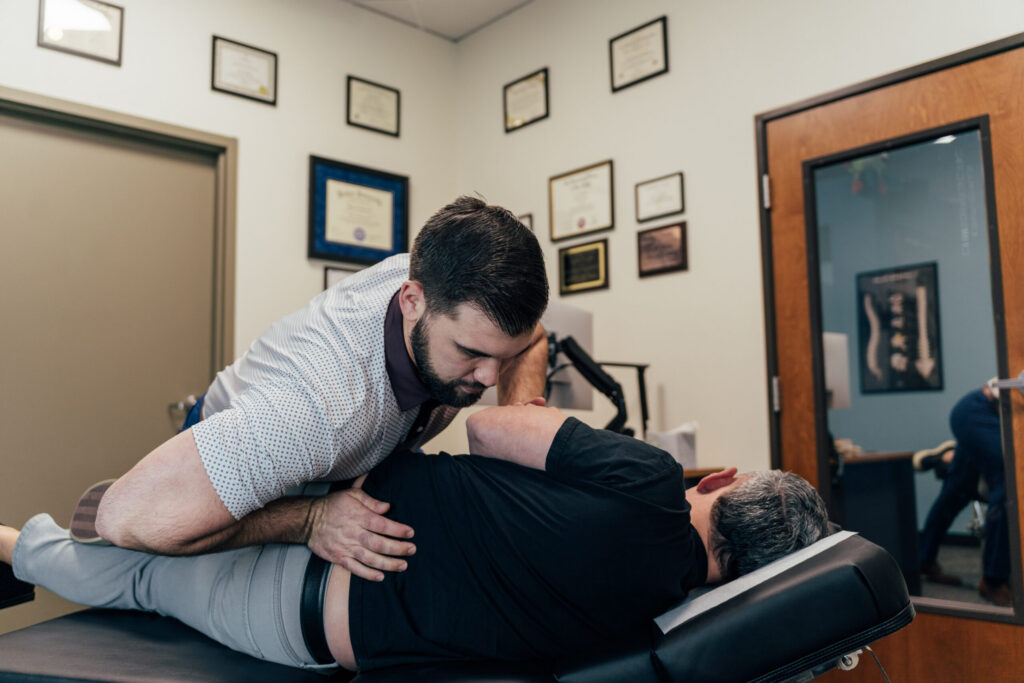

If you frequently experience tension headaches, you’re definitely not alone. Understanding what triggers these headaches and recognizing the signs can help you find effective relief. You might be surprised at how simple lifestyle changes can lead to significant improvements in your well-being.
As a chiropractor, I often see how spinal health plays a crucial role in overall wellness. Many tension headaches can arise from misalignments in the spine or muscle tension in the neck and shoulders. By addressing these issues through chiropractic adjustments, we can help alleviate the pain and discomfort associated with tension headaches.
There are also several natural strategies that can complement chiropractic care. Incorporating gentle stretches into your daily routine can relieve muscle tension. Simple practices like deep breathing exercises or mindfulness can significantly reduce stress levels, which is a common trigger for tension headaches.
Additionally, maintaining good posture while sitting or standing can help prevent the strain that contributes to headaches. Make sure your workstation is ergonomically friendly and take regular breaks to move around and stretch.
Remember, chiropractic care is a powerful tool for achieving optimal health and wellness. By focusing on your spinal alignment and incorporating healthy habits into your life, you can effectively manage and reduce the frequency of tension headaches. Let’s explore these treatments further and find the best approach for your relief and overall health.
Key Takeaways
- Regular chiropractic adjustments are an excellent way to enhance spinal alignment, relieve muscle tension, and effectively reduce tension headaches. By visiting your chiropractor, you can experience natural healing that addresses the root causes of your discomfort.
- Incorporating stress management techniques, such as deep breathing exercises and mindfulness practices, can significantly lower the risk of headaches. These methods not only promote relaxation but also complement the benefits of chiropractic care in achieving overall wellness.
- Maintaining good posture is crucial in preventing muscle tension and headache triggers. Be mindful of your posture while sitting at your desk or using screens, and remember to take regular breaks. These simple habits can make a big difference in your health and comfort.
- Keeping a headache diary can be a valuable tool in managing your headaches. By tracking your triggers and patterns, you can work with your chiropractor to develop personalized relief strategies that focus on your unique needs.
- Don’t forget the importance of regular exercise, staying hydrated, and eating a balanced diet. These lifestyle choices support your overall health and can help reduce the frequency of headaches. Chiropractic care can enhance the benefits of these healthy habits, making you feel your best every day.
By prioritizing chiropractic care along with these simple tips, you can achieve optimal health and enjoy a life free from the burden of tension headaches. Remember, your journey to wellness starts with taking care of your spine and overall well-being!
Understanding Tension Headaches
Tension headaches, often linked to stress or muscle tension, can be quite uncomfortable. You might feel a tight band of pressure around your head, along with discomfort in your neck and shoulders. These headaches can hit at any moment, especially during stressful times or after long hours of poor posture. They usually develop gradually and can last anywhere from 30 minutes to several days. Unlike migraines, tension headaches typically don’t bring nausea or sensitivity to light.
Many times, these headaches arise from everyday habits such as clenching your jaw or spending too much time in front of screens. By understanding the nature of tension headaches, you can take proactive steps towards relief and prevention.
Chiropractic care is an excellent approach to managing tension headaches. Regular adjustments can help align your spine, reduce muscle tension, and improve posture, all of which can alleviate headache symptoms.
Additionally, practicing relaxation techniques, maintaining good posture, and staying mindful of your screen time can contribute to better spinal health and reduce the frequency of these headaches.
Incorporating stretches and exercises focused on neck and shoulder relief can also be beneficial. Remember, a healthy lifestyle that includes proper hydration, regular movement, and stress management techniques can support your overall well-being and help you avoid the triggers of tension headaches.
Identifying Triggers and Symptoms
Understanding the triggers and symptoms of tension headaches is key to managing your discomfort effectively. As a chiropractor, I encourage you to become aware of when your headaches strike. Common triggers often include stress, poor posture, and extended periods of screen time. Try to observe if certain situations, like tight deadlines at work or slouching in your chair, lead to your headaches.
When it comes to symptoms, tension headaches typically present as a dull, aching pain that feels like a tight band around your head. You may also notice tenderness in your scalp, neck, and shoulders. Unlike migraines, tension headaches usually don’t come with nausea or sensitivity to light and sound, which is a relief for many.
One effective strategy is to keep a headache diary. Note when your headaches occur, their intensity, and any potential triggers. This can help you identify patterns in your headaches, enabling you to take proactive steps to manage them.
As a chiropractor, I recommend focusing on your spinal health and posture as a natural way to alleviate tension headaches. Regular chiropractic adjustments can help restore proper alignment, reducing muscle tension and improving overall function. Additionally, incorporating regular stretching and strengthening exercises for your neck and back can help maintain a healthy spine, which is essential for preventing tension headaches. Remember, taking small, consistent steps toward better posture and spinal health can make a significant difference in your overall well-being.
Lifestyle Changes for Prevention
To prevent tension headaches, consider incorporating chiropractic care into your wellness routine. Regular chiropractic adjustments can help align your spine, reducing tension in your muscles and promoting better overall health.
Additionally, managing stress is crucial; techniques such as deep breathing, meditation, and regular exercise can significantly reduce your stress levels and enhance your well-being. By embracing these natural methods, you’ll not only help fend off those pesky headaches but also support your body’s natural ability to heal itself.
Stress Management Techniques
Amid the hustle and bustle of daily life, finding effective stress management techniques can significantly help alleviate tension headaches, and as a chiropractor, I believe that natural approaches can be the most beneficial for your overall health.
By incorporating simple yet powerful strategies into your routine, you can foster a more relaxed mindset and support your spinal health.
Here are a few techniques to consider:
- Deep Breathing: Set aside a few moments each day to practice deep, slow breaths. This technique not only helps lower anxiety and tension but also promotes better oxygen flow to your body, including your spine, which can enhance your overall wellness.
- Mindfulness Meditation: Dedicate 10-15 minutes to focus on the present moment. This practice can help clear your mind, ease stress, and create a sense of peace, which is essential for maintaining a healthy spine and nervous system.
- Time Management: Prioritize your tasks and set realistic goals. By managing your time effectively, you can reduce feelings of overwhelm and pressure, which can contribute to physical tension in your body. This is crucial for maintaining spinal health and preventing stress-related discomfort.
In addition to these techniques, regular chiropractic care can be an excellent way to manage stress and tension. Chiropractic adjustments can help align your spine, improve your nervous system function, and enhance your body’s natural ability to heal.
Regular Exercise Routine
Regularly incorporating exercise into your routine can significantly help in alleviating tension headaches, which often stem from stress and muscle tension. As a chiropractor, I emphasize the importance of maintaining a healthy spine and overall wellness, and physical activity plays a vital role in this. Engaging in moderate exercise for at least 30 minutes on most days—whether it’s brisk walking, cycling, or yoga—can boost your circulation and promote better oxygen flow to your brain, which is essential for reducing headache symptoms.
Exercise not only alleviates stress but also helps release endorphins, your body’s natural painkillers. This can lead to a reduction in headache intensity. Furthermore, incorporating regular stretching into your routine enhances flexibility and can help minimize headache triggers associated with muscle tightness.
To make your exercise routine more enjoyable, choose activities you love. Whether it’s dancing, swimming, or hiking, finding joy in movement will make it easier to stay consistent. Remember, consistency is crucial; over time, you’ll likely notice a substantial improvement in how you feel.
In addition to exercise, consider regular chiropractic adjustments. Chiropractic care focuses on the alignment of your spine, which can greatly enhance your overall health and reduce headache occurrences by relieving nerve pressure. By prioritizing both exercise and chiropractic care, you’re taking a comprehensive approach to your health and wellness. Stay committed to your wellness journey, and don’t hesitate to reach out for professional guidance tailored to your unique needs.
Over-the-Counter Medications
When tension headaches strike, it can be tempting to reach for over-the-counter medications like ibuprofen, acetaminophen, or aspirin for quick relief. However, it’s important to remember that these medications often come with potential side effects and may not address the underlying issues causing your headaches.
Instead of relying on medications, consider exploring chiropractic care as a natural and effective way to alleviate tension headaches. Chiropractors focus on the health of your spine and nervous system, which play crucial roles in how your body functions. By ensuring that your spine is properly aligned, chiropractic adjustments can help relieve pressure on nerves and reduce headache frequency and intensity.
In addition to chiropractic care, here are some practical tips you can incorporate into your daily routine to support your overall health and wellbeing:
- Stay Hydrated: Dehydration can lead to headaches, so make sure to drink plenty of water throughout the day.
- Practice Relaxation Techniques: Stress can trigger tension headaches, so try deep breathing exercises, meditation, or yoga to help manage stress levels.
- Maintain Good Posture: Poor posture, especially when sitting at a desk, can lead to muscle tension and headaches. Make a conscious effort to sit up straight and take regular breaks to stretch.
- Get Regular Exercise: Physical activity can help reduce stress and promote overall health, which may help prevent headaches.
- Limit Screen Time: Extended screen time can cause eye strain and tension in your neck and shoulders. Take breaks and practice the 20-20-20 rule—every 20 minutes, look at something 20 feet away for 20 seconds.
Common OTC Options
Tension headaches can be quite uncomfortable, but instead of reaching for over-the-counter (OTC) medications, consider exploring natural methods and chiropractic care for relief. Chiropractic adjustments can help alleviate tension in the neck and spine, addressing the root cause of your headaches rather than just masking the symptoms.
Here are some tips and tricks for managing tension headaches naturally:
- Stay Hydrated: Dehydration can contribute to headaches. Make sure you’re drinking enough water throughout the day to keep your body well-hydrated.
- Practice Good Posture: Poor posture can lead to muscle tension and headaches. Be mindful of your posture while sitting, especially if you spend long hours at a desk. Keep your shoulders back and your neck aligned with your spine.
- Incorporate Stretching: Gentle neck and shoulder stretches can help relieve tension. Try rolling your shoulders or gently tilting your head from side to side to ease tightness.
- Manage Stress: Stress is a common trigger for tension headaches. Techniques such as deep breathing, meditation, or yoga can help reduce stress levels and promote relaxation.
- Chiropractic Care: Regular visits to a chiropractor can provide significant relief from tension headaches. Chiropractic adjustments can improve spinal alignment, reduce muscle tension, and enhance overall well-being.
Before resorting to medications, consider these natural approaches and consult with a chiropractor to discuss how chiropractic care can support your journey to optimal health and wellness. Embracing a holistic lifestyle can’t only help relieve tension headaches but also lead to a healthier, more balanced life.
Dosage Recommendations
For effective relief from tension headaches, it’s important to understand that while over-the-counter (OTC) medications can provide temporary relief, they aren’t the only option available for achieving optimal health and wellness. As a chiropractor, I encourage exploring natural methods of healing that address the root causes of pain rather than just masking symptoms.
Chiropractic care is a holistic approach that focuses on spinal health and overall body function. Many patients find that regular chiropractic adjustments can help alleviate tension headaches by improving spinal alignment and reducing muscle tension. This natural method promotes better circulation and nerve function, ultimately leading to reduced pain and improved well-being.
In addition to chiropractic adjustments, here are some general tips you can incorporate into your daily routine to help manage tension headaches:
- Stay Hydrated: Dehydration can contribute to headaches, so make sure you’re drinking enough water throughout the day.
- Practice Good Posture: Maintaining proper posture, especially if you’re sitting for long periods, can reduce strain on your neck and shoulders.
- Incorporate Relaxation Techniques: Practices such as deep breathing, meditation, or yoga can help reduce stress and tension that may lead to headaches.
- Get Regular Exercise: Engaging in regular physical activity can improve your overall health and reduce headache frequency.
- Limit Screen Time: Taking breaks from screens can help reduce eye strain and neck tension, which are common headache triggers.
Remember that every individual is different, and it’s essential to listen to your body. If you’re experiencing frequent headaches, consider consulting a chiropractor to discuss a personalized plan that focuses on natural healing and wellness.
Together, we can work towards achieving your optimal health without relying solely on medications or invasive treatments.
Potential Side Effects
While over-the-counter (OTC) medications can offer quick relief from tension headaches, it’s crucial to understand the potential side effects that may arise from their use. Many individuals may not realize that frequent or high-dose use can lead to unwanted reactions.
Here are some common side effects to consider:
- Gastrointestinal issues: Prolonged use can lead to stomach discomfort, nausea, or even ulcers, which can be distressing and counterproductive to your health.
- Drowsiness or dizziness: Some OTC pain relievers may leave you feeling sleepy or lightheaded, which can impact your daily activities and overall quality of life.
- Rebound headaches: Over-reliance on these medications can actually lead to more frequent headaches, creating a frustrating cycle that can be challenging to break.
Instead of turning to medications, consider exploring chiropractic care as a natural and effective approach to managing headaches. A chiropractor can help identify the root cause of your tension headaches, often related to spinal alignment and muscle tension.
By addressing these underlying issues, you can achieve long-term relief without the side effects associated with medications.
In addition to chiropractic adjustments, here are some general tips to enhance your well-being:
- Stay hydrated: Drinking plenty of water can help reduce headache triggers.
- Practice good posture: Maintaining proper posture while sitting or working can relieve tension in your neck and shoulders.
- Incorporate relaxation techniques: Activities such as yoga, meditation, or deep-breathing exercises can help reduce stress and tension.
Always consult with a healthcare professional to discuss your concerns and explore the benefits of chiropractic care for optimal health and wellness. Embracing a natural approach can lead to a healthier, pain-free lifestyle.
Natural Remedies and Herbal Treatments
Exploring natural remedies and herbal treatments can be a soothing way to alleviate tension headaches, but it’s important to remember that chiropractic care is a powerful ally in your journey toward optimal health. As a chiropractor, I believe that addressing the root cause of tension headaches through spinal adjustments can provide significant relief and promote overall wellness.
In addition to chiropractic care, simple techniques like deep breathing exercises and staying well-hydrated can make a difference. These practices help reduce stress and improve blood flow, which can be beneficial for headache relief.
Herbal teas, such as peppermint or chamomile, can be calming and may help ease headache pain. Ginger is another excellent option; its anti-inflammatory properties can be beneficial, and it can be consumed in tea or supplement form. For those who enjoy aromatherapy, essential oils like lavender or eucalyptus can create a relaxing atmosphere—just a few drops can help soothe your mind.
Another method to consider is acupressure. Applying gentle pressure to specific points on your body can relieve tension and may help reduce headache symptoms. By integrating these natural options alongside regular chiropractic adjustments, you can find a comprehensive approach to managing tension headaches effectively.
Physical Therapy and Massage
If you’re looking for effective ways to alleviate tension headaches, chiropractic care can be a powerful addition to your wellness routine. Unlike other treatments, chiropractic focuses on the spine and nervous system, which can greatly impact your overall health and help reduce headache frequency. Here’s how chiropractic care can work for you:
- Spinal Adjustments: Chiropractors use gentle adjustments to align the spine, which can relieve pressure on nerves and reduce muscle tension in the neck and shoulders—common culprits of tension headaches.
- Holistic Approach: Chiropractic care not only addresses the symptoms but also targets the root causes of headaches. By improving spinal function and promoting proper posture, you can experience lasting relief.
- Personalized Care: Each person is unique, and a skilled chiropractor will create a customized treatment plan tailored to your specific needs. This approach ensures you receive the most effective care for your headaches.
- Lifestyle Tips: In addition to adjustments, chiropractors can provide guidance on posture, ergonomic setups, and stress management techniques to help prevent tension headaches from returning.
By choosing chiropractic care, you’re opting for a natural, drug-free approach to wellness that emphasizes healing and maintaining optimal health.
If you’re struggling with tension headaches, consider scheduling a consultation with a chiropractor to explore how they can support your journey to better health.
Stress Management Techniques
Managing stress is crucial for preventing tension headaches, and as a chiropractor, I believe that a holistic approach to wellness is the best way to achieve optimal health.
Incorporating mindfulness and meditation into your daily routine can help center yourself and promote mental clarity. Deep breathing exercises are another effective way to encourage relaxation and alleviate headache symptoms.
Chiropractic care plays a key role in managing stress and enhancing overall well-being. By addressing spinal alignment and tension in the body, chiropractic adjustments can help reduce physical stressors that may contribute to headaches.
Regular visits can improve your posture, enhance your body’s ability to cope with stress, and support your nervous system’s function.
Here are some simple tips to help you manage stress and improve your health:
- Practice Mindfulness: Dedicate a few minutes each day to mindfulness or meditation. Focus on your breath and let go of any distractions.
- Deep Breathing: Take a moment to inhale deeply through your nose, hold for a few seconds, and exhale slowly through your mouth. Repeat this several times to promote relaxation.
- Stay Active: Regular physical activity can reduce stress and tension in the body. Consider gentle exercises like walking, yoga, or stretching.
- Hydrate and Nourish: Drink plenty of water and eat a balanced diet rich in whole foods to support your body’s natural healing processes.
- Schedule Regular Chiropractic Care: Regular adjustments can help manage stress and improve your overall health, providing natural pain relief and promoting wellness.
By integrating these practices into your lifestyle and prioritizing chiropractic care, you can effectively manage stress and support your body in achieving optimal health.
Mindfulness and Meditation
Mindfulness and meditation can be valuable tools in managing tension headaches, and as a chiropractor, I understand the importance of addressing the root causes of pain.
By focusing your attention and calming your mind, you can reduce stress and tension, which are common triggers for headaches.
Here are a few techniques that can complement your chiropractic care and may help you find relief from tension headaches:
- Body scan: Find a comfortable position, whether lying down or sitting. Take a moment to check in with each part of your body, starting from your toes to the top of your head. Notice any areas of tension and consciously relax those muscles. This practice can enhance your body awareness and support the alignment your chiropractor works to achieve.
- Guided imagery: Picture a peaceful scene, such as a tranquil beach or a serene forest. Immerse yourself in the details—feel the warmth of the sun, hear the gentle waves, or notice the rustling leaves. This visualization can help take your mind off pain and promote relaxation, contributing to your overall well-being.
- Mindful breathing: Focus on your breath as it flows in and out. Take deep, slow breaths, feeling your abdomen expand and contract. This practice helps ground you in the present moment and can ease mental clutter, further supporting your chiropractic treatments by reducing stress on your body.
Incorporating these mindfulness practices into your daily routine, alongside regular chiropractic care, can lead to lasting relief from tension headaches.
Deep Breathing Exercises
Practicing deep breathing exercises can significantly alleviate stress and tension, making them a valuable tool for managing tension headaches. As a chiropractor, I often emphasize the importance of holistic approaches to health, and deep breathing is a simple yet effective method you can incorporate into your routine. When you concentrate on your breath, you not only calm your mind but also support your spinal health by reducing overall tension in your body.
To get started, find a comfortable position, either sitting or lying down. Inhale deeply through your nose for a count of four, allowing your abdomen to expand fully. Hold that breath for a count of four, then exhale slowly through your mouth for another count of four. Repeat this cycle several times. As you breathe, visualize the stress and tension leaving your body with each exhale. This focus on breathing can help you maintain a relaxed posture, further supporting your spine.
Incorporating deep breathing into your daily routine can enhance your relaxation and play a key role in preventing tension headaches from recurring. It’s a natural way to care for your body and promote overall wellness. The next time you feel a headache coming on, try these deep breathing exercises as a first step before seeking other forms of care. Remember, prioritizing your spinal health through practices like deep breathing can lead to a more balanced and pain-free life.
Acupuncture and Alternative Therapies
Exploring chiropractic care and natural therapies can provide effective relief for tension headaches by restoring balance and reducing stress. These methods focus on promoting overall wellness and optimizing your body’s natural healing abilities.
Here are a few options worth considering:
- Chiropractic Adjustments: Regular visits to a chiropractor can help realign your spine and improve nervous system function. This can reduce tension in your neck and shoulders, alleviating headache pain and promoting relaxation.
- Massage Therapy: Complementing chiropractic care with targeted massage can help release tension in tight muscles. This not only enhances blood flow but also supports your body’s healing process, leading to better overall well-being.
- Lifestyle Tips: Incorporating relaxation techniques, such as deep breathing or mindfulness practices, can further reduce stress levels. Staying hydrated and maintaining good posture can also prevent tension buildup in your muscles, which can lead to headaches.
Prescription Medications for Chronic Cases
If you find that tension headaches persist despite trying various alternative therapies, it’s important to explore natural approaches to manage these chronic cases effectively.
As a chiropractor, I believe that spinal health plays a crucial role in overall wellness and can significantly influence headache relief.
Regular chiropractic adjustments can help relieve tension in the neck and shoulders, which are often key contributors to headache pain. By ensuring your spine is aligned, we can alleviate pressure on the nerves and improve blood flow, potentially reducing the frequency and intensity of your headaches.
In addition to chiropractic care, consider incorporating stress-reducing techniques such as yoga, meditation, or gentle stretching into your daily routine.
Staying hydrated, maintaining a balanced diet, and ensuring you get enough sleep are also vital in managing headaches naturally.
If you’ve tried these methods and still face challenges, consult with your chiropractor about personalized strategies tailored to your needs. Remember, it may take some time to find the right combination of treatments, so be patient and keep an open line of communication with your healthcare team.
Embracing a holistic approach to health can lead to lasting relief and improved quality of life.
When to Seek Medical Help
Knowing when to seek help for your tension headaches is important, especially if they become more frequent or severe. While tension headaches are common, there are certain signs that suggest it’s time to look for relief through natural means, like chiropractic care.
Here are a few signs to consider:
- Severe pain that interferes with your daily activities or doesn’t improve with simple remedies like rest or hydration.
- Accompanying symptoms such as vision changes, confusion, or persistent nausea could indicate something more serious, and while these are less common, it’s always best to be cautious.
- A sudden increase in the frequency or intensity of your headaches, especially if they feel different from what you usually experience.
It’s essential not to ignore these warning signs, as they can lead to unnecessary discomfort. By being proactive and considering a visit to your chiropractor, you can explore natural, holistic options for managing your pain and promoting wellness.
Chiropractic care can help identify the root causes of your headaches, often related to spinal alignment and tension in the body.
In addition to seeking chiropractic adjustments, here are some general tips to help alleviate tension headaches:
- Stay hydrated: Sometimes, headaches can be triggered by dehydration.
- Practice good posture: Maintaining proper posture can reduce strain on your neck and back, potentially reducing headache frequency.
- Incorporate relaxation techniques: Techniques such as deep breathing, meditation, or gentle stretching can help relieve tension.
- Regular physical activity: Engage in regular exercise to help keep your body healthy and alleviate stress that could contribute to headaches.
Conclusion
In summary, effectively managing tension headaches is all about embracing a holistic approach that prioritizes your overall wellness. As a local chiropractor, I believe that understanding your body’s signals and making simple lifestyle changes can significantly impact the frequency and severity of your headaches.
Start by identifying your headache triggers—whether they stem from stress, poor posture, or dehydration—and take proactive steps to mitigate them. Incorporating regular physical activity can not only boost your mood but also improve your spinal health, which is crucial for headache relief. Staying well-hydrated is equally important, as dehydration can lead to increased tension and discomfort.
Don’t overlook the power of stress management techniques, such as deep breathing exercises, meditation, or gentle stretching, which can help relax your mind and body. Additionally, consider trying chiropractic care, which focuses on spinal alignment and overall wellness. Chiropractic adjustments can relieve tension in your neck and shoulders, areas that often contribute to headache pain.
If headaches persist or worsen, it’s vital to seek professional guidance. A chiropractor can provide personalized treatment plans tailored to your needs, focusing on natural healing methods that promote long-term relief. Remember, taking charge of your health means exploring the best options for your body, and chiropractic care is a fantastic choice for achieving optimal wellness. Embrace these tips, and discover what works best for you on your journey to a pain-free life!