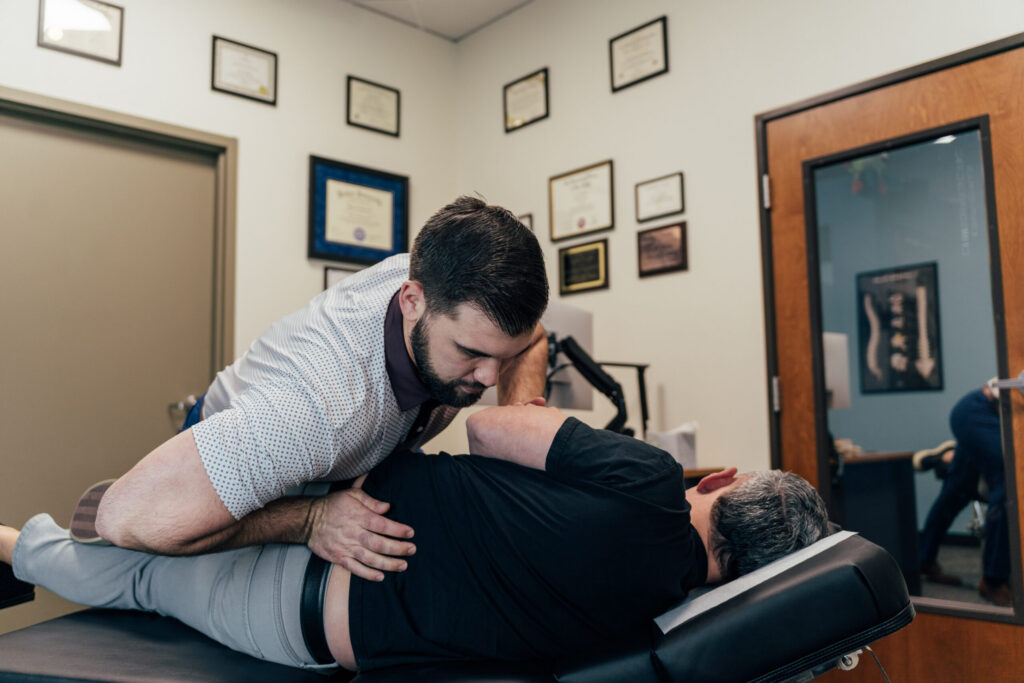

Managing pain effectively is not a one-size-fits-all endeavor, and as your local chiropractor, I want to help you understand the various dimensions of pain and the holistic approaches we can take to alleviate it. Pain can stem from a multitude of sources, and recognizing the type and cause is crucial to finding the right treatment.
Chiropractic care focuses on the body’s ability to heal itself through natural methods. While traditional medications can provide temporary relief, we also explore alternative therapies that can lead to long-term wellness. For example, spinal adjustments can help realign the body and alleviate discomfort, while techniques such as massage and physical therapy can enhance recovery.
You might be surprised to learn how factors like nutrition and mindfulness can significantly influence your pain levels. A balanced diet rich in anti-inflammatory foods can support your overall health, and practicing mindfulness can help manage stress, which often exacerbates pain.
So, what’s the best strategy for you? Together, we can explore these options and create a personalized plan that not only addresses your pain but promotes overall well-being. Let’s embark on this journey to a pain-free life together!
Understanding Pain: Types and Causes
As your local chiropractor, I want to help you understand pain and its origins so that you can manage it more effectively. Pain generally falls into two main categories: acute and chronic. Acute pain, such as that from a sprained ankle or a burn, typically comes on suddenly and lasts for a short duration. This type of pain serves an important role by alerting you to potential injury or illness.
In contrast, chronic pain persists for months or even years and may arise from conditions like arthritis or fibromyalgia, often requiring a more comprehensive approach to treatment.
The causes of pain can be diverse and multifaceted. It may originate from physical injuries, underlying medical issues, inflammation, or nerve damage. Additionally, psychological factors like stress and depression can heighten your perception of pain, complicating your experience.
By recognizing the different types and causes of pain, you can take proactive steps toward relief and enhance your overall well-being.
As a chiropractor, I focus on natural healing methods that address the root causes of pain, rather than just masking symptoms. Understanding your pain is the first crucial step on your journey to effective management, and I’m here to guide you through this process.
Together, we can work toward restoring your health and improving your quality of life.
Traditional Pain Relief Methods: Medications and Beyond
As a local chiropractor, I want to share with you the variety of options available for managing pain, especially through natural healing methods.
While you may be familiar with over-the-counter medications and prescription pain relievers, I encourage you to explore chiropractic care as a holistic approach to pain relief.
Chiropractic treatment focuses on the relationship between the spine, nervous system, and overall health. By addressing misalignments and improving function, we can help alleviate pain without relying solely on medication.
Additionally, incorporating complementary therapies like massage, exercise, and nutritional guidance can further enhance your relief and support your overall well-being.
It’s important to consider all avenues for pain management, and I’m here to guide you through the benefits of chiropractic care and natural healing practices.
Together, we can find the best solution for your unique situation.
Over-the-Counter Solutions
As a local chiropractor, I understand that pain can significantly impact your daily life. Fortunately, over-the-counter (OTC) solutions can provide accessible relief for various discomforts. Common medications like ibuprofen and acetaminophen are often used to alleviate headaches, muscle aches, and minor injuries. They work by targeting inflammation and blocking pain signals, which can help you find comfort.
In addition to oral medications, you might want to explore topical treatments, such as creams or patches infused with menthol or capsaicin. These options can deliver localized relief without the need for pills, making them a great complement to chiropractic care.
It’s important to read the labels carefully to ensure you’re using the correct dosage and to avoid any potential interactions with other medications you may be taking. While OTC solutions can be effective for mild to moderate pain, I encourage you to remember that they’re just one part of a broader approach to health.
As a chiropractor, I focus on addressing the root causes of pain through natural healing methods. If you find that your pain persists despite using OTC solutions, I encourage you to consult with a healthcare professional like myself.
Together, we can evaluate your condition and explore more comprehensive management strategies that may include chiropractic adjustments, physical therapy, and lifestyle modifications. Your health and well-being are my top priorities, and I’m here to help you regain comfort and improve your quality of life.
Prescription Pain Relievers
As a chiropractor, I want to emphasize the importance of understanding how we can manage pain without solely relying on prescription pain relievers. While these medications can be necessary for some individuals dealing with severe discomfort, they often come with risks such as dependency and side effects.
Instead, we focus on natural healing methods that target the root cause of your pain. Chiropractic care offers a holistic approach to pain management. By assessing your specific pain levels and any underlying conditions, we can create a personalized treatment plan that may include spinal adjustments, physical therapy, and lifestyle modifications.
These methods not only help alleviate pain but also promote overall wellness and prevent future issues. It’s crucial to communicate openly about your symptoms and any concerns you might have.
By working together, we can find the right balance in your pain management strategy, empowering you to regain control over your daily activities and enhance your quality of life through natural healing techniques.
Complementary Therapies Options
As your local chiropractor, I want to share some insights about the natural healing methods we focus on in our practice and how they can be enhanced by complementary therapies. Chiropractic care is centered around promoting your body’s innate ability to heal itself, but there are additional techniques that can significantly support your pain relief journey.
For instance, acupuncture and massage therapy are wonderful options that can help alleviate muscle tension and boost circulation. These therapies can leave you feeling more relaxed and comfortable.
Similarly, incorporating yoga and meditation into your routine can foster a sense of mindfulness and relaxation, which can greatly reduce your perception of pain.
Moreover, considering herbal remedies and dietary supplements, like turmeric or omega-3 fatty acids, can provide anti-inflammatory benefits that complement your chiropractic adjustments. By integrating these approaches into your pain management plan, we can adopt a holistic strategy that not only addresses your symptoms but also targets the underlying issues contributing to your discomfort.
Before embarking on any new therapies, I encourage you to consult with me or another healthcare professional. This way, we can ensure that the options you choose are suitable for your individual needs and health goals.
Together, we can create a personalized plan that enhances your overall well-being.
The Role of Physical Therapy in Pain Management
When faced with chronic pain, chiropractic care can be a crucial part of your healing journey. Our approach emphasizes enhancing your mobility, strength, and overall functionality, allowing you to reclaim control over your body.
As a local chiropractor, I’ll conduct a thorough assessment of your condition and develop a personalized treatment plan tailored to your unique needs.
Through specific chiropractic techniques, we can help reduce muscle tension, improve flexibility, and alleviate stiffness, all of which contribute to pain relief. Hands-on therapies, including spinal adjustments and soft tissue manipulation, can also enhance circulation and stimulate your body’s natural healing processes.
Additionally, chiropractic care educates you on proper body mechanics to prevent future injuries and manage pain more effectively. You’ll learn essential skills, such as maintaining good posture and utilizing ergonomic practices, which empower you to carry out daily tasks with ease and confidence.
Mindfulness and Meditation for Pain Relief
As a local chiropractor, I want to share with you how mindfulness and meditation can be incredibly effective in managing pain. These techniques aren’t just for relaxation; they can also play a significant role in your overall healing journey. By directing your attention and calming your mind, you can effectively reduce stress, which is often a contributor to pain.
Incorporating mindfulness into your daily routine can help you become more aware of your body and its signals. This awareness can lead to better pain management and improved well-being.
I encourage you to explore some simple mindfulness techniques, such as focusing on your breath or practicing guided meditation, to experience the relief they can provide alongside your chiropractic care. Together, we can work towards enhancing your health through both natural healing and mindfulness practices.
Benefits of Mindfulness
As a local chiropractor, I want to share how practicing mindfulness can greatly enhance your experience with pain management. By concentrating on the present moment, mindfulness helps to alleviate stress and anxiety, which can often intensify your discomfort.
It allows you to observe your pain without judgment, giving you the space to detach from the negative thoughts that can worsen your suffering. When you acknowledge your pain rather than resist it, you can develop a stronger sense of control over your body and its responses.
This change in perspective can actually reduce how intensely you perceive pain, leading to improved emotional well-being. Moreover, mindfulness encourages relaxation, which can provide physical benefits, such as decreased muscle tension—something we often address in chiropractic care.
By integrating mindfulness practices into your daily routine, you’ll not only cultivate a more compassionate relationship with your body but also enhance your ability to cope with pain effectively.
Guided Meditation Techniques
As a local chiropractor, I’d like to introduce you to the benefits of guided meditation as a natural approach to managing pain and enhancing your overall well-being. This technique can be a powerful complement to chiropractic care, helping you cultivate a sense of calm and focus that can alleviate discomfort.
To start, find a comfortable position—whether sitting or lying down—and take a few deep breaths to center yourself. As you engage with a recorded script or follow a live guide, you’ll immerse yourself in a peaceful environment that helps shift your attention away from any pain you may be feeling.
One effective method is visualization; picture serene scenes that bring you tranquility. As the guide leads you, you’ll learn to acknowledge your pain without judgment, which can be crucial in reducing its intensity. Incorporating practices like body scanning allows you to mentally check in with each part of your body, promoting awareness and relaxation.
With consistent practice, many of my patients have reported improvements in relaxation, mood, and pain tolerance. Embracing guided meditation alongside chiropractic adjustments can empower you to take control of your pain, nurturing both your mind and body in the process.
Alternative Therapies: Acupuncture and Chiropractic Care
As a local chiropractor, I want to take a moment to educate you about the valuable role chiropractic care can play in your journey toward pain relief and overall wellness. While conventional treatments often take center stage in discussions about pain management, I believe it’s essential to consider alternative therapies like chiropractic care, which focuses on the body’s natural ability to heal.
Chiropractic care primarily revolves around the alignment of your spine and joints. Through hands-on adjustments, we can help restore proper function, alleviate pain, and improve your mobility. Many patients report feeling a significant difference in their overall well-being after a few sessions, as proper alignment enhances the body’s ability to function optimally.
In addition to chiropractic adjustments, I encourage you to explore other natural healing modalities, such as acupuncture. This ancient practice involves inserting thin needles at specific points on your body, promoting natural healing and pain reduction. Many individuals find acupuncture surprisingly relaxing, which can help ease the tension and stress that often accompany chronic pain.
Both chiropractic care and acupuncture adopt a holistic approach, aiming to address the root causes of your pain rather than merely masking the symptoms. If you’re open to exploring these alternatives, I truly believe they can complement your existing pain management strategy and enhance your quality of life.
I invite you to reach out and schedule a consultation. Together, we can discuss your options and create a personalized plan that aligns with your health goals. Your journey toward relief and wellness is just a step away!
The Importance of Exercise in Managing Pain
As a local chiropractor, I want to emphasize the crucial role that regular exercise plays in managing pain and enhancing your overall well-being. Many of you may not realize that engaging in physical activity can significantly strengthen your muscles, improve flexibility, and boost your endurance, all of which contribute to alleviating discomfort.
When you exercise, your body releases endorphins—natural pain relievers that can elevate your mood and reduce the sensation of pain. You don’t have to engage in intense workouts; even moderate activities like walking, swimming, or practicing yoga can lead to remarkable improvements in how you feel.
Consistency is key; regular movement helps maintain joint function and can significantly reduce stiffness. It’s important to listen to your body and adjust the intensity of your exercise based on what feels comfortable for you.
Moreover, incorporating exercise into your routine can serve as a powerful distraction from pain, fostering a sense of control and empowerment over your health. By prioritizing movement in your daily life, you aren’t only managing your pain but also taking proactive steps toward a healthier and more enjoyable life.
Nutrition and Its Impact on Pain Levels
As your local chiropractor, I want to emphasize the significant role that nutrition plays in managing your pain levels. The foods you choose to eat can have a profound impact on how you feel.
By incorporating anti-inflammatory foods into your diet and ensuring you stay well-hydrated, you can help reduce discomfort and promote healing in your body.
It’s important to recognize that nutrient deficiencies can exacerbate pain symptoms, making it crucial to pay attention to what you consume.
By understanding how nutrition interacts with your body, you can take proactive steps toward effective pain management. Together, we can explore dietary choices that support your overall well-being and enhance the benefits of your chiropractic care.
Anti-inflammatory Foods Benefits
As a local chiropractor dedicated to helping you achieve optimal health, I want to share some valuable insights about the role of anti-inflammatory foods in relieving pain and supporting your overall well-being.
Many of my patients are surprised to learn that the foods we eat can significantly affect our body’s healing processes. Incorporating anti-inflammatory foods into your diet can be a powerful way to reduce pain levels naturally.
Here are three excellent options that I often recommend to my patients:
- Berries: These delicious fruits are loaded with antioxidants that help combat inflammation and can reduce discomfort. Including them in your meals or snacks is an easy way to boost your health.
- Fatty Fish: Fish like salmon are rich in omega-3 fatty acids, which have been shown to lower inflammation markers in the body. This can be particularly beneficial for those dealing with chronic pain.
- Leafy Greens: Vegetables such as spinach and kale aren’t only packed with essential vitamins and minerals but also play a significant role in fighting inflammation. Adding these greens to your diet can enhance your healing journey.
By integrating these anti-inflammatory foods into your daily meals, you can support your body’s natural healing processes and find relief from pain.
Remember, taking small steps towards healthier eating can lead to significant improvements in your overall health. If you have any questions or need further guidance on how to incorporate these foods into your diet, feel free to ask during your next visit.
Let’s work together to enhance your well-being, starting with what’s on your plate!
Hydration and Pain Relief
As your local chiropractor, I want to emphasize the importance of staying properly hydrated, especially when it comes to managing pain and supporting your overall health. Many people overlook hydration, but it plays a crucial role in how your body functions.
When you’re dehydrated, you may find that your sensitivity to pain increases, which can make your discomfort feel even more intense. Water is vital for maintaining your body’s essential functions, such as transporting nutrients and removing waste. This directly impacts your well-being and how you experience pain.
I recommend aiming for about eight glasses of water each day, but feel free to adjust that based on your activity level and the climate you’re in. Incorporating hydrating foods, like fruits and vegetables, can also be a great way to enhance your hydration.
It’s important to note that even mild dehydration can lead to discomfort, so make it a priority to drink enough fluids. By focusing on hydration, you’re taking a proactive step towards reducing pain and improving your overall health.
Keep a water bottle with you and take sips throughout the day—your body will thank you!
Nutrient Deficiency Effects
As a local chiropractor dedicated to your holistic health, I want to emphasize the significant role that nutrient deficiencies can play in your overall pain levels and comfort. Many people may not realize that when your body lacks essential nutrients, it can struggle to manage inflammation and pain effectively, leading to increased discomfort and sensitivity.
Here are three crucial nutrients that you should pay attention to:
- Magnesium: When your magnesium levels are low, you may experience muscle cramps and chronic pain. Ensuring you have adequate magnesium can help relax your muscles and reduce pain.
- Vitamin D: A deficiency in vitamin D is often linked to higher pain sensitivity and even mood disorders. This vitamin is essential for overall health and can influence how your body perceives pain.
- Omega-3 Fatty Acids: These healthy fats are known for their anti-inflammatory properties. Insufficient omega-3s in your diet can worsen existing pain conditions, making it even more important to include them in your meals.
By paying attention to these nutrients, you can support your body’s natural healing processes and potentially alleviate some of your pain.
As your chiropractor, I encourage you to explore how proper nutrition can complement your chiropractic care and enhance your overall well-being.
The Benefits of Cognitive Behavioral Therapy
As a local chiropractor, I want to share how Cognitive Behavioral Therapy (CBT) can complement your chiropractic care in managing pain. This therapeutic approach focuses on identifying and changing negative thought patterns that may intensify your discomfort. By understanding how your thoughts affect your feelings, you can cultivate healthier perspectives on your pain, making it easier to manage.
In our practice, we often encourage patients to explore CBT techniques alongside their chiropractic treatments. You’ll learn practical skills to challenge unhelpful beliefs and replace them with more constructive thoughts. This empowers you to take control of your pain, rather than feeling overwhelmed by it.
Furthermore, CBT frequently incorporates relaxation techniques and mindfulness, which can greatly enhance your overall coping strategies. As you engage with these techniques, you may experience an uplifted mood, reduced anxiety, and an increased sense of well-being.
Ultimately, integrating CBT with chiropractic care not only addresses your physical pain but also builds resilience, helping you lead a more fulfilling life despite any challenges you may face. Together, we can work towards a holistic approach to your health and wellness.
Innovative Approaches: Neuromodulation and Biofeedback
As your local chiropractor, I want to introduce you to some innovative pain management techniques that can complement your chiropractic care: neuromodulation and biofeedback. These methods provide unique ways to address pain and enhance your overall well-being.
1. Neuromodulation: This technique involves stimulating specific nerves to change the way pain signals are processed in your body. We can use devices that deliver electrical impulses to help alleviate discomfort and improve your quality of life.
It’s a great option to consider alongside your regular chiropractic adjustments.
2. Biofeedback: This approach uses sensors to monitor your body’s functions, helping you gain awareness of how your body responds to pain. Through biofeedback, you can learn to control physiological processes, such as stress and muscle tension, which play a significant role in your pain experience.
3. Combination Therapy: Many professionals, including myself, recommend combining neuromodulation with biofeedback for a holistic approach to pain management. This synergy can lead to better outcomes, empowering you to take charge of your pain management journey.
Exploring these innovative techniques with your chiropractic care may unlock new pathways for relief and help you feel more in control of your health.
Creating a Personalized Pain Management Plan
As a local chiropractor, I want to emphasize the importance of creating a personalized pain management plan tailored to your specific needs and circumstances. Understanding the nature, duration, and triggers of your pain is the first step. I encourage you to keep a detailed journal, noting what alleviates or worsens your discomfort. This information will be invaluable in helping us identify effective strategies together.
Next, let’s explore the various pain management techniques that chiropractic care offers. We focus on natural healing methods, such as spinal adjustments, physical therapy, and lifestyle modifications. I also recommend considering complementary therapies like acupuncture and mindfulness practices. Open communication about your preferences and lifestyle is crucial; our collaboration will enhance your healing journey.
Setting realistic goals is vital as we embark on this pain management journey together. Your goals may include reducing pain levels, improving mobility, or enhancing your overall quality of life.
We’ll regularly review and adjust your plan based on your progress and what strategies prove effective. Remember, pain management is an ongoing process, and your plan should evolve as your needs change. Let’s stay proactive together, prioritizing your well-being and embracing a holistic approach to healing.
Conclusion
At our chiropractic clinic, we believe that combining traditional and innovative pain management techniques can greatly enhance your journey to relief. Understanding the nature of your pain is the first step, and we encourage you to explore holistic options such as mindfulness practices, nutrition, and physical therapy. By doing so, you can take an active role in your healing process.
Chiropractic care focuses on your body’s natural ability to heal itself, and we are here to guide you through alternative therapies that can be tailored to fit your unique needs. Whether it’s spinal adjustments, soft tissue therapy, or lifestyle modifications, we aim to create a personalized plan that addresses your specific pain concerns.
Remember, effective pain management is not a one-size-fits-all approach; it’s a journey. With the right strategies and support, you can experience lasting relief and significantly improve your quality of life. Don’t hesitate to reach out to us to learn more about how chiropractic care and natural healing can benefit you.