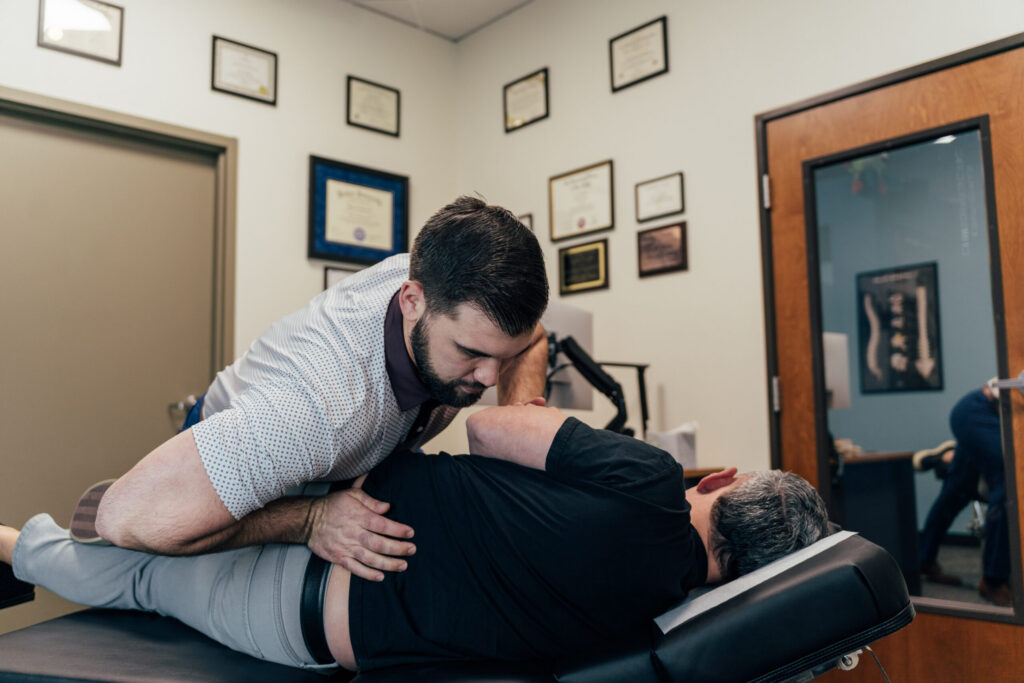

As a local chiropractor, I understand that neck discomfort can significantly impact your daily life, and I want you to know that you’re not alone in this journey. Many people experience similar issues, and it’s essential to grasp the underlying causes of your discomfort. By implementing trusted methods, we can work together to make a meaningful difference in your well-being.
One of the first steps is correcting your posture. Often, simple adjustments in how you sit or stand can lead to substantial improvements. Additionally, I can guide you through targeted exercises designed specifically to strengthen the muscles in your neck and improve flexibility.
We can also explore ergonomic adjustments in your workspace or home environment, which can play a crucial role in alleviating pain. In my practice, I often recommend therapy options, such as chiropractic adjustments, which can help restore proper alignment and function to your spine, relieving tension in your neck.
Are you ready to discover practical solutions that can enhance your quality of life? Together, we can create a personalized plan to address your neck discomfort and promote natural healing.
Understanding the Causes of Neck Discomfort
As a local chiropractor, I often see patients who are dealing with neck discomfort, and it’s important to understand that this issue is frequently linked to our everyday habits. Many of us engage in activities without considering how they impact our bodies.
For example, poor ergonomics at your desk can place unnecessary strain on your neck, often without you realizing it. If you find yourself spending long hours hunched over your phone or computer, you may be adopting a forward head posture, which puts excessive pressure on your neck muscles.
Additionally, the way you sleep can significantly affect your neck health. Sleeping in awkward positions can leave you feeling stiff and in pain upon waking.
Even seemingly harmless activities, like carrying a heavy bag or looking up for extended periods, can lead to discomfort over time.
It’s also essential to recognize that stress can contribute to muscle tension in the neck. When you’re feeling stressed, your muscles can tighten, leading to chronic pain.
By understanding these common causes of neck discomfort, you can begin to identify patterns in your daily routine that may be contributing to your pain.
As your chiropractor, I encourage you to be mindful of these triggers. By recognizing them, you can take proactive steps not only to alleviate your pain but also to enhance your overall neck health through natural healing practices.
Together, we can work towards improving your well-being and ensuring that your neck feels its best.
Importance of Proper Posture
As a local chiropractor, I’m here to emphasize the importance of maintaining proper posture for your overall health and well-being. When you sit or stand with a straight spine, your muscles and ligaments function more effectively, which helps reduce strain on your neck.
Many of us find ourselves slouching, especially during long hours at a desk or while scrolling through our phones. Unfortunately, this habit can lead to tension and discomfort over time. It’s essential to be mindful of your posture in all activities—whether you’re sitting, standing, or walking.
Consider utilizing ergonomic furniture and positioning your computer screen at eye level to keep your neck properly aligned. When standing, make sure to distribute your weight evenly on both feet to avoid leaning forward.
If you frequently look down at your phone, try raising it to eye level instead. By incorporating these adjustments into your daily routine, you can significantly reduce the chances of experiencing neck discomfort and promote your overall health.
Prioritizing good posture is a simple yet effective way to enhance your well-being, and as your chiropractor, I encourage you to take these steps for a healthier lifestyle.
Stretching and Strengthening Exercises
As your local chiropractor, I want to share some effective ways to alleviate neck discomfort and enhance your spinal health through simple stretching and strengthening exercises.
These practices can be a vital part of your wellness routine, especially if you aren’t familiar with chiropractic care.
Begin with gentle neck stretches to help release tension. Tilt your head side to side and forward, holding each position for about 15-30 seconds. This not only eases discomfort but also promotes flexibility in the neck muscles.
Next, let’s focus on strengthening exercises that support your neck. Incorporate shoulder shrugs and neck resistance exercises into your routine. For neck resistance, gently push against your hand while keeping your head still. Aim for 10-15 repetitions for each exercise to build strength over time.
It’s also important to address your upper back and core strength. A strong upper body provides essential support for your neck, helping to prevent strain. Exercises such as rows and planks can significantly enhance your stability and overall posture.
Always listen to your body – if you experience any pain during these exercises, stop immediately.
Consistency is crucial, so try to dedicate time a few times a week for these stretches and strengthening routines. With regular practice, you should notice improved mobility and a reduction in discomfort over time.
Ergonomic Adjustments in Your Workspace
As a local chiropractor, I want to share some important tips on how to create a workspace that can help minimize neck discomfort. The way you set up your environment can significantly impact your overall well-being, especially if you’re spending long hours working at a desk.
First, let’s talk about your chair and desk height. It’s essential that your feet rest flat on the floor, and your knees are positioned at or slightly below your hips. This positioning helps maintain proper alignment of your spine.
Your monitor should be at eye level and about an arm’s length away. This prevents you from tilting your head down or straining your neck.
If you find yourself using a laptop, I highly recommend investing in a stand. Pair it with an external keyboard and mouse, which can enhance your posture and reduce neck strain.
Support for your lower back is crucial as well. Your chair should provide adequate lumbar support. If it doesn’t, consider using a lumbar roll or cushion to maintain the natural curve of your spine.
It’s also vital to keep frequently used items within easy reach. This will help you avoid awkward twisting motions that can lead to discomfort.
When typing, try to maintain a relaxed shoulder position and keep your elbows close to your body, ideally at a 90-degree angle.
Lastly, don’t underestimate the importance of lighting. Reducing glare on your screen can prevent unnecessary strain on your neck and eyes.
Heat and Cold Therapy
As a local chiropractor, I want to share with you some effective strategies for managing neck discomfort, particularly through heat and cold therapy.
These methods can be incredibly beneficial in alleviating pain and promoting healing.
Heat therapy is excellent for relaxing tight muscles and enhancing blood circulation in the affected area. When you apply heat, it helps to soothe stiffness and can provide a sense of comfort.
On the other hand, cold therapy is effective in reducing inflammation and numbing the pain. By applying cold, you can help manage swelling and provide immediate relief to sore areas.
By understanding the unique benefits of each therapy, you can make informed decisions about which method may work best for your specific situation.
Benefits of Heat Therapy
As a local chiropractor, I often see patients struggling with neck discomfort. It’s important to know that heat therapy is a simple yet highly effective method to alleviate pain and promote relaxation in the neck area.
When you apply heat, you stimulate increased blood flow to the affected muscles, which helps to reduce stiffness and encourages the healing process.
Whether you choose to use a warm towel, a heating pad, or enjoy a hot shower, the soothing warmth can relax tense muscles, making it easier for you to move your neck without pain.
Additionally, heat therapy can prompt the release of endorphins—your body’s natural painkillers—providing you with even more relief.
Moreover, heat therapy not only helps with physical discomfort but also creates a calming effect, allowing you to unwind after a hectic day.
By incorporating heat therapy into your self-care routine, you can significantly enhance your overall well-being and manage neck discomfort more effectively.
If you’re new to chiropractic care and natural healing, I encourage you to explore the benefits of heat therapy as a valuable tool in your journey towards pain relief and improved health.
Advantages of Cold Therapy
As a local chiropractor, I want to share with you the benefits of cold therapy, especially for managing neck discomfort.
While many people are familiar with the soothing effects of heat therapy, cold therapy is another powerful tool in your healing arsenal. It’s particularly effective in reducing inflammation and numbing sharp pain, providing immediate relief when you need it most.
When you apply cold therapy, it constricts blood vessels, which helps to limit swelling—making it an excellent choice after an injury or during flare-ups of discomfort. Additionally, cold packs can offer a refreshing sensation, helping you feel more at ease during those challenging days.
Incorporating cold therapy into your routine is simple. Just apply a cold pack wrapped in a cloth to protect your skin for about 15-20 minutes.
This practice can be easily integrated into your daily schedule, and when used alongside heat therapy, it creates a balanced approach to your overall comfort and recovery. Together, these methods can significantly enhance your healing process and help you manage neck discomfort more effectively.
If you have any questions or would like personalized advice, don’t hesitate to reach out!
Mindfulness and Stress Management Techniques
As a local chiropractor, I want to share some valuable insights on how mindfulness and stress management techniques can significantly impact your neck health.
When you experience neck discomfort, incorporating practices like breath awareness, guided imagery, and progressive muscle relaxation can be incredibly beneficial. These techniques not only help reduce tension but also promote your overall well-being.
By focusing on your breath, you can calm your mind and release built-up stress that may be contributing to your discomfort. Guided imagery allows you to visualize relaxation and healing, creating a mental environment that supports recovery.
Additionally, progressive muscle relaxation helps you systematically release tension from your body, which can alleviate discomfort in the neck area.
I encourage you to integrate these practices into your daily routine. They can complement the chiropractic care you receive and lead to better neck health and an improved quality of life.
If you have any questions or would like to learn more about how these techniques can work alongside chiropractic treatment, feel free to reach out!
Breath Awareness Practices
As a local chiropractor, I often see patients struggling with neck discomfort, and I want to share how simple breath awareness practices can be a valuable tool in your healing journey. By becoming more attuned to your breath, you can foster a calming effect that helps alleviate tension in your neck and shoulders.
To get started, find a comfortable position—whether sitting or lying down—close your eyes, and take a few deep breaths. Pay attention to the rhythm of your inhalations and exhalations, and notice how your chest rises and falls.
As you breathe deeply, visualize the tension in your neck melting away with each exhale. This practice not only promotes relaxation but also enhances your awareness of your body, allowing you to pinpoint areas where you may be holding stress.
By incorporating breath awareness into your daily routine, you can cultivate a sense of mindfulness that supports your overall well-being and makes it easier to manage neck discomfort.
Guided Imagery Techniques
As a local chiropractor, I often emphasize the importance of holistic approaches to managing discomfort and stress, particularly for those experiencing neck tension.
One effective method I recommend is guided imagery techniques. This practice involves visualizing calming images that can help redirect your mind and alleviate discomfort. Here’s how you can incorporate guided imagery into your routine:
- Picture a serene beach: Close your eyes and imagine the soothing sound of waves gently crashing on the shore, while the warmth of the sun envelops you.
- Visualize a peaceful forest: Envision yourself surrounded by tall trees, breathing in the fresh air, and listening to the gentle rustle of leaves in the breeze.
- Imagine a flowing river: Picture a clear river gliding over smooth stones, allowing it to carry away any tension you may be holding in your neck and shoulders.
- Create a personal sanctuary: Design a mental image of a cozy, safe space where you can completely relax and feel at ease, free from distractions.
Engaging with these calming images can significantly enhance your ability to relax and may help reduce neck discomfort effectively.
Incorporating such techniques alongside chiropractic care can lead to improved overall well-being.
Progressive Muscle Relaxation
As a chiropractor, I often encounter patients who experience neck discomfort and are seeking effective ways to find relief. One powerful technique I recommend is called Progressive Muscle Relaxation (PMR). This method involves systematically tensing and relaxing various muscle groups, which can help release the tension that accumulates in your neck and shoulders.
To get started, find a quiet and comfortable space where you can sit or lie down without distractions. Focus on one muscle group at a time—begin with your shoulders. Tense the muscles for a few seconds, then consciously relax them.
As you move through different areas of your body, pay attention to the difference between the sensations of tension and relaxation. Incorporating PMR into your daily routine not only helps to alleviate discomfort but also encourages mindfulness, reducing stress and promoting your overall well-being.
It’s a simple yet effective tool that complements the care I provide in my practice. I encourage you to give it a try and see how it can enhance your journey towards better health!
Professional Treatments: Chiropractic and Physical Therapy
If you’re experiencing persistent neck discomfort, I encourage you to explore professional treatments like chiropractic care and physical therapy. These methods are designed to address the root causes of your pain, helping you regain both mobility and comfort in your daily life.
Here are some key benefits of chiropractic care and physical therapy that may be new to you:
- Spinal Adjustments: As a chiropractor, I focus on realigning your spine. This process can relieve pressure on nerves and significantly reduce discomfort, promoting overall wellness.
- Targeted Exercises: Physical therapists work closely with patients to create individualized exercise programs. These exercises strengthen your neck muscles and enhance flexibility, contributing to long-term relief.
- Manual Therapy: Utilizing hands-on techniques, I can help alleviate tension and improve circulation in your neck area. This approach not only feels great but also supports your healing process.
- Education: One of my goals is to empower you with knowledge about proper posture and body mechanics. Understanding these principles can help you prevent future issues and maintain your progress.
By choosing chiropractic care and physical therapy, you’re taking a proactive step towards a healthier, pain-free life.
I’m here to guide you on this journey to recovery and well-being.
The Role of Sleep in Neck Health
As a local chiropractor, I want to emphasize the crucial role that sleep plays in maintaining your neck health. During sleep, your body enters a restorative phase where it repairs itself, helping to reduce inflammation and allowing muscles and tissues to recover from the daily wear and tear we all experience. If you find yourself waking up with neck stiffness or pain, it may be a sign that you’re not getting enough quality rest.
One important aspect to consider is your pillow choice. The right pillow is essential for proper spinal alignment. A pillow that’s too high or too low can strain your neck muscles, leading to discomfort and potential long-term issues.
I also recommend being mindful of your sleep position; sleeping on your back or side is generally preferable. Sleeping on your stomach can twist your neck and cause unnecessary strain.
Establishing a consistent sleep schedule can significantly enhance your overall sleep quality. It’s important to create a sleep environment that’s dark, quiet, and comfortable.
By prioritizing good sleep hygiene, you not only support your neck health but also improve your overall well-being. This will make it easier to manage any discomfort during your waking hours.
When to Seek Medical Attention
Recognizing when to seek chiropractic care for neck discomfort is crucial in preventing further complications. As your local chiropractor, I want to help you understand the signs that indicate it’s time to reach out for professional assistance:
- Severe Pain: If you’re experiencing intense pain that disrupts your daily activities or doesn’t improve with rest and over-the-counter pain relievers, it’s essential to seek care. Chronic pain can often be alleviated with targeted chiropractic adjustments.
- Numbness or Tingling: If you notice weakness, numbness, or tingling sensations in your arms or hands, this could suggest nerve compression, which we can address through specific chiropractic techniques.
- Radiating Pain: Discomfort that spreads down your arms or into your shoulders may indicate a more serious underlying issue. Chiropractic care often provides relief and can help restore proper function.
- Accompanying Symptoms: If you’re also experiencing symptoms like fever, headaches, or unexplained weight loss along with neck pain, it’s important to get evaluated. These symptoms may require a more comprehensive approach to your health.
Don’t overlook these warning signs. Early chiropractic intervention can lead to better outcomes and help prevent chronic issues from developing.
Your neck health is important, and I encourage you to reach out for support whenever you feel the need. Together, we can explore natural healing methods to enhance your well-being.
Conclusion
As a local chiropractor, I want to share some trusted methods that can help you effectively manage neck discomfort and enhance your overall well-being. One of the first things to focus on is maintaining good posture throughout your day. This simple change can make a significant difference in how your neck feels.
Incorporating stretching exercises into your routine is also essential. Gentle stretches can relieve tension and improve flexibility in your neck area. Additionally, making ergonomic adjustments to your workspace can prevent strain and support proper alignment.
I also encourage you to explore the benefits of heat and cold therapy. Applying heat can relax tight muscles, while cold therapy can reduce inflammation. Pairing these methods with mindfulness techniques can help you manage stress, which is often a contributor to neck discomfort.
If you find that your discomfort persists despite these efforts, I invite you to consider professional help. As a chiropractor, I can assess your condition and provide tailored treatments to alleviate your pain and promote healing. Taking these steps can lead you to relief and significantly improve your neck health over time. Your well-being is important, and I’m here to support you on your journey to feeling better.