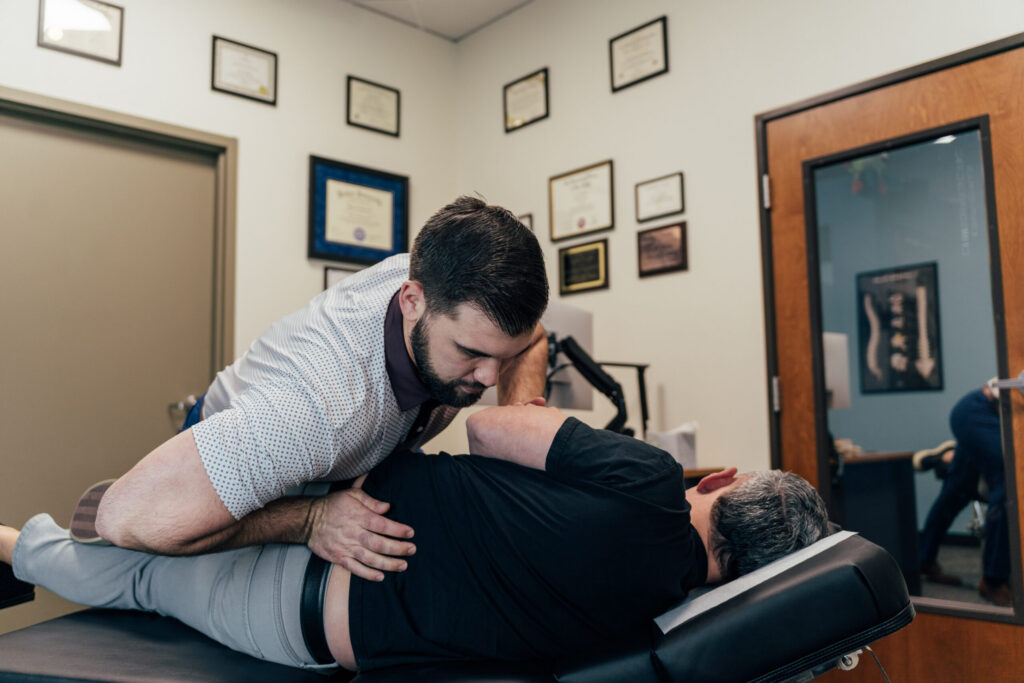

Managing chronic pain can often feel daunting, but as your local chiropractor, I want you to know that you don’t have to navigate this journey alone. There are various natural strategies we can explore together that can help you regain control and enhance your quality of life.
Chiropractic care focuses on the relationship between the body’s structure and function, and it plays a vital role in pain management. Alongside chiropractic adjustments, we can discuss the importance of nutrition, tailored exercise programs, and mindfulness techniques to support your healing process. You might be surprised to learn how these elements can work together to improve your overall well-being.
As we embark on this journey, think about what your first step might be. Whether it’s scheduling an initial consultation or exploring lifestyle changes, taking that first step is key to finding relief and building resilience against chronic pain. Let’s work together to uncover the best strategies for your unique situation.
Understanding Chronic Pain: The Basics
As a local chiropractor, I want to take a moment to talk to you about chronic pain and how it affects your life. I understand that living with chronic pain can feel overwhelming and isolating, especially if you don’t fully grasp what’s happening in your body.
It’s important to know that chronic pain isn’t just a symptom; it’s a complex condition that can significantly impact both your physical and emotional well-being.
Chronic pain can linger for weeks, months, or even years, often outlasting the initial injury or illness that caused it. You may find that daily tasks become difficult, and you might be dealing with fatigue or feelings of anxiety and depression as a result.
This is where understanding the underlying mechanisms of chronic pain can be incredibly beneficial. In my practice, I often see how chronic pain signals can become miswired in the nervous system, leading to increased sensitivity to pain. Several factors contribute to this, including genetics, inflammation, and psychological stress.
By recognizing these elements, you can better address your pain and take steps towards relief. Educating yourself about chronic pain is the first step towards regaining control over your life.
Chiropractic care focuses on natural healing methods aimed at restoring balance and function to your body. Through personalized treatment plans, we can work together to find the right strategies that suit your individual needs.
My goal is to empower you with knowledge and effective techniques for managing your chronic pain, allowing you to live a more fulfilling life.
The Role of Nutrition in Pain Management
As a local chiropractor dedicated to your well-being, I want to emphasize that managing chronic pain goes beyond just addressing physical symptoms. One crucial aspect that often gets overlooked is the role of nutrition in your healing journey. The foods you consume can significantly impact inflammation, energy levels, and your overall sense of well-being, making it essential to make informed dietary choices.
Here are some nutritional strategies I encourage you to consider integrating into your daily routine:
- Anti-inflammatory foods: Focus on incorporating plenty of fruits, vegetables, and whole grains into your diet. These foods can help lower inflammation in your body, which is often a key contributor to pain.
- Healthy fats: Don’t shy away from healthy fats found in sources like olive oil and fatty fish. These fats are beneficial for brain health and may help alleviate pain sensations.
- Hydration: It’s vital to stay well-hydrated. Dehydration can amplify your perception of pain, so ensure you’re drinking enough water throughout the day.
- Balanced meals: Aim for a balanced intake of proteins, carbohydrates, and fats. This balance will help you maintain steady energy levels and prevent fatigue, allowing you to better cope with any discomfort.
By understanding how nutrition interacts with your body, you can take proactive steps towards managing your pain naturally.
Together with chiropractic care, these nutritional changes can significantly enhance your healing process.
Incorporating Exercise and Physical Activity
As a local chiropractor, I want to emphasize the importance of incorporating regular movement into your daily routine. Not only can it help alleviate chronic pain, but it can also enhance your overall well-being.
It’s crucial to select activities that align with your body’s needs and your comfort level, as this will keep you motivated and engaged.
Let’s discuss the myriad benefits of exercise and how to find the right activities that work for you, especially in the context of chiropractic care and natural healing.
By integrating movement into your life, you can support your spine, improve flexibility, and promote a healthier lifestyle.
Together, we can explore the best options that suit your individual health goals.
Benefits of Regular Movement
As a local chiropractor, I understand that managing chronic pain can often feel overwhelming. However, I want to share some valuable insights on how regular movement can significantly improve your quality of life.
Incorporating consistent physical activity into your daily routine can alleviate discomfort and enhance your overall well-being. Here are some essential benefits of movement that I encourage my patients to consider:
- Increased flexibility: Engaging in regular movement helps keep your joints and muscles flexible, reducing stiffness and promoting easier mobility.
- Boosted mood: Physical activity stimulates the release of endorphins, which are natural mood lifters. This can help you feel more positive and alleviate feelings of anxiety that often accompany chronic pain.
- Improved strength: Building muscle strength is crucial for providing better support to your body. This support can help reduce pain and improve your ability to perform daily activities.
- Enhanced sleep quality: Regular physical activity can assist you in falling asleep more quickly and enjoying deeper, more restorative rest, which is vital for healing and recovery.
Incorporating movement into your routine is a natural and effective way to manage pain and improve your overall health.
As your chiropractor, I’m here to guide you in finding the right exercises that suit your individual needs and help you on your journey to wellness.
Choosing Suitable Activities
As a local chiropractor, I want to emphasize the importance of finding activities that cater to your individual needs, especially when it comes to managing pain and enhancing your overall well-being.
It’s crucial to start by assessing your current fitness level and identifying any pain triggers you may have.
I recommend considering low-impact exercises such as swimming, cycling, or yoga. These activities can help strengthen your body while minimizing stress on your joints, which is essential for maintaining mobility and reducing discomfort.
Remember, it’s important to listen to your body; if you experience pain during an activity, it’s a sign to stop and reassess rather than pushing through the discomfort.
Incorporating gentle stretches and balance exercises can significantly improve your flexibility and stability, which are important for injury prevention.
And don’t forget to make your routine enjoyable! Participating in a class or exploring outdoor activities that you find exciting can make a big difference in your motivation to stay active.
Consistency is key in any healing journey, so I encourage you to set realistic and achievable goals for yourself.
Even small amounts of movement can create a positive impact on managing chronic pain over time.
Stay optimistic, and don’t hesitate to experiment with different activities until you discover what feels best for you.
Exploring Mindfulness and Relaxation Techniques
As a local chiropractor, I want to share how mindfulness and relaxation techniques can significantly enhance your experience in managing chronic pain.
Incorporating mindfulness into your daily routine allows you to concentrate on the present moment, reducing anxiety and stress that often accompany discomfort. Additionally, simple breathing exercises can offer immediate relief by calming your nervous system.
Moreover, guided imagery techniques can serve as a powerful tool, allowing you to create mental sanctuaries that help you escape from pain temporarily.
By integrating these natural healing methods into your pain management strategy, you can complement chiropractic care and improve your overall well-being.
Let’s explore how these practices can work alongside your chiropractic treatments for optimal results.
Benefits of Mindfulness Practice
As a local chiropractor dedicated to helping patients manage chronic pain, I want to share how incorporating mindfulness practices into your daily routine can significantly enhance your well-being.
Mindfulness encourages you to focus on the present moment, which can help alleviate stress and foster a greater sense of overall health. By integrating these techniques, you can cultivate calm and resilience, which are essential for managing pain effectively.
Here are some benefits you may experience through mindfulness:
- Reduced Anxiety: Mindfulness practices can lower your stress levels, allowing you to feel more relaxed and at ease throughout the day.
- Enhanced Emotional Regulation: By practicing mindfulness, you’ll find that you can respond to pain more thoughtfully and with greater control, rather than reacting impulsively.
- Improved Pain Perception: Mindfulness can alter the way you perceive pain, often making it feel less intense, which can be a game-changer for those struggling with chronic discomfort.
- Increased Self-Awareness: Engaging in mindfulness helps you become more in tune with your body and its needs, promoting better self-care and a deeper understanding of your physical state.
Incorporating these mindfulness techniques can work hand-in-hand with chiropractic care, offering a holistic approach to your health and pain management.
Breathing Exercises for Relief
As a chiropractor, I often emphasize the importance of incorporating breathing exercises into your daily routine to complement your chiropractic care and enhance your overall well-being. Focused breathing not only helps you connect with your body but also promotes relaxation, which can be particularly beneficial in managing chronic pain.
One effective technique is deep belly breathing. To practice this, gently inhale through your nose, allowing your abdomen to rise fully, and then exhale slowly through your mouth. Repeat this process for a few minutes, consciously releasing any tension you may feel with each breath.
Another method I recommend is 4-7-8 breathing. Inhale deeply for a count of four, hold your breath for a count of seven, and then exhale fully for a count of eight. This technique is great for calming your nervous system and reducing stress levels.
By incorporating these breathing exercises into your daily habits, you can create a powerful tool for pain relief, fostering a greater sense of control and tranquility in your life.
Guided Imagery Techniques
As a local chiropractor, I want to introduce you to the concept of guided imagery techniques, which can be a valuable addition to your journey towards relaxation and natural pain relief. This practice harnesses the power of your imagination to create a mental sanctuary that not only helps reduce stress but also alleviates discomfort associated with chronic pain.
Here are some of the key benefits of incorporating guided imagery into your wellness routine:
- Enhances relaxation: Guided imagery can help you achieve a deeply relaxed state, which is essential for reducing tension and anxiety often associated with pain.
- Improves focus: By directing your mind away from discomfort, you can cultivate a sense of control over your body and its responses.
- Boosts emotional well-being: Engaging in positive visualizations can foster uplifting feelings, which may lower your perception of pain.
- Promotes self-awareness: This technique encourages you to connect with your body and recognize what triggers your pain, empowering you to address it more effectively.
Integrating guided imagery into your chiropractic care can be an effective tool in managing chronic pain naturally, complementing the adjustments and therapies I provide.
Together, we can work towards enhancing your overall wellness.
The Benefits of Alternative Therapies
As a local chiropractor, I want to share how alternative therapies can play a vital role in managing chronic pain, especially when conventional treatments may not provide the relief you’re seeking.
Practices like chiropractic adjustments, acupuncture, yoga, and massage therapy can offer significant benefits by focusing on the entire person—addressing not just the physical symptoms, but also the emotional and mental aspects of your pain.
Incorporating chiropractic care and these alternative therapies into your wellness routine can help enhance your body’s natural healing processes. Many of my patients report improved flexibility, reduced muscle tension, and an overall sense of well-being after consistent treatment.
These approaches empower you to take an active role in your pain management, which is crucial for achieving long-term relief.
One of the great advantages of alternative therapies, including chiropractic care, is that they typically come with fewer side effects compared to traditional medications. This makes them a safer option for managing chronic pain over time.
By exploring these alternatives, you may find a greater sense of control over your pain, which can positively impact your mood and overall quality of life.
Embracing chiropractic care and other natural healing methods can lead to a more balanced and fulfilling life, even in the face of chronic pain.
Building a Support Network
As a chiropractor, I want to emphasize that managing chronic pain involves more than just physical treatments; having a supportive network is crucial for your healing journey. Surrounding yourself with understanding individuals can alleviate feelings of isolation and enhance your ability to cope with pain.
Here are some ways to build your support network:
- Family and Friends: Engage with loved ones who genuinely care about your well-being. Their emotional support can be invaluable as you navigate your pain management journey.
- Support Groups: Consider joining local or online communities where you can connect with others who understand what you’re experiencing. Sharing your story and learning from the experiences of others can provide comfort and insight.
- Healthcare Professionals: Establish strong relationships with your healthcare team, including chiropractors, physical therapists, and counselors. We’re here to guide you, create personalized treatment plans, and help you understand your condition better.
- Advocacy Organizations: Connect with organizations focused on chronic pain advocacy. These groups offer valuable resources, information, and a sense of community that can empower you on your path to wellness.
Building a network not only helps you feel more understood but also strengthens your ability to manage pain effectively.
Tracking Pain Triggers and Responses
As you begin your journey towards managing chronic pain, it’s essential to understand how tracking your pain triggers and responses can significantly benefit your healing process. One of the first steps I recommend is keeping a detailed pain diary. This diary should include the time, intensity, and type of pain you experience, as well as any activities, foods, or stressors that may be present during those times. By documenting this information, you can uncover patterns and potential triggers that may be affecting your pain levels.
Additionally, it’s important to note your emotional state and sleep quality in your diary. These elements can have a profound impact on your overall pain experience. You might find it helpful to use apps or simple spreadsheets to organize this data, making it easier to analyze and spot trends.
After you’ve gathered sufficient information over time, take a moment to review your entries regularly. You’ll likely notice patterns that can inform better management strategies for your pain. Sharing your findings with me or any healthcare provider can help refine your treatment plan.
Conclusion
As your local chiropractor, I’m here to help you understand how a holistic approach can significantly improve your experience with chronic pain. By integrating nutritious foods into your diet, maintaining an active lifestyle, and practicing mindfulness techniques, you can effectively alleviate discomfort and enhance your overall mood.
Chiropractic care focuses on the body’s musculoskeletal system, and it can play a vital role in managing pain. I encourage you to explore alternative therapies that resonate with you, such as acupuncture or massage therapy, as they can complement your chiropractic treatment.
One of the keys to effective pain management is recognizing your pain triggers and responses. Keeping a journal of your experiences can empower you to make informed choices about your health. Additionally, a strong support network—whether friends, family, or fellow patients—can provide encouragement and motivation throughout your healing journey. Together, we can work towards enhancing your quality of life and helping you regain control over your well-being.