
You might be surprised at how effective non-invasive therapies can be for managing stress. By incorporating practices like mindfulness, yoga, or even simple breathing exercises into your daily routine, you can foster a sense of calm without the need for complex interventions. These techniques not only promote relaxation but also enable you to create a personalized approach to stress relief. As you explore these options, you may discover unexpected benefits that go beyond just feeling better in the moment. What if you could access new levels of emotional resilience and well-being?
Understanding Stress and Its Effects
Stress is something we all experience, and understanding its effects can be the first step toward managing it effectively. When you feel stressed, your body releases hormones like cortisol and adrenaline, triggering a fight-or-flight response. This reaction can be useful in short bursts but becomes harmful when stress is chronic.
You might notice physical symptoms like headaches, fatigue, or muscle tension, which can impact your daily life and overall well-being. Emotionally, stress can lead to anxiety, irritability, or even depression. You may find it hard to focus, make decisions, or maintain relationships. Recognizing these effects is essential; they signal that your body is overwhelmed and needs a break.
Stress can also affect your sleep patterns, leaving you feeling exhausted and less productive. Socially, stress can isolate you. You might withdraw from friends or family, thinking you can handle it alone, but that can worsen your situation. It's important to acknowledge these feelings and understand that reaching out for support can be beneficial.
Benefits of Non-Invasive Therapy
Finding effective ways to manage the overwhelming effects of stress is essential for maintaining your well-being. Non-invasive therapy offers a range of benefits that can help you reduce stress without the need for medication or surgical procedures. One of the key advantages is that it promotes relaxation and enhances your overall mental health. By engaging in non-invasive techniques, you can experience a significant decrease in anxiety levels and an improvement in your mood.
Another benefit is the accessibility of these therapies. Many non-invasive options, such as breathing exercises, yoga, and guided imagery, can be practiced at home or in a community setting, making them easy to incorporate into your daily routine. This flexibility allows you to find what works best for you, ensuring that you stay committed to your stress-relief journey.
Non-invasive therapy also empowers you to take control of your own health. By exploring different methods, you can discover personalized strategies that resonate with you. This sense of agency can itself be a powerful tool for reducing stress, as it shifts your focus from feeling overwhelmed to actively managing your well-being.
Additionally, these therapies often encourage mindfulness, helping you to stay present and focused instead of getting caught up in stressors. This can lead to greater emotional resilience and improved coping mechanisms.
Mindfulness and Meditation Techniques
Mindfulness and meditation techniques are powerful tools for managing stress and enhancing your overall well-being. By practicing mindfulness, you can train your mind to stay present, reducing the overwhelming feelings that often come with stress. Start by setting aside just a few minutes each day to focus on your breath. Sit comfortably, close your eyes, and take deep, slow breaths. As you inhale, feel the air filling your lungs; as you exhale, release any tension you're holding onto.
You might find it helpful to practice guided meditation. There are plenty of apps and online resources that offer guided sessions tailored to stress relief. These can provide structure, making it easier for you to stay focused and committed. As you listen, let the narrator's voice guide you into a state of relaxation.
Another effective technique is body scan meditation. This involves mentally scanning your body for areas of tension. Start from your toes and work your way up, consciously relaxing each part of your body. This not only promotes relaxation but also helps you become more aware of how stress manifests physically.
Incorporating mindfulness into your daily routine can also be beneficial. Try to perform everyday tasks with full attention, whether it's eating, walking, or even washing dishes. By grounding yourself in the present moment, you can cultivate a sense of calm that helps counteract the stress of daily life.
Yoga for Stress Relief
Yoga offers a powerful way to relieve stress, helping you find balance and calm in your busy life.
With its simple poses and focused breathing, you can experience immediate benefits that enhance your well-being.
Let's explore some effective yoga practices that can transform how you handle stress.
Benefits of Yoga
When life's pressures start to mount, embracing the benefits of yoga can be a transformative way to manage stress. Practicing yoga helps you cultivate mindfulness, allowing you to focus on the present moment rather than worry about the past or future. As you breathe deeply and move through various poses, you'll naturally release tension stored in your body.
Yoga also promotes physical health, improving flexibility, strength, and balance. This physical activity releases endorphins, which are natural mood lifters. You'll find that regular practice reduces anxiety and enhances your overall emotional well-being.
Additionally, the meditative aspects of yoga encourage you to reflect and center yourself, fostering a sense of calm and clarity amidst chaos. Connecting your breath with movement can help ground you, providing a break from the whirlwind of daily life.
Moreover, yoga builds a sense of community if you choose to practice in a group setting. This connection can enhance your support system, making stress more manageable.
With consistent practice, you'll discover that yoga can be a powerful tool for steering through life's challenges, helping you face each day with resilience and peace.
Simple Yoga Poses
Incorporating simple yoga poses into your daily routine can be an effective way to combat stress and restore balance. You don't need to be an expert; even a few minutes a day can make a difference.
Start with Child's Pose, which helps release tension in your back and shoulders. Kneel on the floor, sit back on your heels, and reach your arms forward on the mat, breathing deeply.
Next, try Cat-Cow Pose to ease spinal tension. Begin on all fours, arch your back up while exhaling (Cat), then lower your belly and lift your head while inhaling (Cow). This flow can help you connect your breath with movement, calming your mind.
Finally, include Forward Bend to relieve stress. Stand tall, hinge at your hips, and let your upper body hang while keeping a slight bend in your knees. Feel the stretch in your hamstrings and take a few calming breaths.
These simple poses can easily fit into your day, whether you're at home or on a break. Embrace the moment and let your breath guide you toward relaxation.
Breathing Exercises to Calm the Mind
Breathing exercises can be a powerful tool for calming your mind and reducing stress.
By practicing deep breathing techniques, you can access various benefits, such as improved focus and relaxation.
Let's explore some simple methods you can easily incorporate into your daily routine.
Benefits of Deep Breathing
Harnessing the power of deep breathing can greatly reduce stress and promote a sense of calm. When you focus on your breath, you're not just taking in air; you're also engaging in a powerful tool that can shift your mental state and ease tension.
Here are some benefits you might experience:
- Reduces Anxiety: Deep breathing activates your body's relaxation response, helping to lower anxiety levels.
- Improves Focus: Focusing on your breath can clear your mind, enhancing your concentration and productivity.
- Enhances Mood: By increasing oxygen flow, deep breathing can release endorphins, boosting your mood.
- Lowers Blood Pressure: Practicing deep breathing regularly can help lower your heart rate and blood pressure, promoting overall cardiovascular health.
- Promotes Mindfulness: This practice encourages you to stay present, which can improve your emotional well-being.
Incorporating deep breathing into your daily routine can transform your stress management.
Simple Breathing Techniques
Finding effective breathing techniques can be a game changer for calming your mind and relieving stress. You don't need to invest a lot of time; just a few minutes of focused breathing can make a significant difference.
One simple technique is the 4-7-8 method. Inhale deeply through your nose for a count of four, hold your breath for seven counts, and then exhale slowly through your mouth for eight counts. Repeat this cycle four times.
Another effective exercise is diaphragmatic breathing. Sit or lie down comfortably, place one hand on your chest and the other on your belly. Breathe in deeply through your nose, ensuring your belly rises more than your chest. Exhale through your mouth, feeling your belly fall. Aim for five to ten minutes of this practice.
Finally, try box breathing, especially if you need to regain focus. Inhale for four counts, hold for four, exhale for four, and hold again for four. This rhythmic approach calms your nervous system and promotes a sense of control.
Incorporating Breathing Into Routine
Integrating breathing exercises into your daily routine can especially enhance your ability to manage stress. By prioritizing just a few minutes each day, you can create a calming habit that grounds you amidst life's chaos.
Here's how you can easily incorporate breathing exercises into your routine:
- Morning Mindfulness: Start your day with five deep breaths before getting out of bed.
- Break Time Breathing: Take a few minutes during work breaks to practice deep, slow breathing to refocus your mind.
- Mindful Commute: Use your commute as an opportunity to engage in rhythmic breathing, especially if you're stuck in traffic.
- Evening Wind-Down: Dedicate time in the evening to a breathing exercise, helping you shift into relaxation before bedtime.
- Daily Reminders: Set reminders on your phone to prompt you to take a few deep breaths throughout the day.
These simple yet effective practices can help you cultivate a sense of calm and clarity.
Aromatherapy and Essential Oils
Aromatherapy offers a soothing escape from daily stressors, utilizing the natural power of essential oils to promote relaxation and well-being. By harnessing the benefits of various plant extracts, you can create a calming atmosphere that helps alleviate anxiety and tension.
Whether you prefer diffusers, inhalation, or topical application, there's a method that suits your needs.
To start, choose essential oils known for their stress-relieving properties. Lavender is a popular choice, renowned for its calming effects. Just a few drops in your diffuser or a cotton ball can transform your space into a tranquil haven.
Other effective oils include chamomile, bergamot, and frankincense, each offering unique benefits that help you unwind.
If you're on the go, consider using a roll-on blend. These portable options let you apply essential oils directly to pulse points, allowing you to inhale their soothing aromas whenever stress arises. You don't need to overthink it; simply apply and breathe deeply.
You can also elevate your self-care routine by adding essential oils to your bath. Combine them with Epsom salts for an indulgent experience that promotes relaxation and rejuvenation. Just be sure to dilute oils in a carrier oil to avoid skin irritation.
Incorporating aromatherapy into your daily life can greatly enhance your mood and overall well-being. By exploring the diverse world of essential oils, you'll discover the perfect scents that resonate with you, helping to cultivate a peaceful mindset amidst life's chaos.
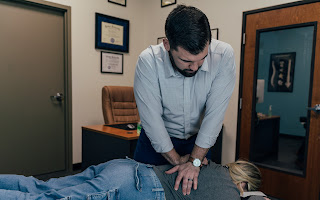
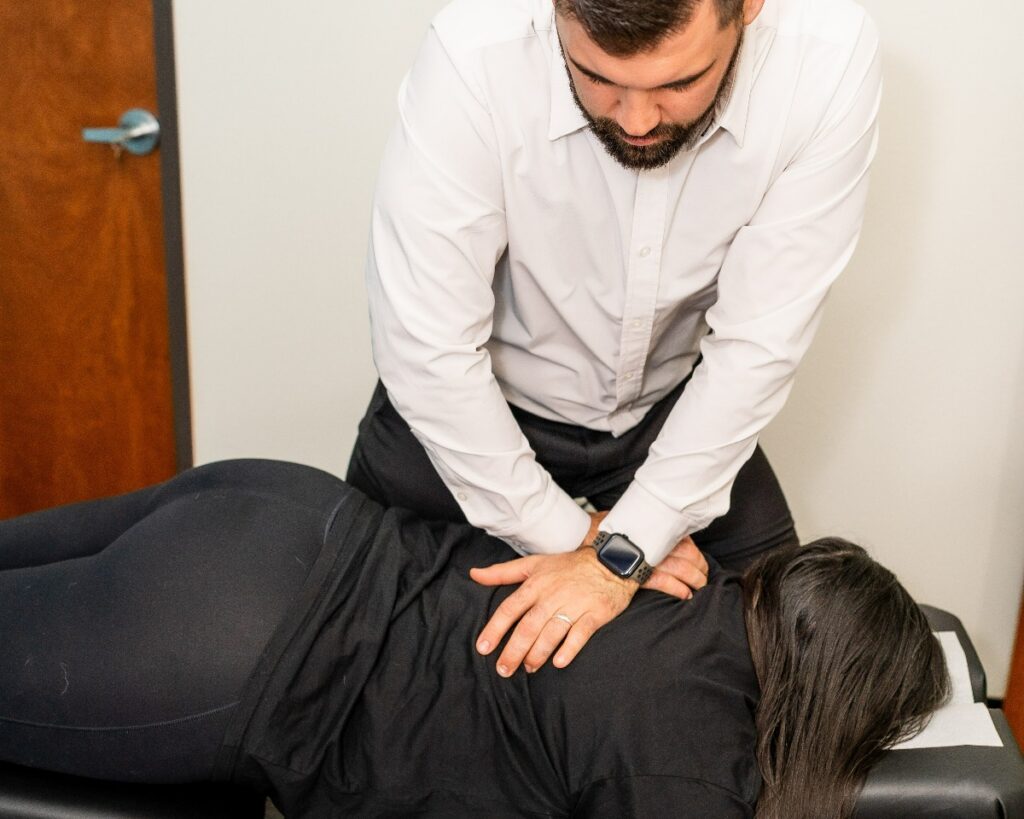
Massage Therapy Options
When it comes to relieving stress, massage therapy offers a hands-on approach that can work wonders for your body and mind. You mightn't realize just how many different massage options are available, each tailored to address specific needs and preferences.
Here are a few popular types you should consider:
- Swedish Massage: This is the classic option, focusing on long, soothing strokes that promote relaxation.
- Deep Tissue Massage: If you have chronic muscle tension or pain, this technique targets deeper layers of muscle and fascia.
- Hot Stone Massage: Heated stones are placed on key points of your body, enhancing relaxation and easing muscle stiffness.
- Aromatherapy Massage: Combining essential oils with massage techniques, this option engages your senses for a more holistic experience.
- Sports Massage: Designed for athletes, this therapy is effective for injury prevention and recovery, focusing on areas of the body that are overworked.
Before you choose a massage type, think about your specific stressors and what you hope to achieve.
Whether you're looking for relaxation or relief from pain, there's a massage style that fits your needs.
Don't hesitate to communicate with your therapist about any areas of concern or preferences you may have.
Art and Music Therapy
Art and music therapy provides a creative outlet for relieving stress, tapping into your emotions and fostering self-expression. Engaging in artistic activities, whether it's painting, drawing, or sculpting, allows you to externalize feelings that might be difficult to articulate. You don't need to be a trained artist; the process itself is what counts. As you immerse yourself in colors and shapes, you might find a sense of calm washing over you, helping to clear your mind and reduce anxiety.
Similarly, music therapy can be a powerful tool. Whether you're playing an instrument, singing, or simply listening to your favorite tunes, music resonates deeply within you. It can uplift your mood, provide comfort, or even help you process complex emotions. Create a playlist of songs that inspire or soothe you and let it accompany you during moments of stress.
Both art and music therapy encourage mindfulness, pulling you into the present moment. You'll notice that focusing on the creative process can distract you from stressors and ignite your imagination.
Additionally, these therapies foster a sense of accomplishment and self-worth as you create something unique.
Nature Therapy and Outdoor Activities
Stepping outside into nature can work wonders for your stress levels. Whether it's a quick walk in the park or a weekend hike, reconnecting with the natural world offers numerous benefits for your mental well-being.
Nature therapy promotes relaxation, reduces anxiety, and helps you gain perspective on life's challenges.
Here are some simple outdoor activities you can try to relieve stress:
- Nature Walks: Take a leisurely stroll through a nearby forest or garden. Listen to the sounds of birds, rustling leaves, and flowing water.
- Gardening: Digging in the dirt and nurturing plants can be therapeutic. The act of caring for something can bring a sense of accomplishment.
- Mindful Breathing: Find a quiet spot outdoors, close your eyes, and focus on your breath while inhaling fresh air. This practice helps ground you in the present moment.
- Photography: Capture the beauty of nature with your camera or smartphone. This encourages you to notice details that might otherwise go overlooked.
- Picnics: Pack a lunch and enjoy it outside. Eating in nature can enhance your appreciation of food and foster a sense of peace.
Engaging in these activities can help you unwind and recharge.
By immersing yourself in the sights, sounds, and smells of the great outdoors, you'll likely find that stress melts away, leaving you feeling refreshed and rejuvenated.
Creating a Personalized Stress Relief Plan
Creating a personalized stress relief plan can markedly enhance your ability to manage stress effectively. Start by identifying your unique stressors. What triggers your stress? It could be work deadlines, family responsibilities, or even social obligations. Once you pinpoint these stressors, you can tailor your plan to address them directly.
Next, consider the activities that help you unwind. Do you find joy in yoga, meditation, or perhaps a brisk walk in nature? Incorporate these activities into your routine. Schedule them at times when you know stress might peak, ensuring you have a go-to method for relief.
Don't forget to set realistic goals. Your plan should be achievable, so start small. If you aim to meditate for 10 minutes daily, it's more manageable than trying to commit to an hour right off the bat. Track your progress, and adjust as necessary. If something isn't working, don't hesitate to modify your approach.
Additionally, seek support. Share your plan with a friend or family member who can encourage you and hold you accountable. They might even join you in certain activities, making it more enjoyable.
Lastly, remember to review and revise your plan periodically. As your life changes, your stressors and coping strategies might evolve too. By creating and maintaining a personalized stress relief plan, you empower yourself to tackle stress head-on, leading to a healthier, more balanced life.
Conclusion
Incorporating non-invasive therapy into your routine can greatly reduce stress and enhance your overall well-being. By embracing mindfulness, yoga, and breathing exercises, you'll develop effective strategies that promote relaxation and emotional resilience. Explore options like massage, art, and nature therapy to find what resonates with you. Remember, creating a personalized stress relief plan is key to staying calm and balanced. Take small steps today, and you'll notice positive changes in your life soon.