
You might find it surprising that 75% of athletes are turning to alternative pain relief methods, moving away from traditional pharmaceuticals. These athletes are exploring options like acupuncture, massage therapy, and mindfulness techniques, which offer a more holistic approach to managing pain. By addressing both physical and mental aspects, these therapies not only help in recovery but may also enhance performance. What's driving this shift, and how are these alternative methods changing the landscape of pain management in sports? The answers could reshape your understanding of athletic recovery.
Understanding Alternative Pain Relief
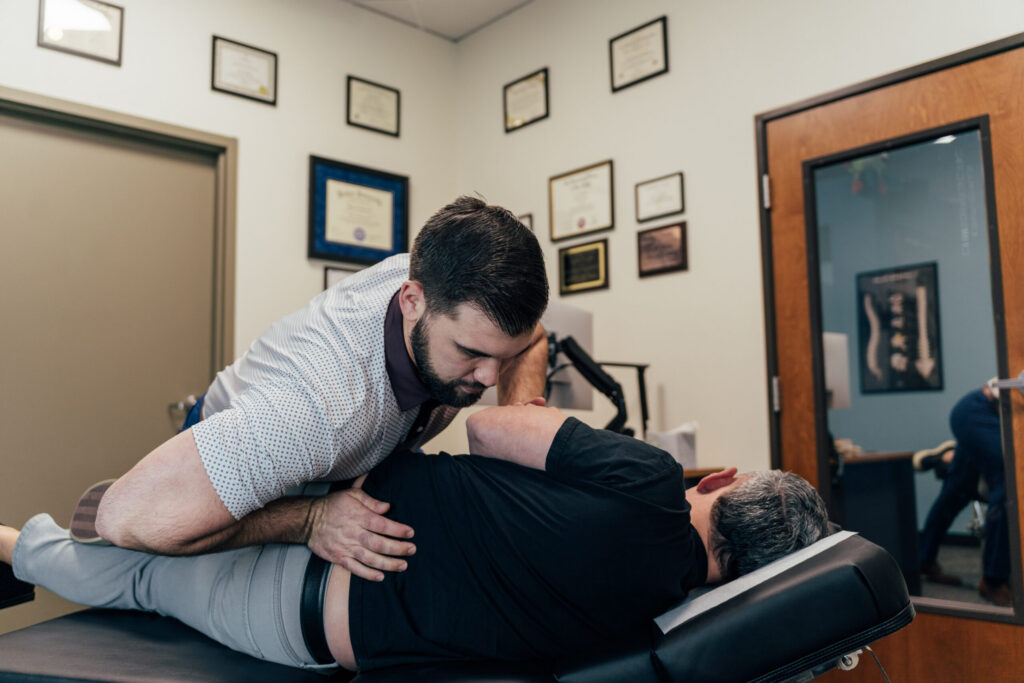
In recent years, athletes have increasingly turned to alternative pain relief methods to complement traditional treatments. You might be wondering what alternative pain relief really encompasses. It includes a variety of approaches that focus on the whole person rather than just the symptoms. For instance, techniques such as acupuncture, massage therapy, and chiropractic care are gaining traction among those looking to manage pain sustainably.
When you investigate alternative methods, you'll find that they often aim to address the root causes of pain rather than just masking it. This holistic approach can help you regain strength and mobility while reducing dependency on pharmaceuticals. You may also discover practices like yoga and meditation, which not only alleviate physical discomfort but also promote mental well-being. These techniques can enhance your overall performance by increasing flexibility and reducing stress.
It's essential to understand that alternative pain relief methods aren't one-size-fits-all solutions. What works for one athlete may not necessarily work for you. As a result, it's important to consult with healthcare professionals who understand both traditional and alternative approaches. They can guide you in selecting the methods that align best with your specific needs.
As you explore alternative pain relief, keep an open mind. You might find that these methods offer a revitalizing complement to your training regimen, allowing you to push through physical barriers while maintaining a healthier approach to pain management.
Benefits of Holistic Approaches
Exploring alternative pain relief opens the door to numerous benefits associated with holistic approaches. These methods focus on treating the body and mind as interconnected systems, which can lead to more thorough healing. You might find that addressing both physical and emotional aspects of pain can enhance your overall well-being and performance.
One significant advantage of holistic approaches is the potential to reduce reliance on pharmaceuticals. By incorporating natural therapies, you can minimize side effects and avoid the risk of dependency often associated with pain medications. This shift not only promotes physical health but also supports mental clarity and emotional stability.
Additionally, holistic practices often emphasize preventative care. By fostering a deeper understanding of your body's signals and needs, you can develop strategies that prevent pain from recurring. This proactive approach can empower you to take control of your health rather than merely reacting to symptoms.
Furthermore, holistic methods encourage mindfulness and stress reduction. Techniques such as meditation or yoga can help you manage stress, which is often a significant contributor to physical discomfort. By cultivating a balanced mental state, you may experience reduced pain levels and enhanced recovery times.
Incorporating holistic approaches into your routine can also promote community and connection. Engaging with practitioners and fellow athletes who share similar values can create a supportive environment that encourages healing and growth.
Popular Alternative Therapies
When you're looking for pain relief, alternative therapies like acupuncture and herbal remedies can offer effective solutions.
These methods not only target pain management but also support your overall well-being.
Let's explore how these popular options could fit into your recovery routine.
Acupuncture for Pain Management
Harnessing ancient techniques, acupuncture has emerged as a popular choice among athletes seeking pain relief. This method involves inserting thin needles into specific points on your body, stimulating the nervous system and promoting natural healing.
You might wonder how this can help with pain management. Well, many athletes report reduced muscle soreness, improved flexibility, and quicker recovery times after incorporating acupuncture into their routines.
One of the key benefits is its ability to target chronic pain conditions, like lower back pain or joint issues. By addressing these areas directly, acupuncture can help alleviate discomfort and improve your overall performance.
Plus, it's not just about physical relief; many athletes find that acupuncture helps reduce stress and anxiety, allowing for better focus during training and competitions.
If you're considering acupuncture, it's crucial to consult with a licensed practitioner who understands your specific needs and athletic goals. They'll tailor the treatment to your unique situation, ensuring you get the most benefit.
With its growing popularity in the sports world, acupuncture could be the alternative pain relief method you've been looking for to enhance your performance and well-being.
Herbal Remedies and Supplements
Acupuncture isn't the only alternative therapy gaining traction among athletes for pain relief. Herbal remedies and supplements are becoming increasingly popular as athletes seek natural ways to manage discomfort and enhance recovery.
You might find that certain herbs, like turmeric, contain anti-inflammatory properties that help reduce pain and swelling. Curcumin, the active compound in turmeric, is known for its powerful effects.
Another popular option is ginger, which can alleviate muscle soreness and improve circulation. You could also consider omega-3 fatty acids, often sourced from fish oil, known for their ability to combat inflammation. These supplements not only help with pain relief but also support overall joint health.
Additionally, many athletes turn to natural products like arnica gel for topical relief.
It's worth noting that while herbal remedies can be effective, it's crucial to consult with a healthcare professional before starting any new supplement regimen. They can help guarantee you choose the right options for your specific needs and avoid potential interactions with other medications.
Acupuncture's Role in Recovery
Many athletes are discovering the benefits of acupuncture as a valuable tool for recovery. This ancient practice involves inserting thin needles into specific points on your body, promoting healing and reducing pain. As you push your body to its limits during training and competition, acupuncture can help alleviate muscle soreness and tension, allowing you to bounce back faster.
Research shows that acupuncture can stimulate the release of endorphins, your body's natural painkillers. By addressing not just physical discomfort but also mental stress, acupuncture can enhance your overall performance. You might find that after a session, you feel more relaxed and focused, which is vital when preparing for competitions.
Incorporating acupuncture into your recovery routine can also improve blood circulation, helping to deliver important nutrients to your muscles and remove toxins more efficiently. This can lead to quicker healing times and a reduced risk of injury. Many athletes report feeling a significant decrease in their recovery time, allowing them to resume training sooner.
If you're considering acupuncture, it's important to work with a qualified practitioner who understands the demands of your sport. They can tailor the treatment to your specific needs, ensuring you get the most out of your sessions.
Whether you're dealing with chronic pain or just looking to enhance your recovery, acupuncture could be the game-changing addition to your regimen. Embracing this holistic approach may just give you the edge you need to excel.
Massage Therapy for Athletes
Recognizing the significance of recovery, athletes are increasingly turning to massage therapy as an effective means to enhance performance and alleviate pain. This hands-on approach offers a variety of benefits that can notably impact your training routine and overall well-being.
Whether you're a weekend warrior or a seasoned pro, incorporating massage into your regimen can make a noticeable difference.
Massage therapy isn't just about relaxation; it plays an essential role in muscle recovery and injury prevention. By increasing blood circulation and reducing muscle tension, massage helps you bounce back faster from intense workouts.
Here are some key benefits to reflect on:
- Improved flexibility: Regular massages can help maintain and improve your range of motion.
- Pain relief: Targeted techniques can alleviate soreness and discomfort from training.
- Enhanced performance: Feeling relaxed and rejuvenated can lead to better training sessions and improved results.
- Stress reduction: Massage can lower cortisol levels, helping you to stay focused and mentally sharp.
- Injury prevention: By addressing muscle tightness and imbalances, massage can reduce the risk of injuries.
Incorporating massage therapy into your routine doesn't have to be complicated. Just find a qualified therapist who understands your specific needs and goals.
Herbal Remedies and Their Effects
Have you ever considered how herbal remedies can enhance your recovery and alleviate pain? Many athletes are turning to natural solutions to support their bodies and promote healing.
From anti-inflammatory properties to muscle relaxation, herbal remedies offer a range of benefits that can complement your training routine.
One popular option is turmeric, known for its active compound, curcumin, which has strong anti-inflammatory effects. If you're dealing with joint pain or soreness, incorporating turmeric into your diet or taking it as a supplement might help reduce inflammation and speed up recovery.
Another herb worth exploring is ginger. Often used to treat nausea, it also has anti-inflammatory properties that can help with muscle aches and pains. You can enjoy ginger in teas, smoothies, or even as a spice in your meals.
Don't overlook the benefits of arnica, a topical remedy that many athletes find effective for bruising and muscle soreness. Applying arnica gel or cream directly to the affected area can provide localized relief without the side effects associated with some over-the-counter painkillers.
Finally, consider the calming effects of chamomile. Known for its relaxing properties, chamomile can help you unwind and improve sleep quality, which is essential for recovery.
Case Studies of Athlete Experiences
Athletes often share personal stories that highlight the effectiveness of alternative pain relief methods, particularly herbal remedies. You might find it inspiring to hear how some of them have turned to these natural options when traditional treatments fell short.
For instance, a professional runner named Sarah discovered that a topical arnica gel helped soothe her sore muscles after intense training sessions. She swears by it and now incorporates it into her recovery routine.
Similarly, a football player, Mike, turned to turmeric supplements for inflammation. After experiencing chronic knee pain, he was amazed at how much relief he found without relying on over-the-counter medications. His experience showcases the potential of herbal remedies to enhance recovery and performance.
Many athletes have shared similar experiences, emphasizing a few key benefits of alternative pain relief:
- Natural Ingredients: Many herbal remedies are derived from plants, making them more appealing to those wary of chemicals.
- Fewer Side Effects: Athletes often report fewer adverse effects compared to traditional painkillers.
- Holistic Approach: These remedies can support overall wellness, not just pain relief.
- Accessibility: Many herbal options are easy to find and can be used at home.
- Personalized Solutions: Athletes can tailor their approach, experimenting with different herbs to see what works best for them.
These real-life stories demonstrate the potential for alternative pain relief to enhance athletic performance and well-being, encouraging more athletes to explore these options.
Overcoming Skepticism in Sports
Many athletes face skepticism when considering alternative pain relief methods, often fueled by a reliance on traditional treatments. You might find that your peers and coaches often advocate for conventional pharmaceuticals or physical therapies, leaving little room for exploring new options. This skepticism can be a barrier, but it's crucial to recognize that alternative methods can provide effective pain relief without the side effects of traditional treatments.
First, educate yourself about the various alternative pain relief options available, such as acupuncture, CBD, and mindfulness techniques. Understanding how these methods work can help you feel more confident in your choices.
Don't hesitate to discuss your interests with a knowledgeable healthcare professional who can provide insight into their effectiveness and safety.
You should also consider your personal experiences. If you've tried traditional methods without satisfactory results, it may be time to explore alternatives. Connecting with fellow athletes who've successfully used these methods can also offer valuable perspectives and support.
Finally, keep an open mind. Just because something is new or unconventional doesn't mean it lacks credibility. Many athletes have reported significant improvements in their pain management by integrating alternative methods into their routines.
The Future of Athletic Pain Management
As you look ahead, it's clear that the landscape of athletic pain management is evolving rapidly.
Emerging treatments and integrative approaches are reshaping how athletes like you manage pain effectively.
Emerging Treatments Overview
A growing array of emerging treatments is reshaping the landscape of athletic pain management. As an athlete, you're likely aware of the importance of effective pain relief to maintain peak performance.
New approaches are being developed that focus on minimizing side effects while maximizing recovery. Here are some promising treatments you might want to evaluate:
- Cryotherapy: Using extreme cold to reduce inflammation and pain.
- Regenerative Medicine: Techniques like PRP (Platelet-Rich Plasma) therapy promoting healing by using your own cells.
- Transcranial Magnetic Stimulation (TMS): A non-invasive method stimulating nerve cells to alleviate pain.
- Nutraceuticals: Natural supplements that can support recovery and reduce inflammation, such as turmeric or omega-3 fatty acids.
- Virtual Reality (VR) Therapy: Immersive experiences that can distract from pain and enhance recovery.
These innovative treatments not only address pain but also support your overall well-being.
By exploring these options, you can find effective ways to manage discomfort, allowing you to focus on your training and performance without the burden of chronic pain.
Embracing these advances may just give you the edge you need to stay ahead in your sport.
Integrative Approaches in Sports
Integrative approaches in sports are redefining how athletes manage pain and enhance recovery. By combining traditional methods with alternative therapies, you're likely to experience a more holistic healing process. This means utilizing techniques such as acupuncture, massage, and yoga alongside conventional treatments like physical therapy and medication.
You might find that these integrative strategies not only alleviate pain but also address the underlying issues causing discomfort. For instance, engaging in mindfulness practices can help reduce stress, which often exacerbates physical pain. Additionally, nutrition plays a vital role in recovery; focusing on anti-inflammatory foods can support your body's healing mechanisms.
Moreover, collaborating with a diverse team of healthcare professionals—like chiropractors, nutritionists, and mental health counselors—can provide a thorough approach tailored to your specific needs. This teamwork fosters an environment where you're empowered to take charge of your health.
As you explore these integrative approaches, keep in mind that each athlete's journey is unique. By embracing a variety of techniques, you're likely to find a balanced and effective way to manage pain and optimize your performance.
The future of athletic pain management is about you finding what works best for your body.
Conclusion
Incorporating alternative pain relief methods can truly transform your athletic experience. With 75% of athletes reporting positive outcomes, it's clear these holistic approaches are more than just trends. By exploring therapies like acupuncture, massage, and mindfulness, you can enhance your recovery and performance while reducing your reliance on pharmaceuticals. Embracing these options not only helps you manage pain better but also fosters a deeper connection with your body, paving the way for a healthier athletic journey.