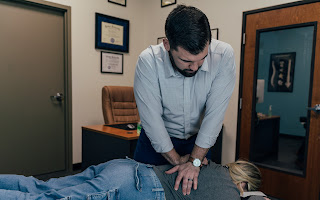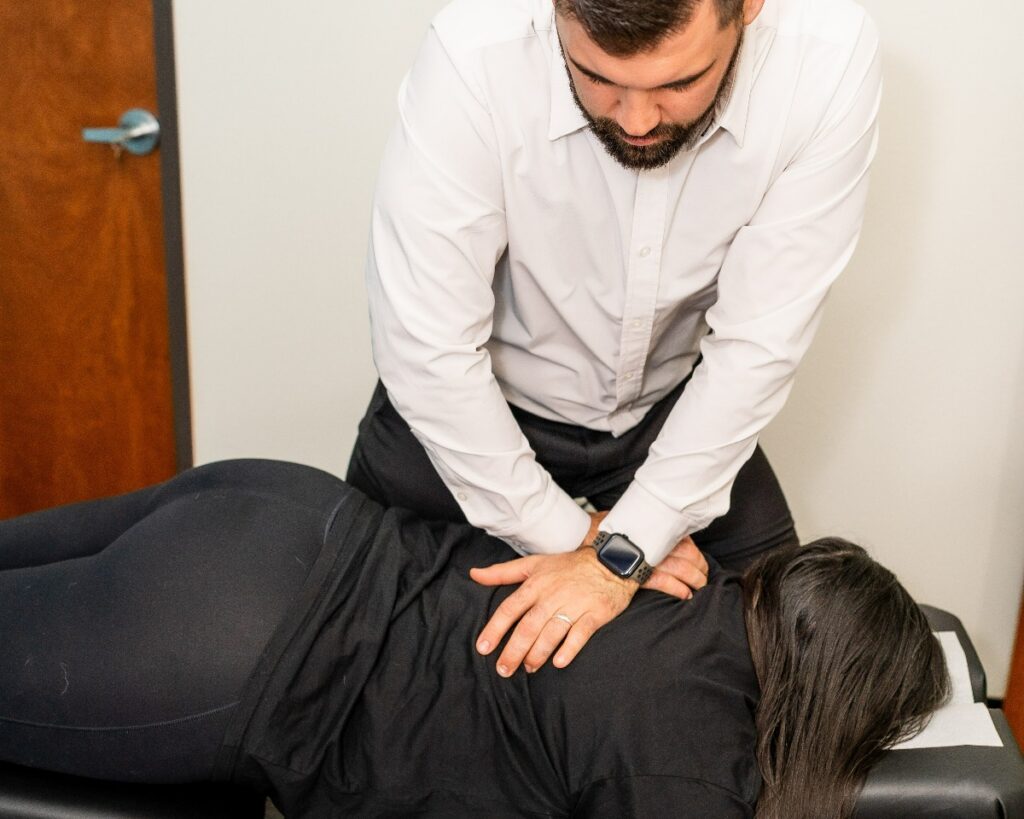

As a local chiropractor, I want to emphasize that if you're experiencing sports-related back pain, you're not alone, and it's crucial to address it in a way that promotes healing and comfort. Many individuals find that implementing a few key strategies can greatly enhance their well-being and athletic performance.
One of the first steps I recommend is focusing on strengthening your core muscles, as they play a vital role in supporting your spine. Additionally, incorporating proper recovery techniques is essential for reducing discomfort and preventing future injuries.
It's important to understand how these approaches can work synergistically to provide the best relief possible. I encourage you to explore what might be the most effective starting point for you, and I'm here to guide you through the benefits of chiropractic care and natural healing methods. Together, we can tailor a plan that addresses your unique needs and helps you return to the activities you love with greater ease and confidence.
Stretch Regularly
As a local chiropractor, I want to emphasize the importance of regular stretching for your overall spinal health and to help prevent sports-related back pain. Engaging in a consistent stretching routine can significantly enhance your flexibility, allowing your muscles and joints to move more freely. This increased range of motion is essential in preventing the tightness and stiffness that often lead to injuries.
I encourage you to focus on stretches that target the muscles surrounding your spine. One effective stretch is the cat-cow stretch, which not only mobilizes your spine but also engages your core, promoting stability. Another great option is the seated forward bend, which stretches your hamstrings and lower back, alleviating tension and discomfort. Aim to hold each stretch for at least 20-30 seconds, and remember to breathe deeply to enhance relaxation and oxygen flow to your muscles.
Incorporating stretching into your routine is crucial, both before and after your workouts. A dynamic warm-up that includes gentle stretches can prepare your body for physical activity, while static stretching post-exercise helps cool down your muscles and supports recovery. By making stretching a habit, you may notice a significant reduction in discomfort and an improvement in your overall performance.
Always listen to your body while stretching. If you experience any pain or discomfort, adjust your position or skip that particular stretch. Regular stretching not only keeps your muscles limber but also fosters a greater awareness of your body's movements, which is vital in preventing injuries.
Strengthen Core Muscles
As a local chiropractor, I often see patients struggling with sports-related back pain, and one of the most effective ways to alleviate this discomfort is by strengthening your core muscles. A strong core acts as the foundation of your body, providing essential stability and support for your spine. When your core is weak, your back muscles are forced to compensate, which can lead to overexertion, strain, and ultimately pain.
By focusing on building your core strength, you can significantly enhance your posture and balance, making you less susceptible to back issues. Here are some exercises I recommend that can easily be integrated into your routine to help you strengthen your core:
- Planks: This exercise engages multiple core muscles. Try holding a plank position while keeping your body in a straight line from head to heels.
- Bridges: Lie on your back with your knees bent. Lift your hips towards the ceiling, which activates your glutes and lower back, providing a solid foundation for your spine.
- Russian Twists: While seated on the floor, lean back slightly and twist your torso from side to side. For added resistance, hold a weight or a medicine ball.
- Bicycle Crunches: While lying on your back, alternate bringing your knees toward your chest while simultaneously twisting your upper body to engage your core.
Incorporating these exercises into your fitness routine can significantly bolster your core strength and improve your overall stability. I encourage you to be consistent—aim to work on your core muscles several times a week.
As you strengthen this area, you may find that your back pain diminishes and your athletic performance improves, allowing you to enjoy your favorite activities more fully.
If you're curious about how chiropractic care can complement your core strengthening efforts, I'm here to help guide you on your journey to better health and wellness. Remember, a strong core is key to a pain-free and active lifestyle!
Use Proper Technique
As a local chiropractor, I want to emphasize the importance of using proper technique not just for building a strong core, but also for preventing sports-related back pain. Many individuals may not realize how crucial body mechanics are to their overall spinal health during physical activities.
Whether you're running, lifting weights, or participating in a team sport, using the right technique can significantly reduce the strain on your back and lower the risk of injury.
First and foremost, let's talk about posture. It's essential to maintain a neutral spine and avoid slouching. This involves engaging your core muscles and keeping your shoulders back.
For instance, when lifting weights, always bend at your knees rather than your back. This small adjustment can greatly alleviate unnecessary pressure on your spine.
I also encourage you to warm up before engaging in any physical activity. Warming up isn't just about getting your heart rate up; it also involves stretching to improve flexibility and prepare your muscles for the demands of your sport.
Focus on dynamic movements that mimic the actions of your chosen activity to help your body adjust more effectively.
Additionally, it's vital to practice the specific techniques relevant to your sport on a regular basis. Whether it's learning the proper way to swing a racket or mastering pivot techniques while running, honing these skills can prevent undue stress on your back.
If you're ever in doubt about your form, please don't hesitate to seek guidance from a coach or trainer who can provide valuable feedback.
By prioritizing proper technique and awareness of your body mechanics, you can take significant steps toward maintaining a healthy spine and preventing injuries.
Invest in Quality Gear
As a local chiropractor, I want to share the importance of investing in quality sports gear to prevent back pain and enhance your overall performance. Choosing the right equipment isn't just about safety; it's also crucial for optimizing your body mechanics and reducing the risk of injury.
When selecting your sports gear, consider these essential items:
- Footwear: It's vital to choose shoes that offer proper support and cushioning. Good footwear helps absorb impact and keeps your spine aligned during activities, which is key to preventing strain on your back.
- Sports Equipment: Whether you're using a racket, ball, or any other gear, make sure it fits your skill level and body type. The right size and weight can help you maintain proper posture and mechanics, reducing the likelihood of injuries.
- Protective Gear: If you participate in high-impact sports, consider investing in supportive items like back braces or belts. These can offer additional stability to your spine, especially during intense activity.
- Clothing: Opt for moisture-wicking and breathable fabrics that allow for freedom of movement. Proper clothing can help you maintain good posture while playing, which is essential for spinal health.
By prioritizing quality gear, you're taking a proactive step toward protecting your back and enhancing your performance.
Incorporate Rest Days
As a local chiropractor, I want to emphasize the importance of incorporating regular rest days into your sports routine. It's crucial for your body's recovery and plays a significant role in reducing the risk of back pain. When you push yourself too hard without allowing your muscles time to heal, you set yourself up for strain and injury, particularly in your back. By prioritizing rest days, you're not only supporting your recovery but also enhancing your overall athletic performance in the long run.
Many people might feel tempted to skip these rest days, believing that doing so will keep them on track. However, the reality is quite the opposite. Your muscles require this downtime to repair and grow stronger. During periods of rest, your body works to replenish energy stores and eliminate toxins that accumulate during intense workouts. This recovery phase is vital for preventing chronic pain and ensuring you can remain active without setbacks.
I recommend planning your rest days strategically, ideally after particularly intense training sessions or competitions. If you find it difficult to stay entirely inactive, consider engaging in active recovery options such as light stretching or yoga. These activities can help keep your body moving while avoiding additional strain on your back.
It's also essential to listen to your body: if you're feeling fatigued or experiencing discomfort, it's a clear indication that you need to take a break. Incorporating rest days into your routine isn't a sign of slacking off; rather, it's a smart approach to training.
Apply Heat or Cold
As your local chiropractor, I'm here to help you understand how to effectively manage back pain, especially if it's stemming from sports activities.
One of the simplest yet most impactful methods you can incorporate into your recovery routine is applying heat or cold.
Heat therapy is fantastic for relaxing those tight muscles that may be contributing to your discomfort. It increases blood flow, which can promote healing in the affected areas.
On the other hand, cold therapy is your go-to for reducing inflammation and numbing any sharp pain you might be experiencing.
It's crucial to know when to use each method. Heat is best when you're looking to soothe muscle tension, whereas cold is ideal immediately after an injury to minimize swelling.
By understanding and utilizing these techniques, you can significantly enhance your recovery process and get back to enjoying your favorite sports activities.
If you have any questions about how to implement these therapies or want to explore other natural healing methods, feel free to ask during your next visit!
Benefits of Heat Therapy
As a local chiropractor, I often see patients struggling with sports-related back pain. One effective method I recommend for relief is heat therapy. This natural approach can work wonders in soothing discomfort and promoting healing in your back.
When you apply heat to the affected area, it increases blood flow, which is vital for delivering essential nutrients and oxygen to the tissues. This enhanced circulation not only accelerates recovery but also helps ease tight muscles that may be contributing to your pain.
Here are some key benefits of utilizing heat therapy for back pain:
- Muscle Relaxation: Heat therapy is fantastic for relaxing tense muscles. When your muscles are less stiff, you can enjoy greater flexibility and movement.
- Pain Relief: The comforting warmth of heat can also interrupt pain signals sent to your brain, providing a soothing effect that helps alleviate discomfort.
- Improved Circulation: By enhancing blood flow, heat therapy speeds up the healing process by ensuring that injured tissues receive the crucial nutrients they need.
- Stress Reduction: The calming sensation of heat can significantly lower stress and tension, which can often amplify feelings of pain.
For applying heat, I recommend using a heating pad, a warm towel, or a hot water bottle. Just be sure to monitor the temperature to prevent burns.
Incorporating heat therapy into your routine can lead to significant relief from sports-related back pain, allowing you to get back to the activities you love. Remember, as you explore natural healing options, I'm here to guide you every step of the way.
Advantages of Cold Therapy
As a local chiropractor, I'm here to help you understand the various methods available for managing pain, especially when it comes to sports-related back discomfort.
While you may be familiar with heat therapy, I want to shed light on the unique advantages of cold therapy, which can be incredibly beneficial for your recovery.
When you apply cold to an injured area, it causes blood vessels to constrict, effectively reducing swelling and minimizing inflammation. This is particularly important right after an injury or during flare-ups of pain. By incorporating cold therapy into your routine, you can significantly decrease the discomfort you may be experiencing.
Cold therapy also works by numbing the affected area, providing immediate relief from sharp or throbbing pains. Many of my patients find that using an ice pack or a cold compress allows them to engage in physical activities without the nagging discomfort that can hold them back.
Just a quick tip: limit your cold applications to about 15-20 minutes at a time to protect your skin from any potential damage.
Another great benefit of cold therapy is its accessibility. You don't need to invest in expensive equipment; simple solutions like ice packs, gel packs, or even a bag of frozen peas from your freezer can work wonders. It's an easy and cost-effective way to manage pain naturally.
Incorporating cold therapy into your pain management routine can significantly enhance your overall recovery process. I often recommend alternating between heat and cold therapies to optimize pain relief.
This approach can help you return to your favorite sports activities faster and with greater comfort. If you have any questions or need guidance on how to effectively implement these therapies, feel free to reach out during your next visit!
Consult a Professional
When it comes to sports-related back pain, seeking a professional diagnosis is crucial for effective recovery.
As a local chiropractor, I want to emphasize the importance of understanding your body and how it functions. I specialize in identifying specific issues that may be contributing to your discomfort and can recommend personalized treatment options that align with your unique needs.
Don't hesitate to reach out for guidance; taking this step could significantly enhance your healing process and help you get back to the activities you love.
Importance of Expert Diagnosis
As a local chiropractor, I want to emphasize the crucial role of expert diagnosis when it comes to sports-related back pain. Many people may not realize the importance of understanding the root causes of their discomfort. Identifying whether your back pain is due to muscle strain, disc problems, or other underlying conditions is essential for effective treatment and recovery.
Here are some key reasons why consulting a chiropractor is vital:
- Precise Diagnosis: As a chiropractic professional, I can accurately identify the specific source of your pain, allowing for targeted treatment.
- Personalized Care: I can provide customized advice and treatment plans that are tailored to your unique situation, taking into account your activity level and health history.
- Avoiding Long-term Issues: Early intervention is key. Addressing your pain promptly can help you steer clear of chronic problems in the future.
- Boosting Your Confidence: Understanding the exact nature of your pain can enhance your motivation and trust in the recovery process, empowering you to take control of your health.
It's easy to underestimate the value of expert input in your healing journey. Skipping the professional assessment might lead to ineffective self-treatment or even worsen your condition.
If you're grappling with sports-related back pain, I encourage you to reach out to a qualified chiropractor. Together, we can chart the best course for your relief and recovery through natural healing methods.
Tailored Treatment Options
As a local chiropractor, I understand that finding the right treatment for sports-related back pain is crucial for your recovery. Many individuals are unaware of the benefits of chiropractic care and how it can play a key role in your healing journey. Consulting with a chiropractor can provide you with personalized treatment options tailored to your specific condition and needs.
Whether you're suffering from muscle strains, herniated discs, or chronic discomfort, I can accurately assess your situation and develop an individualized plan that focuses on restoring your health. Chiropractic adjustments can help realign your spine and alleviate pressure on the nerves, which often leads to significant pain relief.
In our sessions, I'll guide you through exercises designed to strengthen your back and enhance flexibility, ensuring you're equipped with proper body mechanics to prevent future injuries while enjoying your sport.
Additionally, we may incorporate other natural healing modalities, such as acupuncture or therapeutic massage, to relieve muscle tension and promote faster recovery.
It's important to avoid self-medicating or relying solely on information found online, as this can complicate your condition. By partnering with a chiropractor, you'll receive a comprehensive treatment plan that's both effective and safe, allowing you to return to your activities stronger than ever.
Let's help you on your journey back to optimal performance!
Conclusion
As a local chiropractor committed to your well-being, I want to share seven reliable tips to help you relieve sports-related back pain and enhance your overall performance naturally. First and foremost, it's essential to prioritize regular stretching; this helps maintain flexibility and prevent injuries. Strengthening your core is equally important, as a strong core supports your spine during physical activities.
Using proper techniques in your sports activities cannot be overstated. This not only prevents injuries but also enhances your performance. Additionally, investing in quality gear tailored to your sport can make a significant difference in how you feel during and after your workouts.
Don't overlook the importance of rest days. Your body needs time to recover and heal, and taking these breaks can significantly improve your long-term health. I also recommend applying heat or cold to sore areas; both can provide immediate relief and help alleviate discomfort.
Lastly, consulting with a professional, such as a chiropractor, is a great way to ensure you're taking the right steps towards recovery. We can help assess your condition and provide personalized advice tailored to your needs. Take charge of your back health, and continue to enjoy the sports you love with confidence!