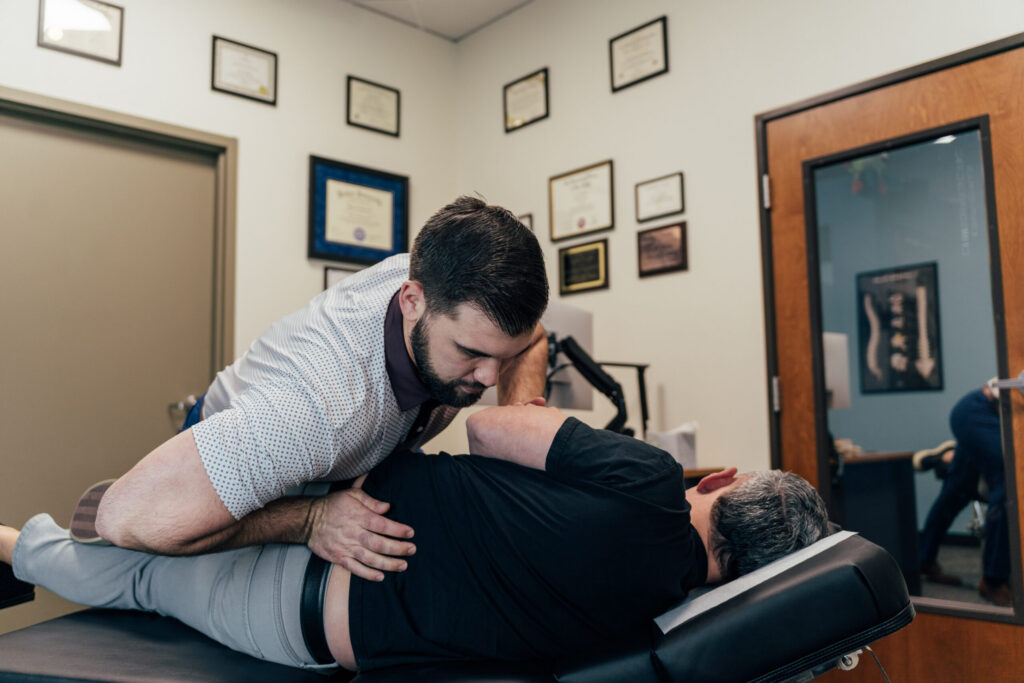

As a local chiropractor, I understand that dealing with a neck injury can be incredibly challenging and may significantly impact your daily life. Thankfully, there are gentle techniques that can help alleviate your discomfort and support the healing process.
One effective method is incorporating gentle stretching exercises into your routine, which can help improve flexibility and reduce tension in the neck muscles. Additionally, heat therapy can provide soothing relief by increasing blood flow to the affected area, promoting healing and relaxation.
Mindfulness practices, such as deep breathing or meditation, can also be beneficial in managing pain and stress associated with neck injuries. Pairing these practices with proper posture—whether sitting or standing—can make a significant difference in your recovery.
Lastly, don't underestimate the benefits of self-massage. This targeted approach can help relieve tightness and promote relaxation in the neck area.
If you're curious about how these techniques can specifically benefit your recovery, I'm here to help guide you through a tailored approach to healing.
Gentle Stretching Exercises
As a local chiropractor dedicated to your well-being, I want to share with you the importance of gentle stretching exercises for alleviating neck tension and improving mobility. If you find yourself spending long hours at a desk or feeling stiff after a busy day, incorporating these simple stretches into your daily routine can make a remarkable difference in your neck health.
Let's start with a fundamental neck tilt. Begin by sitting or standing tall, ensuring your shoulders are relaxed. Slowly tilt your head to the right, bringing your ear toward your shoulder. Hold this position for about 15-30 seconds, and you should feel a gentle stretch along the left side of your neck. After that, switch sides and repeat the process.
Next, I recommend trying a neck rotation. Turn your head to the right as far as feels comfortable, keeping your shoulders steady. Hold for a few seconds, then return to center, and do the same on the left side. This movement can help improve your range of motion and relieve tightness.
In addition, gentle forward and backward tilts can be very beneficial. Lower your chin to your chest to feel a stretch along the back of your neck, and then tilt your head back gently to look up at the ceiling. Hold each position for a few breaths, allowing your muscles to fully relax.
Throughout these stretches, remember to breathe deeply. This not only enhances relaxation but also increases the effectiveness of the exercises.
I encourage you to make these stretches a daily habit, especially if you're prone to neck stiffness. By dedicating just a few minutes each day to these practices, you can maintain a healthy neck, improve your posture, and enjoy greater overall comfort.
Your neck deserves this attention, and by taking these steps, you'll be on the path to better health and flexibility. If you have any questions or need personalized guidance, don't hesitate to reach out during your next visit. Together, we can work towards your optimal well-being.
Heat Therapy Benefits
As a local chiropractor, I want to share with you the incredible benefits of heat therapy for alleviating neck pain and stiffness. When you apply heat to your neck, it significantly increases blood flow to the area. This enhanced circulation helps to reduce muscle tension and promotes healing, which is essential for your overall recovery.
Many of my patients find that using a hot pack, heating pad, or even a warm towel can provide immediate comfort and relaxation. Heat therapy is particularly effective for reducing stiffness, making it easier to move your neck without discomfort. By loosening tight muscles, you may discover that you can perform gentle stretching exercises more effectively, which is vital for regaining mobility.
It's important to remember, though, not to apply heat for too long. Generally, 15 to 20 minutes is adequate to enjoy the benefits without the risk of burns or skin irritation.
Beyond the physical benefits, heat therapy has a wonderful psychological impact as well. The soothing warmth can create a sense of relaxation and well-being, which is crucial when you're managing pain. I encourage you to take a few moments with a warm compress while practicing deep breathing; this simple act can help you mentally cope with your neck injury.
However, I want to emphasize that heat therapy is most effective for chronic pain or tension, rather than for acute injuries or inflammation. If your neck pain has arisen recently or is accompanied by swelling, it might be more beneficial to start with cold therapy.
Always pay attention to your body—if heat feels uncomfortable or intensifies your pain, it's advisable to stop and consult with a professional.
Incorporating heat therapy into your routine can be a straightforward yet powerful way to support your recovery process. As your chiropractor, I'm here to guide you on your journey to natural healing and improved well-being.
Mindfulness and Relaxation Techniques
As a local chiropractor, I want to introduce you to some mindfulness and relaxation techniques that can be incredibly beneficial for managing neck pain and improving your overall well-being.
These practices, when integrated into your daily routine, can help alleviate stress, enhance your body awareness, and promote healing in the neck area.
One of the foundational techniques I recommend is mindfulness meditation. Find a quiet spot, sit in a comfortable position, and focus on your breathing. Inhale deeply through your nose, allowing your abdomen to expand, then exhale slowly through your mouth. When thoughts pop into your mind, simply acknowledge them without judgment and gently redirect your focus back to your breath.
Even dedicating just a few minutes to this practice can make a significant difference in how grounded and relaxed you feel.
Another valuable technique is progressive muscle relaxation. Start at your toes by tensing the muscles for a few seconds and then releasing them. Gradually move up through your body, paying special attention to your neck and shoulders.
This practice helps you become aware of areas of tension and encourages deep relaxation, which is essential for recovery.
Incorporating gentle stretching into your routine can also enhance your mindfulness practice. As you breathe deeply, slowly tilt your head side to side, and forward and backward, letting your neck release built-up tension.
While doing these stretches, focus on the sensations in your neck and shoulders to deepen your mindfulness experience.
Lastly, guided imagery is a wonderful technique to consider. Picture a tranquil setting, such as a beach or a serene forest, as you take deep breaths.
This mental visualization can help alleviate stress and foster a sense of peace, ultimately supporting relief from neck pain.
By embracing these mindfulness and relaxation techniques, you'll take proactive steps toward managing your neck pain naturally and effectively.
Proper Posture Practices
As a local chiropractor, I want to emphasize the importance of good posture for your overall health, particularly when it comes to preventing neck pain. Many people are unaware of how their body alignment can significantly impact their well-being.
Let's explore some key practices that can help you maintain proper posture in your daily activities.
When sitting, it's crucial to keep your back straight and your feet flat on the floor. If you work at a desk, adjusting your chair height can make a world of difference. Aim for your elbows to create a right angle while typing, and ensure your monitor is at eye level. This positioning allows your neck to remain in a neutral position, reducing strain and discomfort.
While standing, strive to distribute your weight evenly on both feet. Engaging your core muscles can provide additional support for your spine. Remember to keep your head centered over your shoulders. If you often carry a bag, consider switching sides or opting for a backpack to balance the weight more effectively.
When it comes to activities like driving, take a moment to adjust your seat to maintain a straight back and relaxed shoulders. Your headrest should support the back of your head without forcing it forward, promoting better alignment.
Lastly, it's essential to take regular breaks if you find yourself in a static position for extended periods. Standing up, stretching, and resetting your posture can alleviate tension and help you feel more comfortable throughout the day.
By incorporating these small adjustments into your routine, you can significantly reduce the likelihood of neck pain and improve your overall quality of life.
Massage and Self-Release Techniques
As a local chiropractor, I want to share with you some effective ways to relieve neck pain that you mightn't be familiar with.
Massage and self-release techniques can be incredibly beneficial for alleviating discomfort, reducing tension, and enhancing blood circulation. Incorporating these methods into your daily routine can be both straightforward and rewarding.
Here are several approaches I encourage you to consider:
- Gentle Neck Stretches: A great starting point is to gently tilt your head to one side, holding this position for 15-30 seconds before switching to the other side. This can significantly ease tightness in your neck muscles.
- Self-Massage: Utilizing your fingers to apply pressure on tender spots in your neck and shoulders can be very effective. Using circular motions helps release muscle knots and improves blood flow, providing a soothing effect.
- Foam Roller: If you have access to a foam roller, gently rolling it over your neck and upper back can be a fantastic way to alleviate muscle tightness and enhance your mobility.
- Tennis Ball Release: For a targeted approach, position a tennis ball against a wall and lean into it, rolling it over any tight areas. This method effectively targets trigger points, providing relief from discomfort.
- Heat Therapy: Before engaging in any self-release techniques, consider applying a warm compress or heating pad to your neck. This can increase the effectiveness of your massage efforts by relaxing the muscles beforehand.
By integrating these techniques into your wellness routine, you can take proactive steps towards managing your neck pain naturally.
Conclusion
As a local chiropractor, I want to share some valuable insights into managing neck injuries through gentle, natural techniques. Here are five soft methods that can significantly help alleviate discomfort and promote healing:
- Gentle Stretching: Incorporating gentle stretches into your routine can help relieve tension in the neck. It's important to move slowly and listen to your body, ensuring you don't push past your comfort level.
- Applying Heat: Heat therapy can be incredibly soothing for neck pain. Using a warm compress or heating pad can help relax tight muscles and increase blood flow to the area, which aids in recovery.
- Practicing Mindfulness: Mindfulness techniques, such as deep breathing or meditation, can help reduce stress and tension in your body. This mental approach can be beneficial in managing pain and enhancing your overall well-being.
- Maintaining Proper Posture: Good posture is essential for neck health. Being mindful of how you sit, stand, and move can prevent additional strain on your neck. I often recommend ergonomic adjustments to workspaces to support better alignment.
- Self-Massage: Learning how to perform self-massage techniques can empower you to take control of your recovery. Gently massaging the neck and surrounding muscles can alleviate tightness and improve circulation.
Remember, it's crucial to listen to your body as you incorporate these techniques into your routine. With consistent practice and care, you can find relief and enhance the flexibility of your neck. Take charge of your recovery journey, and you'll be on your way to enjoying a more comfortable, pain-free life! If you have any questions or need guidance, don't hesitate to reach out for professional advice.