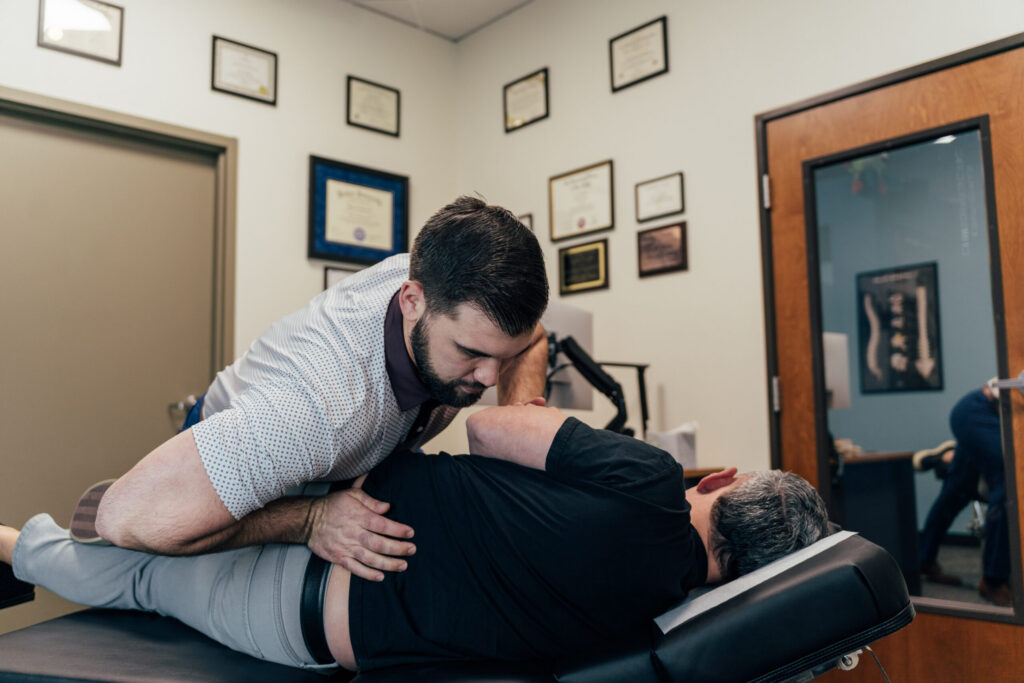

As we approach 2025, you might notice a significant shift in how health is managed, with a strong emphasis on preventative care. Innovations in telehealth and personalized health tracking are making it easier for you to stay proactive about your well-being. With the rise of wearable technology and AI, you'll have unprecedented access to your health data, helping you make informed decisions. Yet, as these trends evolve, questions arise about their impact on community health and mental well-being. What might that mean for your future health choices?
Rise of Telehealth Services
As the demand for convenient healthcare options grows, telehealth services have emerged as an essential tool for patients seeking preventative care. You might find that engaging with healthcare professionals through virtual visits helps you manage your health more effectively. Telehealth offers easy access to medical consultations, allowing you to address health concerns without the hassle of traveling to a clinic.
With telehealth, you can schedule appointments that fit your lifestyle. Whether you're at home or on the go, you can connect with doctors and specialists who provide guidance on maintaining your health. This flexibility encourages you to prioritize preventative care, which can lead to early detection of potential issues. You're more likely to seek advice on lifestyle changes, vaccinations, and screenings when it's as simple as logging into a video call.
Moreover, telehealth services often come with lower costs than traditional in-person visits. You may find that you save time and money, making it easier to stay on top of your health goals. Additionally, these services can increase your access to a broader range of specialists, especially if you live in a remote area or have limited transportation options.
The rise of telehealth isn't just about convenience; it's about empowering you to take charge of your health. By integrating these services into your routine, you're actively investing in your long-term wellbeing, making preventative care a more approachable and achievable goal.
Personalized Health Tracking
How can personalized health tracking transform your approach to preventative care? By leveraging technology, you can gain insights into your health that were once difficult to access. With tools like wearable devices and mobile apps, you can monitor your essential signs, physical activity, and even sleep patterns in real-time. This data empowers you to make informed decisions about your lifestyle and engage more actively in your health journey.
Imagine receiving personalized feedback based on your unique health metrics. If your heart rate consistently spikes during workouts, you can adjust your routine to avoid overexertion. Or, if you notice irregular sleep patterns, you can explore changes in your environment or habits to improve your rest.
Personalized health tracking enables you to identify potential health risks early, allowing you to consult with healthcare professionals before issues escalate.
Additionally, tracking your health metrics can boost your motivation. Seeing your progress over time—like achieving step goals or improving your cholesterol levels—can inspire you to stay committed to your preventative care. You're not just passively waiting for check-ups; you're actively participating in your health management.
Incorporating personalized health tracking into your routine makes it easier to establish healthier habits. Whether you're aiming to lose weight, manage a chronic condition, or simply enhance your overall well-being, this tailored approach helps you stay on the right path.
Ultimately, by prioritizing personalized health tracking, you're investing in a healthier future for yourself.
Integration of AI in Care
As you explore the integration of AI in care, you'll see how AI-powered diagnostics can enhance accuracy in identifying health issues.
This technology not only streamlines the diagnostic process but also helps in crafting personalized treatment plans tailored to your unique needs.
AI-Powered Diagnostics
What if you could catch health issues before they become serious? With AI-powered diagnostics, that's becoming a reality. By integrating advanced algorithms and machine learning into healthcare, you can get faster and more accurate assessments of your health. These systems analyze vast amounts of data, leading to early detection of conditions that might otherwise go unnoticed.
Imagine walking into your doctor's office, and instead of waiting weeks for test results, AI tools provide instant insights based on your symptoms and medical history. This real-time analysis helps your healthcare provider identify potential concerns, allowing for timely intervention. You're not just receiving care; you're actively participating in your health journey.
AI can also highlight patterns and trends in your health data that may not be apparent to the human eye. By recognizing these patterns early on, you can make informed lifestyle changes or seek preventive measures before issues escalate. It's like having a personal health assistant, always ready to guide you toward better choices.
Incorporating AI-powered diagnostics into your healthcare routine empowers you to take charge of your health, ultimately leading to a longer, healthier life.
Personalized Treatment Plans
With the rise of AI in healthcare, personalized treatment plans are becoming a reality that can greatly enhance your care. These plans utilize data from your medical history, genetics, and lifestyle to tailor interventions specifically for you. Instead of a one-size-fits-all approach, AI analyzes vast amounts of information to identify what works best for your unique situation.
Imagine visiting your healthcare provider and receiving a treatment plan that considers your individual responses to medications and therapies. AI algorithms can predict how you might react to different treatments, allowing for adjustments that improve effectiveness while minimizing side effects. This level of personalization not only boosts treatment success but also enhances your overall experience.
Moreover, AI can continuously learn from new data, ensuring that your treatment plan evolves as your needs change over time. By integrating real-time health monitoring, AI can alert you and your healthcare team to potential issues before they escalate, promoting proactive care.
In short, embracing AI-driven personalized treatment plans puts you at the center of your healthcare journey, empowering you to achieve long-term health through tailored preventative care strategies.
Mental Health Awareness
Mental health awareness is critical for fostering a healthier society, and it's something we all need to prioritize. Understanding mental health helps you recognize the signs of stress, anxiety, and depression, not just in yourself but also in those around you. When you're aware, you can take proactive steps to seek help or provide support to loved ones who may be struggling.
You mightn't realize it, but mental health issues are incredibly common. One in five adults experiences a mental illness in any given year. By raising awareness, you help reduce the stigma often associated with these conditions. This encourages open conversations that can lead to earlier interventions and better outcomes.
It's important to create an environment where everyone feels safe discussing their mental health without fear of judgment. Educating yourself on mental health can also empower you to develop healthy coping mechanisms. You can practice mindfulness, engage in physical activities, and maintain social connections, all of which contribute to better mental well-being.
Moreover, advocating for mental health resources in your community can have a significant impact. Whether it's supporting local organizations or participating in awareness campaigns, your involvement can help bridge the gap for individuals who need assistance.
Nutritional Science Innovations
As you explore the latest in nutritional science innovations, you'll find that personalized nutrition approaches can tailor diets to your unique needs.
The functional foods revolution is transforming how you think about everyday meals, emphasizing ingredients that boost your health.
Plus, understanding the microbiome's impact on your well-being opens new doors to achieving long-term health benefits.
Personalized Nutrition Approaches
Personalized nutrition approaches are revolutionizing how we think about health and wellness. By tailoring dietary plans to your individual needs, these strategies can enhance your overall well-being, making you feel more energetic and balanced.
With advancements in technology and nutritional science, you can now make informed choices that align with your unique body composition, genetics, and lifestyle.
Here are four key components of personalized nutrition:
- Genetic Testing: Understanding your genetic makeup can reveal how your body processes nutrients, helping you choose foods that support your health goals.
- Microbiome Analysis: Your gut bacteria play an essential role in digestion and immunity. Analyzing your microbiome can guide you in selecting foods that promote a healthy gut.
- Lifestyle Factors: Your daily routines, stress levels, and physical activity influence your nutritional needs. Personalized plans consider these aspects to optimize your diet.
- Ongoing Monitoring: Regular check-ins and adjustments based on your progress guarantee your nutrition plan evolves with you, keeping you on track for long-term success.
Functional Foods Revolution
With the rise of nutritional science innovations, the functional foods revolution is transforming how you approach your diet. You're no longer just eating for sustenance; you're choosing foods that serve specific health purposes.
Functional foods, packed with bioactive compounds, can enhance your well-being and prevent chronic diseases. Think about incorporating options like berries, which are rich in antioxidants, or fermented foods that promote gut health. These foods do more than just fill you up—they actively support your body's functions.
You can enhance your immune system with foods high in vitamins and minerals, like citrus fruits and leafy greens. By understanding the benefits of functional foods, you can tailor your meals to meet your health goals.
Want to boost your energy? Opt for whole grains and nuts. Looking to improve your heart health? Incorporate fatty fish rich in omega-3 fatty acids.
The functional foods revolution empowers you to take control of your health through informed dietary choices. As you embrace these innovations, you'll find that eating well can lead to a longer, healthier life.
Microbiome Impact on Health
The impact of the microbiome on health is becoming increasingly clear, reshaping our understanding of nutrition and wellness.
As you explore this exciting field, you'll discover how your gut bacteria play an essential role in overall health. These tiny organisms influence everything from digestion to immune function, and even your mood.
Here are four key ways the microbiome impacts your health:
- Digestion: A balanced microbiome helps break down complex carbohydrates and nutrients, ensuring you absorb what you need.
- Immune Support: Beneficial bacteria can bolster your immune system, helping ward off infections and reduce inflammation.
- Mental Health: Emerging research suggests a strong link between gut health and mental well-being, showing that a healthy microbiome may reduce anxiety and depression.
- Weight Management: Certain gut bacteria can affect how your body stores fat and regulates hunger hormones, potentially aiding in weight control.
Community Health Initiatives
Community health initiatives play an essential role in fostering long-term wellness within populations. These programs focus on preventive measures that address health disparities and improve community health outcomes. By engaging community members, you can identify specific health needs and tailor interventions that resonate with local populations.
One key aspect of community health initiatives is education. By providing resources and information, you empower individuals to make informed decisions about their health. Workshops on nutrition, physical activity, and mental wellness can cultivate healthier lifestyles. When you participate in these programs, you not only gain valuable knowledge but also encourage others to do the same, creating a ripple effect of positive change.
Collaboration is another critical element. Local organizations, healthcare providers, and government agencies can work together to share resources and amplify their impact. When you unite efforts, you can tackle pressing health issues more effectively, whether it's addressing obesity rates, substance abuse, or mental health challenges.
Moreover, community health initiatives often emphasize accessibility. By organizing health fairs, free screenings, or vaccination drives, you help bridge gaps that may exist in healthcare access. This proactive approach can greatly reduce the burden of chronic diseases and promote early intervention.
Ultimately, your involvement in community health initiatives not only benefits your health but also strengthens the fabric of your community. When you prioritize collective well-being, you create an environment that supports long-term health for everyone, paving the way for a brighter, healthier future.
Workplace Wellness Programs
In today's fast-paced work environment, implementing workplace wellness programs is essential for promoting employee health and productivity.
These programs not only support your team's physical well-being but also foster a positive workplace culture. When you invest in wellness initiatives, you're investing in the long-term success of both your employees and your organization.
Here are four key components of effective workplace wellness programs:
- Health Screenings: Regular health assessments can help identify potential health issues early, allowing employees to take proactive steps toward better health.
- Fitness Programs: Encourage physical activity by providing gym memberships, on-site fitness classes, or group challenges. When employees get moving, they often feel more energized and focused.
- Mental Health Resources: Offering access to counseling services, stress management workshops, or mindfulness training can greatly improve employees' mental well-being. A mentally healthy workforce is more productive and engaged.
- Nutritional Support: Providing healthy snacks, nutritional workshops, or meal planning resources can encourage better eating habits. When employees fuel their bodies correctly, they perform at their best.
Sustainable Healthcare Practices
Many people are becoming increasingly aware of the importance of sustainable healthcare practices as a way to promote long-term health and well-being. You might be wondering how your choices can contribute to a more sustainable healthcare system. It starts with understanding that your health is interconnected with the environment and community.
One way to practice sustainability is by choosing eco-friendly healthcare options. This includes supporting local farms that provide organic produce, which often leads to healthier diets while reducing carbon footprints. When you opt for telemedicine, you not only save time but also cut down on travel emissions.
You can also advocate for green healthcare facilities. Hospitals and clinics that prioritize sustainability often use energy-efficient systems, reduce waste, and utilize renewable resources. By choosing to engage with these facilities, you promote a system that values both patient care and environmental responsibility.
Additionally, it's essential to educate yourself and others about the benefits of preventive care. Regular check-ups and screenings can catch health issues early, reducing the need for more extensive treatments later. When you prioritize prevention, you help alleviate strain on healthcare resources, contributing to a more sustainable system.
Lastly, consider how mindfulness practices like yoga and meditation enhance not only your mental health but also your overall well-being. Embracing sustainable healthcare practices means making informed choices that benefit both you and the planet, ultimately leading to a healthier future for everyone.
Conclusion
As we move towards 2025, embracing these trends in preventative care will empower you to take charge of your health like never before. By leveraging telehealth, personalized health tracking, and innovative nutritional strategies, you'll be better equipped to make informed decisions. Increased awareness of mental health and community initiatives will provide support, while workplace wellness programs and sustainable practices will foster a healthier environment. Together, these advancements will pave the way for a brighter, healthier future.