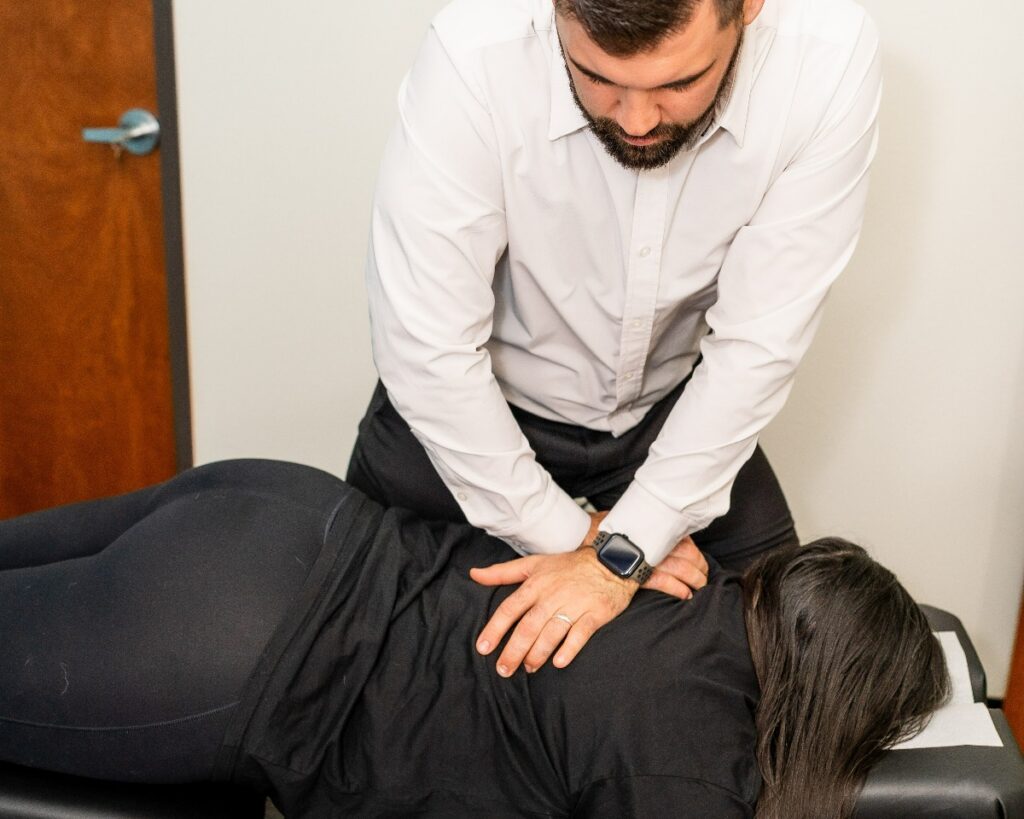

As a local chiropractor, I want to share with you the incredible benefits that adjustments can bring to your flexibility. You may not realize it yet, but these adjustments are a crucial part of achieving a more flexible and balanced physical state. By integrating specific chiropractic techniques into your routine, you can significantly improve your posture, alleviate discomfort, and even speed up your recovery time after physical activities.
Each adjustment method has its own set of unique benefits that can enhance your overall mobility and well-being. If you're curious about how these chiropractic adjustments can transform your flexibility journey, let's dive into the ten effective ways you can incorporate them into your practice. Your body will thank you for it!
Incorporate Dynamic Stretching
As a local chiropractor, I want to share with you the importance of dynamic stretching for enhancing flexibility and preparing your body for physical activity. Unlike static stretching, where you hold a position, dynamic stretching involves movement, allowing your muscles to work through their full range of motion. By incorporating dynamic stretches into your routine, you can warm up your muscles, increase blood flow, and ultimately improve your overall performance.
When beginning your dynamic stretching routine, focus on movements that mimic the activities you plan to engage in. For instance, if you're preparing for a run, consider incorporating leg swings, high knees, or butt kicks into your warm-up. These exercises not only enhance flexibility but also activate your muscles, helping them get ready for action.
I recommend dedicating 5 to 10 minutes to dynamic stretching before your workout, concentrating on the key muscle groups that you'll be using.
You can also diversify your routine with additional dynamic stretches such as arm circles, torso twists, and lunges with a twist. These movements engage multiple muscle groups, promoting overall flexibility and mobility. It's crucial to maintain a controlled pace and pay attention to your form, as this maximizes the benefits while minimizing the risk of injury.
As you become more comfortable with dynamic stretching, feel free to increase the intensity and complexity of your movements. The key is to listen to your body and make adjustments as needed.
Practice Consistent Static Stretching
As a local chiropractor dedicated to your well-being, I want to emphasize the importance of incorporating consistent static stretching into your routine, especially after you've warmed up with dynamic stretches.
Static stretching is a foundational practice that involves holding a stretch for an extended period, usually between 15 to 60 seconds. This technique is essential for lengthening your muscles, enhancing your range of motion, and preventing injuries.
To truly benefit from static stretching, it's crucial to target all major muscle groups that you engage during daily activities or exercise. Particular attention should be given to areas such as your hamstrings, quadriceps, hips, shoulders, and back.
While stretching, remember to breathe deeply and allow your body to relax into each position; this will significantly improve the effectiveness of your stretching routine.
Incorporating static stretching at the end of your workouts is especially advantageous, as your muscles are warmed up and more receptive to stretching. This post-exercise practice can help alleviate muscle soreness and promote quicker recovery.
Consistency is vital; I recommend aiming to stretch at least three times a week to observe noticeable improvements in your flexibility.
Consider dedicating specific moments for your static stretching, whether it's after exercising, during your cool-down phase, or even on your rest days. You might find it beneficial to incorporate stretching into your morning routine or as a calming practice before bed.
Utilize Foam Rolling Techniques
As a local chiropractor dedicated to your overall wellness, I want to introduce you to the benefits of foam rolling techniques, which can significantly enhance your flexibility and overall muscle health. Foam rolling is a form of self-myofascial release that helps alleviate muscle tightness and improve blood circulation throughout your body. By incorporating foam rolling into your routine, you can effectively break down knots and relieve tension in the fascia that surrounds your muscles.
To begin your foam rolling journey, it's essential to select a foam roller that fits your comfort level—these come in various sizes and firmness options. Start with larger muscle groups such as your calves, quadriceps, and hamstrings. Position the foam roller beneath the targeted area and use your body weight to apply gentle pressure as you roll slowly back and forth. Pay special attention to areas that feel particularly tight or sensitive, and take your time to work through those spots.
As you practice foam rolling, remember to breathe deeply. This not only helps relax your muscles but also enhances the effectiveness of the technique. If you encounter a particularly tender area, pause for a moment to allow the tension to dissipate before continuing. Aim to spend about 1-2 minutes on each muscle group, adjusting based on your individual level of tightness.
I encourage you to incorporate foam rolling into your routine before and after workouts, or even on your rest days. Regular foam rolling can enhance your range of motion, making your muscles more prepared for physical activity. Consistency is vital; by making foam rolling a part of your wellness habit, you'll likely notice significant improvements in your flexibility and comfort during various activities.
If you're new to chiropractic care or natural healing methods, foam rolling is a simple yet effective way to support your body's recovery and overall function. Feel free to reach out if you have questions or need guidance on how to incorporate foam rolling into your wellness routine.
Your journey to better health starts with understanding and taking care of your body!
Engage in Yoga or Pilates
Incorporating yoga or Pilates into your wellness routine can significantly enhance your flexibility and overall physical health, which is essential for maintaining a healthy spine and body alignment. Both practices emphasize controlled movements and stretching, which are beneficial for lengthening muscles and improving your range of motion. As you engage in these activities regularly, you'll likely notice a marked improvement in your flexibility over time, which can also support spinal health.
Yoga focuses on various postures and breathing techniques that promote relaxation and muscle elongation. As you transition through different poses, you're not just stretching your body; you're also strengthening it. It's vital to pay attention to your alignment and breathing during your practice, as this mindfulness helps deepen your stretches and release built-up tension—two factors that can contribute to spinal discomfort.
Pilates, in contrast, emphasizes core strength and stability, which plays a crucial role in enhancing flexibility. A strong core provides a solid foundation, allowing for more fluid movement in your limbs. Many Pilates exercises also incorporate stretching, which can alleviate tightness in muscles, ultimately contributing to better flexibility and improved posture.
To maximize the benefits of these practices, I recommend attending classes led by experienced instructors. They can provide guidance on proper techniques and modifications that suit your current flexibility level. Additionally, for convenience, practicing at home using online tutorials or videos can be beneficial.
Whether you choose yoga or Pilates, consistency is essential. Aim for at least two to three sessions each week to see noticeable improvements in your flexibility and overall physical well-being.
Embrace this journey toward better health, and you'll soon experience the advantages of increased flexibility and a healthier spine. If you have any questions about how these practices can complement your chiropractic care, feel free to reach out during your next visit!
Focus on Hydration
As your chiropractor, I want to emphasize the vital importance of staying hydrated for your overall health and well-being, particularly when it comes to enhancing your flexibility and physical performance. Proper hydration allows your muscles to function optimally, which is essential for effective stretching and movement.
On the flip side, dehydration can lead to muscle cramps, stiffness, and a reduced range of motion, all of which can impede your flexibility and affect your daily activities.
I recommend aiming for at least eight 8-ounce glasses of water each day, but this can vary depending on your activity level, the climate you live in, and your individual health needs. Keeping a water bottle nearby can serve as a helpful reminder to take regular sips throughout the day.
If you're participating in intense workouts or hot yoga sessions, it's wise to increase your water intake to replace fluids lost through sweating.
Remember, hydration isn't just about drinking water; you can also boost your fluid intake through fruits and vegetables like cucumbers, oranges, and watermelon. These hydrating foods not only help with fluid balance but also provide essential vitamins and minerals to support muscle function and recovery.
Listen to your body. Thirst is a clear signal that it's time to hydrate. You might even notice improvements in your flexibility as you make hydration a consistent part of your routine.
By prioritizing your water intake, you're setting yourself up for success, not just in achieving better flexibility, but also in enhancing your overall performance and health.
Maintain Proper Posture
As a local chiropractor, I want to emphasize the importance of maintaining proper posture for your overall health and well-being. Good posture is crucial for your body's alignment, which significantly affects your flexibility.
When your body is aligned correctly, it helps to reduce unnecessary strain on your muscles and joints, allowing you to move more freely and comfortably. By being mindful of your posture throughout your daily activities, you can't only improve your flexibility but also minimize the risk of injuries.
Many patients are surprised to learn how much their posture impacts their physical capabilities. I encourage everyone to pay attention to how they sit, stand, and move, as these habits can make a world of difference in your physical health.
Incorporating small changes to improve your posture can lead to significant benefits, including enhanced mobility and a reduction in discomfort. Together, we can work towards achieving better posture and unlocking your body's full potential.
Importance of Alignment
As a local chiropractor, I want to emphasize the critical role that proper alignment plays in your overall health, particularly when it comes to achieving optimal flexibility and preventing injuries during physical activities.
When your body is aligned correctly, your muscles, joints, and ligaments can work together harmoniously, allowing for smoother and more efficient movements. Conversely, misalignment can create unnecessary stress on certain areas of your body, leading to discomfort and potential injuries over time.
It's essential to pay attention to your body's positioning, not just during exercise but also in your daily activities. Engaging your core, maintaining a straight spine, and ensuring that your head is aligned over your shoulders can significantly enhance your flexibility.
When your body is aligned properly, your muscles are able to lengthen as they should, which improves your range of motion and allows you to stretch more effectively.
Incorporating regular alignment checks into your routine can truly transform your physical experience. I encourage you to use mirrors or seek the help of a partner to identify any misalignments while you stretch or perform exercises.
By addressing these misalignments, you won't just enhance your flexibility; you'll also build a strong foundation for strength and stability in your body.
As a chiropractor, I'm here to guide you on this journey to better alignment and overall wellness.
Effects on Flexibility
As your local chiropractor, I want to emphasize the crucial connection between your flexibility and your posture throughout the day. When you maintain proper alignment, your muscles and joints can operate more efficiently, which in turn allows for a greater range of motion.
However, if you find yourself slouching or leaning in awkward positions, you may notice that your muscles become tight and restricted, which can ultimately limit your flexibility.
To enhance your flexibility, strive to maintain an upright posture whether you're sitting, standing, or on the move. Engaging your core and ensuring your spine is aligned can significantly reduce unnecessary strain on your muscles.
By practicing this consistently, you're not only working to improve your flexibility but also minimizing the risk of injury.
I encourage you to incorporate posture checks into your daily routine. Setting reminders to adjust your position can be a simple yet effective way to stay aware of your alignment.
Additionally, stretching plays a vital role in this process. When you stretch with proper posture, you facilitate a more effective stretch, allowing your muscles to lengthen adequately.
Remember, as you embark on your journey toward better flexibility and overall wellness, I'm here to support you with natural healing practices and chiropractic care tailored to your needs.
Together, we can work towards achieving your health goals!
Adjust Workout Routines
Adjusting your workout routines is crucial for maintaining a balanced and effective fitness journey. As a chiropractor, I often see patients who hit a plateau or feel bored with their exercise regimen. This is a perfect opportunity to shake things up and consider how different types of movement can benefit your body.
Incorporating a variety of workouts can be particularly beneficial. If you typically focus on strength training, think about adding activities like yoga or Pilates to your routine. These practices emphasize flexibility and core strength, which can enhance your overall muscle elasticity and help prevent injuries.
Additionally, diversifying your activities with swimming or cycling can challenge your body in new ways, promoting a more well-rounded fitness approach.
Modifying the intensity of your workouts is another effective strategy. If you've been using the same weights or maintaining a consistent running distance, consider increasing the weight or your pace. This push can help you break through barriers and improve your flexibility.
Conversely, taking it easier with a lower intensity during a recovery week allows your muscles to heal while still keeping you active.
Lastly, pay attention to the duration of your workouts. If you typically exercise for an hour, try reducing your sessions to 30 minutes while increasing the intensity. This strategy can keep your body guessing, helping to improve your flexibility and overall fitness over time.
As you explore these adjustments, remember that chiropractic care can also enhance your physical performance and aid in recovery. Regular adjustments and treatments can support your body's natural healing process, ensuring you stay healthy and active on your fitness journey.
Warm Up Effectively
Warming up effectively is crucial not just for your workout but also for your overall well-being, especially when it comes to maintaining a healthy spine and joints. As a chiropractor, I want to emphasize that you can't just dive into intense stretches or heavy lifting without preparing your body. Warming up is essential to prepare your muscles and joints for the demands of physical activity, which can help prevent injuries and promote better mobility.
Start your warm-up with light aerobic exercises such as jogging in place or jumping jacks for about five to ten minutes. This gets your heart rate up and increases blood flow to your muscles, making them more flexible and ready for action. When your muscles are warm, they're less prone to strains and sprains.
Once your heart rate is elevated, transition into dynamic stretches. These are active movements that help take your muscles and joints through their full range of motion. Incorporate exercises like leg swings, arm circles, or torso twists. Not only do these stretches enhance your flexibility, but they also minimize the risk of injury by preparing your body for the specific movements you'll be performing.
It's important to focus on the areas you'll be engaging during your workout. For example, if you're planning a leg day, make sure to include dynamic stretches for your hamstrings, quads, and calves. Listen to your body; if you feel tightness in any area, take the time to work through those spots gently.
Lastly, don't underestimate the power of mental preparation. Visualizing your workout and setting clear intentions can significantly enhance your motivation and focus. This mental warm-up complements your physical preparation and ensures that you get the most out of your session.
Allow for Recovery Time
As your local chiropractor, I want to emphasize the significance of allowing your body adequate recovery time, especially when you're pushing your limits.
Many people overlook the crucial role that rest days play in their overall health and wellness. Your body sends signals when it needs to recuperate, and it's essential to pay attention to those cues.
Striking a balance between intense activity and restorative periods is vital not only for maintaining your flexibility but also for preventing injuries.
Remember, chiropractic care and natural healing focus on supporting your body's innate ability to heal and thrive, and that includes prioritizing recovery.
Take care of yourself, and your body will thank you!
Importance of Rest Days
As your local chiropractor, I want to emphasize the vital role that rest days play in your overall health and performance. When you engage in physical activities, your muscles endure stress and require time to recover and rebuild. It might be tempting to skip rest days in the pursuit of faster flexibility gains, but this can actually lead to fatigue, diminished performance, and an increased risk of injury.
Integrating rest days into your routine is crucial for allowing your body to heal and adapt to the demands of your workouts. It's during these periods of rest that your muscles repair, and you may find that your flexibility improves significantly. In fact, many of my patients report feeling more agile and capable of stretching deeper after a well-deserved day off.
Moreover, mental recovery is just as important as physical recovery. Continuous training without breaks can lead to burnout, which can make it difficult to maintain motivation. Taking a day off not only rejuvenates your body but also refreshes your mind, allowing you to return to your practice with renewed enthusiasm and energy.
As a chiropractor, I encourage you to honor your body's need for rest. It's a fundamental aspect of natural healing that supports both your physical and mental well-being.
Listen to Your Body
Listening to your body is a crucial part of achieving optimal flexibility and overall well-being. As a chiropractor, I want to emphasize the importance of being attuned to your body's signals, especially when engaging in flexibility exercises.
If you experience sharp pain or discomfort, this is your body's way of communicating that you may be overexerting yourself. It's important to heed these warnings rather than push through them.
Taking a step back and assessing your limits is vital for your progress. Remember, allowing your body adequate recovery time is essential in enhancing flexibility. Ignoring pain or fatigue can lead to injuries that may hinder your journey towards greater flexibility.
I recommend incorporating rest days into your routine. These days aren't just about doing nothing; they offer a chance for your muscles to recover and adapt.
During your rest days, consider gentle stretching or relaxation techniques that promote healing without putting additional strain on your body. By adopting this mindful approach, you can support your body's natural healing processes and enhance your overall flexibility safely.
Balance Intensity and Recovery
As a local chiropractor, I want to emphasize the importance of balancing intensity and recovery, especially when it comes to enhancing your flexibility. Many people often focus solely on pushing their limits during workouts, but it's crucial to understand that your body needs time to recover. Neglecting recovery can't only increase your risk of injury but also impede your progress in achieving better flexibility.
Incorporating rest days into your routine is essential. These days aren't a sign of weakness; rather, they're vital for muscle repair and growth. I recommend alternating between high-intensity sessions and lower-intensity workouts. For example, if you've had an intense stretching session, consider following it with a gentler day that includes movements like yoga or light stretching. This allows your body to adapt and recover.
Listening to your body is key. If you're feeling sore or fatigued, it's important to take a step back or reduce the intensity of your activities. Utilizing recovery techniques, such as foam rolling or gentle stretching, can greatly help in alleviating tightness and enhancing your flexibility.
Ultimately, maintaining a balance between challenging yourself and allowing for adequate recovery will lead to more significant flexibility gains. By being mindful of your body's needs, you'll find that you can progress steadily without facing unnecessary setbacks.
As your chiropractor, I'm here to support you on this journey to improved flexibility and overall well-being.
Explore Mindfulness Practices
As a chiropractor, I understand that many of you may feel overwhelmed by daily stressors, and I want to share how incorporating mindfulness practices into your routine can enhance your overall well-being and flexibility in managing life's challenges.
Mindfulness helps you stay present and aware, allowing you to respond thoughtfully rather than react impulsively. This shift in perspective can significantly improve how you approach stressors, which is essential for your physical and mental health.
I encourage you to start by dedicating a few minutes each day to mindfulness meditation. Find a quiet space, sit comfortably, and focus on your breath. When thoughts arise, acknowledge them without judgment, and gently return your focus to your breath. This practice not only calms the mind but also helps your body adapt better to stress, supporting your chiropractic care.
Another effective mindfulness practice is mindful walking. As you walk, pay attention to each step, the sensation of your feet touching the ground, and the rhythm of your breath. This simple act fosters a connection with your body and the present moment, promoting a sense of calm that complements your chiropractic treatments.
You can also incorporate mindfulness into your daily activities. Whether you're eating, washing dishes, or driving, pay full attention to the task at hand. Notice the colors, textures, and sounds around you. Engaging fully in these moments cultivates an awareness that can enhance your overall flexibility in life, which is crucial for maintaining a healthy spine and nervous system.
Embracing mindfulness can be a transformative addition to your chiropractic care, helping you navigate stress with greater ease and resilience.
Conclusion
As your local chiropractor, I want to emphasize how incorporating adjustments into your routine can significantly enhance your flexibility. By integrating dynamic and static stretching, foam rolling, and practices such as yoga, you can experience a remarkable increase in your range of motion. It's also essential to stay hydrated and tailor your workout plans to your body's needs. Don't forget the importance of warming up properly and allowing for adequate recovery time.
Mindfulness plays a crucial role in developing body awareness, which can further support your flexibility journey. Remember, these strategies are not only about improving flexibility; they're about fostering a balanced and resilient body. Together, we can work on pushing your limits while ensuring your body remains healthy and aligned. Let's embrace the benefits of chiropractic care and natural healing for a more flexible you!