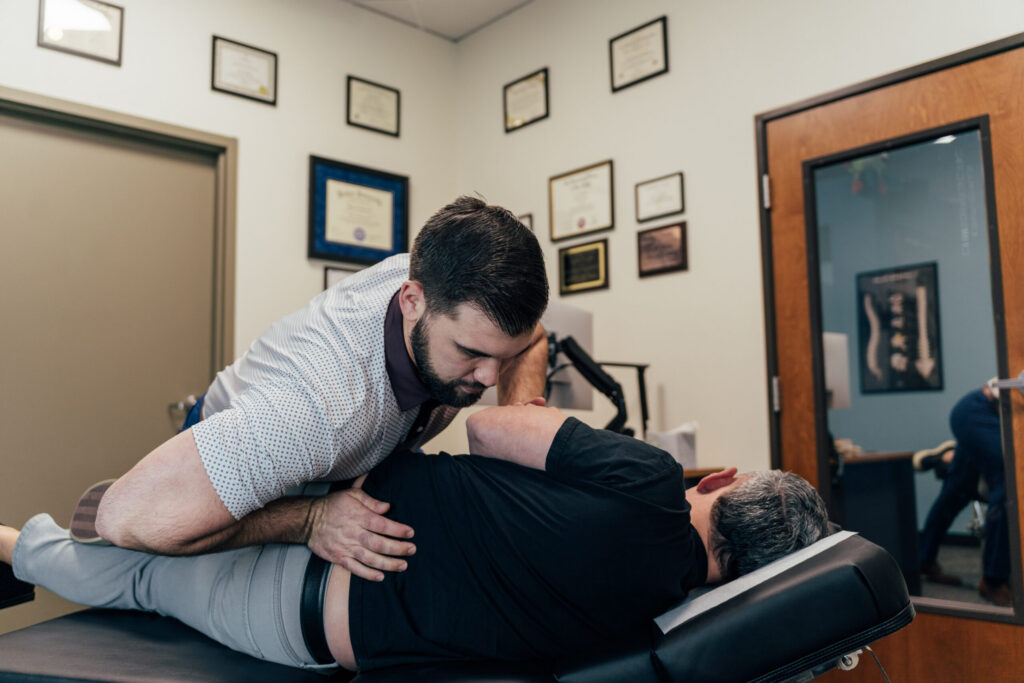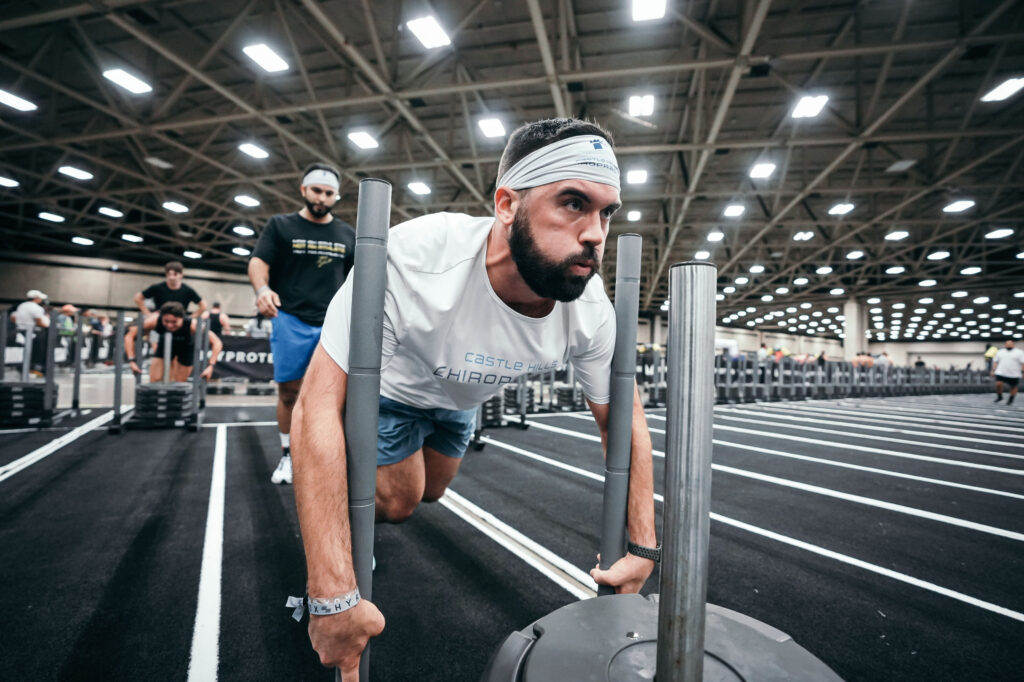

As a local chiropractor, I understand that sports-related back pain can be incredibly disruptive, affecting both your performance and your everyday activities. The good news is that there are numerous effective treatments available that can help you restore strength and mobility naturally.
Chiropractic care, along with other alternative therapies, can provide unique benefits tailored to your specific needs. It's essential to explore different options and find the right combination that works for you, as you may be surprised by how effective some natural treatments can be.
Here are the top ten approaches that can significantly enhance your recovery journey and help you get back to doing what you love. Whether you're new to chiropractic care or seeking to learn more, understanding these options can empower you to take charge of your healing process.
Rest and Recovery
As a local chiropractor, I want to emphasize the significance of rest and recovery when it comes to managing sports-related back pain. Engaging in physical activities can put stress on your back, and it's crucial to recognize that pushing through pain can lead to more severe injuries. Listening to your body is key; if you're experiencing discomfort, it's important to step back from high-impact sports and activities that worsen your symptoms.
However, resting doesn't mean you should be completely inactive. Instead, I encourage you to focus on gentle movements that support healing, such as stretching or light yoga. During your recovery phase, incorporating designated rest days into your schedule allows your muscles and tissues to repair, ultimately preparing you to return to your sport even stronger.
You might find it beneficial to alternate between periods of rest and light activities like walking or swimming. These low-impact exercises can help maintain blood circulation without placing excessive stress on your back, which is essential for recovery.
Additionally, I can't stress enough the importance of quality sleep. A good night's rest plays a vital role in your body's healing process and helps reduce inflammation. Ensure your sleeping environment promotes healthy posture—this means investing in a good mattress and supportive pillows.
Lastly, let's talk about nutrition. A balanced diet filled with anti-inflammatory foods can significantly aid your recovery. Staying well-hydrated is also crucial, as it helps keep your muscles functioning optimally and minimizes stiffness.
Physical Therapy
As a local chiropractor, I want to share how chiropractic care can significantly improve sports-related back pain.
By utilizing specific adjustments and therapeutic techniques, we can help strengthen your muscles and enhance flexibility.
These natural healing methods not only aid in reducing discomfort but also boost your overall athletic performance.
Embracing chiropractic care can be a transformative step toward achieving a pain-free, active lifestyle.
Targeted Exercise Programs
As a local chiropractor, I want to help you understand how targeted exercise programs can be a vital component in managing sports-related back pain. These specialized programs focus on strengthening your back, improving flexibility, and enhancing overall stability, which can significantly alleviate discomfort and reduce the risk of future injuries.
When we engage in targeted exercises, we're concentrating on core strengthening. A strong core is essential as it supports your spine and helps to relieve pressure that can contribute to pain. Exercises such as planks, bridges, and pelvic tilts are particularly effective in building that strength.
Don't forget about stretching! Incorporating movements that increase flexibility in your hamstrings, hip flexors, and lower back can work wonders in reducing tension.
It's important to remember that each individual is unique, and your exercise program should reflect your specific needs. I recommend consulting with a physical therapist or a qualified professional to help you identify the most effective exercises tailored to your condition. They can also guide you on maintaining proper form and progressing safely through your routine.
Consistency is crucial. I encourage you to incorporate these exercises into your routine several times a week. As you stay dedicated to this practice, you'll likely experience improved strength, reduced pain, and an increased range of motion.
With commitment, targeted exercise programs can truly transform your recovery journey and enhance your overall well-being.
Manual Therapy Techniques
As a local chiropractor, I want to share some effective manual therapy techniques that can significantly help alleviate sports-related back pain. Understanding these approaches can empower you to take charge of your recovery and enhance your overall well-being.
First on the list is soft tissue mobilization. This technique involves applying targeted pressure to tight muscles and fascia, which helps release tension and improve flexibility. Many of my patients find that this method not only reduces pain but also enhances their range of motion, allowing them to return to their favorite activities more comfortably.
Next, we've joint mobilization. This technique focuses on gently moving restricted joints through oscillatory movements to increase mobility. By addressing joint stiffness, we can relieve discomfort and restore function, making it easier for you to get back in the game.
Another essential technique is myofascial release. This method targets restrictions in the fascia, the connective tissue surrounding muscles. By applying sustained pressure, we can alleviate pain and increase blood flow, which is crucial for speeding up your recovery process.
Trigger point therapy is another valuable approach that specifically targets tight knots in your muscles. By applying focused pressure to these trigger points, we can significantly reduce pain and enhance overall muscle function, allowing you to perform at your best.
Lastly, craniosacral therapy is a gentle yet powerful technique that addresses tension in the central nervous system. While it may appear subtle, many of my patients report profound improvements in their overall well-being after just a few sessions.
Incorporating these manual therapy techniques into your treatment plan can be a game-changer for managing and recovering from sports-related back pain. I encourage you to consult with a qualified chiropractor to explore these options and discover how they can benefit you.
Your journey to pain relief and improved performance starts here!
Chiropractic Adjustments
As a local chiropractor, I want to take a moment to explain how chiropractic adjustments can be a powerful tool for those dealing with sports-related back pain. Many people are unfamiliar with chiropractic care and its natural healing benefits, so let me break it down for you.
Chiropractic adjustments focus on the alignment of your spine and overall musculoskeletal system. By addressing any misalignments, we can help restore your mobility, alleviate pain, and ultimately enhance your athletic performance. If you've experienced an injury or are dealing with chronic discomfort from your sports activities, chiropractic care could be an excellent addition to your treatment plan.
During your visit, I'll conduct a thorough assessment of your spine and joints. This allows me to identify any areas that may need realignment. Using specific techniques, I can adjust misaligned vertebrae, which not only alleviates pain but also promotes healing by improving circulation and reducing inflammation.
Here are some key benefits you can expect from chiropractic adjustments:
- Enhanced Range of Motion: Improved flexibility can lead to better athletic performance and a decreased risk of injuries.
- Pain Management: Regular adjustments can effectively manage and reduce chronic pain levels, helping you stay active.
- Improved Posture: Proper spine alignment contributes to better posture, which is crucial for any athlete.
- Injury Prevention: By addressing alignment issues proactively, we can help minimize your risk of future injuries.
If you're struggling with back pain from sports, I encourage you to consider chiropractic adjustments as part of your healing journey. Not only can these adjustments relieve your current discomfort, but they may also significantly enhance your overall performance in your sport.
Pain Relief Medications
As a local chiropractor, I want to help you understand how to manage sports-related back pain effectively, and pain relief medications can be part of that journey. While chiropractic care focuses on natural healing and aligning the spine to support your body's innate ability to heal, there are times when medications can provide necessary relief to get you back in the game.
For many of my patients, nonsteroidal anti-inflammatory drugs (NSAIDs) like ibuprofen and naproxen are often the first line of defense. These medications reduce inflammation and can help alleviate pain, allowing you to engage in your daily activities sooner. They're readily available over the counter, but I always emphasize the importance of following recommended dosages to minimize the risk of side effects.
Another option to consider is acetaminophen. While it doesn't specifically target inflammation, it can effectively manage pain for some individuals, especially if NSAIDs aren't a suitable option due to allergies or gastrointestinal issues.
In cases of more severe pain, your physician may prescribe stronger medications, such as opioids. It's crucial to approach these with caution and under strict medical supervision, as they can lead to dependency and other complications.
However, I encourage you to think about a holistic approach to your pain management. Discussing your pain relief plan with a healthcare professional, like a chiropractor, can help tailor your choices specifically to your needs.
I often find that combining medication with chiropractic adjustments, physical therapy, and other natural healing methods can enhance recovery and improve overall well-being.
Cold and Heat Therapy
As a local chiropractor, I want to share some valuable insights about how cold and heat therapy can significantly aid in managing sports-related back pain.
These natural methods aren't only effective for pain relief but also promote healing, helping you return to your favorite activities more quickly.
Cold therapy, often referred to as cryotherapy, is particularly beneficial immediately after an injury. It works by reducing inflammation and numbing the affected area, which can help alleviate pain.
For best results, you can apply ice packs or cold compresses for about 15-20 minutes at a time. Just be sure to wrap the ice in a cloth to protect your skin from frostbite.
On the flip side, heat therapy is excellent for relaxing tight muscles and improving blood circulation. This method is especially helpful for relieving stiffness and pain associated with chronic back issues.
You can utilize heating pads, warm towels, or indulge in a hot bath. Similar to cold therapy, limit your heat sessions to 15-20 minutes to prevent burns.
Here are some essential tips to maximize the benefits of cold and heat therapy:
- Always safeguard your skin by using a cloth or towel when applying cold or heat.
- Use cold therapy right after an injury occurs; heat is more effective for easing muscle tension.
- Consider alternating between cold and heat treatments for enhanced relief.
- Pay attention to your body's signals; if you experience any discomfort, discontinue the therapy.
Massage Therapy
As a local chiropractor, I want to share how massage therapy can significantly benefit athletes who experience sports-related back pain. This hands-on treatment focuses on relieving muscle tension and enhancing blood circulation, which can be crucial in alleviating discomfort.
When considering a massage, it's important to understand that different techniques can address various needs. For example, deep tissue massage targets the deeper layers of muscle and connective tissue, making it particularly effective for those dealing with chronic pain. Conversely, sports massage specifically aims at recovery and preventing injuries, allowing athletes to perform at their best.
During your massage session, it's essential to maintain open communication with your therapist regarding any areas of pain or tightness you're experiencing. This allows them to tailor their techniques to ensure you receive the maximum benefit.
You may find that the pressure applied during the session helps to release endorphins, which are your body's natural painkillers, leaving you feeling both relaxed and revitalized.
Beyond pain relief, massage therapy can also improve flexibility and range of motion, which is vital for athletes. Tight muscles can hinder performance and increase the risk of injury, making it imperative to address these issues.
Regular massage sessions can facilitate quicker recovery after intense workouts, enabling you to return to your sport sooner.
To fully harness the benefits of massage, I encourage you to incorporate it into your overall recovery plan. Combining it with other natural treatments, such as stretching or heat therapy, provides a comprehensive approach to healing.
Remember, consistency is key—regular massage therapy can help maintain muscle health and prevent future back pain, so consider making it a regular part of your wellness routine.
As your chiropractor, I'm here to support you on your journey to optimal health and performance.
Strengthening Exercises
As a local chiropractor, I want to share with you the importance of strengthening exercises in managing sports-related back pain. Many of my patients often overlook how essential these exercises are for their recovery and overall well-being.
It's crucial to prioritize core stability workouts, as they provide the foundation for a strong and resilient back.
In addition to core strength, incorporating flexibility and mobility exercises can significantly enhance your performance and support your spinal health.
By focusing on both strength and flexibility, you can't only alleviate existing pain but also reduce the risk of future injuries.
Core Stability Workouts
As a local chiropractor, I want to emphasize the importance of building core stability for your overall health and well-being, especially if you're looking to prevent and manage sports-related back pain.
A strong core is vital, as it not only supports your spine but also enhances your athletic performance. By incorporating specific core stability workouts into your routine, you can develop the strength necessary to keep your body resilient against injuries.
Here are some effective core stability exercises that I recommend:
- Planks: Begin by holding a plank position on your forearms and toes, ensuring that your body remains straight. Start with 30 seconds and gradually work your way up to longer durations. This exercise is fantastic for engaging your entire core.
- Bird-Dogs: Position yourself on all fours and extend one arm forward while extending the opposite leg back. Hold for a few seconds, then switch sides. This not only helps improve balance but also enhances coordination, which is crucial for injury prevention.
- Dead Bugs: Lie on your back with your arms extended toward the ceiling and knees bent at a 90-degree angle. Slowly lower one arm and the opposite leg while keeping your lower back firmly pressed into the floor. Return to the starting position and alternate sides. This exercise is particularly beneficial for maintaining core stability while protecting your lower back.
- Side Planks: Lie on your side and prop yourself up on one elbow. Raise your hips to form a straight line from your head to your heels. Hold this position for 20-30 seconds on each side. Side planks are excellent for strengthening the obliques, which play a significant role in stabilizing the spine.
By incorporating these exercises into your training regimen, you can strengthen your core and significantly reduce your risk of back pain.
As a chiropractor, I encourage you to prioritize core stability, as it's a key component of natural healing and overall wellness. If you have any questions or need further guidance, don't hesitate to reach out!
Flexibility and Mobility Exercises
As a chiropractor dedicated to helping my patients manage sports-related back pain, I want to emphasize the importance of incorporating flexibility and mobility exercises into your routine. These exercises play a crucial role in enhancing your range of motion and can significantly reduce the stiffness that often leads to discomfort.
Start by focusing on key muscle groups that are commonly affected, such as your hamstrings, hip flexors, and lower back. Gentle stretches, including the cat-cow pose or seated forward bend, can effectively warm up your muscles. Aim to hold each stretch for about 20-30 seconds while practicing deep breathing to help you relax and fully benefit from the movements.
In addition to static stretching, I encourage you to include dynamic movements like leg swings or torso twists. These can enhance mobility and prepare your body for more vigorous activities, reducing the risk of injury.
As you become more comfortable, consider integrating practices like yoga or Pilates into your routine. These disciplines not only improve flexibility but also emphasize core stability, which is vital for supporting your back during sports activities.
Always listen to your body; if you experience any pain, it's important to ease off or modify the exercises accordingly.
Remember, consistency is essential. Aim to include flexibility and mobility work in your weekly schedule. By doing so, you can't only enhance your athletic performance but also help prevent future back pain.
If you have any questions about developing a personalized plan, don't hesitate to reach out to me for guidance. Your well-being is my priority!
Stretching Routines
As a local chiropractor, I want to emphasize the importance of incorporating effective stretching routines into your training regimen, especially if you're experiencing sports-related back pain. Engaging in targeted stretches can significantly improve your flexibility, reduce muscle tension, and enhance your overall performance.
It's essential to focus on the muscle groups that support your back, as well as any areas that may contribute to discomfort.
Here are some key stretches I recommend including in your routine:
- Cat-Cow Stretch: This dynamic movement helps to mobilize your spine and relieve tension in your back, promoting better spinal health.
- Child's Pose: This gentle stretch relaxes your lower back and encourages proper spinal alignment, which is crucial for overall well-being.
- Seated Forward Bend: Targeting your hamstrings and lower back, this stretch can help alleviate tightness that often leads to discomfort.
- Knees-to-Chest Stretch: By gently pulling your knees towards your chest, you can effectively release tension in your lower back and hips.
I recommend holding each stretch for at least 20-30 seconds and repeating them a few times. It's important to listen to your body; if a stretch feels uncomfortable, please ease off and modify it as necessary.
Incorporating these stretches into your routine—ideally after workouts or on recovery days—can not only help relieve back pain but also prevent future injuries.
Remember, consistency is key! By making stretching a regular part of your routine, you'll likely notice improvements in how your back feels during both training and competition.
If you have any questions or need guidance on proper stretching techniques, don't hesitate to reach out—I'm here to help you achieve optimal spinal health and well-being.
Ergonomic Modifications
As a local chiropractor, I want to share how making ergonomic modifications to your training environment can significantly reduce sports-related back pain and improve your overall performance.
It all starts with evaluating your workout space. Ensure your equipment is the right size and properly adjusted for your body. For example, when lifting weights, the bench height should be set in a way that supports proper spinal alignment, allowing your spine to remain neutral throughout the exercise.
Pay close attention to your posture during workouts. Whether you're doing squats, deadlifts, or other compound movements, it's crucial to maintain a straight back and engage your core muscles. If you're unsure about your form, consider using mirrors or recording yourself—this can help you spot any postural issues that may lead to discomfort.
Footwear is another essential factor in preventing back pain. It's important to choose shoes that offer adequate support and cushioning. Inappropriate footwear can lead to misalignment and increased strain on your back. If you're running or engaging in sports, make sure to invest in shoes specifically designed for your activity to help protect your spine.
Don't forget about your recovery space, either. When you're stretching or using a foam roller on the floor, opt for supportive mats that cushion your joints and back. This small adjustment can make a big difference in your comfort levels during recovery.
Lastly, remember to take breaks during long training sessions. Extended periods of repetitive movement or holding static positions can lead to discomfort and pain. Incorporate short rest intervals to adjust your posture, hydrate, and allow your body a moment to reset.
By making these ergonomic adjustments, you can create a training environment that not only minimizes back pain but also enhances your performance.
If you're experiencing persistent discomfort, don't hesitate to seek guidance from a chiropractor who can help you address these issues and promote natural healing.
Alternative Therapies
As a local chiropractor, I want to share how alternative therapies can provide effective relief from sports-related back pain. Many athletes may not be familiar with the benefits of chiropractic care, acupuncture, and massage therapy, but these natural healing methods can significantly alleviate discomfort and enhance your mobility.
Chiropractic adjustments focus on aligning the spine and restoring proper function to the nervous system, which can help reduce pain and improve athletic performance.
Acupuncture, an ancient practice, uses fine needles to stimulate specific points on the body, promoting healing and relaxation.
Additionally, massage therapy can relieve tension in the muscles, improve circulation, and aid in recovery.
By incorporating these therapies into your routine, you can get back to doing what you love without the burden of pain.
Let's work together to explore the best options for your recovery and help you return to the game stronger than ever!
Acupuncture for Pain Relief
As a local chiropractor, I want to share with you the benefits of acupuncture as a natural therapy for managing sports-related back pain. This ancient practice has gained traction among athletes seeking effective alternatives to conventional treatments. By inserting thin needles at specific points on the body, acupuncture stimulates the body's natural healing processes and can significantly reduce pain.
Here's what you can expect if you consider incorporating acupuncture into your pain management plan:
- Pain Reduction: Many patients experience notable relief from pain after just a few sessions, making it a promising option for those suffering from discomfort.
- Improved Mobility: Acupuncture can enhance flexibility and range of motion, which are crucial for athletes aiming to perform at their best.
- Stress Relief: The treatment promotes a state of relaxation that can improve both mental clarity and physical performance, allowing you to focus better on your activities.
- Holistic Approach: Unlike some treatments that target only the symptoms, acupuncture also considers underlying factors contributing to your back pain, such as stress and muscle tension.
Whether you're dealing with chronic pain or recovering from an injury, acupuncture could be a beneficial addition to your overall wellness strategy.
It's essential to consult with a qualified practitioner who understands your individual needs. With the right support, you can effectively manage your back pain and return to the activities you enjoy.
As your chiropractor, I'm here to help guide you on your path to natural healing and optimal health.
Chiropractic Adjustments Benefits
As a local chiropractor, I want to share with you the incredible benefits of chiropractic adjustments, especially for those experiencing sports-related back pain. Chiropractic care is a natural and effective alternative therapy that focuses on realigning the spine and enhancing overall function, which can significantly reduce discomfort.
When you come to my office, I'll begin by assessing your posture, spinal alignment, and range of motion. This thorough evaluation allows me to determine the most appropriate treatment plan tailored specifically for you.
One of the primary advantages of chiropractic adjustments is the reduction of pain through spinal manipulation. This technique not only alleviates pressure on your nerves but also improves blood circulation, enabling your body to heal itself naturally. Many patients report increased flexibility and mobility after just a few sessions, which can positively impact your performance in sports.
In addition to addressing immediate pain, chiropractic care takes a holistic approach to your health. I may recommend specific exercises and lifestyle adjustments designed to strengthen your back and prevent future injuries. This proactive strategy doesn't just tackle existing discomfort; it empowers you to take charge of your spinal health.
By incorporating chiropractic adjustments into your routine, you can enjoy long-term benefits that keep you active and engaged in your favorite sports. Prioritizing your spinal health not only leads to a pain-free experience but also enhances your overall athletic performance.
I encourage you to explore the natural healing power of chiropractic care—your body will thank you!
Massage Therapy Techniques
As a local chiropractor, I want to emphasize the importance of incorporating massage therapy techniques into your overall wellness plan, particularly if you're dealing with sports-related back pain.
These techniques can play a crucial role in alleviating muscle tension, improving circulation, and enhancing flexibility, which are all vital for optimal recovery and performance.
Here are some effective massage techniques that you may find beneficial:
- Swedish Massage: This gentle technique utilizes long strokes and kneading to help relax your muscles and boost blood flow, making it an excellent choice for general relaxation and stress relief.
- Deep Tissue Massage: If you're struggling with chronic pain or tension, deep tissue massage focuses on the deeper layers of muscle and connective tissue, providing targeted relief where you need it most.
- Sports Massage: Tailored specifically for athletes, sports massage incorporates various techniques to prepare your body for physical activity and aid in post-exercise recovery, ensuring you remain at your peak performance.
- Trigger Point Therapy: This method involves identifying and releasing tight knots in your muscles, which can help alleviate referred pain and tension that might be contributing to your discomfort.
Regular sessions with a qualified massage therapist can complement chiropractic care, providing a holistic approach to managing back pain.
By working together, we can develop a customized treatment plan that addresses your specific needs and supports your athletic pursuits.
Conclusion
As your local chiropractor, I want to emphasize the importance of a holistic approach to managing sports-related back pain. Incorporating various treatments can significantly alleviate your discomfort and improve your overall mobility. It's crucial to recognize that rest and recovery play a vital role in your healing process, alongside chiropractic care and physical therapy.
I encourage you to include strengthening exercises and stretching routines in your daily activities, as these can enhance your flexibility and support your spine. Additionally, utilizing cold and heat therapy can provide immediate relief from pain and inflammation.
Making ergonomic adjustments in your daily life can further support your back health, along with exploring alternative therapies that may complement your recovery journey. By taking a proactive stance in your care, you will not only manage your pain effectively but also strengthen your body to return to your favorite activities with renewed vigor. Together, we can work towards a healthier, pain-free lifestyle that keeps you in the game!