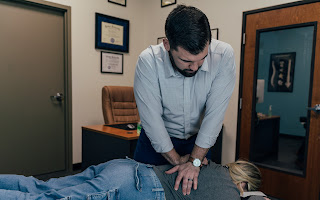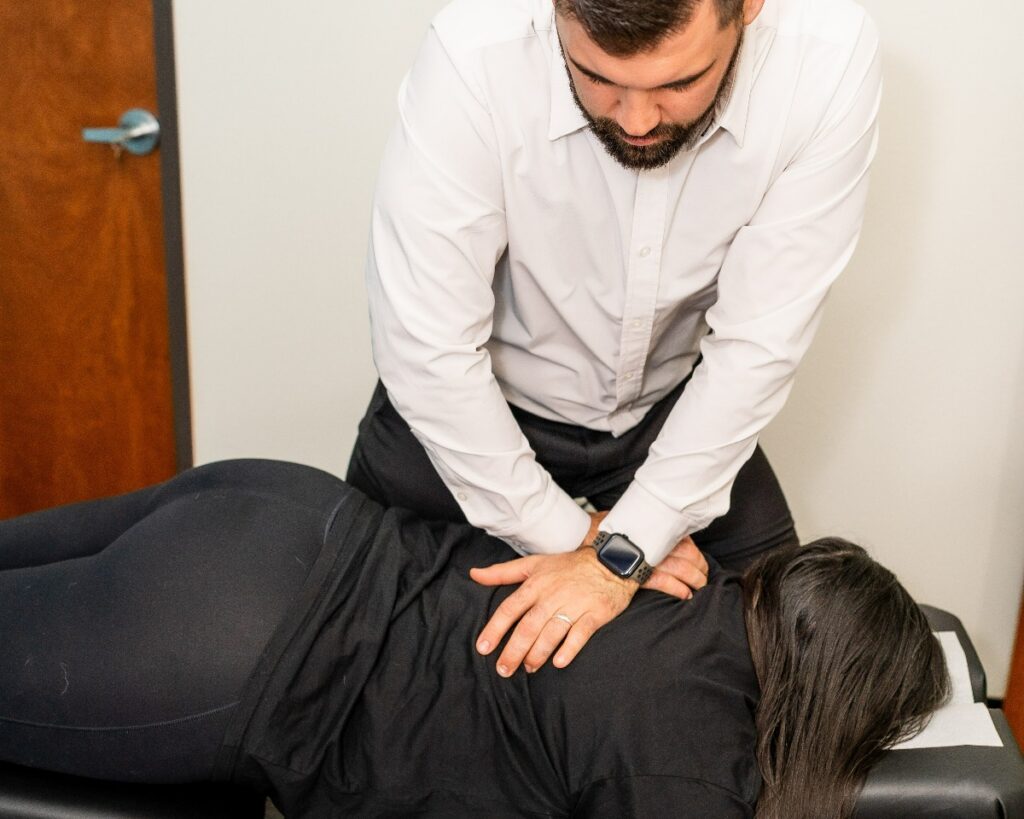

As a local chiropractor, I understand that dealing with a sports injury can be daunting. That's why it's crucial to be informed about effective recovery techniques that can facilitate your healing journey. Many people underestimate the power of rest, proper nutrition, and various therapies in getting you back to peak performance.
One key method I often recommend is ice therapy, which can reduce inflammation and alleviate pain. Additionally, advanced treatments like Platelet-Rich Plasma (PRP) therapy can significantly enhance your body's natural healing response. However, it's not just about physical treatments; the mental aspect of recovery is equally important and should not be overlooked.
If you're curious about how these techniques can work in harmony to enhance your recovery, let's discuss the essential strategies that can help you return to your sport stronger and healthier. Embracing chiropractic care and these natural healing methods can make a substantial difference in your overall recovery process.
Rest and Recovery
As a local chiropractor, I want to emphasize the importance of rest and recovery for anyone, especially athletes, who are dealing with injuries. It's natural to feel frustrated when you're sidelined, but taking the necessary time to rest is crucial for your body's healing process.
It's important to listen to your body and recognize when it signals the need for downtime. Ignoring pain and pushing through it can exacerbate injuries, resulting in a longer recovery time.
During your recovery, consider adjusting your routine to include gentle activities that won't aggravate your injury. This might involve light stretching or mobility exercises that encourage blood flow without risking additional damage.
Prioritizing sleep is also vital; it's during this restorative time that your body does its best work in repairing itself. Aim for 7-9 hours of restful sleep each night in an environment conducive to winding down.
Nutrition is another key component of effective recovery. Focus on a balanced diet that's rich in essential vitamins and minerals, particularly those that promote healing, such as vitamin C and protein.
Staying well-hydrated is equally important as water plays a crucial role in delivering nutrients to your cells, thereby enhancing the recovery process.
Don't hesitate to seek professional guidance during your healing journey. A chiropractor can provide personalized recovery plans tailored to your specific needs, ensuring you're taking appropriate steps at the right times.
Ice Therapy
As a local chiropractor, I want to share with you the benefits of ice therapy for managing sports injuries, particularly during the acute phase. When you sustain an injury, applying ice can be a powerful tool to help reduce swelling and alleviate pain. The reason it works is that ice constricts blood vessels, which in turn decreases inflammation and minimizes tissue damage.
To maximize the effectiveness of ice therapy, it's crucial to start treatment within the first 24 to 48 hours following your injury. You can use an ice pack or even a bag of frozen vegetables, but always wrap it in a thin cloth to protect your skin from frostbite. Aim to apply the ice to the injured area for about 15-20 minutes every hour, especially during the initial days.
Don't forget to give your skin a break between applications to prevent any potential damage. While ice therapy is incredibly beneficial, it's essential to pay attention to your body's signals. If you experience any adverse reactions such as increased pain or prolonged numbness, discontinue ice use immediately.
Also, remember to never apply ice directly to your skin; always use a barrier to keep your skin safe from extreme cold. In addition to pain relief, ice therapy can assist you in regaining mobility more quickly. By reducing swelling, you'll find it easier to start gentle movements, which is a vital part of your recovery process.
Keep in mind that ice therapy is just one component of your overall recovery plan. As you heal, consider combining it with other natural healing techniques that I can guide you through as your chiropractor. Together, we can work towards a successful recovery!
Compression Techniques
As a local chiropractor, I want to share the importance of compression techniques in managing sports injuries. These methods are crucial for reducing swelling and providing support during your recovery journey.
When you sustain an injury, applying compression can significantly help in controlling inflammation and alleviating pain. It's essential to use the right techniques to ensure both effectiveness and comfort.
One of the most common approaches to applying compression is by using elastic bandages or wraps. When you wrap the injured area, begin below the site of the injury and move upwards. Make sure to apply even pressure, but be cautious not to cut off circulation. You should feel a snug fit, but if you experience tingling or excessive tightness, please loosen the wrap immediately.
Another excellent option is compression sleeves. These are specifically designed to fit snugly around the injured area, providing consistent support while still allowing for a full range of motion. Compression sleeves are particularly beneficial for muscle strains or joint injuries, as they help maintain warmth and stability, aiding in your recovery.
In cases of more serious injuries, consider using a compression device that offers intermittent pneumatic compression. These devices are often found in physical therapy settings and can greatly enhance your recovery by promoting blood flow and aiding in lymphatic drainage.
Keep in mind that compression should be used in conjunction with rest and ice therapy for optimal results. Always listen to your body; if swelling persists or worsens, I encourage you to consult a healthcare professional.
Integrating compression techniques into your recovery plan can significantly enhance your healing process and help you return to your activities more quickly.
Elevation Methods
As your local chiropractor, I want to emphasize the importance of proper elevation techniques during your recovery process.
Elevation can significantly reduce swelling and facilitate healing, which is crucial for your overall well-being. It's essential to understand the ideal positioning guidelines to enhance these benefits.
Additionally, knowing the right duration and frequency for elevation will contribute to a more effective recovery.
Let's delve into how these natural healing methods can support your journey towards better health and wellness.
Proper Elevation Techniques
As a local chiropractor dedicated to your natural healing journey, I want to emphasize the importance of proper elevation techniques in reducing swelling and promoting recovery after a sports injury. Elevating the injured area above heart level can harness the power of gravity to decrease blood flow to the site, which in turn minimizes swelling and discomfort.
To effectively elevate your injury, begin by lying down comfortably on your back or side, depending on where your injury is located. If you've injured your leg or ankle, elevate it using pillows to ensure it remains higher than your heart. For arm or wrist injuries, a sling can be very helpful, or you can place your arm on a cushion while you rest. This approach not only aids in elevation but also provides necessary support and comfort during your healing process.
I recommend maintaining this elevated position for about 15-30 minutes every hour, especially in the crucial first 24-48 hours after your injury. It's also important to adjust your position periodically to prevent stiffness or discomfort. Consistency is vital—make elevation a regular part of your recovery routine.
Keep an eye on the swelling; if you notice it isn't improving or is getting worse, please don't hesitate to reach out for professional guidance. Proper elevation is a simple yet effective strategy that can significantly enhance your recovery and help you return to your favorite activities sooner.
Ideal Positioning Guidelines
As a local chiropractor, I want to share how crucial it's to find the right positioning during your recovery from a sports injury. Proper elevation not only helps to reduce swelling but also promotes healthy blood circulation, both of which are vital for healing.
When you're resting, aim to keep the injured area elevated above the level of your heart. This simple adjustment can significantly decrease inflammation and speed up your recovery.
Here are some ideal positioning guidelines I recommend:
- Use pillows: Elevate your injured limb comfortably by stacking pillows underneath it. This will help maintain the necessary height for effective elevation.
- Find a reclined position: Whether you're sitting or lying down, adjust your position to naturally keep the injury elevated. A reclined chair or propped-up position can be very beneficial.
- Avoid pressure: Ensure that nothing is pressing against your injured area while it's elevated. This helps to prevent additional discomfort and promotes better healing.
- Change positions: Don't forget to shift your posture occasionally. Changing positions can enhance circulation and prevent stiffness in the surrounding muscles.
By following these guidelines, you can support your body's natural healing process and get back to your active lifestyle more quickly.
Duration and Frequency
As a local chiropractor, I want to emphasize the importance of proper elevation for your injured area to ensure effective recovery.
Elevation plays a crucial role in minimizing swelling and improving circulation, making it a vital component of your healing routine. I recommend elevating the affected area above heart level for approximately 20 to 30 minutes every two to three hours, particularly during the initial days following your injury.
Consistently elevating your injury not only helps control inflammation but also supports your body's natural healing process. If you notice any swelling returning, don't hesitate to increase the frequency of elevation to maintain optimal results.
While elevation is beneficial, it's crucial to listen to your body. If you begin to feel discomfort or numbness, it's important to adjust your position to avoid cutting off circulation.
Using pillows or a specialized wedge can help keep the injured area comfortably elevated.
Remember, the duration and frequency of elevation may differ depending on the severity of your injury. Always consult with a healthcare professional, like myself, for personalized advice, especially if your symptoms persist.
By adhering to a consistent elevation routine, you'll not only enhance your recovery but also get back to engaging in your favorite activities more quickly.
Let's work together to support your healing journey!
Physical Rehabilitation
Physical rehabilitation is an essential part of recovering from sports injuries and returning to your best performance. It's not merely about resting; it's about actively participating in a structured program designed to help you regain strength, mobility, and confidence.
As a local chiropractor, I emphasize the importance of a personalized approach to your rehabilitation, focusing on the specific needs of your injury while also considering your overall wellness.
Your journey to recovery may incorporate a variety of natural healing techniques that facilitate healing and restore function. Here are some key components that you might find beneficial:
- Chiropractic Adjustments: These can help realign the spine and joints, promoting optimal function and alleviating pain.
- Strengthening Exercises: By gradually rebuilding muscle strength around the injured area, we can enhance stability and support your body during physical activities.
- Balance and Coordination Training: These exercises improve your overall stability, which is crucial in preventing future injuries.
- Pain Relief Techniques: We may utilize modalities such as ultrasound therapy or electrical stimulation, known for their ability to reduce pain and encourage healing.
- Functional Movement Training: Practicing movements specific to your sport can prepare your body for the demands you'll face when you return to play.
It's important to remain committed to your rehabilitation program and to take your time.
Listen to your body and keep an open line of communication with me about any concerns you may have. Adhering to your personalized plan ensures a safe and effective recovery, allowing you to successfully return to your sport.
Together, we'll work towards reclaiming your athletic ability through natural healing methods!
Stretching and Flexibility
As a local chiropractor, I want to emphasize the importance of stretching and flexibility in your recovery from sports injuries. These practices not only enhance your overall performance but also significantly reduce the risk of future issues.
After an injury, it's common for your muscles and joints to become tight, leading to stiffness and discomfort. By incorporating regular stretching into your rehabilitation routine, you can alleviate these symptoms and promote healing.
I recommend starting with gentle static stretches that focus on the muscle groups most impacted by your injury. Hold each stretch for about 15-30 seconds while taking deep breaths. This approach increases blood flow to the affected area and helps relax your muscles, which is crucial for recovery.
As you start to regain flexibility, you might want to include dynamic stretches, which involve movement and can prepare your body for more intense physical activity.
It's essential to listen to your body during this process. If any stretch causes pain, ease off and try again later. Pushing yourself too hard can lead to further injury, so it's vital to gradually increase the intensity and duration of your stretches as you heal.
Incorporating flexibility exercises into your daily routine is also key to maintaining a full range of motion. This is particularly important after an injury, as it can prevent stiffness and ensure you're ready to return to your favorite sports.
Nutrition for Healing
As a local chiropractor, I want to emphasize the significant role that proper nutrition plays in your recovery from sports injuries. Your body requires the right kind of fuel to heal effectively, and nutrition is a key component in this process.
It not only helps reduce inflammation but also aids in repairing tissues and restoring your energy levels. By paying attention to what you eat, you can greatly enhance your recovery journey and return to your favorite activities sooner.
Here are some essential nutritional tips to consider as part of your healing process:
- Protein: Make it a point to include lean meats, fish, eggs, and legumes in your diet. Protein is crucial for muscle repair and growth, which is especially important after an injury.
- Healthy Fats: Incorporate sources such as avocados, nuts, and olive oil into your meals. These healthy fats can help reduce inflammation and provide the energy necessary for your healing process.
- Fruits and Vegetables: Load your plate with a variety of colorful produce. These foods are rich in vitamins, minerals, and antioxidants that are vital for tissue repair and overall health.
- Hydration: Remember to stay well-hydrated by drinking plenty of water. Proper hydration is essential for transporting nutrients throughout your body and supporting optimal cellular function.
Cross-Training Alternatives
As a local chiropractor, I understand that recovering from an injury can be a challenging journey.
It's crucial to find effective cross-training alternatives that support your healing process. I recommend exploring low-impact cardio options such as swimming or cycling. These activities can elevate your heart rate while minimizing stress on your body, promoting cardiovascular health without compromising your recovery.
Moreover, incorporating strength training modifications can help you maintain muscle tone and support your overall strength, all while avoiding the risk of further injury.
Remember, it's important to listen to your body and consult with a healthcare professional to ensure you're choosing the right activities for your specific needs.
Embracing these natural healing methods can't only aid your recovery but also enhance your overall well-being.
Low-Impact Cardio Options
As a local chiropractor dedicated to your holistic recovery, I want to emphasize the importance of incorporating low-impact cardio options into your routine while you heal from a sports injury. These activities aren't only effective for maintaining your fitness level, but they also play a vital role in supporting your body's natural healing processes without adding undue stress to your joints and muscles.
Here are some excellent low-impact cardio options that I recommend:
- Swimming: This activity provides a comprehensive workout that engages all major muscle groups while being gentle on your joints. The buoyancy of water helps reduce impact and strain, promoting cardiovascular health and muscle strength simultaneously.
- Cycling: Whether you choose a stationary bike or prefer outdoor cycling, this form of exercise is fantastic for building endurance and strengthening your legs. It offers a low-impact alternative that allows you to stay active without risking further injury.
- Elliptical Training: Using an elliptical machine can effectively simulate the motions of running or walking while minimizing impact on your knees and hips. This smooth, gliding motion is ideal for individuals recovering from injuries.
- Rowing: This full-body workout engages a variety of muscle groups, making it an excellent choice for enhancing cardiovascular fitness. You can control the pace to match your comfort level, which is essential during your recovery.
Incorporating these low-impact activities into your rehabilitation plan not only helps you stay active but also supports your overall recovery process.
Remember to listen to your body and consult with a healthcare professional, such as myself, before starting any new exercise regimen. Together, we can create a personalized approach that aligns with your healing journey and gets you back to your sport as safely and effectively as possible.
Strength Training Modifications
As a chiropractor, I want to emphasize the importance of maintaining your strength during your recovery process, just as much as engaging in low-impact cardio.
While your traditional strength training routine may need some adjustments, there are various effective cross-training alternatives that can help you preserve your strength without aggravating your injury.
It's crucial to focus on exercises that target your muscles while avoiding unnecessary strain on the injured area. For instance, if you've sustained an injury to your leg, upper body workouts such as seated dumbbell presses or resistance band exercises can be beneficial.
These alternatives allow you to maintain muscle strength without involving the affected limb, promoting healing.
Aquatic therapy is another fantastic option to consider. The resistance provided by water enables you to strengthen your muscles with minimal impact on your joints.
Activities like water aerobics or swimming laps using a kickboard are excellent for focusing on your lower body while keeping your injury protected and safe.
Additionally, bodyweight exercises can be modified to suit your specific condition. Movements like push-ups or planks can often be adjusted to accommodate your injury, providing a way to continue strength training without overexerting yourself.
Always pay attention to how your body feels, and don't hesitate to consult with a qualified trainer or a physical therapist to ensure you're implementing the appropriate modifications.
With careful and thoughtful adjustments, you can effectively maintain your strength training during your recovery period, aiding your overall healing process.
Advanced Therapeutic Options
As a local chiropractor, I want to share how advanced therapeutic options can greatly enhance your recovery from sports injuries, ultimately helping you return to your favorite activities with renewed confidence and strength.
These innovative treatments not only accelerate healing but also improve your overall performance.
One effective method we often recommend is platelet-rich plasma (PRP) therapy. This process involves drawing a small sample of your blood, which is then processed to concentrate the platelets and growth factors.
When injected back into the injured area, it helps stimulate your body's natural healing processes.
Another promising treatment is stem cell therapy. This approach utilizes your body's own regenerative cells to repair damaged tissues, making it particularly beneficial for chronic injuries that haven't responded well to traditional therapies.
You might also find cryotherapy to be an interesting option. This technique exposes your body to extreme cold for a short duration, which can significantly reduce inflammation and pain, thereby shortening your recovery time.
Additionally, electrotherapy is becoming increasingly popular among athletes. This treatment employs electrical impulses to stimulate muscles and nerves, helping alleviate pain and promote healing.
In summary, these advanced therapeutic options can play a significant role in your recovery journey.
If you're interested in exploring these treatments, here's a quick overview of what we can discuss:
- Platelet-rich plasma (PRP) therapy
- Stem cell therapy
- Cryotherapy
- Electrotherapy
As your chiropractor, I'm here to guide you through these options and help you achieve optimal healing and performance.
Mental Health Support
When you're on the road to recovery from a sports injury, it's crucial to understand that your mindset can greatly influence the healing process. As a local chiropractor, I want to emphasize the importance of not only addressing your physical injuries but also nurturing your mental health.
Developing effective coping strategies and leaning on your supportive social networks can significantly enhance your overall well-being during this time.
Chiropractic care is a natural approach that can help alleviate pain and discomfort, allowing you to focus on your recovery.
But remember, taking care of your mental health is just as vital as your physical recovery. It's essential to have a holistic view of healing, blending physical treatments with mental wellness practices.
Importance of Mindset
As a local chiropractor, I want to emphasize how crucial your mindset is during the recovery process from sports injuries. Your mental state can significantly influence how you handle pain, navigate setbacks, and progress along your healing journey.
Embracing a positive mindset not only builds resilience but also motivates you to actively participate in your rehabilitation. When you have faith in your ability to recover, you're more inclined to put in the effort needed and remain dedicated to your recovery plan.
Here are some key aspects to consider that can help enhance your mindset during recovery:
- Focus on Progress: It's important to acknowledge and celebrate small victories, whether that's regaining your range of motion or noticing a decrease in pain. These achievements can boost your morale.
- Stay Positive: Surround yourself with friends and family who provide encouragement and support. Their positivity can be contagious and uplift your spirits during challenging times.
- Visualize Success: Take time to picture yourself back in your sport, performing at your peak. Visualization can be a powerful tool in reinforcing your goals for recovery.
- Practice Mindfulness: Engage in mindfulness practices such as meditation or relaxation techniques. These can help you manage stress and anxiety, which are common during recovery.
Coping Strategies for Athletes
As a local chiropractor, I often see athletes who are navigating the mental health challenges that can arise during recovery from injuries. It's crucial to develop effective coping strategies to support both your physical and mental well-being. First and foremost, it's important to acknowledge your feelings—experiencing frustration, anxiety, or even sadness is completely normal during this recovery phase.
One technique I encourage is journaling, which can be a powerful way to process your emotions and track your healing journey. Writing down your thoughts allows you to reflect on your experiences and monitor your progress.
Incorporating mindfulness practices into your daily routine can also have a significant impact. Techniques like meditation and deep-breathing exercises can help calm your mind and alleviate stress. Additionally, setting realistic and achievable goals can keep you motivated and provide a sense of purpose as you work through your recovery.
Engaging in activities you love, which won't aggravate your injury, is another great way to distract yourself from negative thoughts and maintain a sense of normalcy. This can be anything from reading to painting or even light social activities with friends. You might also consider exploring new skills or hobbies; this not only keeps your mind engaged but can also enhance your overall confidence.
Remember, if you're feeling overwhelmed, seeking professional help is a valuable step. A mental health professional can offer personalized strategies and support tailored to your specific circumstances.
In chiropractic care, we focus on holistic healing, and it's important to recognize that coping isn't just about enduring tough times—it's about finding ways to thrive through them. Your journey to recovery can be a transformative experience, and I'm here to support you every step of the way.
Supportive Social Networks
Building a supportive social network is crucial during your injury recovery, and it's something I often emphasize in my practice as a chiropractor. Surrounding yourself with friends, family, and teammates who understand your struggles can significantly enhance your mental health and overall resilience. When you open up about your experiences, you'll quickly realize that you're not alone in this journey.
Here are some strategies to help you cultivate your supportive network during recovery:
- Communicate openly: It's important to share your thoughts and emotions regarding your injury with those around you. This openness fosters understanding and empathy, which can be incredibly healing in itself.
- Seek encouragement: Surround yourself with people who uplift you. Whether through encouraging texts, phone calls, or face-to-face visits, positive reinforcement from loved ones can accelerate your healing process.
- Join support groups: Consider engaging with support groups that include others who've experienced similar injuries. Hearing their stories can provide both valuable insights and emotional support, reminding you that recovery is a shared journey.
- Stay involved: Even if you're unable to participate physically, try to attend team events and gatherings. Maintaining a sense of belonging can greatly enhance your morale and motivation during recovery.
Conclusion
As a local chiropractor, I want to share with you the importance of incorporating these ten techniques into your recovery routine after experiencing a sports injury. By emphasizing rest, proper nutrition, and effective therapies, alongside supporting your mental health, you can significantly enhance your healing process. It's essential to understand that recovery goes beyond just physical healing; it's about nurturing your overall well-being.
Chiropractic care plays a crucial role in this journey. By addressing misalignments in your spine and joints, we can help alleviate pain, improve mobility, and promote optimal function throughout your body. Remember to stay committed to your recovery, listen to your body's signals, and prioritize your health. With the right approach, you'll be back in the game stronger than ever!