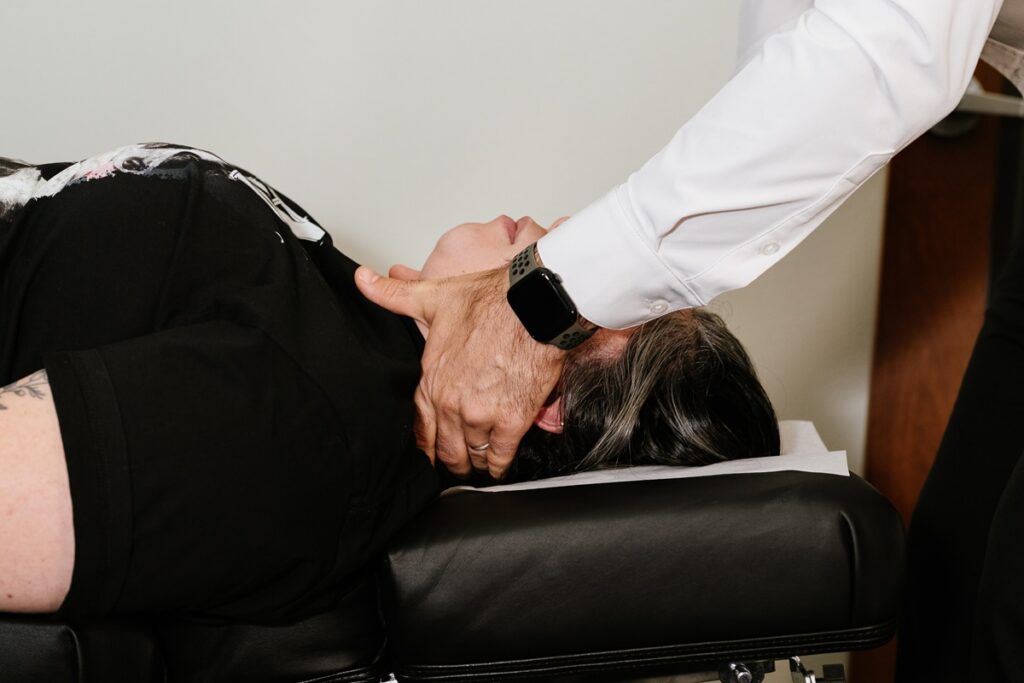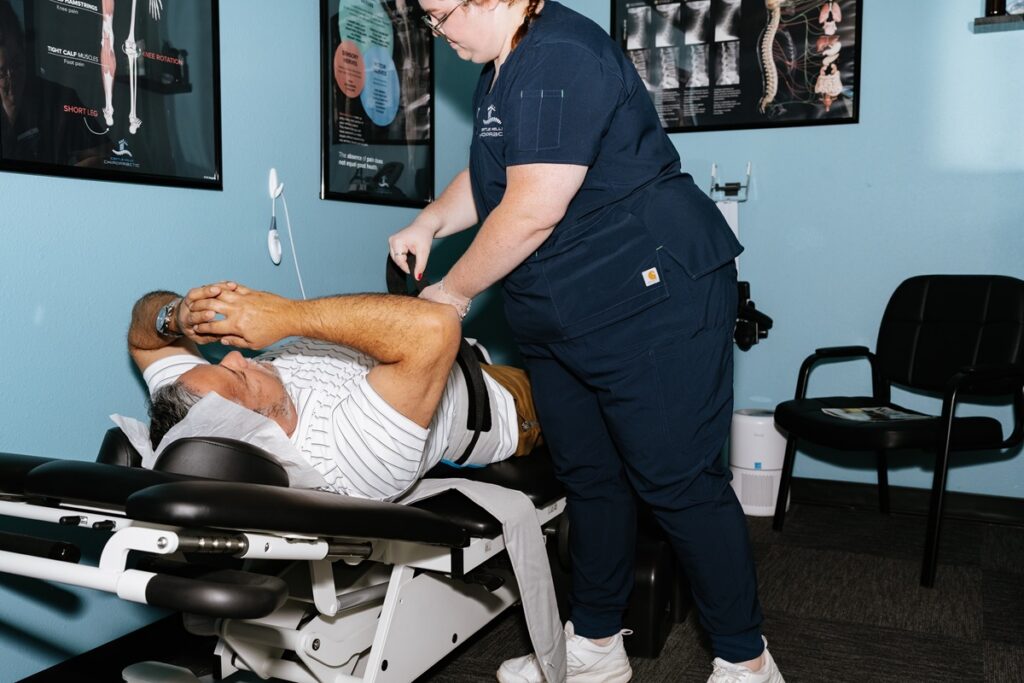

Tailored care is highly recommended for you because it connects directly to your individual health needs and preferences. By customizing your treatment plan, you can expect not only better outcomes but also a more engaged approach to managing your health. This method fosters a stronger relationship with your healthcare providers and empowers you to take an active role in your wellness journey. But what does this truly mean for your day-to-day life, and how can you start benefiting from such a personalized approach?
Understanding Tailored Care
Tailored care is all about personalizing healthcare to fit your unique needs and preferences. It's not just a buzzword; it's a shift in how you can approach your health. Instead of receiving generic treatment plans, tailored care focuses on what works specifically for you. This means that your healthcare providers take into account your medical history, lifestyle, and even your personal values when creating a plan.
Understanding tailored care starts with recognizing that one size doesn't fit all in healthcare. When you engage in a tailored care approach, you're empowered to be an active participant in your health decisions. You'll likely find that this method leads to better outcomes, as it's designed to address the nuances of your situation.
For instance, if you have a chronic condition, your treatment mightn't only consider medication but also dietary changes, exercise routines, and mental wellness strategies that resonate with you.
Moreover, communication is essential in tailored care. You need to express your concerns and preferences clearly, fostering a collaborative relationship with your healthcare team. That way, you can verify that the strategies they recommend align with your goals.
In essence, tailored care is about creating a health plan that truly reflects who you're and what you need. By understanding this approach, you can take the first steps toward a more effective and satisfying healthcare experience. Embrace the opportunity to prioritize your individuality in your health journey.
Benefits of Personalized Health Plans
When you embrace a personalized health plan, you're setting yourself up for improved health outcomes tailored to your unique needs.
This approach not only boosts your engagement in the process but also empowers you to take charge of your health journey.
Let's explore how these benefits can lead to a more fulfilling and effective healthcare experience.
Improved Health Outcomes
Understanding your unique health needs can lead to greatly improved health outcomes. When you receive a personalized health plan, it focuses on your specific conditions, preferences, and lifestyle. This tailored approach guarantees that the treatments and recommendations are more relevant to you, increasing their effectiveness.
For example, if you have a chronic condition, a personalized plan can identify the most suitable medications and therapies, reducing the risk of side effects or complications. You're not just another patient; your unique genetics, environment, and habits are taken into account, allowing for more precise interventions.
Additionally, tailored care often involves regular monitoring and adjustments based on your progress. This proactive approach helps catch potential issues early, leading to timely interventions that can prevent complications. As a result, you're likely to experience better management of your condition, resulting in improved quality of life.
Moreover, personalized health plans can enhance your overall wellness by addressing preventive measures specific to your situation. This means you're not just treating symptoms; you're working towards lasting health improvements.
Ultimately, understanding your individual health needs through tailored care can greatly enhance your overall health outcomes.
Enhanced Patient Engagement
Personalized health plans foster enhanced patient engagement by making you an active participant in your own care. When your health plan is tailored to your specific needs, goals, and preferences, you're more likely to take ownership of your health journey. This involvement empowers you to make informed decisions and encourages you to stay committed to your treatment.
With a personalized approach, you receive relevant information that resonates with your unique circumstances. You'll find it easier to understand your condition and the steps needed for improvement. This clarity enhances your motivation to adhere to treatment protocols, leading to better health outcomes.
Moreover, engaging with your healthcare providers becomes more meaningful. You're encouraged to ask questions, share concerns, and contribute to discussions about your care. This two-way communication fosters a collaborative relationship, making you feel valued and understood.
As you take an active role in managing your health, you're likely to see increased satisfaction with your care experience.
Ultimately, enhanced patient engagement through personalized health plans not only improves your health but also boosts your confidence in steering your healthcare journey.
Enhancing Patient Engagement
To enhance patient engagement, you need to adopt personalized communication strategies that resonate with each individual.
Using active listening techniques helps you understand their concerns better, fostering a stronger connection.
Personalized Communication Strategies
Effective communication strategies can greatly enhance patient engagement, making health care more collaborative and responsive. When you interact with your healthcare provider, personalized communication can help you feel more valued and understood.
Tailoring your communication approach involves recognizing your preferences and needs, ensuring the information shared resonates with you. Start by expressing your concerns and preferences clearly. If you prefer written instructions, ask for them. If visual aids help you grasp complex topics, request diagrams or charts.
Your healthcare provider can adapt their communication style to match your learning preferences, whether that's through face-to-face conversations, phone calls, or secure messaging.
Moreover, regular check-ins can provide a platform for ongoing dialogue. This fosters trust and encourages you to voice concerns or questions. Use technology to your advantage—patient portals can offer reminders, educational resources, and easy access to your health information.
Active Listening Techniques
Finally, don't hesitate to express your feelings or concerns. By sharing your thoughts, you foster a more collaborative atmosphere, making it easier for both you and your healthcare provider to navigate your care effectively.
Active listening not only empowers you but also builds a stronger patient-provider relationship.
Collaborative Decision-Making Processes
While you may feel overwhelmed by medical terminology and treatment options, engaging in collaborative decision-making processes can greatly enhance your role in healthcare.
By actively participating, you're not just a passive recipient of care; you become an integral part of the team that shapes your treatment plan. This approach fosters trust and encourages open communication between you and your healthcare providers.
Here are three key benefits of collaborative decision-making:
- Personalized Treatment Plans: When you share your preferences and values, your healthcare team can tailor a plan that aligns with your lifestyle and goals, making it more effective for you.
- Informed Choices: By discussing options together, you gain a clearer understanding of the risks and benefits, empowering you to make decisions that feel right for you.
- Increased Satisfaction: Engaging in the decision-making process often leads to higher satisfaction rates, as you feel heard and respected in your healthcare journey.
Embrace collaboration, and take charge of your health. It's your body, your choices, and your future.
Addressing Unique Health Needs
Understanding your unique health needs is fundamental for achieving ideal wellness. Each person's health journey is different, influenced by factors like genetics, lifestyle, and personal experiences. By recognizing what sets you apart, you can take proactive steps to address your specific requirements.
Are you managing a chronic condition, or do you have particular dietary restrictions? Understanding these details allows you to seek tailored interventions that work for you. When healthcare providers consider your unique health profile, they can develop customized plans that accommodate your needs, preferences, and goals.
Your mental health also plays a significant role in your overall wellness. If you're facing stress, anxiety, or other emotional challenges, it's critical to incorporate mental health strategies into your care plan. This might mean seeking therapy, practicing mindfulness, or engaging in activities that uplift your spirits.
Moreover, it's important to listen to your body. You might notice patterns in how you feel after certain foods or activities, which can provide invaluable insights into your health. By sharing these observations with your healthcare team, you empower them to create a more personalized approach.
Ultimately, addressing your unique health needs means embracing a holistic view of your well-being. It's about understanding the interplay between physical, mental, and emotional health. By actively participating in your care, you're setting the stage for better health outcomes and a more fulfilling life.
Prioritize your individuality; it's the key to revealing your best self.
Improving Health Outcomes
Taking a personalized approach to your health not only addresses your unique needs but also greatly improves health outcomes. When you tailor your healthcare plan, you can expect better results, increased satisfaction, and a greater sense of empowerment.
Here are three key benefits:
- Targeted Interventions: With a personalized plan, healthcare providers can identify the most effective treatments for your specific condition. This means you're not just getting a one-size-fits-all solution; your plan is crafted to suit your individual health profile, leading to more effective interventions.
- Enhanced Compliance: When treatment plans resonate with your lifestyle and preferences, you're more likely to stick with them. Tailored care encourages you to engage actively in your health journey, making it easier to follow through on recommendations, whether it's medication, exercise, or dietary changes.
- Long-Term Wellness: A personalized approach focuses not just on treating immediate issues but also on preventing future health problems. By understanding your unique risk factors and health history, you can work with your healthcare team to develop strategies that promote long-term wellness, ultimately enhancing your quality of life.
The Role of Preventive Care
Preventive care plays an essential role in maintaining your overall health and well-being. By focusing on prevention, you can catch potential health issues before they become serious problems. This proactive approach helps you avoid unnecessary treatments and hospital visits, ultimately saving you time, stress, and money.
Regular check-ups and screenings are key components of preventive care. During these visits, your healthcare provider can monitor your important signs, assess your risk factors, and recommend necessary tests. Early detection of issues like high blood pressure, diabetes, or cancer greatly improves your chances of successful treatment. You're not just waiting for symptoms to arise; you're actively managing your health.
Vaccinations are another important aspect of preventive care. They protect you from various infectious diseases, ensuring you stay healthy and safe. By staying up-to-date with your vaccinations, you're not only safeguarding yourself but also contributing to community health by preventing the spread of illnesses.
Lifestyle choices are equally significant in preventive care. Engaging in regular physical activity, eating a balanced diet, and managing stress can reduce your risk of chronic diseases. Your healthcare provider can help tailor a plan that suits your individual needs and goals.
Incorporating preventive care into your routine empowers you to take charge of your health. By prioritizing prevention, you can enhance your quality of life and enjoy a longer, healthier future.
Customizing Your Care Experience
Personalizing your care experience can markedly enhance the effectiveness of preventive measures you've already adopted. When you tailor your healthcare approach to fit your unique needs, you're not just following a one-size-fits-all plan; you're actively engaging in your health journey.
This customization allows for better communication with your healthcare providers and guarantees that the strategies you choose resonate with your lifestyle and preferences.
Here are three ways to customize your care experience:
- Set Personal Health Goals: Identify what you want to achieve with your preventive care. Whether it's weight loss, improved fitness, or better stress management, having clear goals helps you and your provider stay focused and motivated.
- Incorporate Your Preferences: Discuss your likes and dislikes regarding treatments, medications, or lifestyle changes. If you struggle with certain dietary recommendations, let your provider know. They can help you find alternatives that work better for you.
- Utilize Technology: Leverage health apps and wearables to track your progress and health metrics. These tools can provide you with real-time data, making it easier to adjust your care plan based on your daily activities and wellness indicators.
Building Trust With Care Providers
Building trust with your care provider starts with open communication.
When you share your concerns and preferences, it creates a stronger connection and guarantees you receive consistent care.
Importance of Open Communication
Open communication serves as the cornerstone of trust between you and your care providers. When you feel comfortable expressing your thoughts and concerns, you're more likely to receive personalized care that meets your unique needs.
This transparency fosters a collaborative environment where both you and your provider can work together effectively.
Here are three key benefits of open communication:
- Enhanced Understanding: When you share your symptoms, preferences, and medical history, your care provider can offer more accurate assessments and recommendations tailored to you.
- Increased Satisfaction: Being open about your expectations and concerns leads to a more satisfying care experience. You'll feel heard and valued, which enhances your overall well-being.
- Better Outcomes: When you actively engage in discussions about your care plan, you're more likely to adhere to treatments and make informed decisions, ultimately leading to improved health outcomes.
Consistency in Care Relationships
Trust in a care relationship grows with consistency. When you engage with your care providers regularly, you begin to build a strong foundation based on reliability and familiarity.
Consistent interactions allow you to share your concerns and preferences, making it easier for your providers to tailor their approach to your unique needs.
By visiting the same provider or team, you gain a deeper understanding of their methods and philosophies. This familiarity fosters an environment where you feel comfortable asking questions and discussing your health openly.
You're more likely to adhere to treatment plans when you trust the people behind them.
Moreover, consistent care helps your providers stay informed about your health history and any changes that may arise. They can offer better insights and adjustments to your care plan, ensuring it's always aligned with your evolving needs.
In essence, the more consistent your interactions are, the stronger your relationship becomes. This trust not only enhances your experience but also leads to better health outcomes.
Long-term Wellness Strategies
Long-term wellness strategies are vital for maintaining a healthy lifestyle over time. When you focus on sustainable habits, you not only improve your physical health but also enhance your mental and emotional well-being.
Here are three key strategies to take into account for long-term wellness:
- Balanced Nutrition: Fueling your body with a variety of nutrients is essential. Incorporate whole foods like fruits, vegetables, lean proteins, and whole grains into your diet. This not only supports your immune system but also boosts your energy levels, helping you feel your best.
- Regular Physical Activity: Aim for at least 150 minutes of moderate-intensity exercise each week. Whether it's walking, cycling, or yoga, find activities you enjoy. Consistent movement keeps your heart healthy, improves your mood, and helps maintain a healthy weight.
- Mindfulness and Stress Management: Prioritize your mental health by practicing mindfulness techniques, such as meditation or deep-breathing exercises. Managing stress effectively can prevent burnout and improve your overall quality of life.
Think about setting aside time each day to engage in activities that help you unwind and recharge.
Steps to Get Started
Getting started on your journey to long-term wellness can feel overwhelming, but breaking it down into manageable steps makes it achievable. First, assess your current health status. Make a list of any concerns or goals you want to address, whether it's weight management, stress reduction, or enhancing your physical fitness. This self-reflection sets a solid foundation for your tailored care plan.
Next, research the types of professionals who can assist you. Consider reaching out to nutritionists, fitness trainers, or therapists. They can provide personalized guidance based on your unique needs. Once you've identified potential specialists, schedule consultations to determine who resonates with you. It's essential to find someone you feel comfortable with.
After establishing your support team, set specific, realistic goals. Instead of aiming for drastic changes overnight, focus on small, incremental steps. For example, commit to adding one serving of vegetables to your daily meals or taking a 15-minute walk three times a week. These small victories will keep you motivated.
Additionally, track your progress. Whether through a journal or a wellness app, recording your achievements can provide valuable insights and help you stay accountable.
Finally, be open to adjusting your plan as needed. Wellness is a journey, not a destination, and what works for you might evolve over time. By following these steps, you'll be well on your way to achieving sustainable long-term wellness tailored specifically for you.
Conclusion
Incorporating tailored care into your health journey means embracing a personalized approach that truly fits your needs. By actively participating in your treatment plans, you enhance communication with your healthcare providers and build a trusting relationship. This not only addresses your unique health concerns but also leads to better outcomes and long-term wellness strategies. Start taking charge of your health today—your journey towards empowerment and improved satisfaction begins with tailored care.