
When you're dealing with sports-related pain, it can be tempting to push through or brush it off as normal. However, ignoring those signals your body sends can lead to more serious issues down the line. Seeking professional help isn't just about treating the pain; it's about understanding its root cause and preventing future injuries. By addressing your discomfort early, you can enhance your performance and maintain your active lifestyle. But what are the specific signs that indicate it's time to seek help?
Understanding Sports-Related Pain
Understanding sports-related pain starts with recognizing its common causes and symptoms. Whether you're a weekend warrior or a seasoned athlete, you've likely experienced some discomfort during your activities. This pain can stem from several factors, including overuse, improper technique, or inadequate warm-up. It's vital to pay attention to your body's signals, as ignoring them can lead to more severe injuries.
You might notice pain that's sharp, dull, or throbbing, and it may vary in intensity. Often, it's localized to specific areas like joints, muscles, or tendons. When you push your limits without proper conditioning, your body responds with pain as a warning sign. If you've recently increased your training intensity or switched up your routine, you could be more susceptible to discomfort.
Additionally, environmental factors can contribute to sports-related pain. Uneven surfaces, inappropriate footwear, or extreme weather conditions can exacerbate your discomfort. Recognizing these triggers can help you make necessary adjustments to prevent pain from interfering with your performance.
It's essential not to dismiss any persistent discomfort. Pain that lingers after activity or worsens with time warrants your attention. By understanding these symptoms and their potential causes, you can take proactive steps to address the issue.
Whether it's modifying your training regimen or seeking professional help, being informed about sports-related pain is the first step toward recovery and maintaining your athletic pursuits.
Common Types of Sports Injuries
Sports injuries can happen to anyone, whether you're playing a casual game or competing at a high level. Understanding the common types of sports injuries can help you recognize what might be affecting you and how to address it.
One prevalent injury is a sprain, which occurs when you stretch or tear a ligament, usually in the ankle or knee. You might feel pain, swelling, and difficulty moving the affected joint.
Strains, on the other hand, happen when muscles or tendons are overstretched or torn, often in the back, hamstrings, or quadriceps. If you notice sharp pain and muscle spasms, you might be dealing with a strain.
Fractures are another serious concern. A fracture is a break in the bone, often resulting from high-impact collisions or falls. If you experience intense pain, swelling, and an inability to bear weight, it's vital to seek medical attention.
Tendinitis involves inflammation of a tendon, typically caused by repetitive motion. Commonly affected areas include the elbow, shoulder, and knee. If you notice persistent discomfort during activities, you could be facing tendinitis.
Finally, concussions are a significant type of injury, particularly in contact sports. If you experience symptoms like confusion, dizziness, or headaches after a blow to the head, it's important to take these symptoms seriously.
Being aware of these injuries helps you stay vigilant during your activities. Always listen to your body, and when in doubt, seek professional advice.
Signs You Should Seek Help
If you're experiencing persistent pain that doesn't go away, it's time to contemplate seeking help.
You might also notice that your performance levels are slipping or that you're getting injured more frequently.
Ignoring these signs can lead to bigger problems down the line.
Persistent Pain Symptoms
Experiencing persistent pain can be a frustrating and debilitating issue that signals the need for professional help. If you find that your discomfort lasts longer than a few days or intensifies with activity, it's crucial to pay attention. This isn't just soreness from pushing your limits; it's a sign that something might be wrong.
You may notice that the pain doesn't improve with rest or over-the-counter medications. Instead of fading away, it lingers, affecting your daily life and training routine. If you're experiencing sharp, throbbing, or aching sensations that disrupt your sleep or daily activities, it's time to consult a healthcare professional.
Don't ignore other symptoms like swelling, stiffness, or restricted movement. These can indicate underlying issues that require medical attention. If you've modified your workouts to avoid pain but find it's still present, that's another signal that you should seek help.
Reduced Performance Levels
When you notice a decline in your performance levels, it's a clear sign that something isn't right. You might find yourself struggling to keep up with your usual training routine or unable to achieve the same results you once did. This drop in performance can be frustrating and disheartening, especially when you've put in the effort to improve.
If you're consistently feeling fatigued or lacking motivation, it could indicate an underlying issue that needs addressing. Maybe you're experiencing decreased strength, speed, or endurance, which can hinder your ability to compete or enjoy your sport.
It's important to recognize these signs early on. Ignoring them may lead to more significant problems down the line.
Don't brush off these performance dips as just a phase; it's vital to pay attention to what your body is telling you. Seeking help from a professional can provide you with tailored guidance, allowing you to regain your edge and prevent further setbacks.
Increased Injury Frequency
Increased injuries can signal that your body needs attention, especially if you're finding yourself sidelined more often than usual. It's essential to recognize when the frequency of your injuries starts to rise. Are you experiencing more sprains, strains, or fractures than before? If so, it's time to reflect on your training regimen and overall health.
Repeated injuries often indicate underlying issues like muscle imbalances, poor technique, or inadequate recovery time. These factors can lead to chronic pain and may keep you off the field longer than expected. Ignoring these signs can result in worse injuries that require extensive rehabilitation.
Don't brush off those recurring injuries as mere accidents. Instead, consider consulting a healthcare professional or a sports therapist. They can help identify the root causes of your increased injury frequency. They'll assess your biomechanics, training methods, and lifestyle factors, providing tailored advice to mitigate further risks.
Proactively addressing these concerns can enhance your performance and keep you in the game. Remember, seeking help isn't a sign of weakness; it's a step toward ensuring longevity and success in your athletic endeavors.
Don't wait until it's too late—act now.
Risks of Ignoring Pain
Ignoring pain can lead to chronic injuries that may sideline you for longer than you expect.
As your discomfort worsens, your performance could take a hit, making it harder to compete at your best.
Plus, neglecting these signals can result in serious long-term health issues that could affect your overall well-being.
Chronic Injury Development
Over time, pushing through sports-related pain might seem like a badge of honor, but it often leads to chronic injuries that can sideline you for much longer. When you ignore pain, you're not just masking a temporary issue; you're risking the development of more severe conditions that could require extensive rehabilitation or even surgery.
Each time you push your body beyond its limits, you're creating a cycle of damage and compensation. For instance, if you've got a nagging knee pain, you might unconsciously adjust your gait to avoid discomfort. This adjustment puts unnecessary stress on other joints, leading to a cascade of injuries that could affect your hips, back, or ankles.
It's important to listen to your body's signals. What starts as a minor ache can evolve into chronic tendinitis, stress fractures, or other long-term conditions that not only keep you off the field but can also affect your daily life.
Addressing pain early on can prevent these chronic issues from developing, allowing you to stay active and enjoy your sport without the fear of long-term consequences. Don't let pride keep you from seeking help; your future self will thank you.
Performance Decrease
When you push through pain, you may think you're toughening up, but it can seriously hurt your performance. Ignoring pain signals your body is sending can lead to decreased strength, speed, and overall effectiveness in your sport. Instead of enhancing your abilities, you might find yourself struggling to keep up with your teammates or competitors.
Pain often indicates underlying issues that, if left unaddressed, can worsen over time. You might notice that your movements become less fluid, your reaction times slow down, and your stamina diminishes. This decline can affect not just your individual performance, but also your team's dynamics and success.
Moreover, when you're in pain, you're likely focusing on that discomfort rather than the game itself. This mental distraction can lead to poor decision-making, missed opportunities, and increased chances of errors.
If you want to maintain peak performance, it's crucial to listen to your body. Seeking help for sports-related pain can guarantee you stay at your best, enabling you to train effectively and compete confidently. Don't let pain dictate your performance—address it before it takes a toll on your game.
Long-Term Health Consequences
Pushing through pain might feel like a badge of honor, but it can lead to significant long-term health consequences. Ignoring those signals your body sends can result in chronic injuries, making even simple movements painful over time. You might think you're toughing it out, but what you're really doing is risking severe damage to muscles, joints, and ligaments.
Overuse injuries, like tendonitis or stress fractures, can become persistent problems if left untreated. These conditions not only affect your athletic performance but can also lead to arthritis down the line. You could find yourself sidelined for weeks or even months, and the longer you wait to address the issue, the worse it can get.
Additionally, chronic pain can take a toll on your mental health. The frustration and anxiety that come with persistent pain can lead to depression, impacting your overall well-being.
Seeking help early can prevent these long-term consequences, allowing you to enjoy your favorite activities without fear of injury. Remember, addressing pain isn't a sign of weakness; it's a smart step toward maintaining your health and performance for years to come.
Benefits of Professional Assessment
A professional assessment can be a game-changer for anyone dealing with sports-related pain. When you seek help from a qualified expert, you gain access to a wealth of knowledge and experience that can help you understand the root cause of your discomfort. Instead of guessing what might be wrong, a professional can provide a detailed evaluation that pinpoints the specific issue and its severity.
One major benefit of a professional assessment is that it can help prevent further injury. By identifying problems early on, you can take proactive steps to address them before they escalate. This not only saves you time and money in the long run but also allows you to get back to your sport faster.
Additionally, a thorough assessment gives you a customized approach to your recovery. Instead of a one-size-fits-all solution, a professional can tailor recommendations based on your specific condition, lifestyle, and goals. This individualized plan increases the likelihood of effective treatment and a quicker return to peak performance.
Moreover, a professional can educate you about your body and the mechanics of your sport. This understanding can empower you to make better decisions in training and competition, reducing your risk of future injuries.
In short, investing in a professional assessment is an essential step in managing sports-related pain. It equips you with the knowledge and strategies you need to recover effectively and enhance your overall athletic performance.
Treatment Options Available
When you're dealing with sports-related pain, exploring treatment options is essential.
You can benefit from physical therapy techniques that strengthen and heal your body, along with medications or injections that help manage pain.
Understanding these options will empower you to make informed decisions about your recovery.
Physical Therapy Techniques
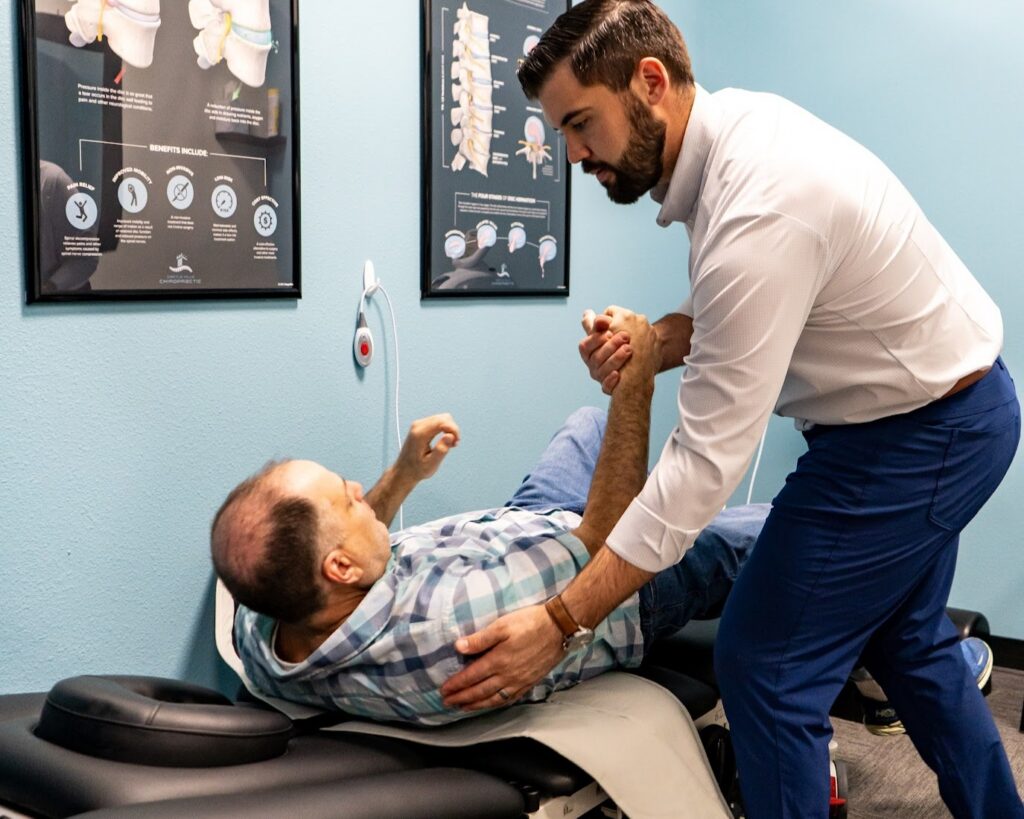
Finding relief from sports-related pain often involves exploring various physical therapy techniques tailored to your specific needs. One of the most effective methods is manual therapy, where your therapist uses hands-on techniques to manipulate muscles and joints, improving mobility and reducing pain.
You might also benefit from therapeutic exercises designed to strengthen specific muscle groups, enhance flexibility, and restore function. These exercises can be customized based on your sport and injury, ensuring a targeted approach to recovery.
Another technique is modalities, which include heat, ice, ultrasound, or electrical stimulation. These can help alleviate pain and promote healing by improving blood flow and reducing inflammation.
Don't underestimate the importance of education. Your therapist will guide you on proper body mechanics and techniques to prevent further injuries, empowering you to make informed choices during your activities.
Finally, consider balance and coordination training, especially if your sport requires agility. These exercises can help improve your overall performance while reducing the risk of future injuries.
Medication and Injections
Medication and injections can play an essential role in managing sports-related pain and facilitating your recovery. Over-the-counter options like ibuprofen or acetaminophen can effectively reduce inflammation and alleviate pain, allowing you to return to your activities sooner.
However, if your pain persists, your healthcare provider might recommend stronger prescription medications or specific treatments tailored to your condition.
Injections, such as corticosteroids, can provide targeted relief by delivering anti-inflammatory medication directly to the affected area. This method can notably decrease pain and swelling, enabling you to engage in rehabilitation exercises more effectively.
Platelet-rich plasma (PRP) injections are another option that's gaining popularity. These injections utilize your body's own healing properties to promote recovery in injured tissues.
It's crucial to communicate openly with your healthcare professional about your symptoms and treatment goals. They'll help you determine the best approach for your specific situation.
Role of Physical Therapy
Physical therapy plays an essential role in managing sports-related pain and enhancing recovery. When you've experienced an injury or are dealing with chronic discomfort, a physical therapist can provide tailored strategies to help you regain strength, flexibility, and overall function. They'll assess your condition, identify specific limitations, and develop a personalized treatment plan designed to meet your unique needs.
During your sessions, you'll engage in various exercises that target the affected areas, helping to alleviate pain and promote healing. Physical therapists often incorporate techniques like manual therapy, which can relieve tension and improve circulation. This hands-on approach allows you to experience immediate relief while laying the groundwork for long-term recovery.
In addition to exercises, your therapist will educate you about proper body mechanics and posture, reducing the risk of re-injury. They'll teach you how to modify your movements during activities, ensuring you stay active without exacerbating your pain. This guidance is essential, as it empowers you to make informed decisions about your physical activities.
Moreover, physical therapy can enhance your overall athletic performance. By focusing on strength and conditioning, you'll not only recover from your current injury but also build resilience against future issues. You'll learn techniques to improve your movement patterns, which can boost your efficiency and effectiveness in your sport.
In short, physical therapy is a critical component of your recovery journey, helping you manage pain, regain functionality, and ultimately return to your favorite activities stronger than before.
Preventative Measures to Consider
To stay injury-free and maintain peak performance, it's important to incorporate preventative measures into your routine. By being proactive, you can greatly reduce the risk of sports-related injuries and guarantee you're always at your best.
Here are some key strategies to take into account:
- Warm-up and Cool Down: Always start with a proper warm-up to prepare your muscles for activity, and don't skip the cool-down to help your body recover.
- Strength Training: Incorporate strength training exercises to build muscle, improve stability, and support your joints. Strong muscles can better absorb impact during sports activities.
- Cross-Training: Engage in various types of training to prevent overuse injuries. By mixing in different sports or activities, you can reduce strain on specific muscle groups.
- Listen to Your Body: Pay attention to signs of discomfort or fatigue. Ignoring these signals can lead to severe injuries, so it's vital to rest and seek help when needed.
Mental Health Impact of Pain
Chronic pain from sports injuries can considerably affect your mental health, leaving you feeling frustrated, anxious, or even depressed. When you're unable to participate in the activities you love, it's natural to experience a sense of loss. This emotional burden can weigh heavily on your mind, making it challenging to cope with everyday life.
You might find that persistent pain disrupts your sleep, leading to increased fatigue and irritability. This cycle can create a negative feedback loop where physical discomfort exacerbates mental distress. As your mental health declines, you may become less motivated to engage in social interactions, further isolating yourself and deepening feelings of loneliness or sadness.
It's important to recognize that you're not alone in this struggle. Many athletes face similar challenges, and acknowledging the impact of pain on your mental well-being is a significant step toward recovery. Seeking help from a mental health professional who understands sports-related challenges can provide you with coping strategies and emotional support.
Additionally, talking to your coach, teammates, or family members can help you process your feelings and build a supportive network.
Remember, addressing both your physical and mental health is essential for your overall well-being. By taking proactive steps, you can regain control of your life and work toward a healthier, happier mindset, even in the face of pain.
Don't hesitate to reach out for help; it's a sign of strength, not weakness.
Staying Active and Injury-Free
Maintaining an active lifestyle while minimizing the risk of injuries is vital for athletes at all levels.
Whether you're a seasoned competitor or just starting out, understanding how to stay injury-free can keep you in the game longer and enhance your performance.
Here are some practical strategies to help you stay active and protect yourself from injuries:
- Warm-Up Properly: Always start with a dynamic warm-up to prepare your muscles and joints for physical activity. This increases blood flow and reduces the chance of strains.
- Listen to Your Body: Pay attention to any signals your body sends. If you feel pain or discomfort, don't push through it. Rest or seek help if necessary.
- Cross-Train: Incorporating different types of workouts can help strengthen various muscle groups and reduce the risk of overuse injuries. Try mixing cardio, strength training, and flexibility exercises.
- Stay Hydrated and Nourished: Proper nutrition and hydration play a significant role in recovery and performance. Make sure you're fueling your body adequately before and after workouts.
Conclusion
To sum up, don't let sports-related pain hold you back. Seeking help early can prevent chronic injuries and keep you performing at your best. By addressing discomfort with a professional assessment, you can create a tailored recovery plan that boosts your overall functionality. Remember, staying proactive about your health not only enhances your athletic performance but also supports your mental well-being. So, take charge, get the help you need, and enjoy a more active, injury-free life!